Installing a surgical lighting system involves far more than mounting equipment to a ceiling. Successful implementation requires detailed planning, structural assessments, electrical preparation, stakeholder coordination, and long-term operational considerations. Even a high-quality surgical light can fail to deliver its expected value if installation requirements are not properly addressed.
For hospitals, surgical centres, and healthcare project teams, understanding installation requirements early can help avoid delays, budget overruns, infrastructure conflicts, and operational disruptions.
This guide explains the major factors healthcare facilities should evaluate before installing surgical lighting systems.
Why Installation Planning Matters
Surgical lights are among the most visible and frequently used assets within an operating room. Their positioning, accessibility, and integration with surrounding infrastructure can directly influence operational workflows.
Proper installation planning helps healthcare facilities:
Reduce Project Delays – Early preparation minimises unexpected obstacles.
Improve Infrastructure Coordination – Engineering and clinical requirements remain aligned.
Protect Capital Investments – Equipment can perform as intended when correctly installed.
Support Operational Readiness – Facilities can transition more smoothly into active use.
Installation planning should begin well before equipment delivery dates are finalised.
Understanding the Scope of an Installation Project
Every healthcare facility has different infrastructure conditions, operational goals, and room configurations.
Before installation planning begins, project teams should clearly define the project scope.
Initial Assessment Areas
-
New operating room construction or renovation
-
Number of surgical lights being installed
-
Existing ceiling infrastructure
-
Electrical system readiness
-
Equipment integration requirements
-
Operating room layout considerations
-
Project scheduling expectations
-
Future expansion plans
A clear project scope provides the foundation for all installation activities.
Structural Requirements Must Be Evaluated Early
One of the most important aspects of surgical light installation is the readiness of the ceiling and structural support.
Surgical lighting systems require secure mounting arrangements that align with facility engineering standards and project specifications.
Supporting Equipment Stability – Proper structural preparation helps ensure reliable positioning.
Reducing Future Infrastructure Issues – Early assessment can identify potential challenges.
Improving Installation Efficiency – Prepared facilities often experience fewer project interruptions.
Supporting Long-Term Asset Performance – Stable installations contribute to operational reliability.
Structural reviews should occur before procurement projects reach final approval stages.
Electrical Infrastructure Readiness
Electrical preparation is another critical consideration in installation.
Areas Requiring Review
Power Availability – Facilities should confirm that there is adequate electrical capacity.
Circuit Planning – Infrastructure should support operating room requirements.
Backup Power Integration – Surgical environments often require continuity planning.
System Compatibility – Existing infrastructure should align with project specifications.
Future Capacity Considerations – Expansion plans may influence infrastructure decisions.
Electrical assessments should be completed before installation schedules are finalised.
Healthcare organisations preparing for operating room projects can access procurement and planning resources through the Medigear.uk buyer platform at https://medigear.uk/business/buyers.
Operating Room Layout Influences Installation Success
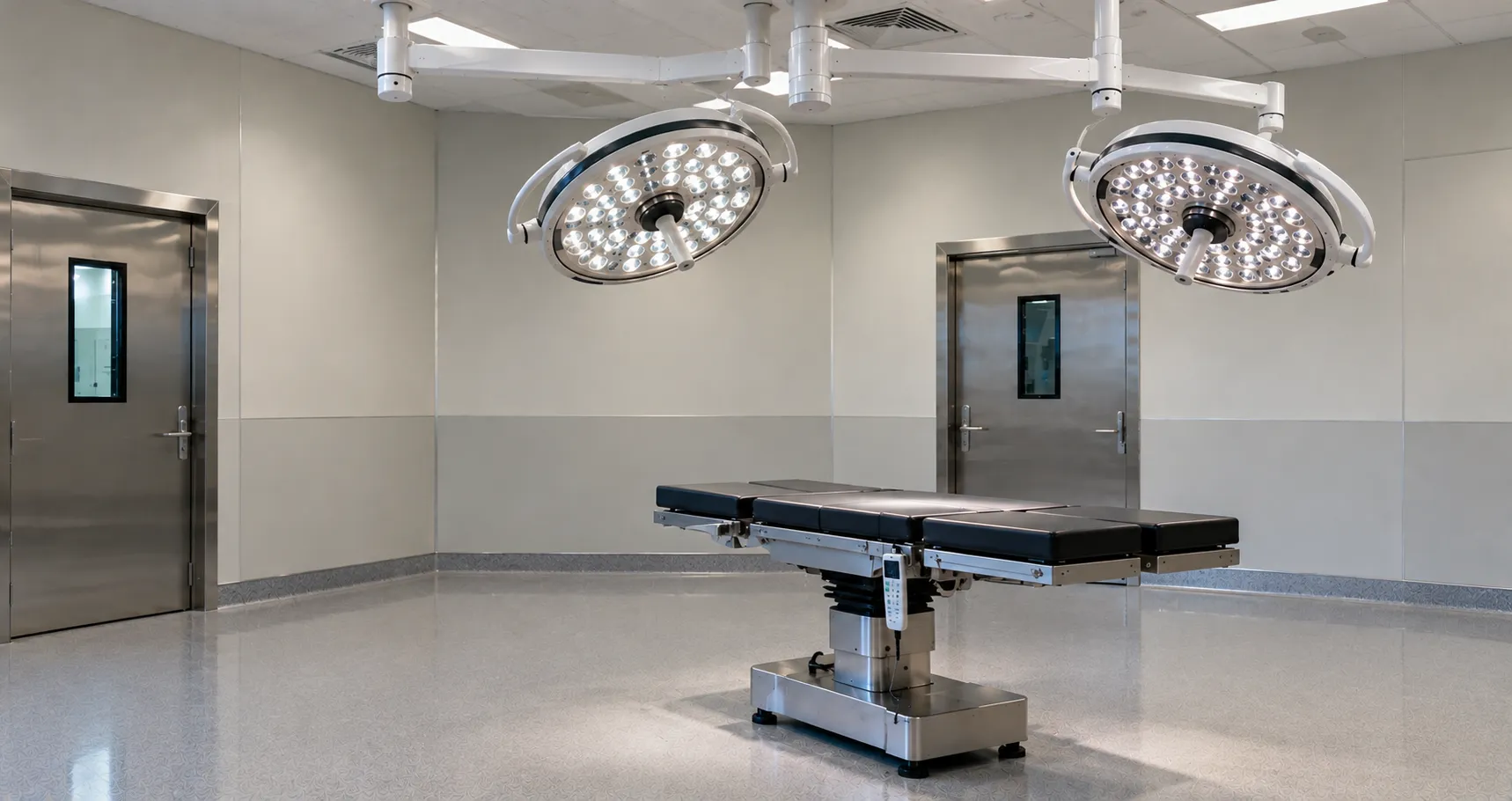
The effectiveness of a surgical lighting system depends heavily on its placement within the operating room environment.
Supporting Equipment Accessibility – Positioning should allow efficient operation.
Reducing Workflow Interference – Lighting placement should complement room activities.
Improving Equipment Coordination – Installation should account for surrounding assets.
Supporting Future Flexibility – Facilities benefit from adaptable room configurations.
Operating room layouts should be reviewed as part of the installation planning process rather than after equipment arrives.
Buyer Insights: Questions to Ask Before Installation Begins
Healthcare project teams should review several key questions before installation activities start.
Has the facility completed all infrastructure assessments?
Are structural support requirements fully understood?
Has electrical readiness been verified?
Do installation timelines align with project objectives?
Have future expansion plans been considered?
These questions can help identify potential project risks before they affect implementation.
If you're looking for sourcing and supplier engagement opportunities, you can explore industry connections at https://medigear.uk/business/suppliers.
Readers interested in related planning topics may find additional value in Medigear.uk articles, including the Surgical Lighting Equipment Procurement Checklist, the LED Surgical Light Selection Guide, and the Operating Room Equipment Infrastructure Requirements.
Project Coordination Is Essential
Surgical light installation projects often involve multiple departments and external stakeholders.
Teams Commonly Involved
-
Procurement professionals
-
Facility managers
-
Biomedical engineering teams
-
Construction specialists
-
Project managers
-
Operating room planners
-
Maintenance personnel
Strong communication among stakeholders helps reduce project complexity and supports timely completion.
Installation Scheduling Considerations
Scheduling can significantly influence project success.
Minimising Operational Disruption – Healthcare facilities often seek to maintain continuity during upgrades.
Supporting Resource Availability – Project schedules should align with staffing requirements.
Coordinating Construction Activities – Installation frequently overlaps with broader infrastructure projects.
Managing Project Timelines – Effective scheduling helps maintain project momentum.
Installation schedules should be integrated into overall facility planning efforts.
Commissioning and Operational Readiness
Installation does not end once the equipment is mounted.
Commissioning activities help verify that systems are prepared for operational use.
Confirming Equipment Functionality – Systems should operate in accordance with project requirements.
Reviewing Infrastructure Integration – All supporting systems should function correctly.
Verifying Installation Quality – Project teams should complete acceptance reviews.
Preparing for Operational Handover – Facilities should establish readiness before routine use begins.
Commissioning is a critical step in the deployment process.
Maintenance Planning Should Begin Before Activation
Long-term performance depends on proactive maintenance planning.
Supporting Equipment Availability – Maintenance strategies help preserve operational readiness.
Reducing Downtime Risks – Planned servicing supports continuity.
Protecting Asset Investments – Ongoing oversight contributes to lifecycle value.
Improving Budget Predictability – Scheduled maintenance supports financial planning.
Maintenance considerations should be incorporated into installation planning rather than addressed later.
Common Installation Challenges Healthcare Facilities Encounter
Several issues frequently affect surgical lighting projects.
Incomplete Infrastructure Assessments – Problems often emerge during installation.
Insufficient Structural Planning – Ceiling support challenges can delay projects.
Poor Stakeholder Coordination – Communication gaps create inefficiencies.
Compressed Project Timelines – Unrealistic schedules increase risk.
Lack of Future Planning – Facilities may struggle to meet future expansion needs.
Recognising these challenges early helps improve project outcomes.
How Operating Room Modernisation Is Changing Installation Requirements
Healthcare facilities increasingly pursue comprehensive modernisation initiatives rather than isolated equipment upgrades.
Integrated Equipment Planning – Lighting systems are evaluated within broader operating room ecosystems.
Infrastructure Scalability – Facilities seek flexible long-term solutions.
Digital Readiness Considerations – Modern projects increasingly account for integrating future technologies.
Lifecycle-Focused Planning – Organisations prioritise long-term operational value.
These trends are influencing how installation projects are designed and managed.
Healthcare organisations interested in strategic collaboration opportunities can learn more through the Medigear.uk partnership platform at https://medigear.uk/business/partners.
If you need help with equipment planning, procurement support, or operating room infrastructure projects, please get in touch with Medigear.uk at https://medigear.uk/contact.
Disclaimer
Medigear.uk is a medical equipment supplier and distributor. We do not provide medical advice, diagnosis, or treatment recommendations. All information is for educational and product awareness purposes only. Qualified medical professionals should always make healthcare decisions.**