Healthcare systems worldwide are navigating increasing clinical demands, workforce shortages, operational complexity, and growing expectations for improved patient outcomes. Traditional medical equipment is no longer expected to operate in isolation. Modern healthcare organisations increasingly require intelligent technologies capable of generating actionable insights, supporting automation, and integrating seamlessly with broader healthcare ecosystems.
For buyers' services, understanding future healthcare technologies has become essential for strategic planning and long-term investment decisions. Emerging innovations are transforming equipment from standalone tools into intelligent platforms that support clinical decision-making, predictive maintenance, remote monitoring, and operational optimisation.
Healthcare providers investing in future-ready technologies are positioning themselves to improve efficiency, strengthen patient care delivery, and support digital transformation initiatives. This article explores the technologies reshaping medical equipment and the implications for healthcare organisations globally.
How Emerging Technologies Are Transforming Clinical Operations
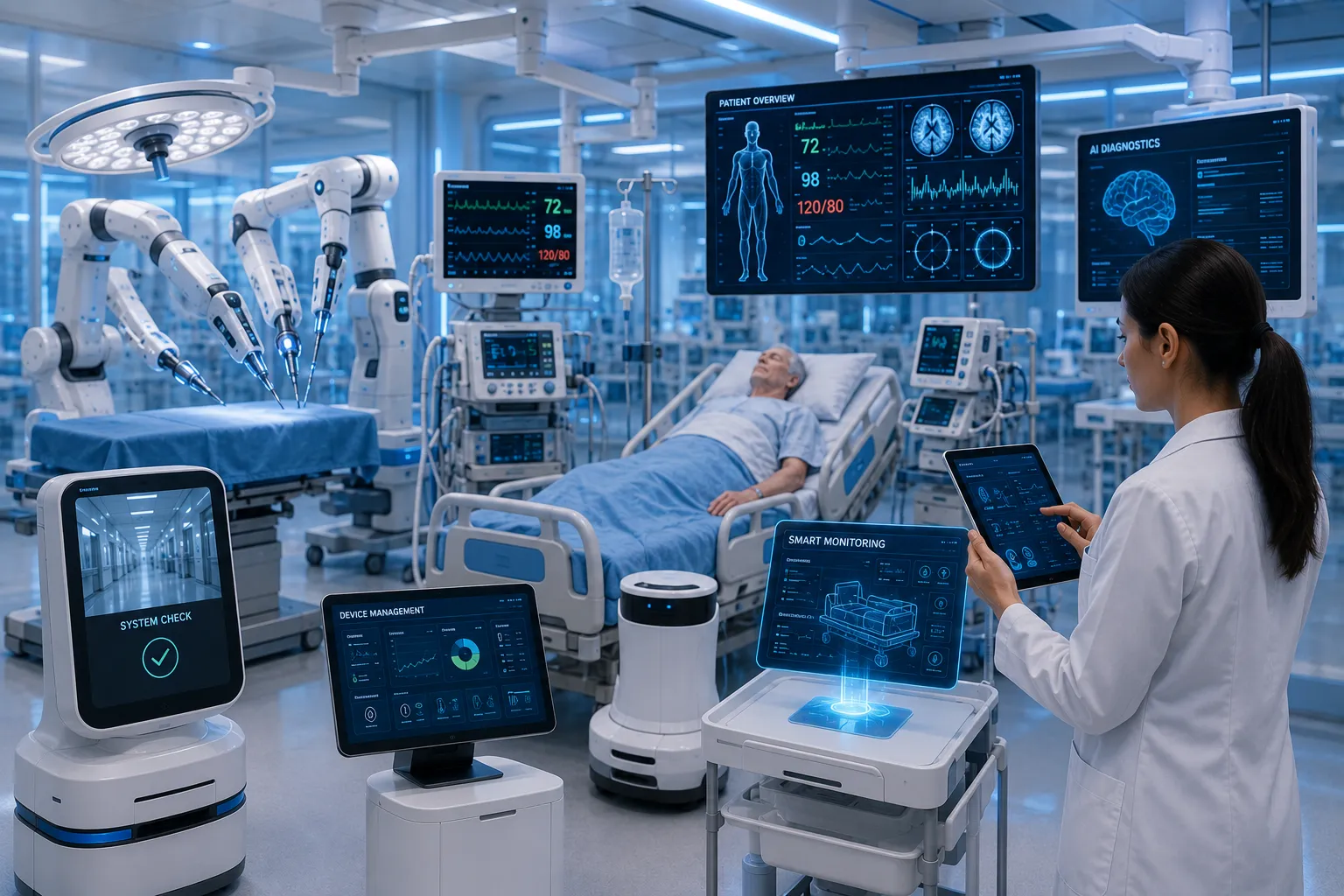
Artificial Intelligence Applications — AI is rapidly becoming embedded within diagnostic imaging systems, patient monitoring platforms, and clinical decision-support tools. These technologies help healthcare professionals identify patterns, prioritise cases, and improve operational visibility. Facilities that have adopted AI-enabled equipment often report stronger workflow efficiency and improved access to actionable information.
Healthcare Robotics — Robotics technologies are increasingly supporting surgery, rehabilitation, laboratory operations, and hospital logistics. Advanced robotic systems improve precision, consistency, and operational efficiency across a range of healthcare activities. Procurement teams frequently evaluate robotics solutions based on their impact on workflows and long-term maintenance requirements.
Connected Healthcare Ecosystems — Future medical equipment is designed to function within interconnected healthcare environments. Connected technologies improve information sharing, reduce administrative burdens, and support coordinated care delivery across multiple departments.
Automation and Intelligent Workflows — Automation technologies streamline routine tasks, equipment management processes, and clinical workflows. One aspect that surprises first-time adopters is the substantial reduction in manual administrative workload generated through intelligent automation.
Global Deployment of Future Medical Technologies
Large academic hospitals often serve as early adopters of emerging healthcare technologies due to their complex clinical environments and strong innovation strategies. These facilities frequently deploy AI-powered diagnostics, robotics platforms, and predictive monitoring systems to improve patient care and operational performance.
District hospitals are increasingly adopting future-ready technologies to maximise efficiency while managing resource constraints. Intelligent systems support patient monitoring, workflow optimisation, and asset management activities across healthcare operations.
Facilities that source equipment through business suppliers often prioritise innovation, interoperability, scalability, and analytics capabilities during procurement evaluations. Emerging technologies have become key considerations in equipment selection processes.
Community healthcare centres benefit from connected diagnostics, telehealth-enabled devices, and intelligent monitoring solutions that expand access to healthcare services while supporting operational efficiency.
Mobile healthcare units increasingly use advanced technologies to support remote care delivery and maintain continuity of service. Procurement teams often find that future-ready equipment provides stronger long-term value than conventional standalone systems.
Technical Characteristics Driving Future Medical Equipment Innovation
Predictive Analytics Capabilities — Advanced equipment increasingly uses predictive analytics to identify maintenance needs, monitor performance trends, and support proactive decision-making. These capabilities improve reliability while reducing operational disruptions.
Cloud-Based Connectivity — Cloud infrastructure enables centralised monitoring, remote support, software updates, and operational visibility across healthcare networks. Healthcare organisations benefit from greater flexibility and improved equipment management capabilities.
Interoperability Standards — Future technologies emphasise seamless integration with healthcare information systems, asset management platforms, and connected medical devices. Strong interoperability improves workflow efficiency and long-term scalability.
Intelligent Decision Support — Emerging technologies increasingly provide real-time recommendations, alerts, and performance insights. These capabilities help healthcare professionals make informed decisions more efficiently.
Cybersecurity and Digital Resilience — As connectivity expands, cybersecurity becomes increasingly important. Healthcare organisations must evaluate security frameworks, software update procedures, and data protection measures alongside clinical performance specifications.
Procurement Evaluation Guidance for Emerging Healthcare Technologies
Total Cost of Ownership — Future medical equipment technologies often involve costs beyond the initial purchase price. Healthcare organisations should evaluate software subscriptions, cloud services, cybersecurity requirements, infrastructure upgrades, and workforce training expenses. Facilities that assess long-term ownership costs typically make more sustainable investment decisions.
Vendor Innovation and Support — Procurement teams should evaluate vendor roadmaps, technology development strategies, software update policies, and technical support capabilities. Future-ready technologies require long-term vendor commitment to ensure ongoing performance and compatibility. Many business Advertise increasingly provide lifecycle support programs and digital service platforms to strengthen customer relationships.
Compliance Across Different Markets — Emerging technologies must comply with varying regulatory requirements across countries and healthcare systems. Procurement teams should verify certifications, cybersecurity compliance, interoperability standards, and safety documentation before deployment. Regulatory planning helps reduce implementation risks and operational disruptions.
Technology Integration Readiness — Advanced healthcare technologies deliver maximum value when integrated with healthcare information systems, monitoring platforms, and asset management solutions. Healthcare organisations should carefully evaluate compatibility requirements and implementation strategies before making purchasing decisions.
Healthcare providers managing multi-site deployments often benefit from business partners that support technology standardisation, technical expertise, supply continuity, and long-term innovation planning.
Maintenance and Equipment Service Life in the Age of Smart Technologies
Predictive Maintenance Systems — Future medical equipment increasingly incorporates self-monitoring technologies capable of identifying potential issues before failures occur. Predictive maintenance reduces downtime, improves equipment availability, and supports proactive service planning. Facilities that deploy predictive maintenance strategies often experience stronger operational reliability.
Software Lifecycle Management — Advanced healthcare technologies depend heavily on software functionality. Regular updates improve performance, maintain compatibility, and address evolving cybersecurity threats. Healthcare organisations should establish structured software management processes to support long-term operational stability.
Performance Analytics and Monitoring — Emerging technologies generate valuable operational data that can be used to monitor utilisation, assess reliability, and optimise maintenance schedules. Biomedical engineering teams increasingly rely on analytics to support evidence-based equipment management decisions.
Service Availability and Ownership Costs — In many healthcare markets, access to qualified technical support remains limited. One observation from international procurement projects is that maintenance costs can significantly influence total ownership costs when local service infrastructure is unavailable. Planning for long-term support is therefore essential.
Global Demand and International Sourcing Trends
Growing Investment in Digital Healthcare — Healthcare organisations worldwide continue investing in technologies that improve patient outcomes, operational efficiency, and workforce productivity. Future-ready medical equipment has become a key component of digital healthcare transformation strategies.
Increasing Demand for Connected Devices — Hospitals are increasingly prioritising equipment that generates actionable insights and supports interoperability across healthcare systems. Connected technologies improve visibility and support more coordinated healthcare delivery.
Balancing New and Existing Technology Investments — Healthcare providers often evaluate whether to upgrade existing equipment, purchase new technologies, or integrate emerging solutions into current infrastructures. Technology planning increasingly focuses on long-term scalability and innovation potential.
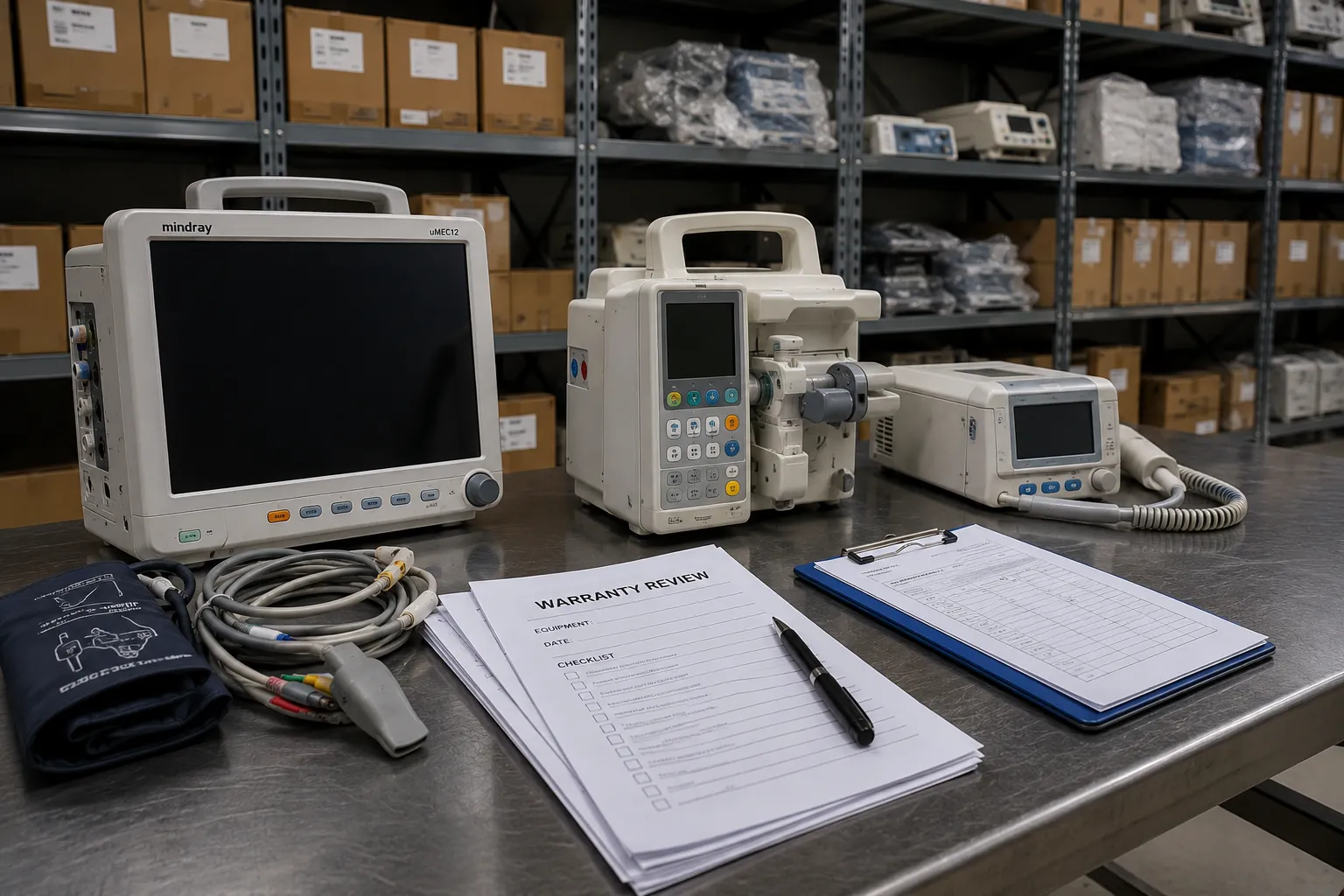
International Procurement Considerations — Global buyers must evaluate export documentation, installation requirements, lead times, warranty coverage, and the availability of technical support. Facilities that conduct comprehensive supplier assessments generally achieve smoother implementation outcomes and stronger long-term value.
Final Thoughts
Future technologies are transforming medical equipment by making healthcare more connected, intelligent, and efficient. Innovations such as artificial intelligence, the Internet of Medical Things (IoMT), robotics, advanced imaging, and predictive analytics are improving clinical decision-making, enhancing patient outcomes, and streamlining hospital operations. As these technologies continue to evolve, healthcare providers that embrace innovation will be better equipped to deliver safer, more personalised, and more efficient care in the years ahead.
Disclaimer
Medigear.uk is a global medical equipment supplier, exporter, and distributor. The content published on this site is intended for educational and product awareness purposes only. Nothing on this page constitutes medical advice, clinical guidance, or treatment recommendations. All healthcare procurement and clinical decisions should be made by qualified medical professionals and compliant procurement teams operating within the regulatory frameworks of their respective countries.