Hospitals are among the most energy-intensive facilities in any sector. Diagnostic imaging systems, patient monitoring devices, laboratory analysers, operating theatre equipment, sterilisation units, and critical care technologies operate continuously, often around the clock. As healthcare providers face rising operational costs and sustainability targets, energy efficiency has become a significant factor in equipment procurement decisions.
For buyer services, selecting equipment based solely on clinical performance is no longer sufficient. Energy consumption increasingly influences purchasing strategies because it affects long-term operating expenses, infrastructure requirements, and environmental goals.
Facilities that have invested in energy-efficient medical devices frequently report lower utility costs, improved equipment utilisation, and stronger alignment with sustainability initiatives.
How Modern Medical Devices Reduce Energy Consumption
Medical equipment manufacturers continue developing technologies that maintain high clinical performance while using less power.
Intelligent Power Management Systems- Modern medical devices often incorporate automated power-saving features that reduce electricity consumption during periods of inactivity.
Experienced clinical supply managers typically evaluate standby power consumption alongside active operating requirements because equipment often remains powered for extended periods.
Advanced Electronic Components: Newer processors, sensors, and display technologies enable devices to operate more efficiently than previous generations.
The result is reduced power demand without sacrificing speed, reliability, or clinical functionality.
Automated Operational Optimisation- Some devices can automatically adjust operating parameters based on workload and usage patterns.
Facilities that deploy these technologies at scale often achieve measurable reductions in overall energy consumption.
Why Energy Efficiency Matters Beyond Utility Costs
Many healthcare organisations initially focus on electricity savings, but the benefits of energy-efficient equipment extend far beyond that.
Reduced Infrastructure Demands- Lower power requirements can reduce strain on electrical systems, cooling infrastructure, and backup power resources.
This can be particularly valuable for hospitals expanding critical care, diagnostic imaging, or laboratory services.
Improved Sustainability Performance- Healthcare systems worldwide are pursuing environmental objectives, including reducing carbon emissions and improving resource efficiency.
Energy-efficient equipment supports these goals while maintaining clinical effectiveness.
Enhanced Equipment Lifecycle Value- One aspect that surprises first-time buyers is that energy-efficient technologies often incorporate newer designs that improve reliability and reduce maintenance requirements.
Imaging Equipment Is Becoming Significantly More Efficient
Diagnostic imaging systems have historically been among the largest consumers of electricity in healthcare facilities.
Digital Radiography Systems- Modern digital radiography equipment generally consumes less energy than older imaging technologies while improving workflow speed and image availability.
Ultrasound Systems- Ultrasound remains one of the most energy-efficient imaging modalities available.
Portable systems further reduce infrastructure requirements while increasing deployment flexibility across hospitals and community healthcare facilities.
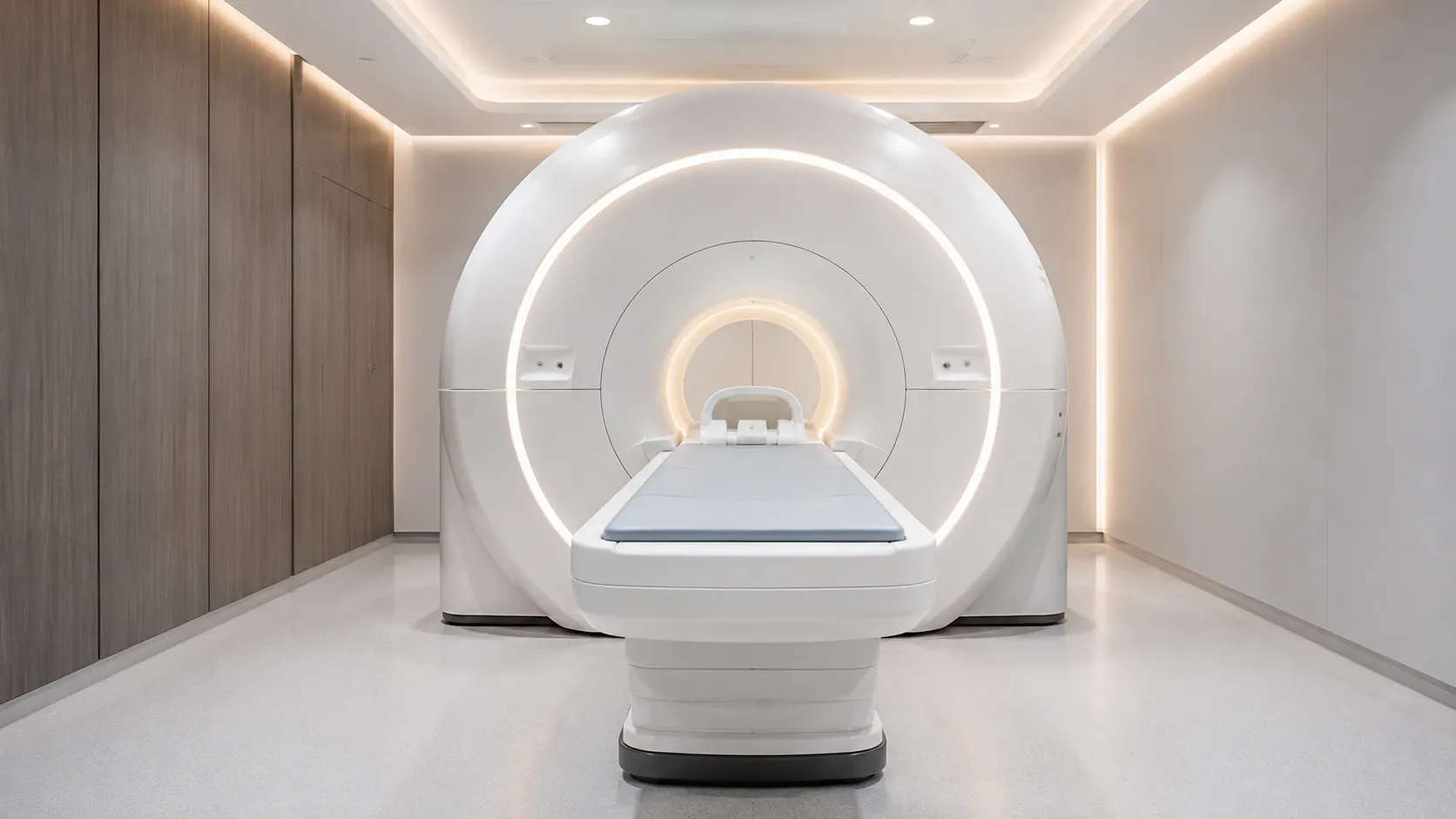
Advanced CT and MRI Innovations: Manufacturers continue to introduce technologies designed to improve efficiency in high-demand imaging environments.
Healthcare facilities that source modern imaging systems frequently work with business suppliers to ensure access to technologies that meet both clinical and sustainability objectives.
Optimised Cooling Technologies- New cooling systems reduce energy consumption while maintaining equipment performance and operational stability.
Automated Sleep and Standby Modes- Many imaging platforms now automatically reduce power consumption when not actively scanning patients.
Energy-Efficient Patient Monitoring Technologies
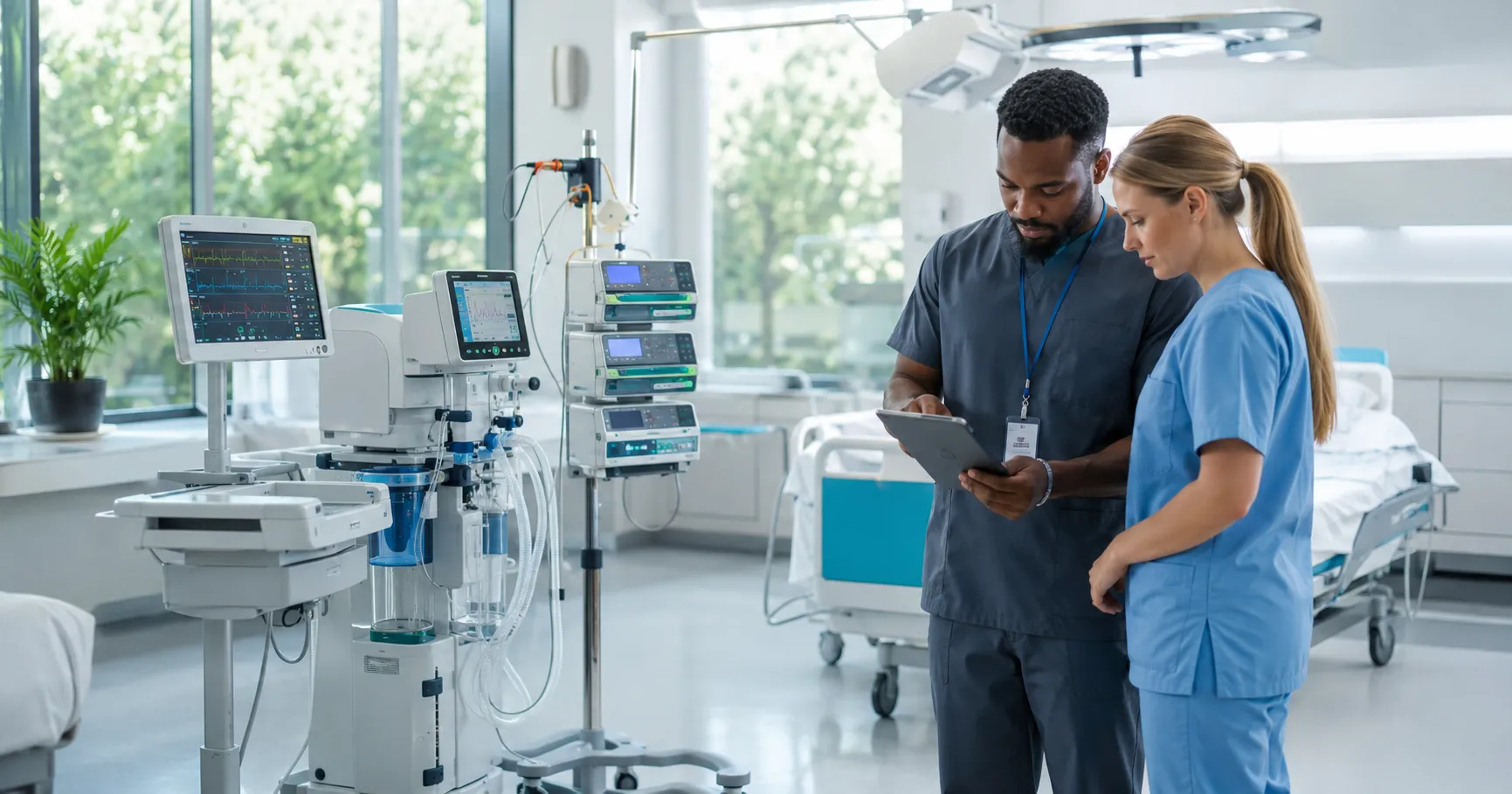
Patient monitoring devices often operate continuously throughout healthcare facilities.
Low-Power Sensor Technology- Modern monitoring systems use highly efficient sensors that consume less energy while delivering accurate clinical data.
Wireless Monitoring Platforms- Wireless systems can reduce infrastructure complexity while improving flexibility across different clinical environments.
Centralised Monitoring Networks- Integrated monitoring platforms allow healthcare providers to manage multiple patients efficiently while optimising equipment utilisation.
Facilities managing large critical care environments often find that small energy savings per device add up significantly when multiplied across hundreds of monitoring systems.
Laboratory Equipment Is Also Becoming More Sustainable
Laboratory departments operate a wide variety of equipment that contributes significantly to hospital energy consumption.
Energy-Efficient Analysers- Modern laboratory analysers are designed to optimise power consumption during both active operation and idle periods.
Facilities processing large volumes of testing often benefit from reduced operating costs without compromising diagnostic throughput.
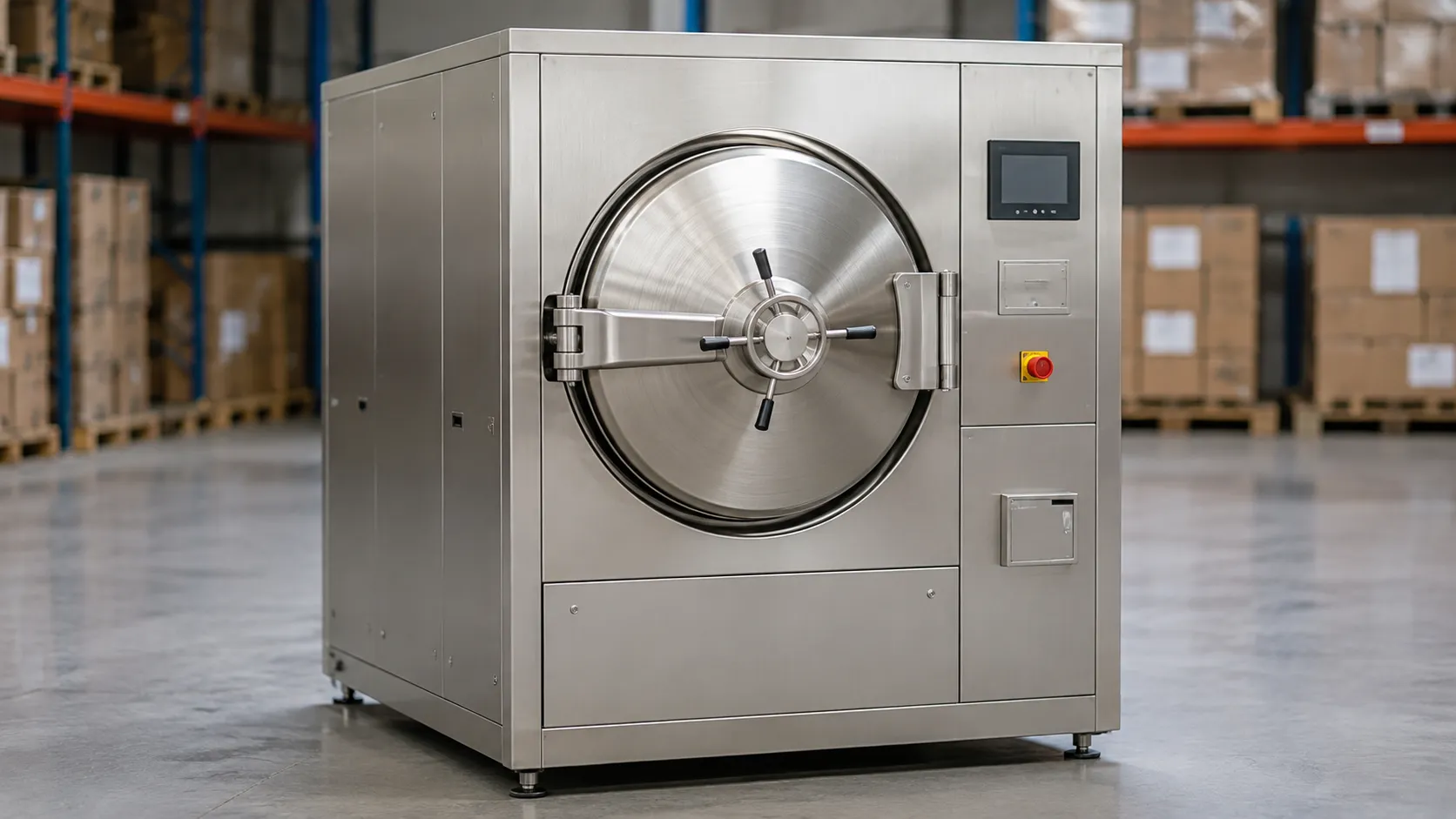
Advanced Refrigeration Systems- Laboratory refrigerators and freezers are increasingly incorporating efficient compressors, insulation technologies, and temperature management systems.
These improvements can significantly reduce electricity usage across diagnostic facilities.
Multi-Function Laboratory Platforms- Integrated systems capable of performing multiple diagnostic functions may reduce the number of standalone devices required.
This can improve workflow efficiency while lowering overall energy demand.
Critical Care Equipment Is Evolving for Greater Efficiency
Critical care departments depend on equipment that must remain available continuously.
Energy-Optimised Ventilator Platforms- Modern ventilators increasingly include intelligent power management features that minimise energy consumption without affecting patient support capabilities.
Efficient Monitoring Infrastructure: Patient monitoring systems continue to benefit from lower-power processors, advanced displays, and improved communication technologies.
Battery Management Innovations- Improved battery technologies provide longer operating durations, more efficient charging cycles, and reduced maintenance requirements.
Facilities expanding intensive care services often evaluate energy efficiency alongside clinical performance because of the cumulative impact across multiple devices.
Procurement Considerations When Evaluating Energy-Efficient Equipment
Energy efficiency should form part of a broader procurement assessment.
Total Cost of Ownership Analysis- Experienced procurement professionals rarely evaluate equipment based solely on acquisition cost.
Energy consumption, maintenance requirements, service support, and expected lifespan all contribute to long-term value.
Equipment Utilisation Patterns: Highly efficient equipment often delivers the greatest financial benefit in departments with high usage.
Facilities should evaluate expected workloads when comparing equipment options.
Healthcare organisations frequently business advertise to compare energy performance, lifecycle costs, and service support capabilities.
Maintenance and Service Requirements- Reliable servicing remains essential regardless of energy performance.
Equipment that combines efficiency with dependable maintenance support often provides the strongest long-term return on investment.
Infrastructure Compatibility- Procurement teams should assess whether new equipment integrates effectively with existing power, cooling, and digital infrastructure.
Sustainability Goals Are Influencing Purchasing Decisions
Many healthcare organisations now include sustainability objectives within procurement strategies.
Carbon Reduction Initiatives- Energy-efficient technologies support efforts to lower environmental impact and reduce carbon emissions.
Operational Cost Management: Lower electricity consumption directly improves financial sustainability.
Environmental Reporting Requirements- Healthcare systems increasingly monitor and report environmental performance metrics.
Facilities that integrate sustainability considerations into equipment selection are often better positioned to meet future regulatory and organisational expectations.
Healthcare providers operating across multiple sites frequently benefit from business partners that support equipment standardisation and sustainability planning.
Future Technologies Will Further Improve Efficiency
Several emerging innovations are expected to influence the next generation of medical equipment.
Artificial Intelligence Energy Optimisation- AI systems may automatically adjust device operation to minimise power consumption while maintaining clinical effectiveness.
Predictive Energy Management- Connected equipment could analyse usage patterns and optimise power requirements based on anticipated demand.
Advanced Battery Technologies- Future battery developments are expected to improve efficiency, reliability, sustainability, and operational flexibility.
Smart Hospital Energy Ecosystems- Medical devices will increasingly integrate with facility-wide energy management platforms to support coordinated optimisation.
Facilities that prepare for these developments today are generally better positioned to benefit from future healthcare technologies.
Final Thoughts
Energy-efficient medical devices help hospitals reduce electricity consumption, lower operating costs, and minimise their environmental footprint while maintaining high standards of patient care. By investing in modern equipment with energy-saving features, implementing regular maintenance, and optimising equipment usage, healthcare facilities can improve operational efficiency and support long-term sustainability goals. As hospitals continue to modernise, energy-efficient medical technology will play an increasingly important role in building resilient, cost-effective, and environmentally responsible healthcare systems.
Disclaimer
Medigear.uk is a global medical equipment supplier, exporter, and distributor. The content published on this page is intended for educational and informational purposes only. Information on energy-efficient medical devices, sustainability initiatives, power consumption, operating costs, environmental performance, and healthcare infrastructure may vary by manufacturer, model, healthcare facility, usage conditions, maintenance practices, and regional regulations. Nothing on this page constitutes medical advice, engineering advice, sustainability consultancy, financial advice, energy management advice, or procurement recommendations. All decisions regarding healthcare equipment purchasing, operations, environmental management, infrastructure, and clinical use should be made by qualified healthcare professionals, biomedical engineers, facility managers, sustainability specialists, and compliant procurement teams, in accordance with applicable local laws, regulations, and healthcare standards.