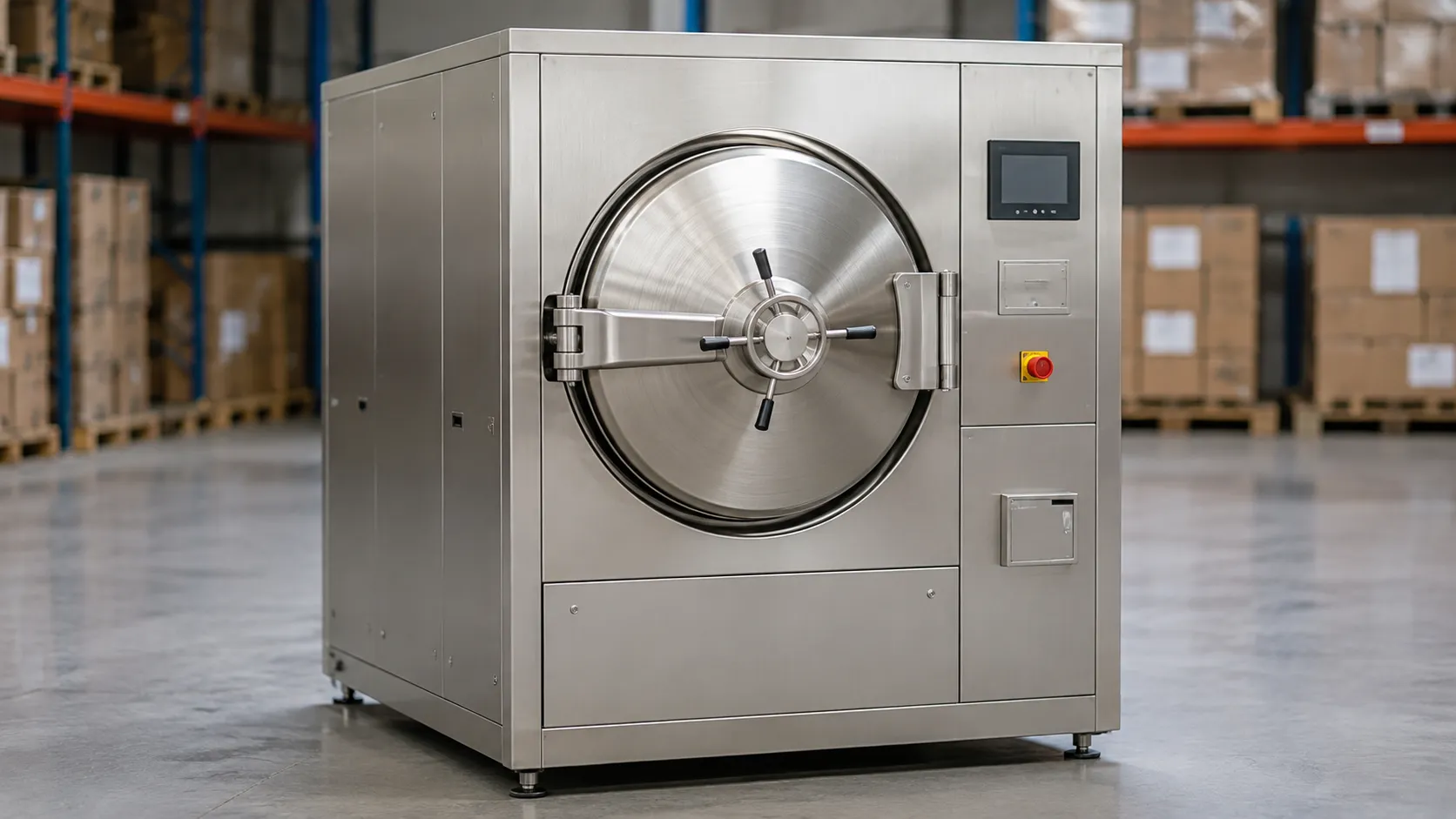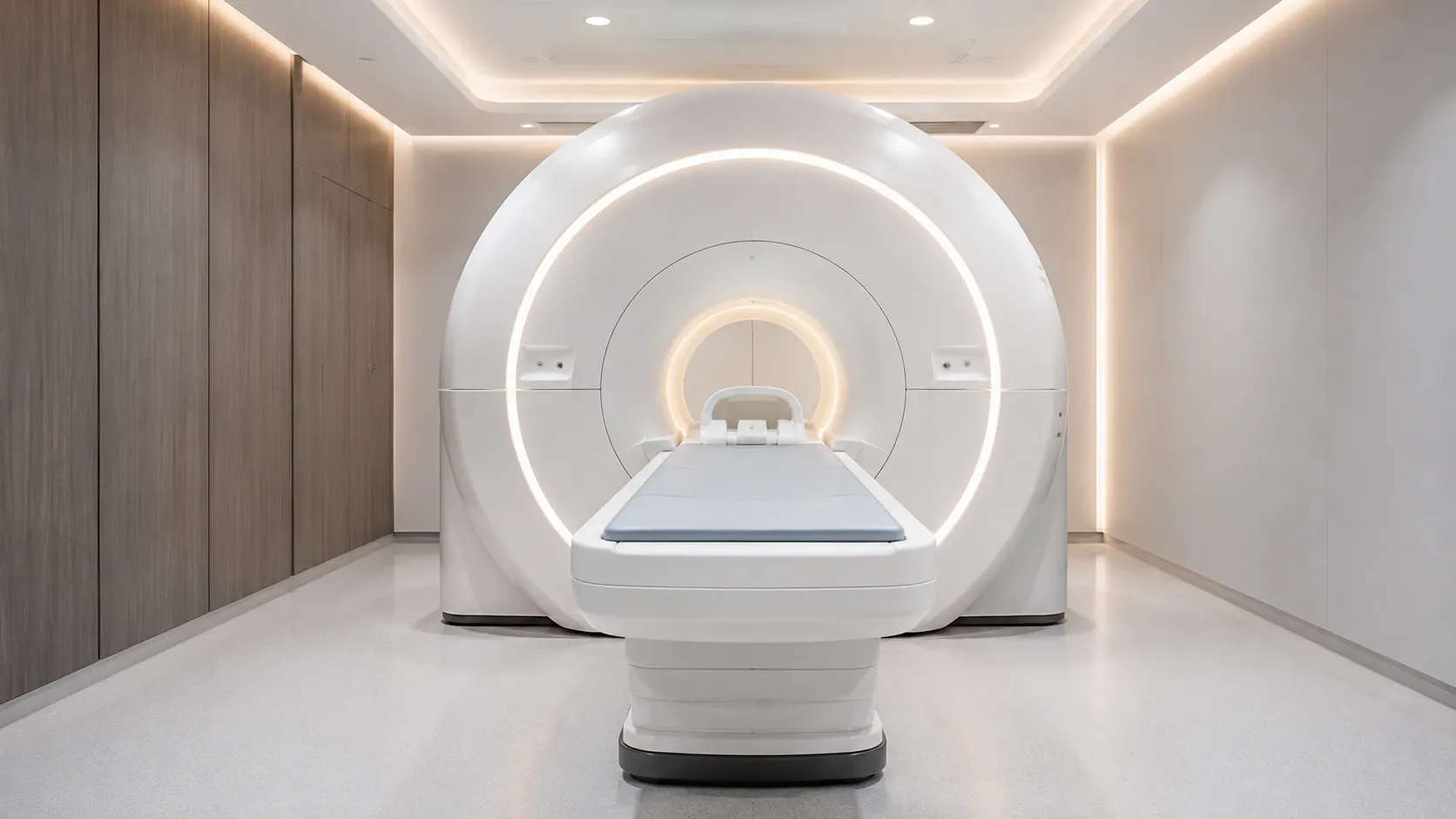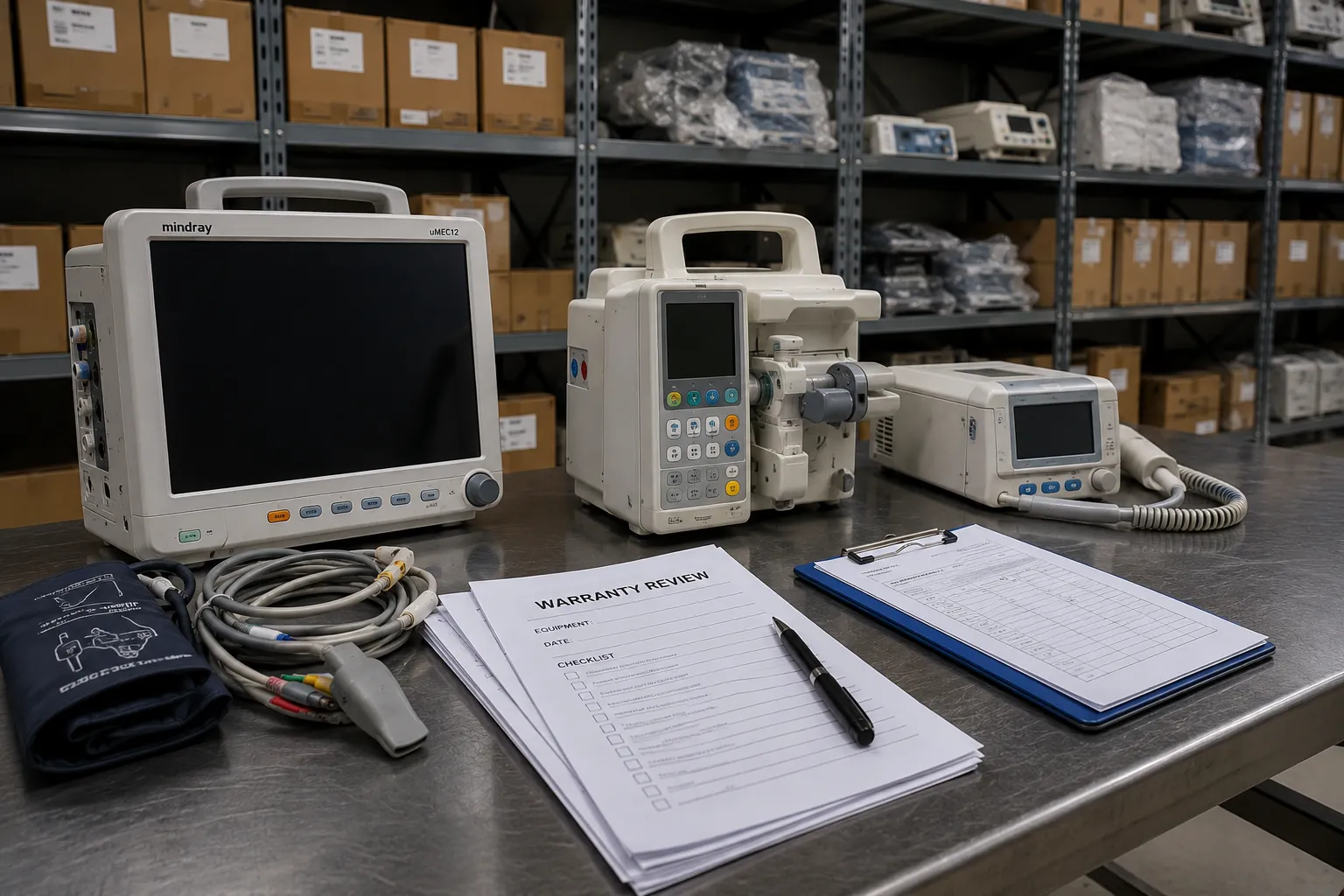
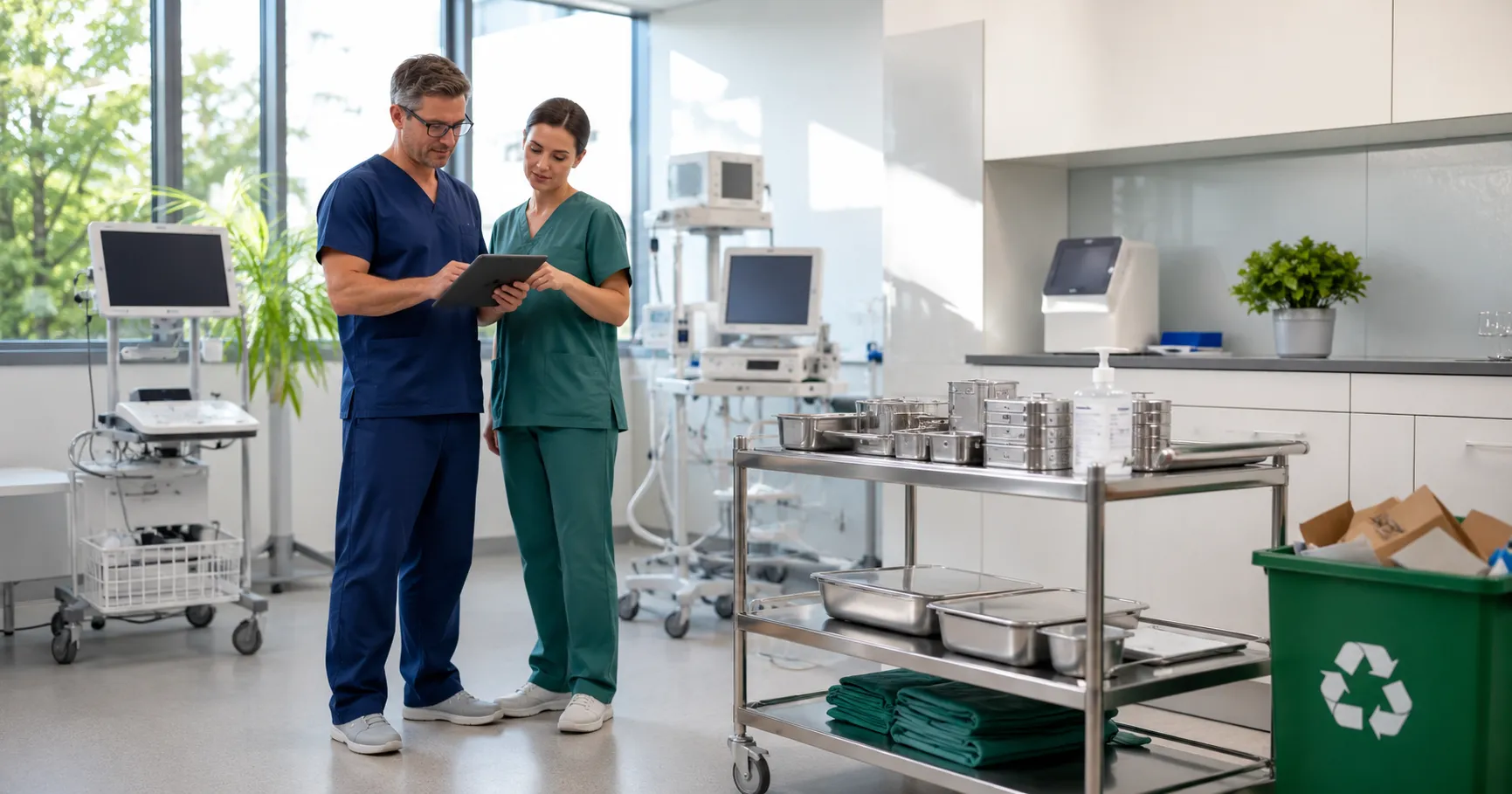
Healthcare organisations worldwide are balancing growing clinical demands with increasing expectations around environmental responsibility, resource efficiency, and operational sustainability. Medical equipment procurement decisions now influence not only patient care outcomes but also energy consumption, waste generation, supply chain resilience, and long-term environmental performance.
For buyers' services, sustainability has become an important consideration alongside performance, reliability, compliance, and total cost of ownership. Healthcare facilities increasingly evaluate how equipment investments support broader environmental goals while maintaining operational effectiveness.
Eco-friendly healthcare equipment is designed to reduce environmental impact through energy efficiency, durable construction, responsible manufacturing practices, and optimised lifecycle performance. As sustainability becomes a strategic priority across healthcare systems, understanding environmentally responsible equipment solutions helps organisations make informed procurement decisions that support both operational and environmental objectives.
Understanding the Characteristics of Eco-Friendly Healthcare Equipment
Energy-Efficient Performance — Sustainable healthcare equipment is often designed to consume less energy while maintaining clinical effectiveness. Facilities that deploy energy-efficient technologies at scale frequently report lower operational costs and improved sustainability outcomes.
Extended Operational Lifespan — Eco-friendly equipment is typically engineered for durability, repairability, and long-term use. Experienced clinical supply managers typically evaluate expected service life and upgrade potential alongside traditional performance specifications.
Reduced Resource Consumption — Many sustainable technologies require fewer consumables, less packaging, and lower resource inputs throughout their lifecycle. These efficiencies help healthcare organisations reduce waste while improving operational performance.
Responsible End-of-Life Management — Sustainable procurement increasingly considers refurbishment opportunities, recycling programs, and environmentally responsible disposal practices. One aspect that surprises first-time buyers is how end-of-life planning can significantly influence overall sustainability performance.
How Sustainable Equipment Is Being Implemented Across Healthcare Systems
Large teaching hospitals often lead sustainability initiatives by integrating environmental performance criteria into procurement strategies. These organisations frequently prioritise lifecycle value, energy efficiency, and waste reduction when evaluating equipment investments.
District hospitals increasingly adopt eco-friendly technologies to improve operational efficiency while managing financial constraints. Sustainable equipment often supports both environmental and budgetary objectives.
Facilities sourcing through business suppliers increasingly request environmental documentation, sustainability certifications, and lifecycle performance data during procurement evaluations. Environmental accountability is becoming a more prominent factor in healthcare purchasing decisions.
Community healthcare centres benefit from eco-friendly equipment through reduced operating costs, lower maintenance demands, and improved resource utilisation. These benefits support long-term service sustainability.
Mobile healthcare providers also benefit from sustainable technologies because energy efficiency, durability, and reliability directly affect operational performance. In practice, healthcare organisations often discover that sustainable equipment delivers stronger lifecycle value than initially anticipated.
Technical Factors That Influence Environmental Performance
Energy Optimisation Technologies — Advanced power management systems help reduce electricity consumption while maintaining clinical functionality. Procurement teams should evaluate energy efficiency metrics alongside operational requirements.
Durability and Lifecycle Engineering — Equipment designed for long service life reduces replacement frequency and minimises waste generation. Durability remains an important sustainability consideration.
Upgrade and Refurbishment Capability — Technologies that enable upgrades and refurbishments extend equipment lifespans and support circular economy principles within healthcare systems.
Maintenance Efficiency — Equipment designed for easier maintenance often remains operational longer, reducing resource consumption associated with repairs and replacements.
Environmental Compliance Documentation — Healthcare organisations should assess sustainability certifications, compliance with environmental standards, and manufacturers' environmental commitments alongside traditional procurement criteria.
Procurement Considerations for Sustainable Healthcare Technologies
Lifecycle Cost Evaluation — Eco-friendly healthcare equipment should be evaluated based on the total cost of ownership rather than the acquisition price alone. Procurement teams should consider energy consumption, maintenance requirements, consumable usage, upgrade potential, and disposal costs. Facilities that assess lifecycle expenses often discover that sustainable technologies deliver stronger long-term value.
Supplier Environmental Accountability — Healthcare organisations increasingly assess supplier sustainability commitments, manufacturing practices, environmental policies, and lifecycle support capabilities. Businesses advertise and provide environmental performance documentation as sustainability criteria become more important within healthcare procurement frameworks.
Regulatory and Environmental Compliance — Environmental standards vary across healthcare systems and countries. Procurement teams should verify compliance with applicable local regulatory standards, environmental requirements, and sustainability certifications before purchasing equipment. Requirements differ considerably across healthcare markets.
Future-Proof Equipment Investments — Sustainable procurement should also consider scalability, interoperability, and upgrade opportunities. Equipment that can adapt to evolving clinical and operational requirements often delivers stronger environmental and financial outcomes over time.
Healthcare providers managing equipment procurement across multiple facilities often benefit from business partners that support sustainability objectives, supply chain resilience, and long-term operational consistency.
Maximising Service Life Through Sustainable Equipment Management
Preventive Maintenance Practices — Routine maintenance helps extend equipment lifespan and reduce waste associated with premature replacement. Facilities that deploy preventive maintenance programmes at scale often report stronger reliability and lower lifecycle costs.
Calibration and Operational Efficiency — Regular calibration ensures equipment continues to operate safely and efficiently throughout its service life. Maintaining performance standards helps maximise resource utilisation while supporting sustainability objectives.
Consumable and Parts Management — Sustainable equipment management includes evaluating the availability of replacement parts, consumable usage, and service support requirements. Efficient resource management contributes directly to waste reduction and lifecycle optimisation.
Long-Term Service Accessibility — In practice, procurement teams often find that service availability significantly affects sustainability outcomes. Healthcare facilities operating in regions with limited technical support frequently experience higher ownership costs if maintenance planning is overlooked.
Why Global Demand for Eco-Friendly Healthcare Equipment Continues to Increase
Healthcare Sustainability Commitments — Healthcare providers worldwide are integrating sustainability goals into operational and procurement strategies. Eco-friendly technologies support efforts to reduce environmental impact while maintaining clinical effectiveness.
Resource Efficiency Priorities — Hospitals increasingly seek technologies that reduce energy consumption, improve equipment utilisation, and support long-term resource efficiency. Sustainable equipment often contributes to both environmental and financial performance objectives.
Circular Economy Healthcare Models — Many healthcare systems are exploring refurbishment, equipment reuse, and responsible recycling initiatives as part of broader sustainability programmes. Circular economy approaches help reduce waste while maximising asset value.
International Procurement Trends — Global buyers increasingly evaluate environmental performance, lifecycle support, packaging practices, and sustainability documentation when selecting suppliers. Organisations that include sustainability criteria within procurement evaluations often achieve stronger long-term outcomes.
Final Thoughts
Eco-friendly healthcare equipment plays an important role in creating more sustainable healthcare facilities without compromising patient care. From energy-efficient medical devices and reusable components to environmentally responsible manufacturing and disposal practices, sustainable equipment helps reduce environmental impact while improving operational efficiency. As healthcare organisations continue to prioritise sustainability, investing in eco-friendly medical equipment can support long-term cost savings, regulatory compliance, and a healthier future for both patients and the planet.
Disclaimer
Disclaimer: Medigear.uk is a global medical equipment supplier, exporter, and distributor. The content published on this site is intended for educational and product awareness purposes only. Nothing on this page constitutes medical advice, clinical guidance, or treatment recommendations. All healthcare procurement and clinical decisions should be made by qualified medical professionals and compliant procurement teams operating within the regulatory frameworks of their respective countries.