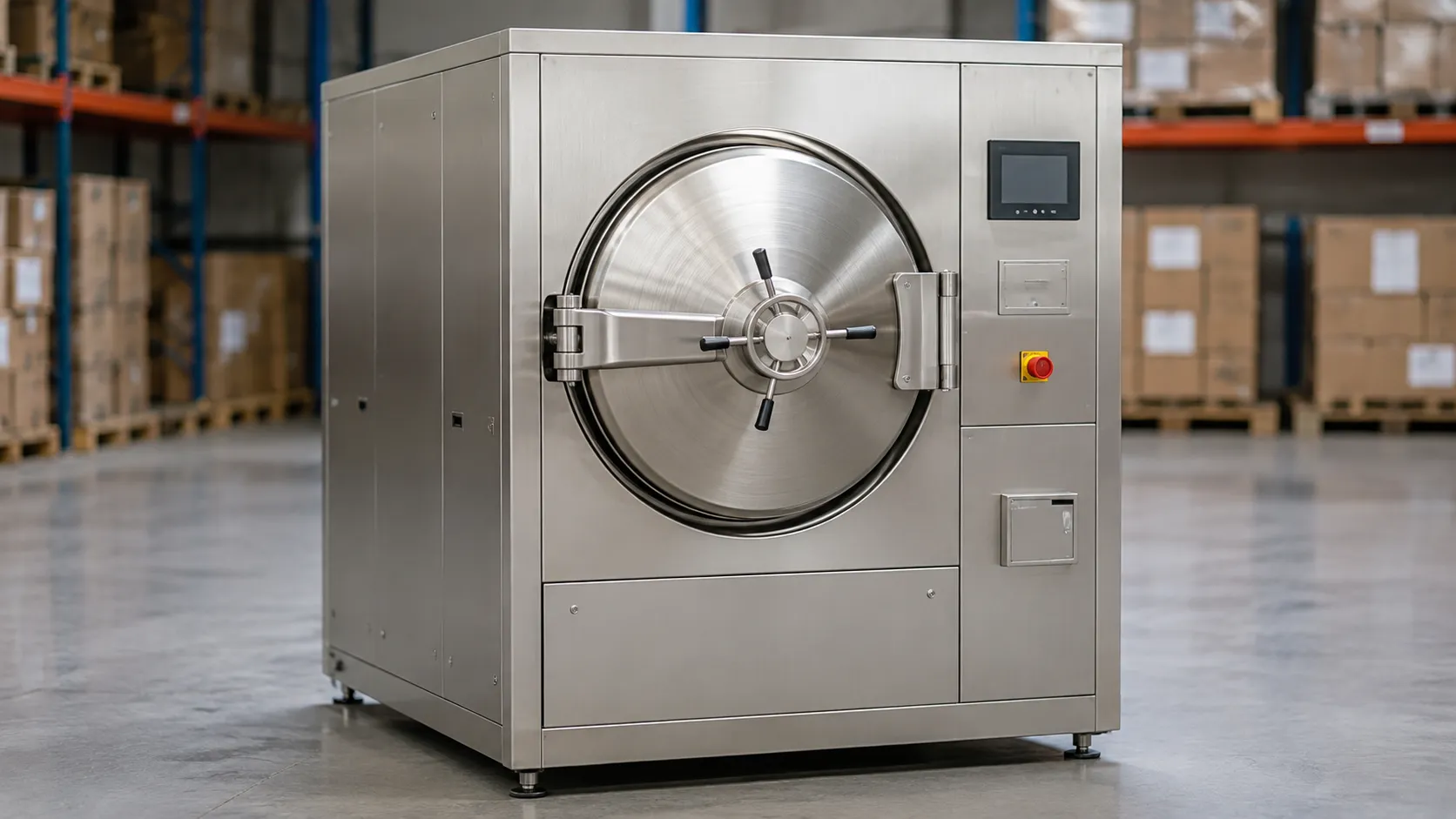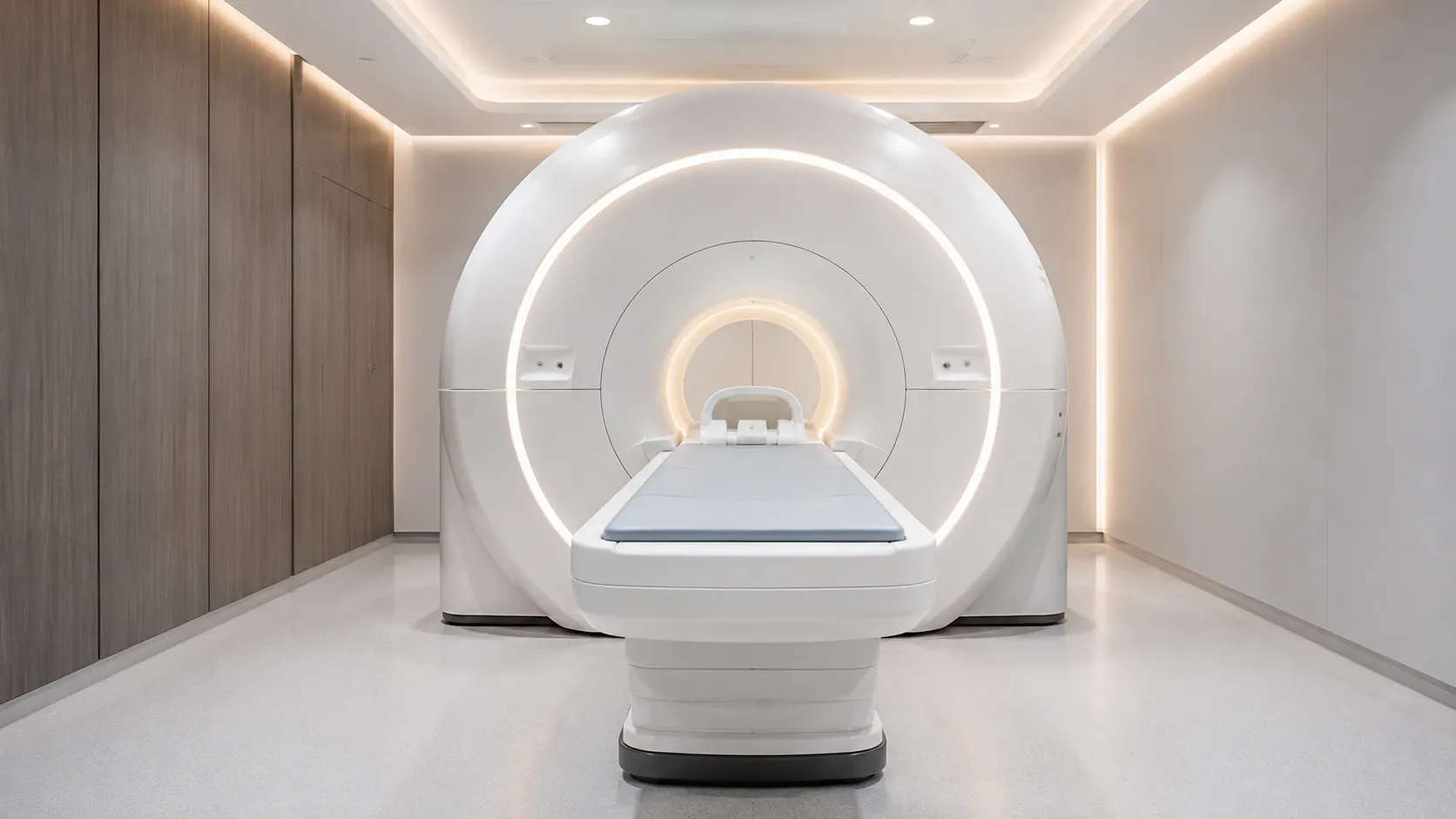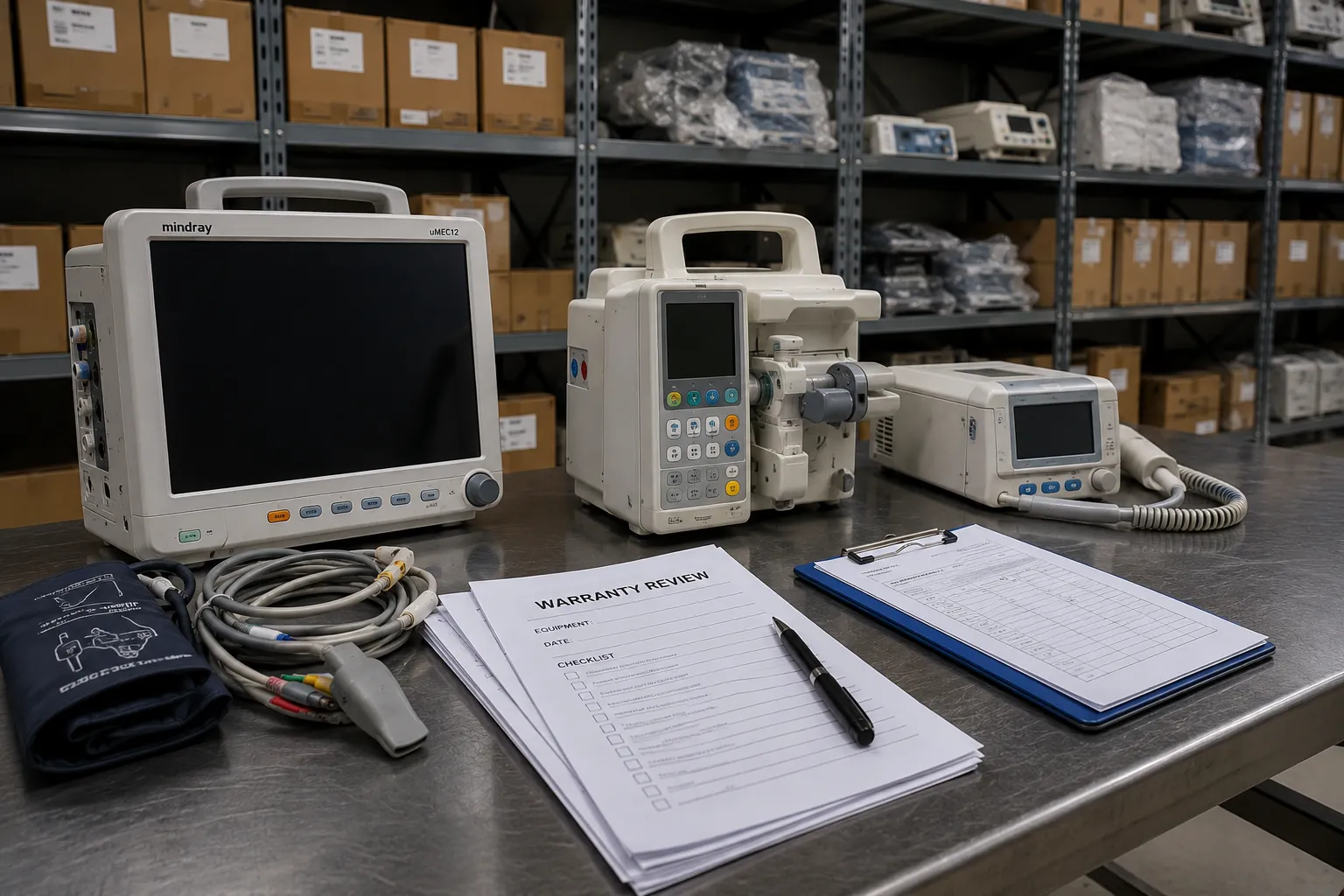
Healthcare organisations worldwide face growing pressure to improve operational efficiency while controlling costs, managing resources responsibly, and reducing environmental impact. Equipment-related waste remains a significant challenge across healthcare systems, particularly when assets are underutilised, poorly maintained, or replaced before reaching their full operational lifespan.
For buyer services, equipment optimisation has become an important strategy for balancing financial performance, sustainability objectives, and clinical effectiveness. Rather than focusing solely on purchasing new technologies, healthcare organisations increasingly seek ways to maximise the value of existing equipment investments.
Reducing waste through equipment optimisation involves improving utilisation, extending service life, enhancing maintenance practices, and supporting data-driven asset management decisions. Facilities that optimise equipment effectively often reduce unnecessary expenditures while improving operational resilience and sustainability outcomes.
Understanding How Equipment Waste Develops Across Healthcare Facilities
Underutilised Assets — Many healthcare facilities operate equipment that is rarely used or deployed inefficiently. Underutilization reduces return on investment and often results in unnecessary procurement spending. Facilities that closely monitor utilisation frequently identify opportunities to improve asset allocation.
Premature Equipment Replacement — Replacing equipment before the end of its functional service life contributes significantly to healthcare waste. Experienced clinical supply managers typically evaluate whether upgrades, refurbishment, or maintenance can extend equipment usability before considering replacement.
Inefficient Maintenance Practices — Reactive maintenance approaches often increase downtime and accelerate equipment deterioration. Preventive maintenance programs help healthcare organisations preserve asset performance while reducing waste caused by equipment failures.
Poor Asset Visibility — Limited visibility into equipment location, condition, and utilisation can lead to unnecessary purchases and duplicate inventories. One aspect that surprises first-time buyers is how often equipment optimisation initiatives uncover underused assets already available within the organisation.
Where Equipment Optimisation Creates Value Across Healthcare Systems
Large teaching hospitals often implement advanced asset management programs to optimise extensive equipment inventories spread across multiple departments. These facilities use utilisation data and performance monitoring to support more efficient resource allocation.
District hospitals are increasingly adopting optimisation strategies to maximise the value of equipment while managing budget constraints. Better utilisation practices often reduce procurement pressures and improve operational efficiency.
Facilities sourcing through business suppliers frequently evaluates lifecycle support capabilities, maintenance resources, and utilisation analytics alongside equipment performance specifications. Procurement teams increasingly view optimisation potential as an important purchasing consideration.
Community healthcare centres benefit from optimisation through improved equipment sharing, maintenance planning, and utilisation monitoring. These strategies help maximise resource efficiency while supporting patient care objectives.
Mobile healthcare environments also benefit from optimisation initiatives, as equipment reliability and utilisation directly affect service continuity. In practice, healthcare organisations often achieve meaningful waste reduction without major capital investments by improving asset management practices.
Technical and Operational Drivers of Successful Equipment Optimisation
Utilisation Tracking Systems — Modern asset management platforms provide visibility into equipment usage patterns, helping organisations identify underutilised resources and optimise deployment strategies.
Preventive Maintenance Programs — Structured maintenance schedules improve reliability, extend equipment lifespan, and reduce waste from unexpected failures and premature replacements.
Lifecycle Management Planning — Effective optimisation requires understanding how equipment performs throughout its operational lifespan. Lifecycle planning supports better maintenance, upgrade, and replacement decisions.
Performance Analytics Capabilities — Data-driven insights help healthcare organisations monitor asset performance, identify inefficiencies, and support evidence-based operational improvements.
Resource Sharing Strategies — Equipment sharing across departments and facilities often improves utilisation rates and reduces the need for additional purchases, supporting both financial and sustainability objectives.
Procurement Strategies That Support Long-Term Waste Reduction
Total Cost of Ownership Analysis — Equipment optimisation begins during procurement. Healthcare organisations should evaluate acquisition costs alongside maintenance requirements, consumable usage, energy consumption, service availability, and expected lifespan. Facilities that focus on total ownership costs often identify opportunities to reduce waste and improve long-term value.
Vendor Support and Lifecycle Services — Procurement teams increasingly assess vendor maintenance programs, upgrade pathways, technical support capabilities, and refurbishment options. Many business Advertise now advertise, emphasising lifecycle support because healthcare organisations expect equipment to remain operational for longer periods.
Compliance and Sustainability Considerations — Healthcare providers should evaluate compliance requirements, environmental responsibilities, and disposal obligations before purchasing equipment. Requirements differ considerably across healthcare systems and geographic regions. Sustainable procurement strategies help reduce waste while maintaining regulatory compliance.
Scalability and Future Compatibility — Equipment that integrates with future technologies and supports evolving clinical requirements often delivers greater lifecycle value. Procurement decisions should consider upgrade potential alongside immediate operational needs.
Healthcare organisations managing procurement across multiple facilities often benefit from business partners that support standardisation, lifecycle planning, and long-term resource optimisation.
Extending Equipment Service Life Through Better Asset Management
Preventive Maintenance Scheduling — Regular maintenance remains one of the most effective ways to reduce equipment waste. Preventive service programs improve reliability, reduce downtime, and help organisations maximise equipment lifespan. Facilities that maintain equipment proactively often avoid unnecessary replacement costs.
Calibration and Performance Monitoring — Ongoing calibration and performance verification help ensure equipment remains safe, accurate, and operationally effective. Healthcare organisations that monitor performance trends can identify issues before failures occur.
Consumables and Replacement Parts Management — Efficient management of consumables and spare parts helps extend equipment usability while reducing operational waste. Procurement teams should evaluate parts availability and support infrastructure before making purchasing decisions.
Service Support Availability — In practice, procurement teams often discover that maintenance costs significantly influence lifecycle value, especially in markets where technical support resources are limited. Access to qualified service providers remains an important consideration for equipment optimisation strategies.
Global Demand for Equipment Optimisation Continues to Grow
Increasing Focus on Sustainability Goals — Healthcare organisations worldwide are prioritising waste reduction and resource-efficiency initiatives. Equipment optimisation supports these objectives by improving utilisation and extending asset lifespans.
Expansion of Data-Driven Asset Management — Hospitals increasingly use asset-tracking systems, utilisation analytics, and performance-monitoring tools to improve equipment management decisions. Better visibility supports more effective resource allocation and waste reduction efforts.
Balancing New and Existing Equipment Investments — Healthcare providers often evaluate whether existing equipment can be optimised before investing in new technologies. Lifecycle-focused decision-making helps maximise value while reducing unnecessary spending.
International Sourcing and Resource Planning — Global buyers increasingly assess lifecycle support, maintenance requirements, upgrade potential, and sustainability considerations when evaluating suppliers. Organisations that incorporate optimisation principles into procurement strategies often achieve stronger long-term outcomes.
Final Thoughts
Reducing waste through equipment optimisation is a practical and sustainable approach to improving healthcare operations. By ensuring medical equipment is properly maintained, efficiently utilised, and replaced only when necessary, healthcare facilities can minimise unnecessary waste, reduce operating costs, and maximise the value of their investments. Equipment optimisation also supports environmental sustainability by extending the lifespan of medical devices, lowering resource consumption, and reducing electronic waste. As healthcare providers continue to balance quality patient care with responsible resource management, optimising medical equipment remains a key strategy for building more efficient, cost-effective, and environmentally friendly healthcare.
Disclaimer
Disclaimer: Medigear.uk is a global medical equipment supplier, exporter, and distributor. The content published on this site is intended for educational and product awareness purposes only. Nothing on this page constitutes medical advice, clinical guidance, or treatment recommendations. All healthcare procurement and clinical decisions should be made by qualified medical professionals and compliant procurement teams operating within the regulatory frameworks of their respective countries.