Medical equipment energy-efficiency planning examines how clinical devices consume power during operation, standby, charging, and support activities. A purchase based solely on the equipment price may overlook electricity demand, cooling requirements, battery replacement, and the infrastructure required throughout its lifecycle.
For healthcare buyers assessing medical equipment purchases, energy requirements should be documented before final technical and commercial approval is granted. Hospitals should compare equipment under realistic workloads rather than relying only on maximum nameplate ratings or broad efficiency claims.
Clinical engineers, facilities personnel, sustainability teams, finance representatives, clinical users and procurement managers may each hold part of the required information. Their findings should be combined into a single controlled equipment assessment.
A structured approach helps hospitals select supportable equipment, control electrical demand and improve visibility of long-term operating requirements.
Establish Equipment Loads and Operating Patterns
Energy assessment should begin with how equipment will actually be used within the hospital.
Rated power — Record the manufacturer-stated maximum electrical demand for the complete equipment configuration.
Typical operating demand — Request expected consumption during normal clinical use rather than relying only on the maximum rating.
Operating hours — Estimate daily and weekly usage using approved clinical schedules and expected patient activity.
Standby duration — Identify how long equipment remains powered but inactive between procedures, tests or shifts.
Startup demand — Review devices that draw higher power during heating, cooling, motor operation or system startup.
Supporting systems — Include workstations, monitors, pumps, compressors, servers, chargers and external cooling equipment.
Battery charging — Record charging demand, charging time, battery capacity and replacement expectations for mobile devices.
Future growth — Include reasonable allowance for additional equipment, extended operating hours or higher patient demand.
In practice, healthcare buyers often find that devices with modest individual loads create significant combined demand when purchased in large quantities.
The assessment should therefore consider both individual equipment performance and total fleet consumption.
Group Energy Requirements by Care Setting
Different hospital departments have distinct operating patterns, readiness needs and supporting infrastructure.
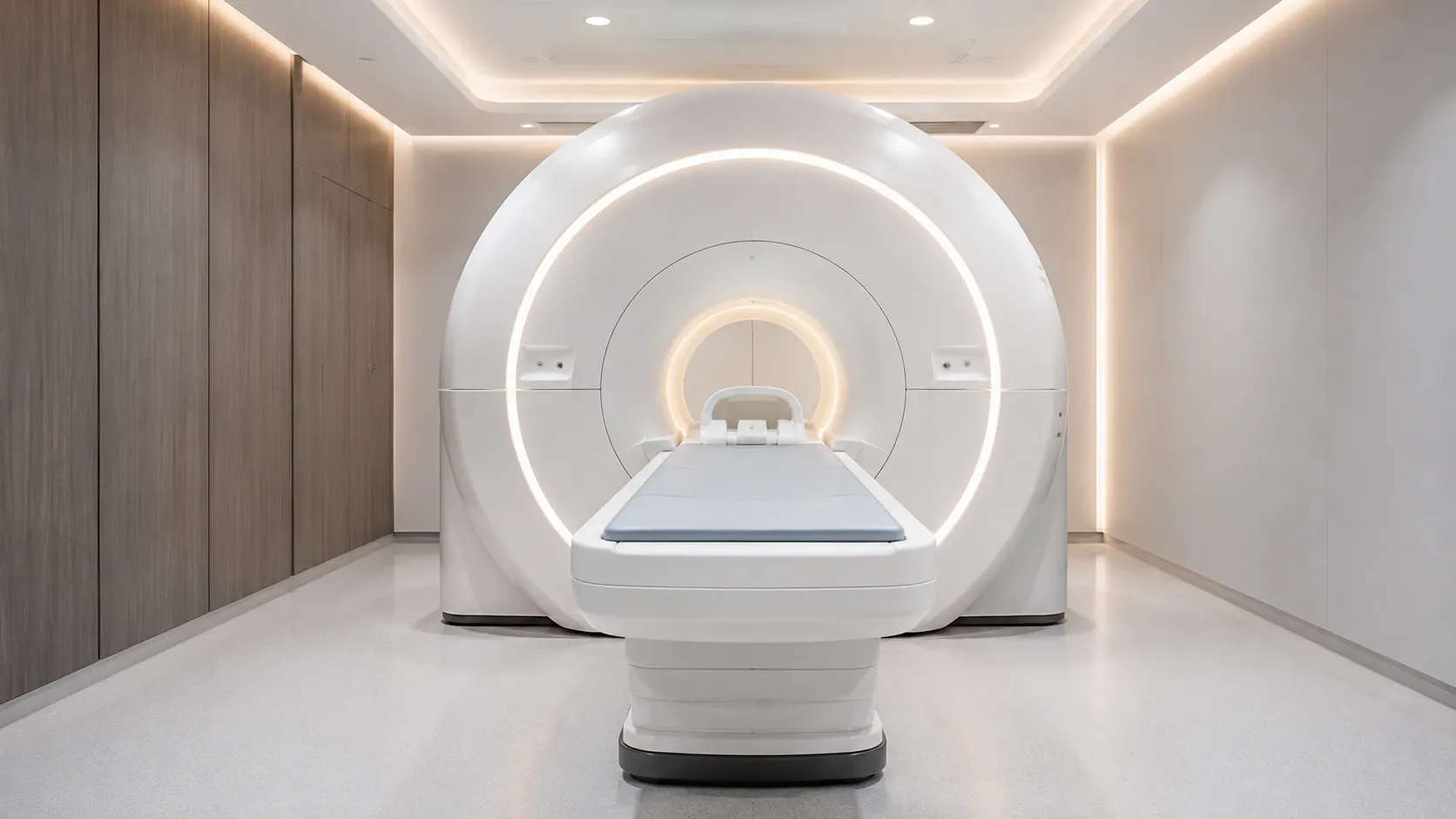
Diagnostic imaging — Imaging systems may have high operating demand, cooling requirements and energy-intensive standby modes.
Critical care — Monitors, ventilators, pumps and connected systems may operate continuously and offer limited opportunities for shutdown.
Hospitals comparing verified international medical equipment suppliers should request energy information for the exact equipment, software and accessory configuration being quoted.
Operating theatres — Anaesthesia, lighting, monitoring and surgical systems should be assessed against procedure schedules and room turnover.
Laboratories — Analysers, refrigerators, freezers, extraction systems and information equipment may operate for extended periods.
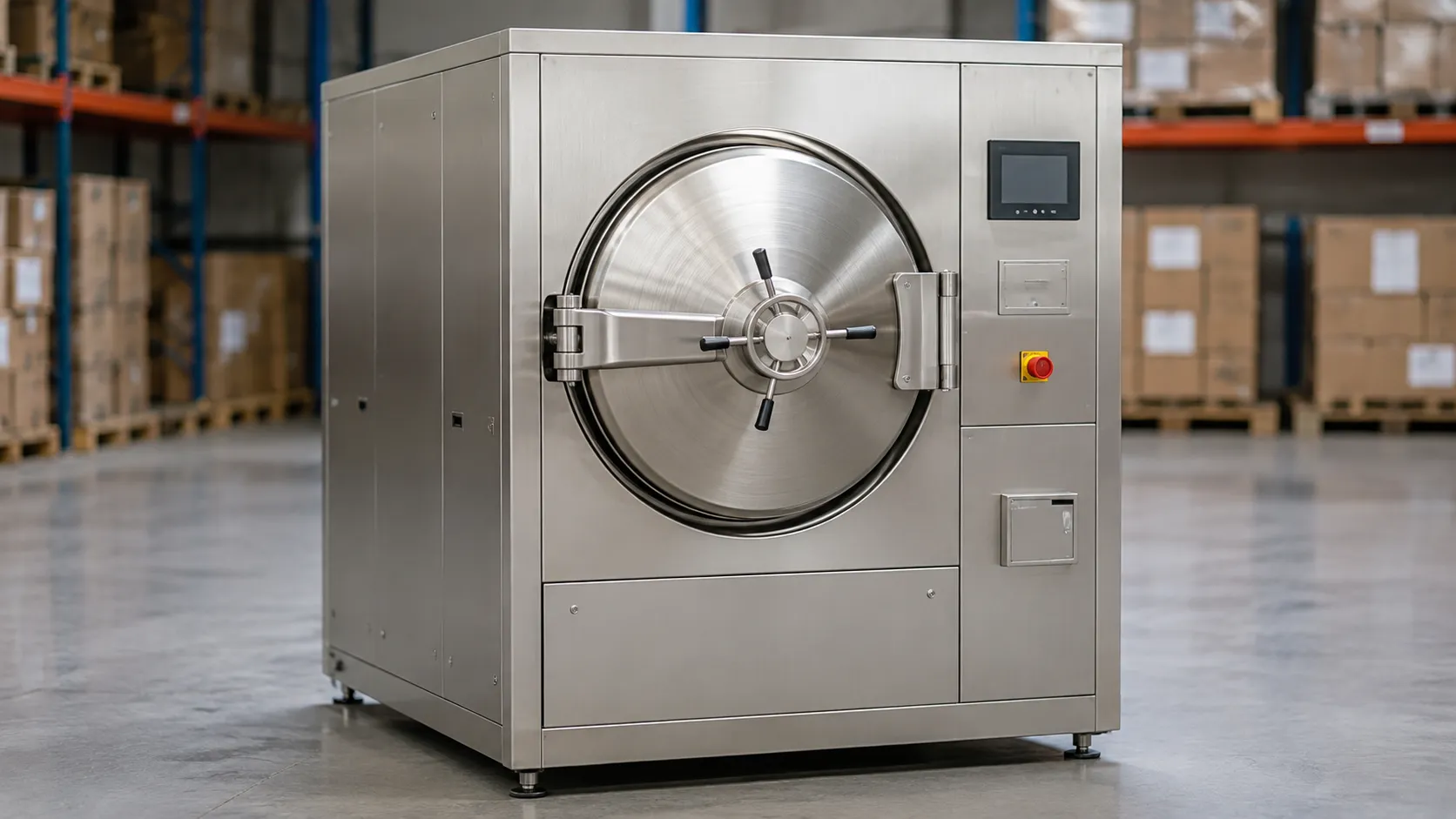
Sterile services — Washers, sterilisers, drying systems and water-treatment equipment can create substantial power and heat demand.
Pharmacy departments — Medicine refrigeration, automation, temperature monitoring and dispensing equipment may require continuous operation.
Ward equipment — beds, monitors, charging stations, and shared mobile equipment — can create significant combined standby demand.
Outpatient departments — Equipment utilisation may be concentrated during operating hours, allowing controlled shutdown outside scheduled sessions.
Mobile equipment fleets — Charging arrangements should avoid unnecessary continuous charging while preserving clinical readiness.
Experienced facilities managers typically examine room-level and department-level consumption rather than assessing each device in isolation.
Specify Energy and Infrastructure Requirements
Procurement specifications should convert energy goals into measurable technical requirements.
Operating consumption — Request typical power demand under defined workload conditions.
Standby consumption — Identify energy use when equipment is ready but not actively performing its main function.
Energy-management functions — Review automatic standby, scheduled shutdown, screen control and configurable power modes.
Startup and recovery time — Confirm how energy-saving modes affect clinical readiness and return to operation.
Heat output — Record the heat released into the room during normal and peak operation.
Cooling requirements — Identify integrated cooling, chilled water, ventilation or room air-conditioning requirements.
Power quality — Review voltage stability, frequency, harmonics and surge conditions stated by the manufacturer.
Battery efficiency — Assess battery runtime, charging losses, replacement intervals and monitoring functions.
Network dependence — Connected energy controls may require approved software, user permissions and data access.
Metering compatibility — Confirm whether the equipment or electrical distribution can provide usable consumption information.
Technical documentation — Request power, heat, utility, operating-mode and environmental data for the exact model.
Acceptance criteria — Define power-mode, startup, shutdown, heat and functional checks before operational release.
One aspect that surprises first-time buyers is that a lower-power device may create higher overall demand when it takes longer to complete the same workload.
Hospitals should compare energy use against clinical throughput, operating time and supporting infrastructure.
Compare Suppliers and Lifecycle Proposals
Supplier evaluation should cover energy performance alongside clinical capability, service support and acquisition cost.
Supplier capability — Assess whether the supplier can explain operating modes, power demand, heat output and maintenance requirements.
Quotation structure — Require separate details for equipment, accessories, software, utilities, monitoring and installation services.
Accuracy of efficiency claims — Medical equipment companies advertising energy-efficient solutions to healthcare buyers should ensure that consumption and operating claims align with their formal technical documentation.
Exact configuration — Record the manufacturer, model, software, accessories and supporting components included in the assessment.
Energy evidence — Request technical data, test conditions or documented assumptions supporting supplier claims.
Complete lifecycle cost — Consider energy, batteries, filters, cooling, maintenance, licences and replacement components.
Infrastructure exclusions — Clarify responsibility for power circuits, ventilation, cooling, drainage and room modifications.
Operating-mode controls — Confirm which energy-saving settings are included and whether users can configure them.
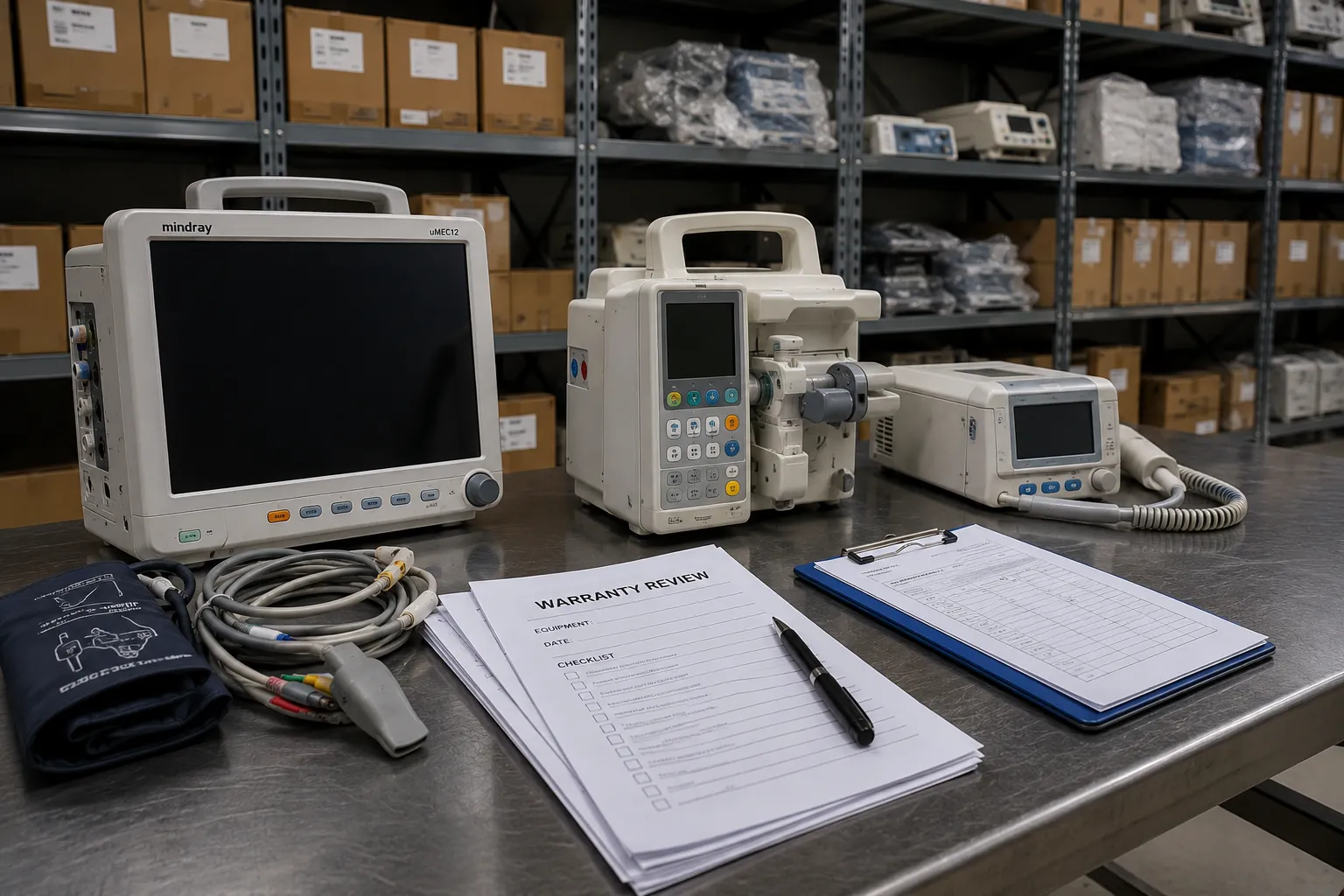
Warranty implications — Review whether operating schedules, shutdown practices or power settings affect warranty support.
Maintenance requirements — Identify components whose condition can affect consumption or heat generation.
Training commitment — Require practical instruction on startup, standby, shutdown and energy-management functions.
Support period — Confirm continued availability of software, batteries, parts and technical assistance.
Healthcare organisations developing energy-conscious equipment programmes may benefit from structured international partnerships for sourcing healthcare equipment.
Each proposal should still identify exact equipment, consumption assumptions, supporting utilities and lifecycle responsibilities.
Implement Efficient Operating and Maintenance Controls
Energy performance depends on installation, configuration, staff behaviour and technical condition after purchase.
Delivery verification — Confirm that the delivered model and configuration match the energy documentation assessed.
Infrastructure checks — Verify power, ventilation, cooling and environmental conditions before installation.
System configuration — Set approved standby, display, sleep, and automatic shutdown functions where operationally suitable.
Operating schedules — Align startup and shutdown with clinical demand without reducing emergency readiness.
Charging controls — Establish suitable charging locations and routines for mobile equipment and battery fleets.
Staff training — Explain approved operating modes, shutdown procedures and responsibility for shared equipment.
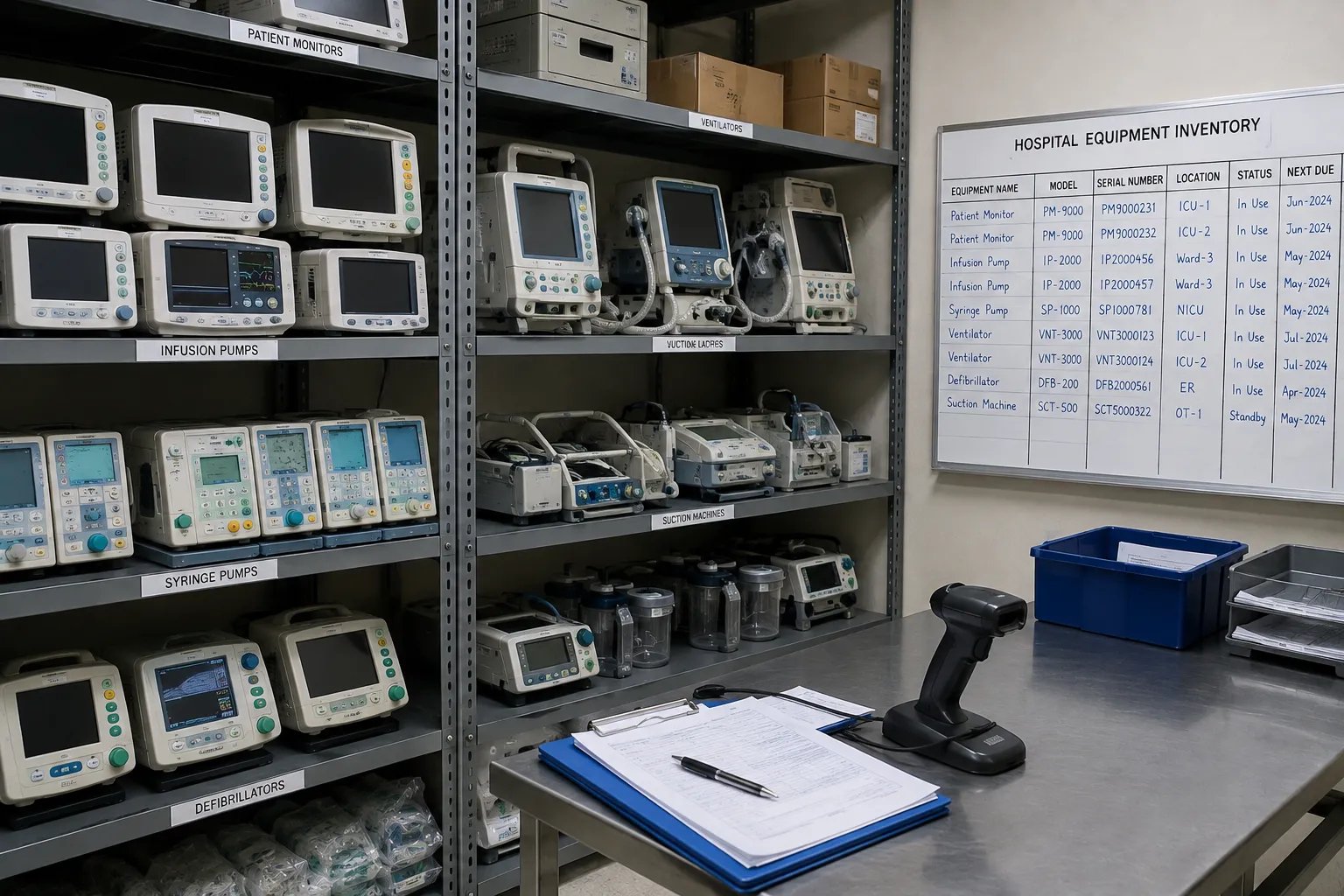
Asset registration — Record energy-related specifications, location, operating schedule and maintenance requirements.
Preventive maintenance — Inspect ventilation, batteries, cooling components, filters and other parts that affect performance.
Software management — Review whether updates alter operating modes, processing time or energy demand.
Fault investigation — Assess unexpected heat, fan activity, charging problems or increased power consumption.
Utilisation review — Relocate, consolidate or retire underused devices where this can be done without affecting service capacity.
Decommissioning control — Remove unused equipment from power and network connections before storage, transfer or disposal.
Efficient equipment should not be expected to deliver savings when unsuitable settings or poor maintenance remain uncorrected.
Monitor Consumption and Approve Improvements
Hospitals should use operational evidence to assess whether planned efficiency improvements are being achieved.
Department consumption — Compare energy demand across rooms, equipment categories and operating periods.
Equipment utilisation — Review whether power consumption reflects actual clinical use and workload.
Standby performance — Identify devices that remain fully active for extended periods without operational need.
Heat and cooling demand — Monitor whether equipment affects room temperature, ventilation or air-conditioning requirements.
Battery condition — Track charging frequency, declining runtime and early battery replacement.
Maintenance trends — Compare technical faults and component condition with changes in energy use.
Supplier performance — Review whether the provided data, training, and technical support align with the equipment's actual behaviour.
Change control — Reassess energy impact before adding equipment, extending hours or changing software configurations.
Replacement planning — Consider utilisation, condition, energy demand, support status and clinical capacity together.
Performance reporting — Provide clear information to procurement, facilities, and clinical teams to inform future equipment decisions.
Healthcare organisations seeking energy-efficient medical equipment, quotations,s or international sourcing assistance can contact the Medigear.uk team for support. Enquiries should include the equipment category, quantities, expected operating hours, utility requirements and destination.
The energy-efficiency plan should remain active as clinical demand, equipment condition, operating patterns and hospital infrastructure change.
Final thoughts
The energy efficiency of medical equipment should be assessed before purchase and monitored throughout the equipment lifecycle.
Healthcare teams should compare operating demand, standby consumption, throughput, heat output, battery performance and supporting utilities. Supplier claims should relate to the exact configuration and realistic hospital workload.
Energy-saving functions should be implemented only when they support clinical readiness and approved workflows.
A structured approach helps hospitals make informed procurement decisions, control electrical demand and improve long-term equipment management.
Disclaimer
Medigear.uk is a global medical equipment supplier, exporter, and distributor. The content published on this site is intended for educational and product awareness purposes only. Nothing on this page constitutes medical advice, clinical guidance, or treatment recommendations. All healthcare procurement and clinical decisions should be made by qualified medical professionals and compliant procurement teams operating within the regulatory frameworks of their respective countries.