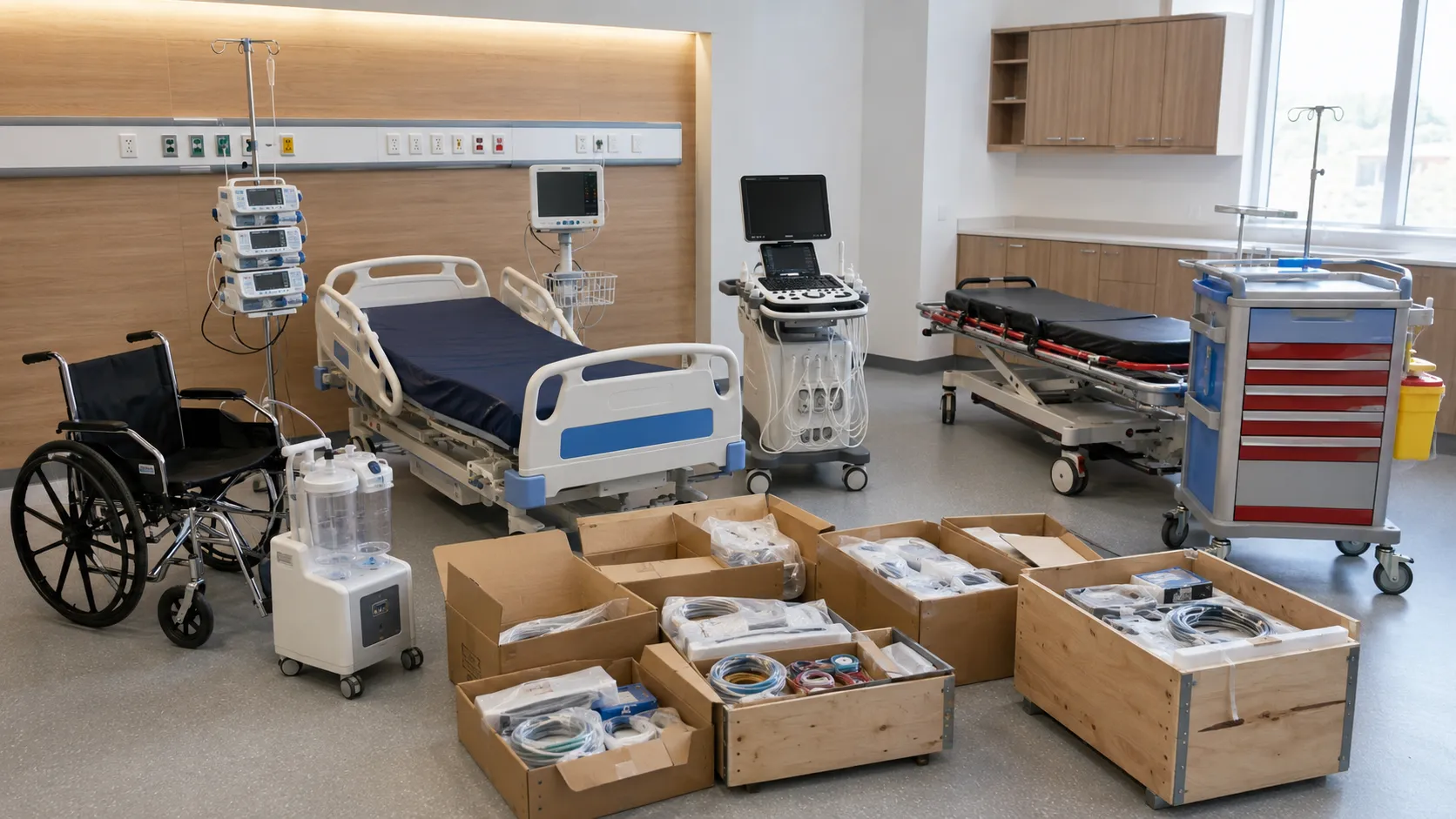
Medical equipment packages help new hospital projects organise related devices, accessories, software and services into controlled procurement groups. Without coordinated packages, departments may receive incomplete configurations, inconsistent models or equipment that does not match rooms, utilities and opening schedules.
For healthcare buyers planning new hospital equipment projects, package development should begin before supplier quotations are requested. Clinical services, room functions, patient capacity, equipment quantities and infrastructure requirements should be defined together.
Clinical leaders, biomedical engineers, healthcare planners, architects, facilities managers, procurement teams and finance representatives may hold different parts of the project information. Their requirements should be combined into a single controlled equipment schedule.
A structured package approach improves specification consistency, budget visibility, supplier coordination and phased hospital implementation.
Define Hospital Services and Package Boundaries
The first stage is to identify what the hospital will provide and how the equipment requirements will be grouped.
Clinical service scope — Record the departments, specialities, procedures, diagnostics and support services included in the project.
Hospital capacity — Confirm planned beds, operating theatres, consultation rooms, laboratories, imaging rooms and treatment areas.
Room functions — Define the expected activities in each room before assigning equipment.
Package structure — Decide whether packages will be organised by department, room type, clinical function or project phase.
Operational opening plan — Record which services will open first and which departments will become operational later.
Equipment ownership — Determine whether equipment will belong to a single department or remain available for shared use.
Package exclusions — State whether furniture, consumables, information systems, building services or specialist installations are managed separately.
Responsibility matrix — Assign clinical, technical, procurement and project owners for every package.
In practice, healthcare project teams often find that package gaps begin when equipment lists and room plans are developed independently.
Each package should have a clear title, scope, owner and approval route.
Build Packages Around Department Requirements
Equipment content should reflect the clinical workflow and workload of each department.
Emergency department package — This may include patient monitoring, examination equipment, resuscitation devices, transport equipment and emergency-support accessories.
Critical care package — Requirements may include monitoring, ventilation, infusion, beds, suction and backup capacity based on bed numbers and patient acuity.
When comparing verified international medical equipment suppliers, project teams should confirm that proposed products and support services match the department package, configuration and destination.
Operating theatre package — Equipment may include operating tables, lights, anaesthesia systems, electrosurgical units, suction and patient positioning accessories.
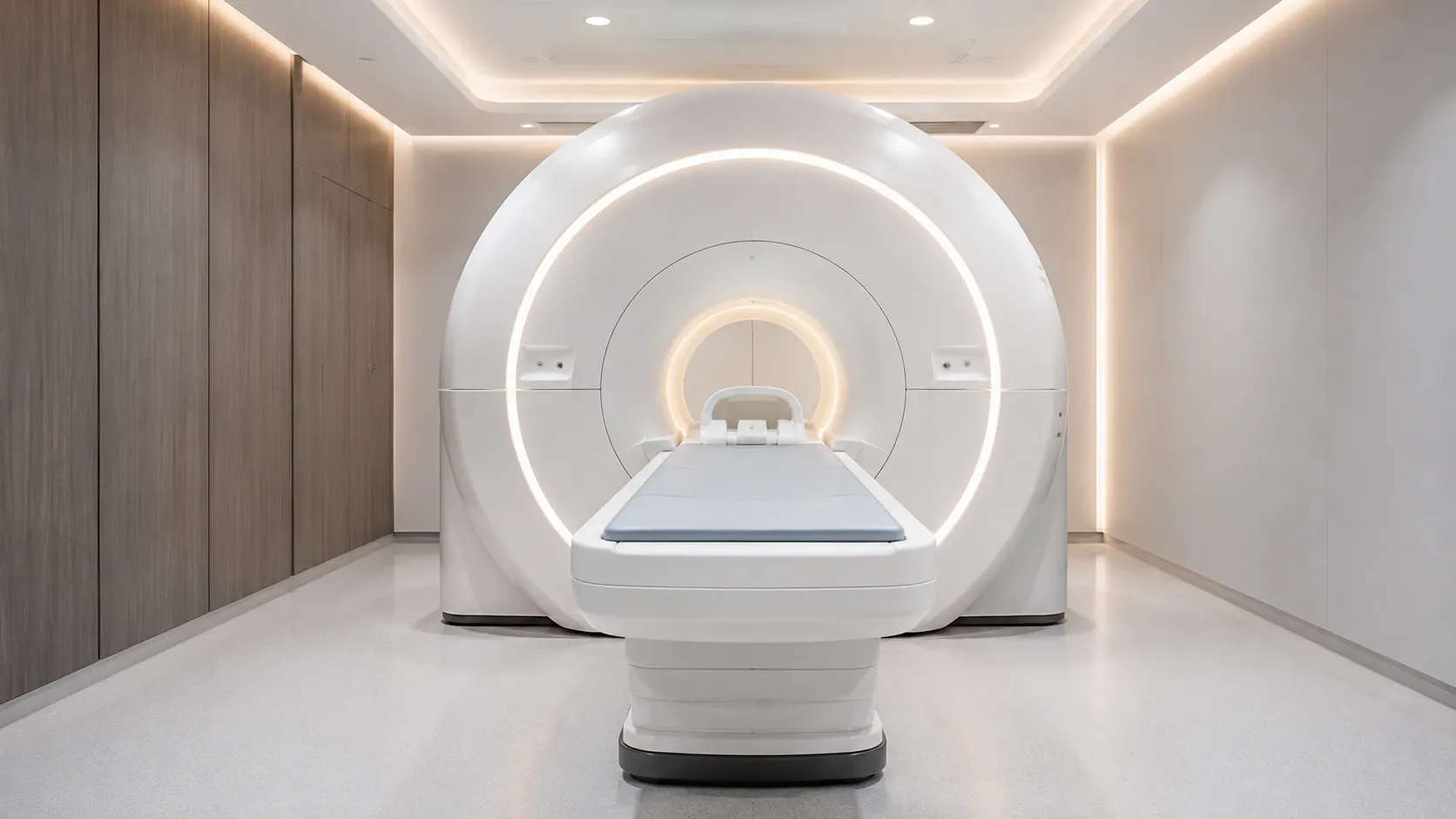
Diagnostic imaging package — Fixed and mobile imaging systems should be coordinated with room design, shielding, electrical capacity, cooling and digital integration.
Laboratory package — Analysers, refrigeration, centrifugation, sample processing, calibration and supporting equipment should reflect test volumes and disciplines.
Outpatient package — Examination couches, diagnostic devices, vital-signs equipment and speciality systems should match clinic numbers and patient flow.
Maternity and neonatal package — Requirements may involve delivery equipment, monitoring, warming systems, neonatal support and department-specific accessories.
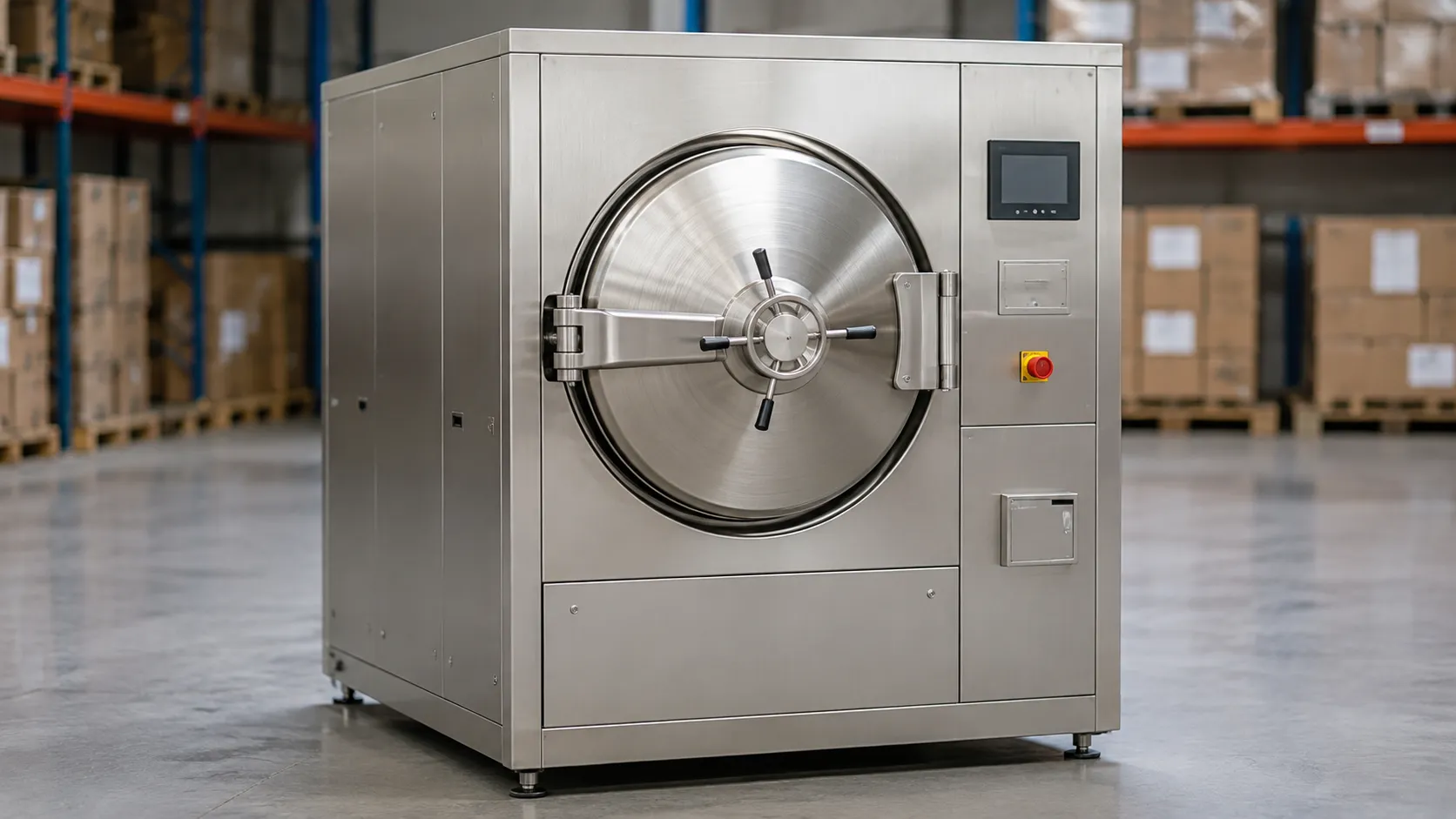
Sterilisation package — Autoclaves, washer-disinfectors, sealing equipment, storage and monitoring products should align with expected instrument volumes.
Hospital furniture package — Beds, mattresses, bedside units, trolleys, cabinets and examination furniture may be organised by room and department.
Experienced healthcare planners typically maintain department-based packages while identifying equipment that can be shared across compatible areas.
Specify Complete Equipment Configurations
A package should describe everything required to make the equipment operational rather than listing only the main units.
Main equipment — Record the approved equipment type, quantity and required clinical performance.
Technical specification — Define mandatory capacity, accuracy, mobility, battery, alarm and connectivity requirements.
Accessories — Include probes, sensors, cables, modules, trolleys, stands and reusable components.
Software and licences — Identify operating software, interfaces, subscriptions, reporting functions and user licences.
Starter consumables — List the initial supply required for commissioning, training and early operation.
Replacement consumables — Record recurring products, estimated usage, shelf life and approved ordering references.
Power and utility requirements — Document electrical supply, water, drainage, medical gases, compressed air and ventilation needs.
Network requirements — Include interfaces, data storage, cybersecurity controls and connectivity responsibilities.
Cleaning requirements — Confirm material compatibility, the use of reusable accessories, and the manufacturer's cleaning instructions.
Maintenance requirements — Record service intervals, calibration, test tools, spare parts and engineer support.
Documentation package — Include user manuals, technical records, applicable compliance documents and warranty terms.
Training package — Define clinical, technical and refresher training requirements.
One aspect that surprises first-time buyers is that equipment may appear complete in a quotation while essential accessories, software or licences remain excluded.
Each line item should describe the complete usable configuration and any optional components separately.
Compare Suppliers and Commercial Package Terms
Supplier proposals should be presented in a consistent format so that complete packages can be compared accurately.
Package quotation structure — Require suppliers to separate equipment, accessories, software, services and optional items.
Supplier capability — Review experience with department packages, hospital projects and phased international delivery.
Accuracy of package claims — Medical equipment companies advertising hospital solutions to healthcare buyers should ensure that package descriptions match their formal quotations and technical schedules.
Model consistency — Confirm that all proposed units use the approved manufacturer, model, software and accessory configuration.
Quantity availability — Check whether the supplier can provide the required quantities within the project programme.
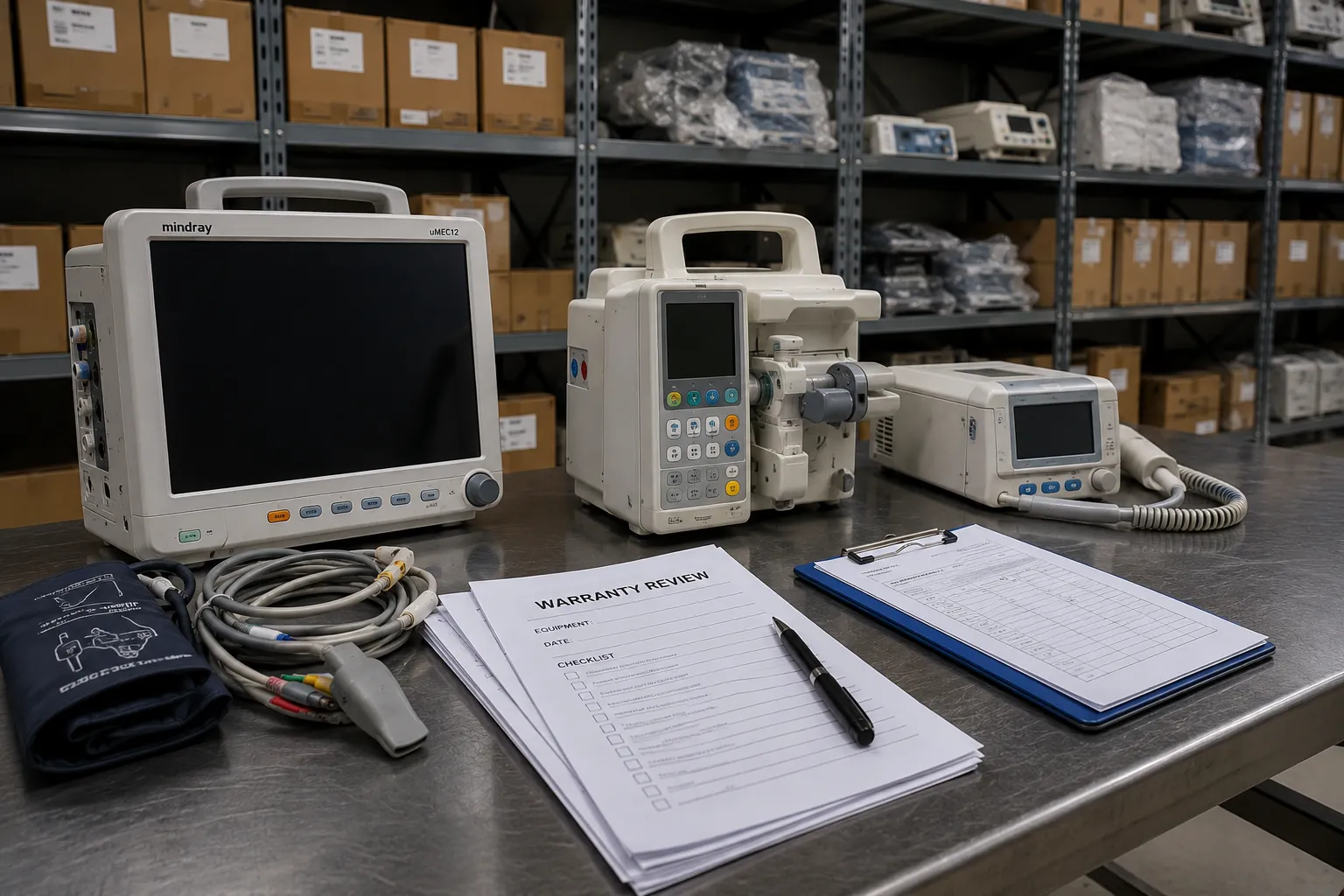
Warranty coverage — Compare activation dates, parts, labour, engineer travel, freight and exclusions.
Installation scope — Confirm responsibility for assembly, configuration, testing, calibration and final positioning.
Training commitment — Record session numbers, participant limits, trainer qualifications and supporting materials.
Spare-parts support — Request critical component information, expected lead times and support periods.
Payment milestones — Link payments to measurable stages such as shipment, delivery, installation and acceptance.
Commercial exclusions — Identify freight, customs, storage, construction, utility work or other costs not included.
Healthcare organisations coordinating several departments may benefit from structured international hospital equipment project partnerships.
Every package should still define its own models, quantities, delivery phase and support responsibilities.
Coordinate Infrastructure, Delivery and Implementation
Hospital equipment packages should remain connected to construction, room readiness and operational-opening plans.
Room data sheets — Match each piece of equipment to the room dimensions, layout, and clinical function.
Access planning — Review loading areas, doors, corridors, lifts and movement routes for large equipment.
Utility coordination — Confirm that electrical, water, drainage, gas, ventilation and network services are available.
Storage readiness — Identify secure areas for equipment arriving before installation or clinical opening.
Delivery sequence — Schedule shipments according to construction completion, inspection capacity and installation resources.
Installation programme — Coordinate supplier engineers, facilities teams, biomedical staff and department access.
Commissioning plan — Define functional tests, safety checks, calibration and acceptance requirements.
Training schedule — Align training with staff recruitment, equipment commissioning and department opening.
Asset registration — Record manufacturer, model, serial number, location, warranty and maintenance information.
Cleaning and handover — Confirm preparation, cleaning status and department acceptance before operational release.
Temporary protection — Equipment installed before opening should remain protected from dust, moisture, damage and unauthorised use.
Project dependencies — Track actions that could delay delivery, installation, testing or training.
Equipment should not be delivered merely because it is available; the receiving environment must be ready to inspect, protect and implement it.
Approve Packages and Monitor Project Changes
Package schedules should remain under control as designs, quantities, budgets, and timelines change.
Package register — Record the title, department, equipment lines, owner, budget and current approval status.
Specification approval — Retain clinical and technical approval for the final requirements.
Quantity approval — Confirm that quantities reflect beds, rooms, workloads, sharing arrangements and backup needs.
Budget approval — Include equipment, accessories, delivery, installation, training and initial support.
Change control — Require formal approval for changes to model, quantity, configuration, location, or delivery.
Supplier substitution — Alternative models should receive complete clinical, technical and commercial review.
Construction updates — Reassess packages when room layouts, utilities or opening dates change.
Delivery tracking — Monitor ordered, manufactured, shipped, received, installed and commissioned quantities.
Package reconciliation — Compare delivered equipment, accessories and documentation with the approved schedule.
Outstanding-actions log — Assign responsibility and completion dates for missing items or unresolved defects.
Final package closure — Complete commissioning, training, asset registration, documentation and department handover.
Healthcare teams seeking equipment package development, supplier quotations, or international project support can contact the Medigear.uk team for assistance with hospital equipment. Enquiries should include the hospital capacity, departments, room numbers, required equipment categories and destination.
Equipment packages should remain active project controls until all items and support requirements are completed.
Final thoughts
Medical equipment packages help new hospital projects coordinate devices, accessories, software, installation, and support through a single structured process.
Packages should be based on clinical services, department workloads, room functions and realistic implementation phases. Complete configurations should include the components and services required for operational use.
Supplier proposals should use consistent package structures so that technical scope, quantities and commercial exclusions can be compared accurately.
A controlled package plan reduces missing items, improves budget visibility and supports coordinated hospital commissioning and opening.
Disclaimer
Medigear.uk is a global medical equipment supplier, exporter, and distributor. The content published on this site is intended for educational and product awareness purposes only. Nothing on this page constitutes medical advice, clinical guidance, or treatment recommendations. All healthcare procurement and clinical decisions should be made by qualified medical professionals and compliant procurement teams operating within the regulatory frameworks of their respective countries.