Asia is one of the world's largest and fastest-growing healthcare markets, creating significant opportunities for medical equipment manufacturers, suppliers, distributors, and healthcare providers. However, moving medical equipment efficiently across diverse countries, healthcare systems, and regulatory environments presents a unique set of challenges.
From transportation delays and infrastructure limitations to regulatory requirements and inventory management, distribution networks play a critical role in ensuring that healthcare facilities receive the equipment they need. Understanding these challenges can help healthcare organisations develop stronger procurement strategies while improving supply chain resilience.
The Complexity of Asia's Healthcare Landscape
Asia consists of a diverse mix of developed and emerging healthcare markets, each with its own infrastructure, regulations, and procurement practices.
Geographical Diversity – Distribution networks often span large distances, including islands, remote regions, and densely populated urban centres.
Varying Healthcare Infrastructure – Equipment requirements and distribution capabilities differ significantly between markets.
Different Procurement Processes – Healthcare buyers may follow distinct purchasing procedures depending on local market conditions.
These differences create additional planning requirements for distributors and suppliers.
Logistics and Transportation Challenges
Transporting medical equipment across Asia requires careful coordination.
Common challenges include:
-
Long transportation routes.
-
Port congestion.
-
Cross-border shipping complexities.
-
Remote delivery locations.
-
Variable transportation infrastructure.
Managing Delivery Timelines – Delays can affect equipment availability and project schedules.
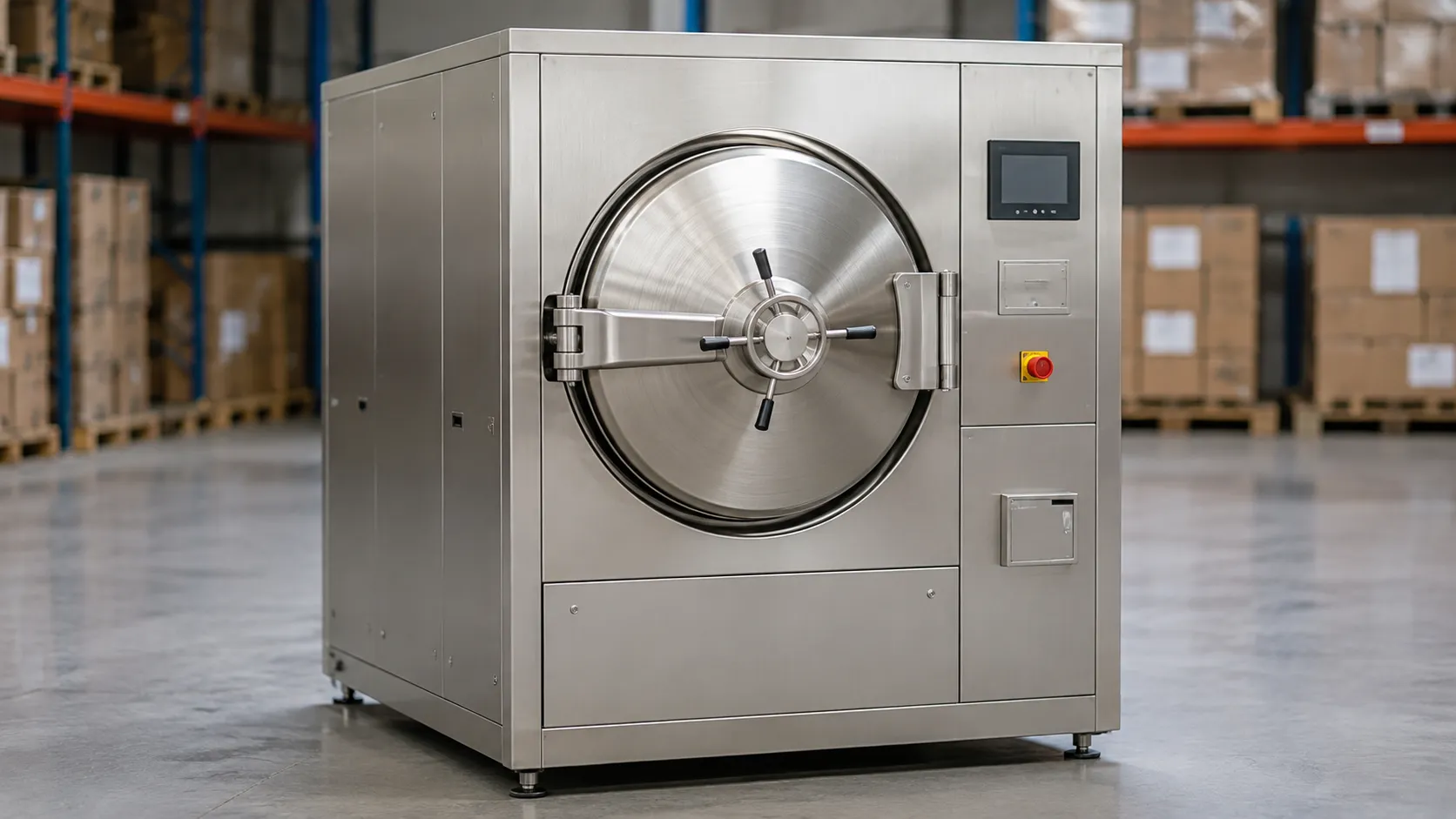
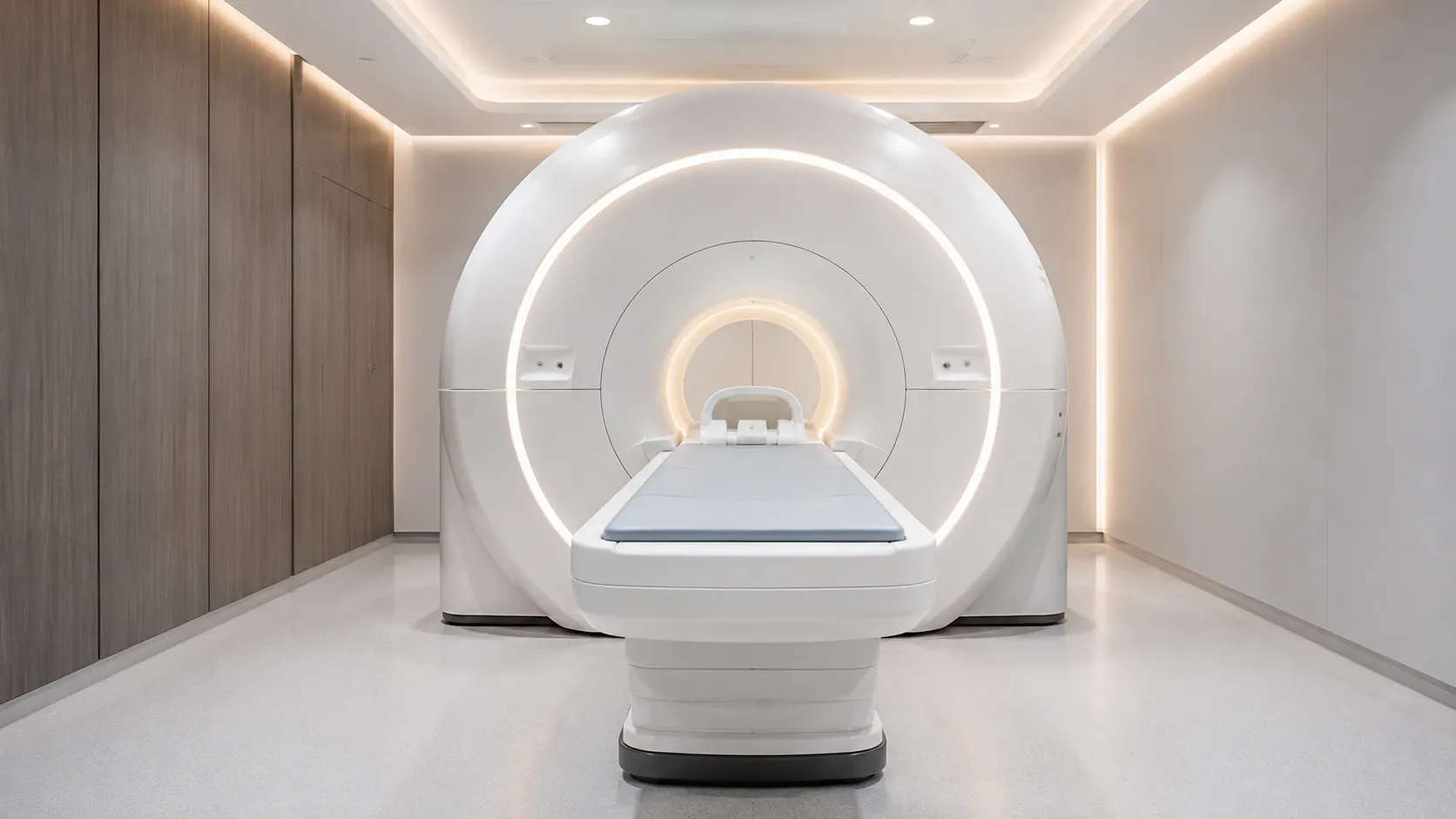
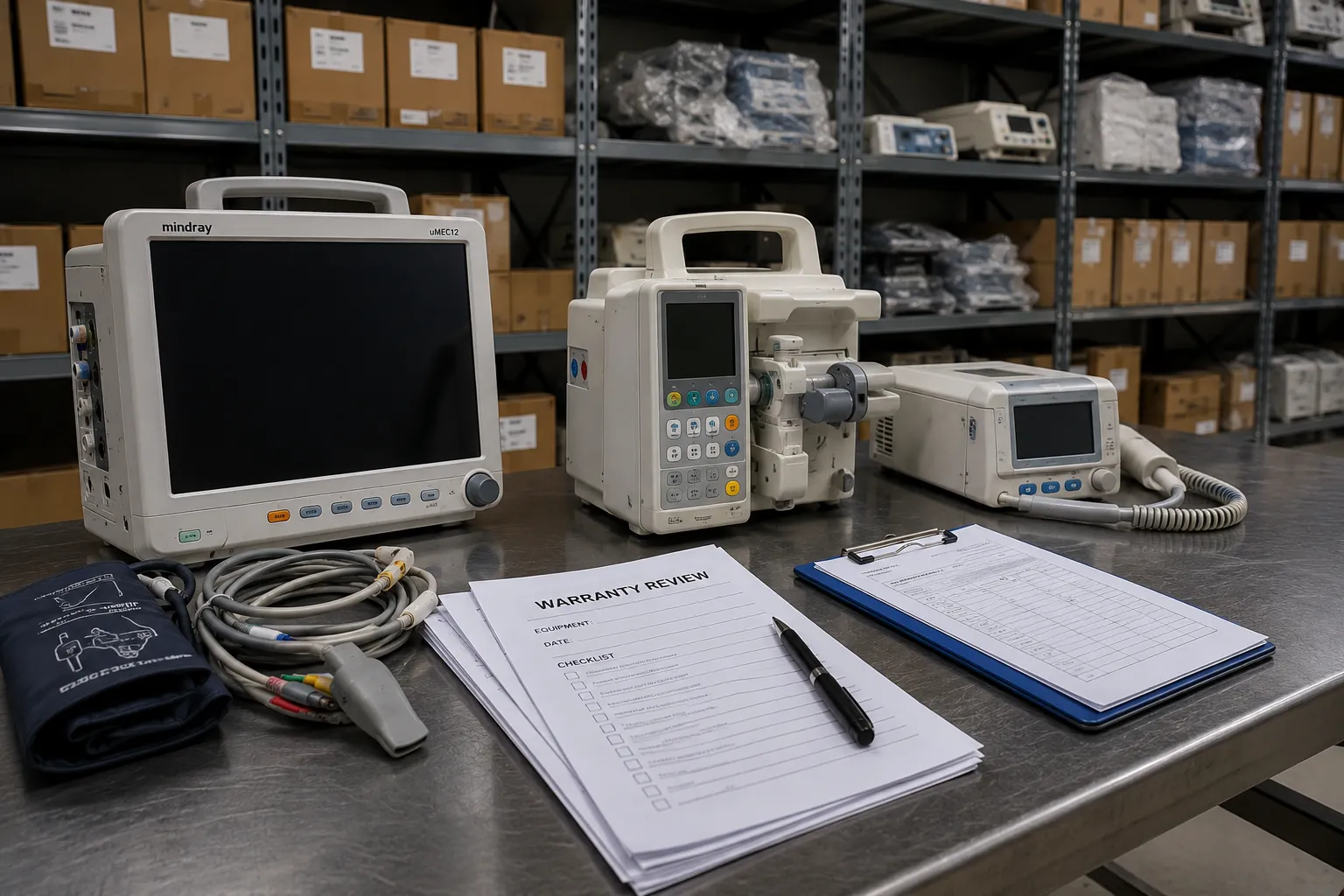
Protecting Sensitive Equipment – Diagnostic imaging systems, laboratory analysers, and monitoring devices often require specialised handling.
Effective logistics planning remains essential for successful distribution operations.
Regulatory Differences Across Markets
Medical equipment distribution often involves navigating multiple regulatory environments.
Challenges may include:
Product Registration Requirements – Different markets may require specific documentation.
Import Procedures – Customs processes can vary between countries.
Compliance Standards – Equipment may need to meet different technical requirements.
Documentation Management – Accurate records enable smoother distribution.
Regulatory understanding is an important component of successful market access strategies.
Supply Chain Disruptions Continue to Impact Distribution
Global and regional supply chain disruptions can affect equipment movement throughout Asia.
Common issues include:
Component Shortages – May influence equipment availability.
Transportation Delays – Can extend delivery timelines.
Inventory Fluctuations – Affect procurement planning.
Unexpected Demand Surges – Create additional supply pressures.
Healthcare organisations exploring equipment sourcing opportunities can discover solutions through: buyer services
Inventory Management Challenges
Maintaining appropriate inventory levels is a balancing act for distributors.
Avoiding Overstocking – Excess inventory can increase storage costs.
Preventing Shortages – Insufficient stock may delay customer deliveries.
Managing Spare Parts Availability – Replacement components support long-term equipment operation.
Forecasting Demand – Accurate planning helps improve inventory efficiency.
Strong inventory management systems contribute to operational stability.
Infrastructure Limitations in Certain Regions
While major cities often have advanced logistics networks, some regions continue to face infrastructure constraints.
Challenges may include:
-
Limited warehousing capacity.
-
Transportation bottlenecks.
-
Restricted access to remote locations.
-
Limited cold-chain capabilities were required.
These factors can influence distribution strategies and equipment deployment planning.
Technical Support and After-Sales Service
Distribution does not end when equipment reaches its destination.
Healthcare buyers often expect:
Installation Support – Assisting with equipment deployment.
Maintenance Services – Supporting long-term reliability.
Spare Parts Availability – Reducing downtime.
User Training Assistance – Supporting operational readiness.
Providing these services across multiple countries can be challenging for distributors.
Healthcare suppliers interested in expanding their regional presence can explore: business suppliers
Rising Demand for Advanced Medical Equipment
Healthcare modernisation is increasing the demand for sophisticated technologies throughout Asia.
Growing categories include:
-
Diagnostic imaging systems.
-
Laboratory automation equipment.
-
Patient monitoring technologies.
-
Critical care equipment.
-
Digital healthcare solutions.
Advanced equipment often requires specialised transportation, installation, and technical support capabilities.
Digital Transformation Is Reshaping Distribution
Technology is helping distributors address many traditional challenges.
Emerging solutions include:
Real-Time Shipment Tracking – Improving visibility.
Digital Inventory Management – Supporting stock control.
Cloud-Based Supply Chain Systems – Enhancing coordination.
Data Analytics Tools – Improving demand forecasting.
Automated Warehousing Technologies – Increasing operational efficiency.
Digital transformation is becoming a major competitive advantage within healthcare distribution networks.
Sustainability Considerations
Environmental responsibility is becoming increasingly important across healthcare supply chains.
Current priorities include:
Optimised Transportation Routes – Reducing fuel consumption.
Efficient Warehousing Practices – Improving resource utilisation.
Sustainable Packaging Solutions – Supporting environmental goals.
Longer Equipment Lifecycles – Maximising asset value.
Sustainability initiatives often improve both operational efficiency and environmental performance.
Healthcare organisations interested in strategic collaborations can explore: business partners.
Opportunities Despite the Challenges
Although distribution challenges remain, Asia continues to offer significant opportunities for healthcare suppliers and distributors.
Key growth drivers include:
Healthcare Infrastructure Investments – Supporting equipment demand.
Expanding Diagnostic Services – Creating procurement opportunities.
Home Healthcare Growth – Increasing demand for portable technologies.
Digital Health Adoption – Driving equipment modernisation.
Regional Economic Development – Supporting healthcare expansion.
Organisations that invest in resilient supply chains and strong distribution networks are well-positioned to benefit from long-term market growth.
Businesses looking to increase visibility within the healthcare sector can discover opportunities through business advertise
For sourcing support, procurement guidance, and equipment enquiries, assistance is available through: contact Team
Conclusion
Medical equipment distribution in Asia presents both challenges and opportunities. Complex logistics, regulatory requirements, infrastructure limitations, inventory management, and after-sales support all play important roles in successful distribution operations.
As healthcare demand continues to grow across the region, distributors and healthcare organisations that prioritise supply chain resilience, digital transformation, and strategic planning will be better equipped to meet evolving market needs while supporting healthcare development throughout Asia.
Disclaimer
Medigear.uk is a medical equipment supplier and distributor. We do not provide medical advice, diagnosis, or treatment recommendations. All information is for educational and product awareness purposes only. Qualified medical professionals should always make healthcare decisions.