Healthcare technology is advancing at an unprecedented pace. The next decade is expected to bring major changes to how healthcare equipment is designed, deployed, maintained, and integrated into clinical environments. Emerging technologies, changing patient expectations, workforce challenges, and increasing demand for operational efficiency are all influencing the future of healthcare equipment.
Healthcare providers worldwide are investing in smarter, more connected, and more efficient technologies that support better patient outcomes while improving operational performance.
For healthcare facility procurement decision-makers, understanding future trends is essential for making informed investment decisions and developing long-term healthcare technology strategies.
Healthcare organisations increasingly rely on buyer services to evaluate emerging technologies and identify equipment investments that align with future healthcare objectives.
Artificial Intelligence Will Become Standard Across Healthcare Equipment
Artificial intelligence is expected to become one of the most influential technologies shaping healthcare equipment over the next decade.
Enhanced Clinical Decision Support- AI-powered systems will increasingly assist healthcare professionals with diagnostics, treatment planning, and patient monitoring.
Predictive Analytics- Healthcare organisations will use AI to predict patient needs, optimise workflows, and improve operational planning.
Automated Processes- Routine administrative and operational tasks will become increasingly automated, reducing workloads and improving efficiency.
Equipment Optimisation- AI-driven platforms will support predictive maintenance, utilisation monitoring, and asset management.
Healthcare facilities that source technologies through business suppliers are increasingly prioritising artificial intelligence capabilities when evaluating future healthcare investments.
Connected Medical Devices Will Define Modern Healthcare
Connectivity will continue transforming healthcare technology ecosystems.
Internet of Medical Things (IoMT)- Medical devices will become increasingly interconnected, enabling continuous communication between equipment, healthcare systems, and clinical teams.
Real-Time Data Availability- Healthcare professionals will gain immediate access to clinical and operational information.
Remote Equipment Management- Connected systems will support monitoring, diagnostics, maintenance, and performance optimisation from remote locations.
Improved Care Coordination- Enhanced data sharing will help improve collaboration across healthcare departments and facilities.
Connected healthcare ecosystems are expected to become standard components of modern healthcare infrastructure.
Smart Hospitals Will Continue Expanding
Healthcare facilities are moving toward highly integrated and intelligent operational environments.
Integrated Healthcare Systems- Medical devices, facility management platforms, patient information systems, and analytics tools will work together more seamlessly.
Automation Technologies- Automation will improve inventory management, resource allocation, scheduling, and operational workflows.
Operational Visibility- Healthcare leaders will have access to real-time information to support faster, more effective decision-making.
Patient-Centred Experiences- Smart technologies will help improve communication, efficiency, and overall patient satisfaction.
Smart hospitals are expected to become increasingly common as healthcare infrastructure modernises worldwide.
Advanced Diagnostic Technologies Will Accelerate
Diagnostic innovation will remain a major area of healthcare investment.
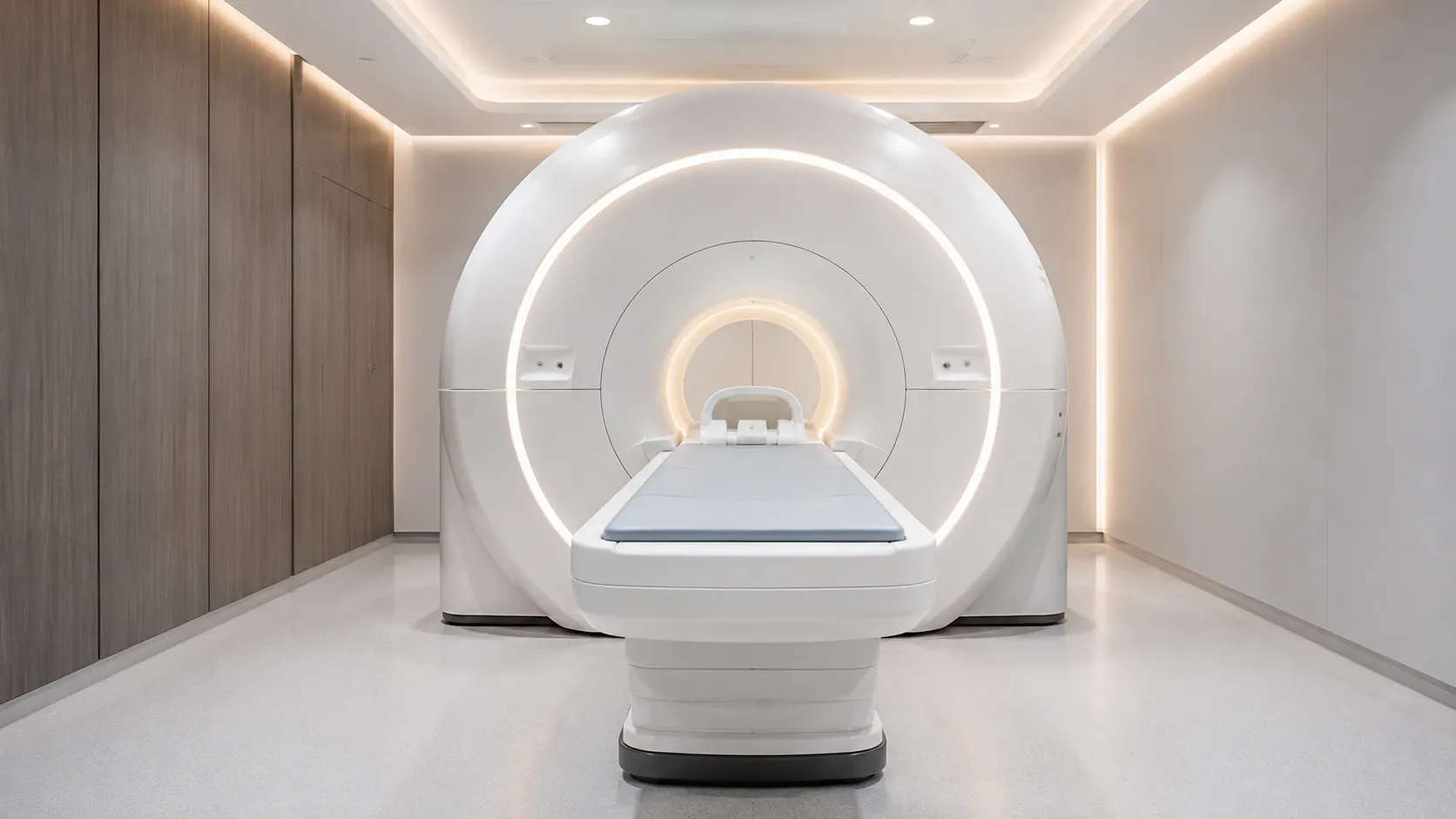
Improved Imaging Systems- Future imaging technologies are expected to provide faster, more accurate, and more detailed diagnostic information.
AI-Assisted Diagnostics: Artificial intelligence will continue to improve image analysis and clinical assessment capabilities.
Point-of-Care Testing- Portable diagnostic technologies will increase access to healthcare services in diverse environments.
Faster Clinical Decision-Making- Advanced diagnostic equipment will support earlier detection and more efficient treatment planning.
Sustainable Healthcare Equipment Will Become a Procurement Priority
Sustainability is expected to become one of the defining trends in healthcare equipment procurement over the next decade.
Energy-Efficient Technologies- Healthcare facilities will increasingly prioritise equipment that reduces energy consumption while maintaining clinical performance.
Extended Equipment Lifecycles- Manufacturers and healthcare providers will focus on maintenance, refurbishment, upgrades, and lifecycle optimisation to maximise equipment value.
Reduced Environmental Impact: Healthcare organisations will evaluate equipment based on environmental performance, resource efficiency, and waste-reduction initiatives.
Sustainable Procurement Policies- Many healthcare systems are expected to integrate sustainability criteria directly into procurement and supplier evaluation processes.
Sustainability will increasingly influence how healthcare organisations assess both equipment and suppliers.
Robotics and Automation Will Expand Across Healthcare
Robotic and automated systems are expected to become more common throughout healthcare environments.
Advanced Surgical Technologies- Robotic-assisted procedures will continue evolving to improve precision, consistency, and clinical outcomes.
Automated Logistics- Healthcare facilities will increasingly use automation for inventory management, supply distribution, and operational workflows.
Rehabilitation Technologies- Robotic rehabilitation systems will help support patient recovery and therapy programmes.
Laboratory Automation: Diagnostic laboratories will continue to adopt automation to improve throughput, accuracy, and operational efficiency.
Healthcare leaders are closely monitoring robotic technologies as they become more accessible and versatile.
Predictive Maintenance Will Transform Equipment Management
Equipment maintenance strategies are expected to shift from reactive models toward predictive approaches.
Continuous Equipment Monitoring- Connected devices will provide real-time performance data to help identify potential issues early.
Reduced Downtime- Predictive maintenance systems will help healthcare facilities minimise disruptions caused by unexpected equipment failures.
Improved Asset Utilisation- Healthcare organisations will gain greater visibility into equipment performance and usage patterns.
Longer Equipment Lifespans: Proactive maintenance strategies can improve equipment reliability and extend operational life.
Predictive maintenance is expected to become a standard feature of future healthcare technology ecosystems.
Healthcare Procurement Strategies Are Evolving
As technology becomes more sophisticated, procurement approaches are changing as well.
Future-Ready Technology Selection- Healthcare organisations increasingly assess whether equipment can support future upgrades, interoperability requirements, and digital integration needs.
Cybersecurity Considerations- Connected devices require stronger cybersecurity protections to safeguard patient information and operational systems.
Lifecycle Value Focus- Procurement teams are placing greater emphasis on long-term value, maintenance support, and operational performance.
Innovation Evaluation- Healthcare providers increasingly evaluate emerging technologies before making major investment decisions.
Healthcare organisations often review information from business advertisements when assessing new technologies, healthcare innovations, and future procurement opportunities.
Strategic Partnerships Will Drive Healthcare Transformation
Technology adoption is often most successful when healthcare providers work closely with trusted sourcing and technology partners.
Technology Planning Support- Strategic partners help organisations evaluate innovations and align technology investments with healthcare objectives.
Implementation Guidance- Expert support can improve deployment efficiency and technology adoption outcomes.
Training and Education- Healthcare professionals require ongoing training to maximise the benefits of advanced healthcare technologies.
Long-Term Innovation Strategies- Collaboration helps healthcare organisations develop sustainable technology roadmaps and future investment plans.
Healthcare systems preparing for future challenges often benefit from establishing business partners that support procurement planning, access to technology, lifecycle management, and healthcare innovation.
Future Outlook
The next decade is expected to bring significant changes to healthcare technology. Artificial intelligence, connected medical devices, robotics, predictive maintenance, smart hospitals, sustainable healthcare equipment, and advanced diagnostics will continue to reshape healthcare delivery worldwide.
Healthcare providers will increasingly prioritise technologies that improve operational efficiency, support clinical excellence, enhance patient experiences, and deliver long-term value. Digital transformation and interoperability will become central requirements for healthcare technology investments.
Organisations that embrace innovation while maintaining strong procurement strategies will be better positioned to adapt to changing healthcare demands and technological advancements.
Final Thoughts
Healthcare equipment trends shaping the next decade reflect a healthcare industry that is becoming more connected, intelligent, efficient, and patient-focused. Artificial intelligence, IoMT connectivity, robotics, automation, sustainability initiatives, predictive maintenance, and advanced diagnostics are expected to influence nearly every aspect of healthcare technology management.
For healthcare facility procurement decision-makers, staying informed about these trends is critical for developing future-ready healthcare strategies. Successful organisations will balance innovation with operational requirements, cybersecurity considerations, lifecycle value, and long-term sustainability objectives.
Disclaimer
Medigear.uk is a global medical equipment supplier, exporter, and distributor. The content published on this site is intended for educational and informational purposes only. Nothing on this page constitutes medical advice, clinical guidance, treatment recommendations, or procurement advice. All healthcare procurement and clinical decisions should be made by qualified medical professionals and authorised procurement teams operating within the regulatory frameworks of their respective countries.