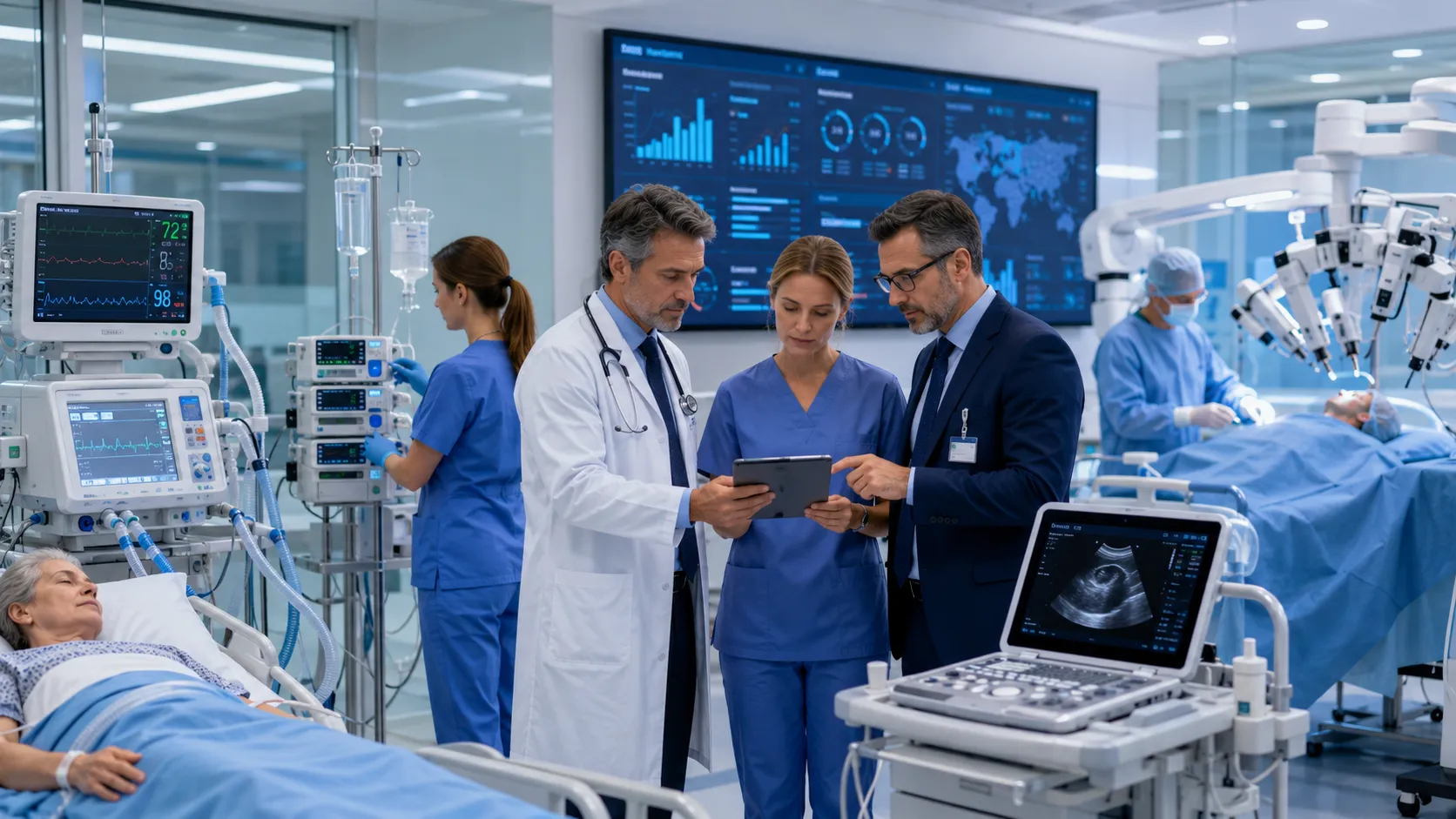
Healthcare systems worldwide are undergoing rapid digital transformation. Smart hospitals are emerging as advanced healthcare environments that combine connected medical devices, digital platforms, automation technologies, artificial intelligence, and data analytics to improve patient care and operational performance.
Unlike traditional healthcare facilities, smart hospitals rely on technology-driven ecosystems where equipment, information systems, and healthcare professionals work together through seamless connectivity and real-time data exchange.
For healthcare facility procurement decision-makers, understanding the role of advanced equipment is essential when planning future investments in healthcare infrastructure and technology.
Healthcare organisations increasingly rely on buyer services to identify technologies that support operational efficiency, patient safety, and long-term digital transformation objectives.
Advanced Equipment Forms the Foundation of Smart Hospitals
Smart hospitals depend on sophisticated medical technologies that generate, process, and share information across multiple healthcare systems.
Connected Medical Devices- Modern healthcare equipment can communicate with other devices and healthcare information systems through secure digital networks.
Real-Time Data Collection- Advanced equipment continuously collects clinical and operational data to support decision-making and patient management.
Integrated Healthcare Workflows- Medical devices increasingly operate as part of larger healthcare ecosystems rather than standalone technologies.
Improved Operational Visibility- Healthcare leaders gain access to information that supports resource planning, equipment management, and clinical coordination.
Healthcare facilities that source technologies through business suppliers often prioritise interoperability and connectivity when evaluating advanced medical equipment.
Smart Patient Monitoring Systems Are Transforming Care
Patient monitoring technologies are among the most important components of smart hospital infrastructure.
Continuous Monitoring- Advanced monitoring systems provide real-time patient information around the clock.
Early Warning Systems- Smart monitoring technologies can identify changes in patient conditions and alert healthcare teams more quickly.
Remote Observation- Healthcare professionals can monitor patients from multiple locations throughout the facility.
Data Integration- Monitoring systems increasingly share information with electronic health records and other clinical platforms.
These capabilities help improve patient safety and support more efficient healthcare delivery.
Artificial Intelligence Is Enhancing Hospital Operations
Artificial intelligence is becoming increasingly integrated into smart hospital environments.
Clinical Decision Support- AI-powered systems help healthcare professionals analyse information and identify potential clinical concerns.
Workflow Optimisation- Artificial intelligence can automate repetitive administrative tasks and improve operational efficiency.
Resource Allocation- Healthcare facilities use AI-driven analytics to optimise staffing, equipment utilisation, and patient flow.
Predictive Maintenance- AI helps identify equipment issues before failures occur, reducing downtime and improving reliability.
Artificial intelligence is expected to become a core component of future smart hospital infrastructure.
Advanced Diagnostic Equipment Supports Faster Decision-Making
Diagnostic technologies play a critical role in smart healthcare environments.
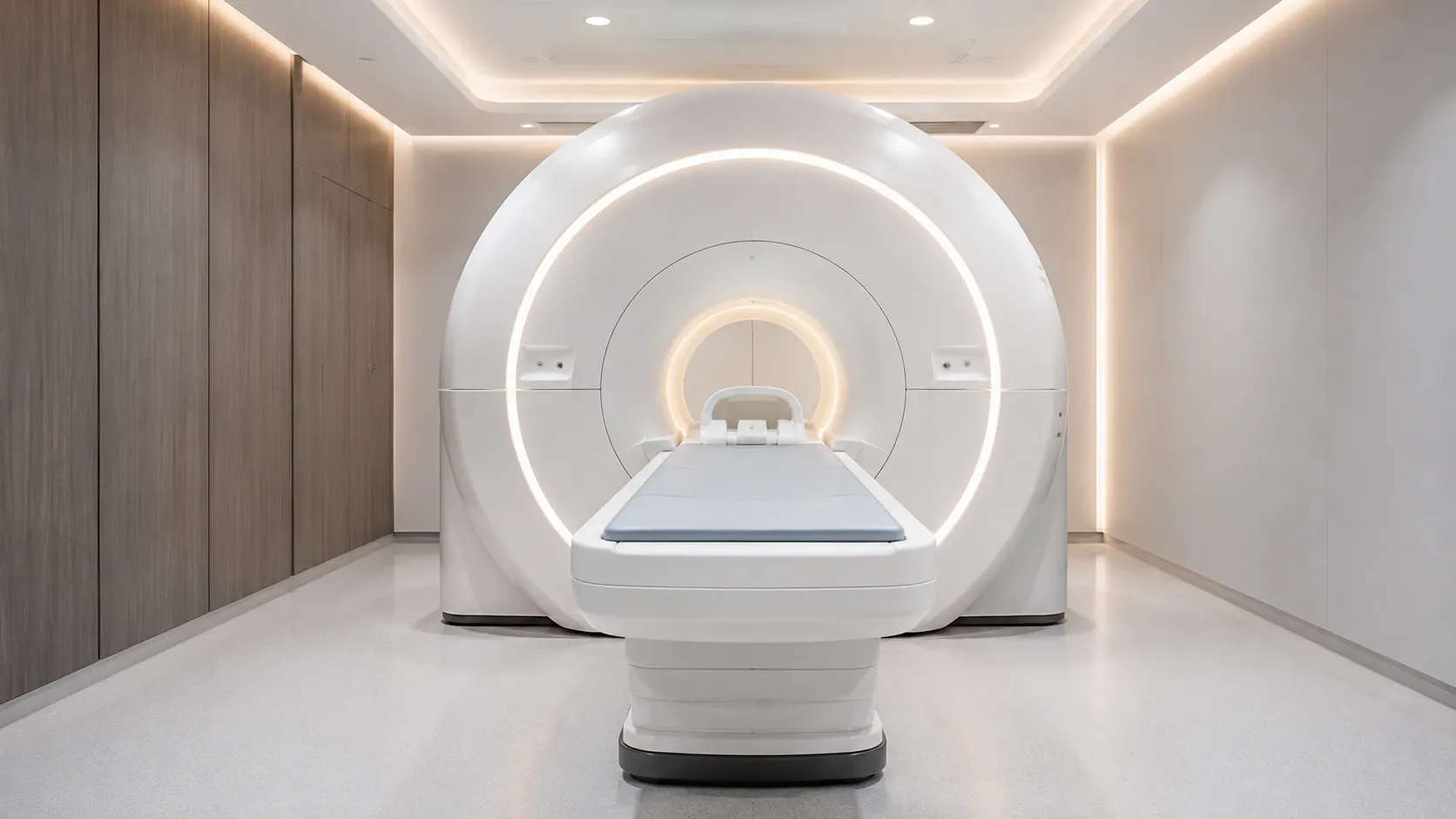
Connected Imaging Systems- Modern imaging equipment integrates with digital healthcare platforms and clinical information systems.
Automated Analysis Tools- Advanced software helps healthcare professionals interpret diagnostic information more efficiently.
Faster Clinical Workflows- Digital technologies reduce delays and support quicker treatment decisions.
Improved Information Access- Healthcare teams can access diagnostic information from multiple locations within the hospital.
The Internet of Medical Things (IoMT) has become one of the most important technologies supporting smart hospital operations.
Connected Healthcare Ecosystems- IoMT enables medical devices, monitoring systems, software platforms, and healthcare infrastructure to communicate and exchange information seamlessly.
Real-Time Equipment Monitoring- Healthcare teams can monitor equipment performance, availability, and utilisation from centralised management platforms.
Enhanced Patient Visibility- Connected devices provide continuous patient data to support clinical decision-making and care coordination.
How hospital automation improves efficiency
Automated Workflows- Routine administrative and operational processes can be automated, reducing manual workloads and improving consistency.
Inventory Management- Automated inventory systems help ensure critical medical supplies and equipment remain available when needed.
Patient Flow Optimisation- Smart hospital technologies can support patient scheduling, admissions, discharge planning, and resource allocation.
Operational Coordination- Automation improves communication between departments and helps healthcare facilities respond more effectively to changing demands.
Hospital automation is increasingly viewed as an essential component of modern healthcare infrastructure.
Data Analytics Is Driving Better Decision-Making
Smart hospitals rely heavily on data to improve performance and patient care.
Operational Insights- Analytics platforms help healthcare leaders understand workflow performance, equipment utilisation, and operational trends.
Clinical Performance Monitoring- Healthcare organisations can use data to support quality improvement initiatives and patient safety programmes.
Resource Planning- Data-driven decision-making improves staffing, equipment deployment, and facility management strategies.
Continuous Improvement- Analytics help identify opportunities to enhance efficiency, reduce waste, and improve healthcare delivery outcomes.
Data has become one of the most valuable resources within modern smart hospital environments.
Innovation Is Influencing Healthcare Procurement
The increasing complexity of smart hospital technologies is changing procurement priorities.
Interoperability Requirements- Healthcare organisations increasingly prioritise equipment that integrates with existing digital healthcare ecosystems.
Cybersecurity Considerations- Connected devices require strong cybersecurity protections to safeguard patient information and operational systems.
Scalability and Future Readiness- Procurement teams evaluate whether technologies can support future growth and digital transformation objectives.
Lifecycle Value- Healthcare providers increasingly assess long-term value rather than acquisition costs alone.
Healthcare organisations often review information from business advertisements when evaluating smart hospital technologies, connected healthcare solutions, and innovations in advanced medical equipment.
Strategic Partnerships Support Smart Hospital Development
Building smart hospitals often requires collaboration between healthcare providers, technology vendors, and sourcing partners.
Technology Assessment Support- Strategic partners help healthcare organisations evaluate emerging technologies and identify appropriate solutions.
Implementation Expertise- Successful deployment of smart hospital systems requires careful planning and technical guidance.
Training and Adoption- Healthcare professionals benefit from education and support programmes that improve technology adoption.
Long-Term Innovation Planning- Partnerships help organisations align technology investments with future healthcare objectives.
Healthcare systems implementing smart hospital initiatives often benefit from establishing business partners that support access to technology, procurement planning, digital transformation, and lifecycle management.
Future Trends in Smart Hospitals
Several innovations are expected to further accelerate the development of smart hospitals.
Expanded Artificial Intelligence Integration- AI will become increasingly embedded in diagnostics, monitoring systems, workflow automation, and operational management.
Digital Twin Technologies- Virtual hospital models may help optimise facility operations, equipment management, and resource planning.
Autonomous Healthcare Systems- Advanced automation technologies could support logistics, inventory management, and routine operational activities.
Greater Connectivity- Healthcare ecosystems will become increasingly interconnected, enabling more efficient information sharing and coordination.
Sustainable Smart Infrastructure- Future smart hospitals are expected to combine advanced technology with energy efficiency, sustainability, and resource optimisation.
Final Thoughts
Smart hospitals depend on advanced equipment to create connected, intelligent, and efficient healthcare environments. Technologies such as IoMT, artificial intelligence, advanced diagnostics, automation platforms, smart monitoring systems, and data analytics are transforming how healthcare organisations deliver care and manage operations.
For healthcare facility procurement decision-makers, investing in advanced equipment is no longer simply about acquiring technology—it is about building the foundation for future healthcare delivery. Successful smart hospitals rely on interoperability, connectivity, cybersecurity, operational efficiency, and long-term technology planning.
Healthcare organisations that work with regulated and certified equipment suppliers worldwide, embrace digital transformation, and develop comprehensive smart hospital strategies will be best positioned to improve patient outcomes, optimise operations, and adapt to the rapidly evolving future of healthcare.
Disclaimer
Medigear.uk is a global medical equipment supplier, exporter, and distributor. The content published on this site is intended for educational and informational purposes only. Nothing on this page constitutes medical advice, clinical guidance, treatment recommendations, or procurement advice. All healthcare procurement and clinical decisions should be made by qualified medical professionals and authorised procurement teams operating within the regulatory frameworks of their respective countries.