Day surgery centres have become an increasingly important part of modern healthcare delivery. By providing same-day surgical procedures in dedicated outpatient environments, these facilities help improve patient convenience, reduce hospital burden, and support efficient clinical workflows.
The success of a day surgery centre depends heavily on selecting equipment that aligns with the types of procedures, patient volumes, safety requirements, and operational goals. Equipment planning is not simply about filling procedure rooms with technology. It involves creating an integrated environment where surgical teams can work efficiently, patients receive appropriate care, and administrators maintain sustainable operations.
A structured equipment strategy helps ensure that day surgery centres remain adaptable, compliant, and capable of meeting evolving healthcare demands.
Understanding the Operational Needs of Day Surgery Centres
Unlike large hospitals, day surgery facilities focus on procedures that allow patients to return home on the same day.
Equipment planning should begin with an assessment of:
-
Planned surgical specialties
-
Expected patient volumes
-
Procedure complexity
-
Recovery requirements
-
Staffing levels
-
Future expansion goals
Aligning Equipment with Clinical Services – The equipment required for ophthalmology procedures differs significantly from that required by orthopaedic, gastrointestinal, or minor general surgery services.
Supporting Efficient Patient Flow – Well-planned equipment placement streamlines admissions, procedures, recovery, and discharge.
Essential Equipment Categories for Day Surgery Facilities
Surgical Procedure Room Equipment- Procedure rooms require equipment that supports safe and efficient surgical performance.
Common requirements include:
-
Surgical tables
-
Procedure lighting systems
-
Electrosurgical units
-
Suction systems
-
Surgical instrument storage
Enhancing Procedure Efficiency – Reliable equipment helps minimise workflow interruptions and supports consistent clinical operations.
Anaesthesia and Airway Management Systems- Many day surgery procedures require sedation or anaesthesia support.
Key equipment may include:
-
Anesthesia workstations
-
Patient ventilation systems
-
Airway management tools
-
Gas delivery systems
Supporting Safe Patient Monitoring – Continuous observation during procedures contributes to effective perioperative care management.
Patient Monitoring Infrastructure- Monitoring technology is essential before, during, and after procedures.
Typical monitoring systems include:
-
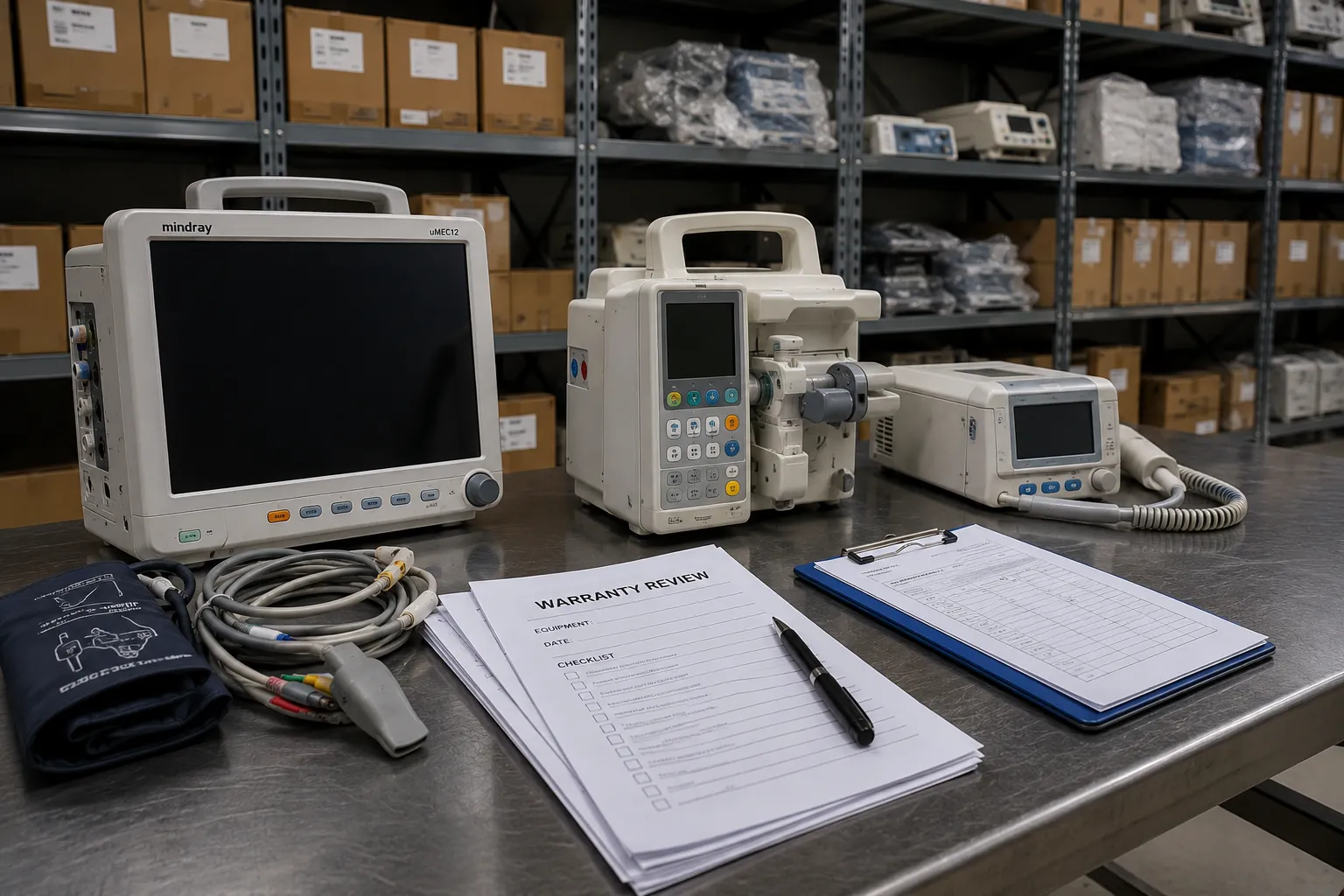
Multiparameter patient monitors
-
Pulse oximetry devices
-
Blood pressure monitoring systems
-
Cardiac monitoring equipment
Providing Real-Time Clinical Visibility – Monitoring equipment allows healthcare professionals to track patient status throughout the surgical journey.
Recovery Area Equipment Considerations
Recovery areas play a critical role in outpatient surgery environments.
Patients must be observed until discharge criteria are met.
Important equipment categories include:
-
Recovery beds and recliners
-
Vital signs monitoring systems
-
Emergency response equipment
-
Oxygen delivery systems
Facilitating Smooth Post-Procedure Recovery – Appropriate recovery equipment supports patient comfort and operational efficiency, including sterilisation and Infection Control Resources.
Maintaining sterile conditions is fundamental to day surgery operations.
Facilities often require:
-
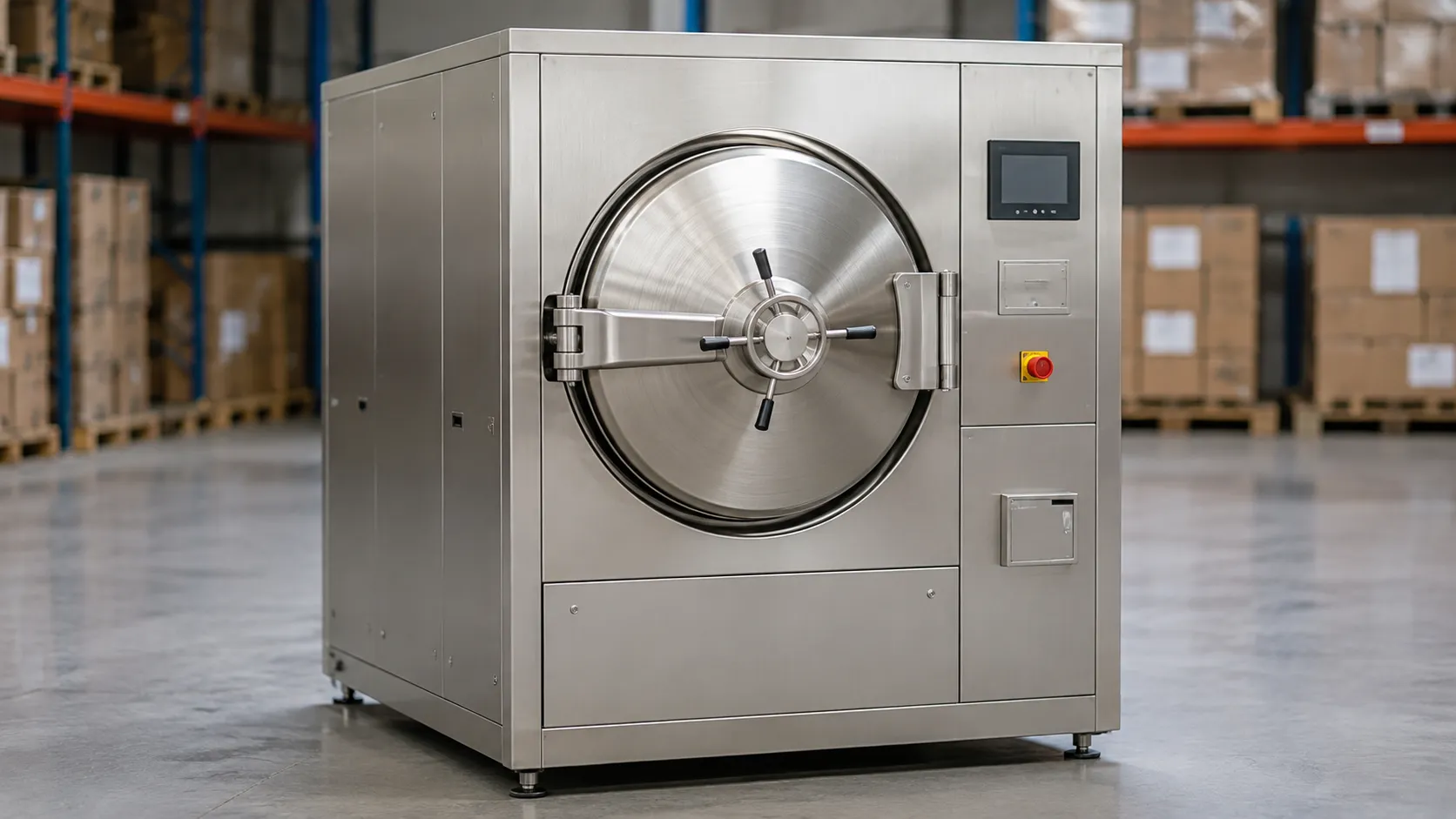
Sterilization equipment
-
Instrument cleaning systems
-
Storage solutions
-
Infection control resources
Supporting Consistent Clinical Standards – Proper sterilisation processes contribute to operational quality and patient safety objectives.
Buyer Insights for Procurement Teams
Equipment decisions should balance clinical needs with long-term operational value.
Factors worth evaluating include:
-
Reliability history
-
Service support availability
-
Maintenance requirements
-
Scalability options
-
Staff training needs
-
Technology integration capabilities
Organisations seeking broader sourcing opportunities can explore Medigear's healthcare buyer network for procurement support and supplier discovery.
Considering Total Ownership Costs, equipment investments should account for maintenance, servicing, upgrades, and operational requirements beyond the initial purchase price.
Maintenance and Operational Insights
Long-term equipment performance depends on structured maintenance programs.
Establishing Preventive Maintenance Schedules – Regular inspections help reduce downtime and improve equipment reliability.
Monitoring UUtilisationPatterns – Equipment usage data can support replacement planning and operational improvements.
Supporting Staff Competency – Ongoing training helps ensure proper equipment operation and care.
Suppliers supporting outpatient surgical facilities may benefit from participating in Medigear's business suppliers community to strengthen industry connections and visibility.
Industry Trends Shaping Day Surgery Centres
Several developments are influencing equipment planning strategies.
Growth of Ambulatory Care Services – The increasing demand for outpatient procedures continues to drive investment in specialised surgical facilities.
Connected Equipment Ecosystems – Integrated technologies support workflow efficiency and operational visibility.
Data-Driven Asset Management – Facilities are increasingly using analytics to optimise equipment performance and maintenance planning.
Flexible Clinical Spaces – Adaptable environments support changing procedure requirements and future service expansion.
Healthcare organisations interested in collaboration and innovation can explore Medigear's business partners opportunities to support the healthcare sector's development.
Medical equipment businesses seeking greater market exposure may also review Medigear's business advertise solutions for healthcare-focused promotion.
Planning for Long-Term Operational Success
Successful day surgery centres view equipment planning as an ongoing process rather than a one-time procurement exercise. Strategic equipment investments help support efficient workflows, patient care objectives, maintenance planning, and future growth opportunities.
By aligning technology decisions with operational goals and infrastructure capabilities, outpatient surgical facilities can build resilient environments that support both current demands and future healthcare developments.
For assistance with equipment sourcing, procurement support, or platform services, readers can contact Medigear through the Contact Team
Disclaimer
Medigear.uk is a medical equipment supplier and distributor. We do not provide medical advice, diagnosis, or treatment recommendations. All information is for educational and product awareness purposes only. Qualified medical professionals should always make healthcare decisions.