Healthcare facilities are undergoing significant transformation. Rising patient expectations, rapid technological advancements, changing healthcare delivery models, and increasing operational pressures are reshaping how hospitals, clinics, diagnostic centres, and specialised care facilities are planned and developed.
A future-ready healthcare facility is not simply a modern building filled with advanced equipment. It is an adaptable environment designed to support evolving clinical requirements, technological integration, operational efficiency, and long-term sustainability. Healthcare organisations that plan strategically today are better positioned to accommodate tomorrow's innovations without extensive infrastructure disruptions.
From smart building systems and digital healthcare technologies to resilient infrastructure and flexible clinical spaces, future-focused planning has become a critical investment in healthcare performance and patient experience.
Designing Healthcare Infrastructure for Long-Term Adaptability
Healthcare facilities often remain operational for decades. During that time, medical technologies, treatment approaches, and patient care models can change dramatically.
Facility planners should prioritise flexibility from the earliest stages of development.
Creating Adaptable Clinical Spaces – Modular layouts allow departments to evolve without requiring major structural modifications. Flexible room configurations can support changing service demands and future equipment installations.
Supporting Infrastructure Expansion – Electrical systems, network capacity, HVAC infrastructure, and utility pathways should accommodate future growth rather than only current requirements.
Reducing Future Renovation Costs – Thoughtful infrastructure planning minimises disruptions and capital expenditure associated with facility upgrades.
The Growing Role of Technology in Healthcare Facilities
Digital transformation is influencing nearly every aspect of healthcare operations.
Modern facilities increasingly depend on integrated technologies that improve communication, workflow management, and data accessibility.
Connected Healthcare Environments – Network-enabled devices and integrated systems enable clinical teams to access information more efficiently and support coordinated patient care.
Strengthening Data Infrastructure – Reliable networking, cybersecurity measures, and scalable IT systems are becoming as important as traditional building infrastructure.
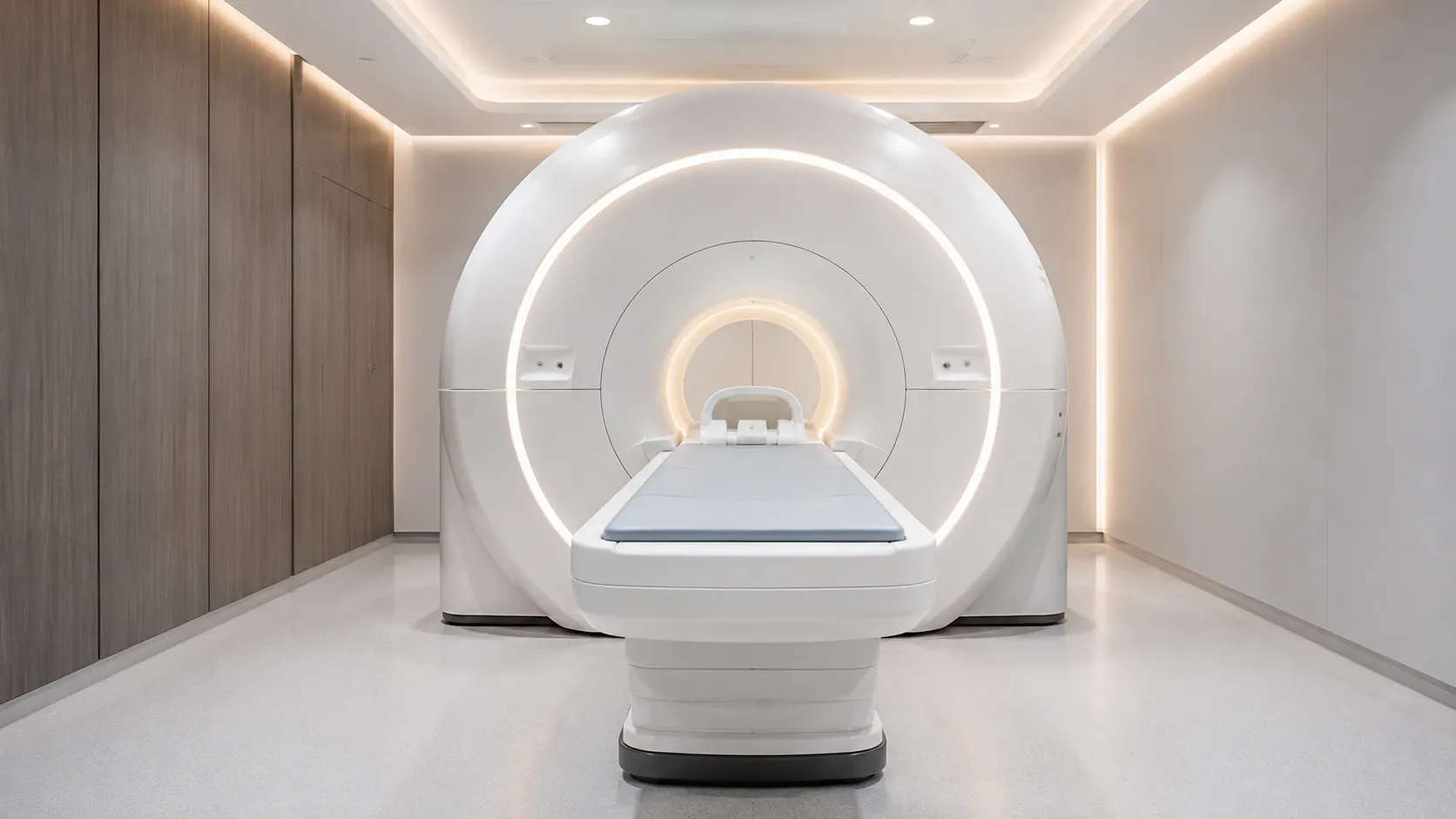
Preparing for Advanced Medical Technologies – Emerging diagnostic, monitoring, and treatment technologies often require enhanced connectivity, power management, and environmental controls.
Smart Building Systems and Operational Efficiency
Healthcare organisations face ongoing pressure to improve efficiency while managing operational costs.
Smart building technologies are becoming essential tools for achieving these objectives.
Intelligent Environmental Monitoring – Automated systems can track temperature, humidity, air quality, and energy consumption in real time.
Optimising Facility Performance – Building automation platforms help manage lighting, ventilation, and energy utilisation across complex healthcare environments.
Supporting Maintenance Planning – Predictive monitoring enables facility teams to identify potential issues before they affect operations.
Healthcare organisations evaluating technology investments may benefit from connecting with Medigear's healthcare buyer services resources to explore solutions aligned with long-term infrastructure goals.
Prioritising Patient-Centred Facility Design
The patient experience increasingly influences healthcare facility planning decisions.
Modern healthcare environments seek to balance clinical functionality with comfort, accessibility, and efficiency.
Improving Navigation and Accessibility – Clear wayfinding systems help patients and visitors move through facilities more easily.
Enhancing Care Environments – Thoughtfully designed spaces can support comfort, privacy, and operational effectiveness.
Supporting Diverse Care Models – Facilities should accommodate inpatient, outpatient, virtual care, and multidisciplinary treatment approaches.
Infrastructure Resilience in a Changing Healthcare Landscape
Healthcare facilities must remain operational during unexpected events and periods of increased demand.
Resilience planning has become a critical component of future-ready infrastructure.
Ensuring Reliable Utility Systems – Backup power, redundant systems, and emergency preparedness measures help maintain continuity of care.
Preparing for Capacity Fluctuations – Flexible spaces and scalable infrastructure support changing patient volumes and service demands.
Reducing Operational Vulnerabilities – Strategic planning helps organisations respond more effectively to disruptions.
Buyer Insights for Healthcare Decision-Makers
Future-ready facility planning requires collaboration across clinical, operational, financial, and technical teams.
When evaluating infrastructure investments, decision-makers should consider:
-
Scalability potential
-
Technology compatibility
-
Lifecycle costs
-
Maintenance requirements
-
Energy efficiency
-
Regulatory compliance
-
Staff workflow impacts
Looking Beyond Immediate Needs – Facilities designed solely for current requirements may struggle to adapt to future developments in healthcare.
Organisations exploring healthcare technology suppliers can review Medigear's network of business suppliers to identify business partners that support long-term infrastructure objectives.
Maintenance and Operational Insights
The effectiveness of a healthcare facility depends not only on its design but also on how it is maintained over time.
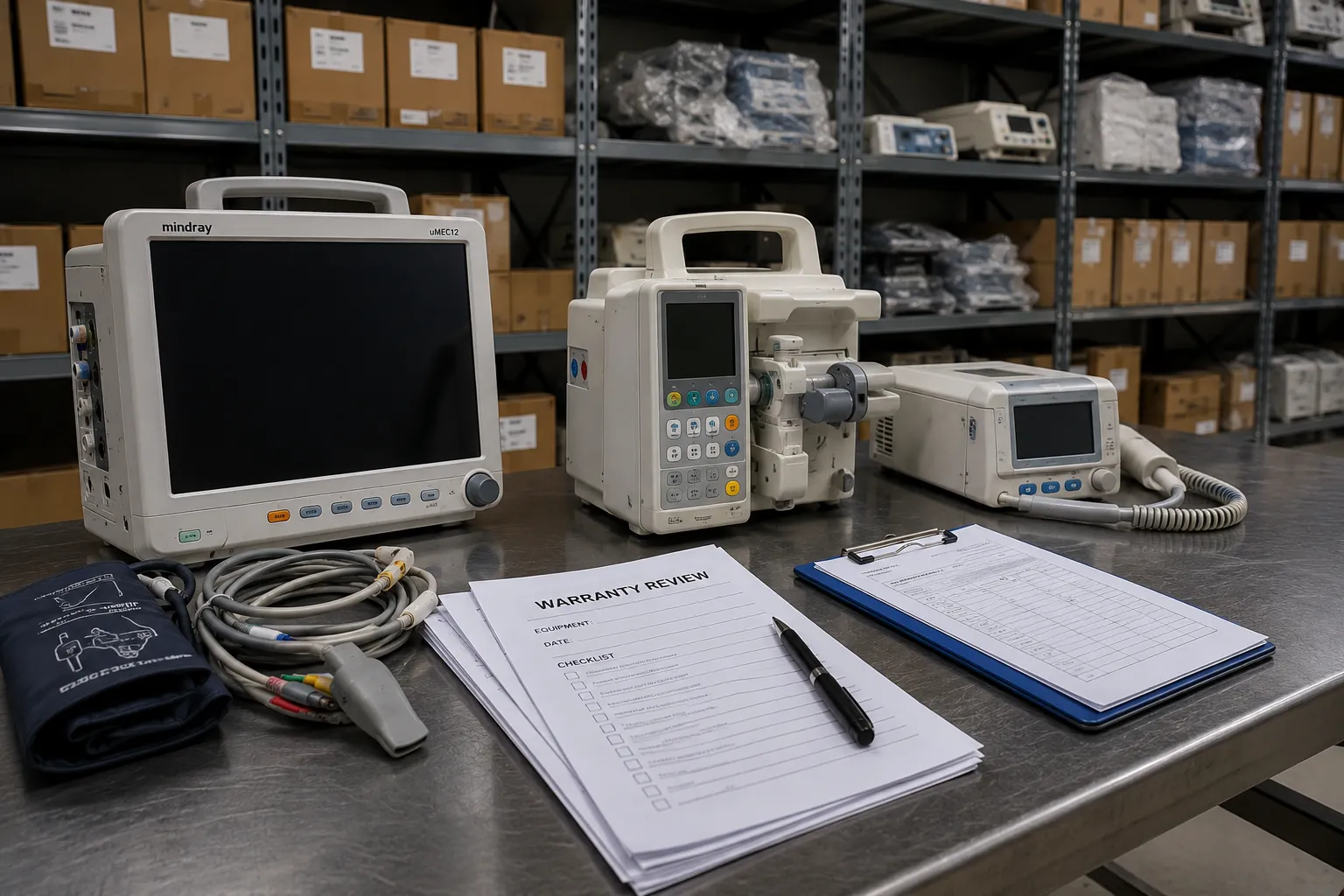
Implementing Preventive Maintenance Programs – Routine inspections and servicing help preserve facility performance and infrastructure reliability.
Using Data to Guide Decisions – Operational analytics can improve maintenance planning and resource allocation.
Supporting Workforce Readiness – Ongoing staff training ensures facility technologies are used effectively and efficiently.
Healthcare facilities that integrate maintenance planning into broader operational strategies often experience improved reliability and lower long-term costs.
Industry Trends Shaping Future Healthcare Facilities
Several trends are influencing healthcare infrastructure planning worldwide.
Digital Healthcare Ecosystems – Facilities increasingly support interconnected technologies that streamline operations and enhance information sharing.
Energy-Conscious Infrastructure – Sustainability initiatives continue to drive investment in efficient building systems and improvements in environmental performance.
Flexible Care Delivery Models – Healthcare providers are adapting facilities to accommodate evolving patient pathways and service models.
Greater Reliance on Data Analytics – Real-time operational insights are becoming valuable tools for facility management and strategic planning.
Healthcare organisations interested in collaborative innovation can explore Medigear's industry partnership opportunities to support future healthcare development initiatives.
Businesses seeking greater visibility in the healthcare sector may also benefit from Medigear's business advertising platform, which connects suppliers with healthcare decision-makers.
Preparing Healthcare Facilities for the Next Generation
Future-ready healthcare facilities are built with adaptability, resilience, and innovation in mind. Successful organisations recognise that healthcare infrastructure must support not only today's clinical requirements but also tomorrow's opportunities.
By integrating flexible design principles, advanced technologies, operational efficiency strategies, and sustainable infrastructure planning, healthcare providers can create environments that support continuous improvement and long-term organisational success.
For additional information regarding healthcare equipment sourcing, facility planning support, or platform services, readers can contact Medigear through the Contact Team
Disclaimer
Medigear.uk is a medical equipment supplier and distributor. We do not provide medical advice, diagnosis, or treatment recommendations. All information is for educational and product awareness purposes only. Qualified medical professionals should always make healthcare decisions