
Launching or expanding a multispecialty hospital involves far more than purchasing medical equipment. Every department, from emergency medicine and diagnostic imaging to surgery and critical care, depends on carefully planned equipment infrastructure that supports patient flow, clinical efficiency, and long-term operational sustainability.
Equipment planning serves as the foundation for healthcare delivery. Decisions made during the planning stage influence capital expenditure, workflow performance, maintenance requirements, regulatory compliance, and future expansion opportunities. With healthcare facilities facing increasing demands for efficiency and technological integration, a structured equipment planning strategy has become an essential component of successful hospital development.
Whether establishing a new facility or modernising an existing one, healthcare leaders must balance clinical requirements, budget constraints, and operational realities to create an equipment ecosystem that supports diverse specialities under one roof.
Building an Equipment Strategy Around Clinical Services
Multispecialty hospitals differ from single-speciality facilities because they must accommodate a broader range of patient needs and medical disciplines.
Before equipment selection begins, hospital planners should evaluate:
-
Clinical specialities offered
-
Projected patient volumes
-
Service expansion plans
-
Staffing requirements
-
Referral patterns
-
Emergency care capabilities
Equipment decisions should align with actual service delivery goals rather than short-term procurement trends.
Supporting Department-Specific Needs – Different specialities require unique equipment profiles. What works for an outpatient clinic may not support the demands of an intensive care unit or operating theatre.
Planning for Future Growth – Healthcare demand often evolves after a facility opens. Selecting scalable solutions helps reduce future replacement costs and infrastructure disruptions.
Core Equipment Categories Every Multispecialty Hospital Must Consider
A successful planning framework typically addresses multiple equipment categories simultaneously.
Diagnostic and Imaging Infrastructure- Diagnostic services often act as the operational backbone of modern hospitals.
Common planning priorities include:
-
Ultrasound systems
-
Digital X-ray equipment
-
CT imaging technology
-
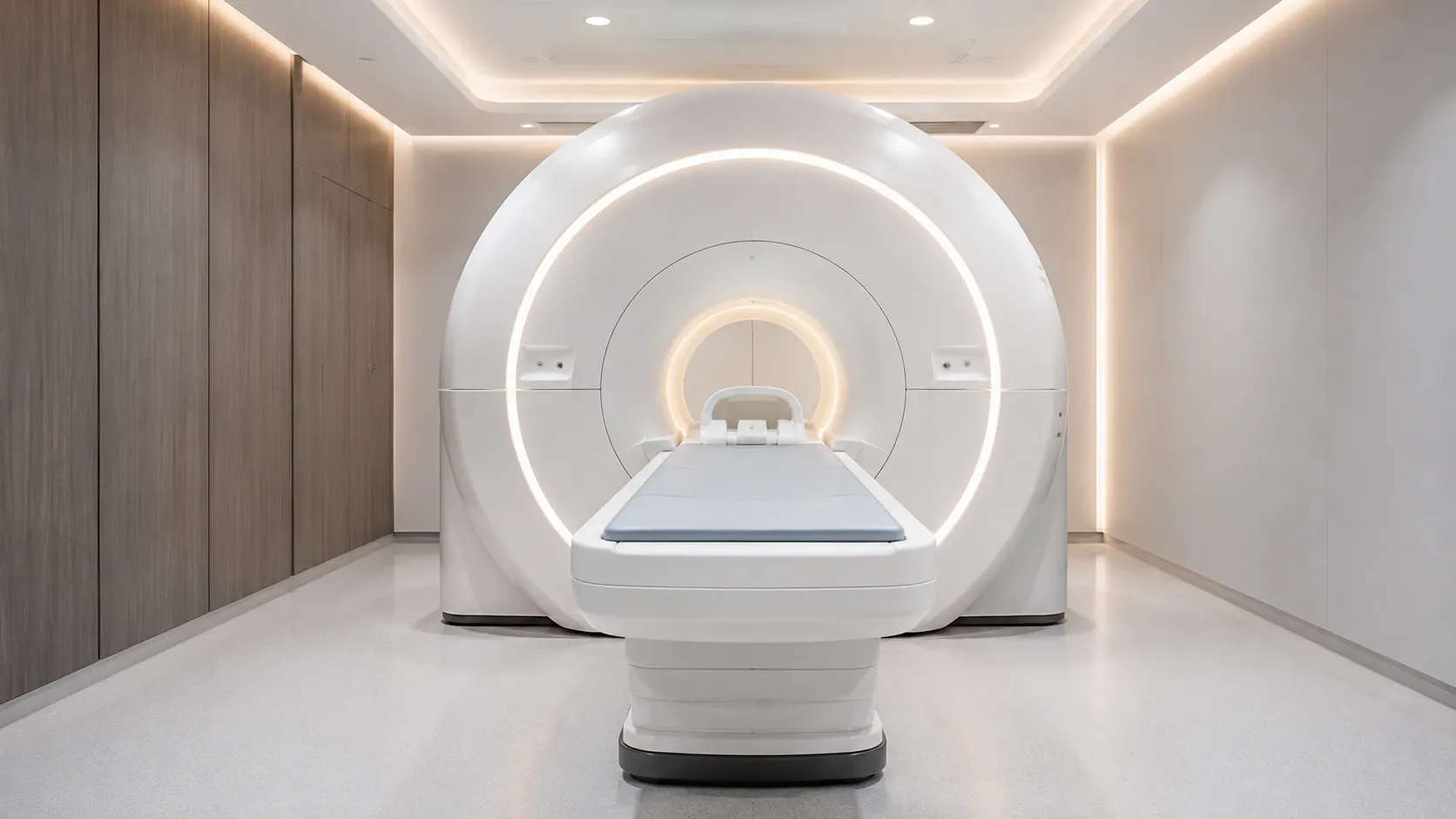
MRI systems
-
Diagnostic workstations
Enhancing Diagnostic Capacity – Reliable imaging resources help support timely clinical decision-making across multiple specialities.
Critical Care and Patient Monitoring Systems- Critical care departments require equipment capable of supporting continuous patient observation and intervention.
Examples include:
-
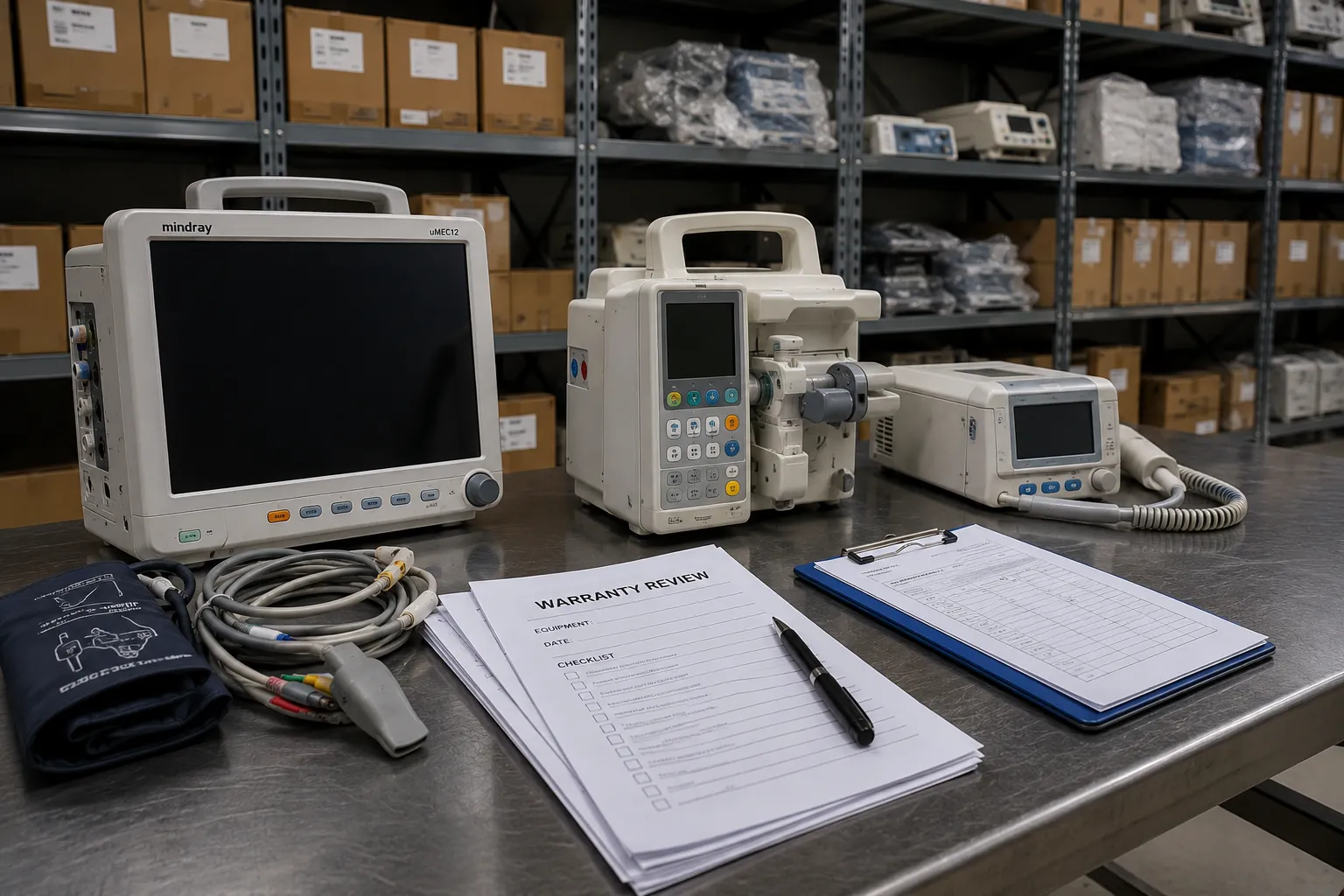
Multiparameter monitors
-
Ventilators
-
Defibrillators
-
Infusion systems
-
Bedside monitoring platforms
Supporting around-the-Clock Care Delivery – Equipment reliability becomes especially important in environments where uninterrupted patient support is essential.
Surgical and Procedural Equipment- Operating theatres are among the most equipment-intensive areas within a hospital.
Planning considerations include:
-
Surgical lighting systems
-
Operating tables
-
Electrosurgical units
-
Anaesthesia workstations
-
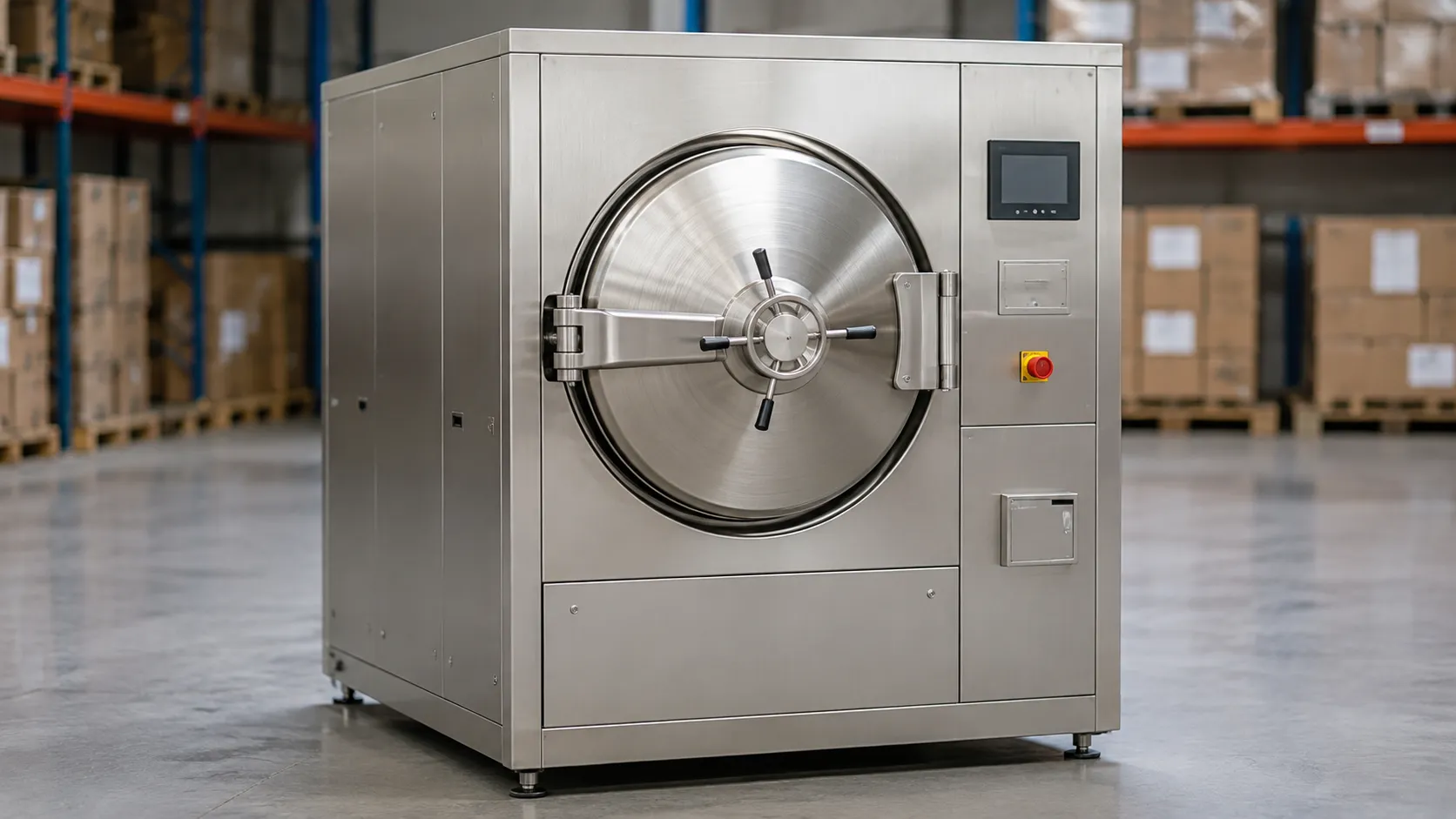
Sterilisation support equipment
Optimising Procedure Efficiency – Equipment compatibility and workflow integration contribute significantly to operating room productivity.
Laboratory and Diagnostic Testing Resources- Laboratory services support nearly every clinical department.
Improving Testing Turnaround Times – Strategic equipment planning can help laboratories manage increasing workloads while maintaining operational consistency.
Space Planning and Equipment Integration
Equipment selection should never occur independently of facility design.
Hospitals frequently encounter challenges when equipment dimensions, utility requirements, or workflow demands are not considered early in the construction planning process.
Ensuring Infrastructure Compatibility – Electrical capacity, ventilation requirements, network connectivity, and physical space constraints should be reviewed before finalising procurement decisions.
Reducing Installation Delays – Early coordination between clinical teams, architects, engineers, and procurement professionals helps avoid costly modifications later.
Budgeting Beyond the Purchase Price
Equipment acquisition costs represent only part of the total investment.
Healthcare organisations should evaluate:
-
Installation expenses
-
Staff training requirements
-
Service agreements
-
Software updates
-
Maintenance programs
-
Replacement planning
Understanding Total Lifecycle Costs – A lower upfront purchase price may not always translate into lower long-term operational expenses.
Healthcare procurement teams seeking broader sourcing opportunities can explore Medigear's dedicated
equipment buyer services network to identify suitable solutions for diverse hospital environments.
Buyer Insights for Healthcare Decision-Makers
Equipment planning should focus on clinical outcomes and operational sustainability rather than simply acquiring the newest technology.
Important evaluation criteria include:
-
Reliability history
-
Service support availability
-
User training requirements
-
Departmental compatibility
-
Scalability potential
-
Integration capabilities
Balancing Innovation with Practicality – Advanced functionality should complement actual operational needs rather than introduce unnecessary complexity.
Organisations comparing equipment supply options may benefit from reviewing Medigear.uk's business suppliers community resources to gain broader market visibility and procurement insights.
Maintenance and Operational Considerations
Long-term performance depends on maintenance planning established before equipment enters service.
Creating Preventive Maintenance Frameworks – Structured servicing schedules help reduce downtime and support consistent equipment availability.
Managing Equipment Inventories Effectively – Centralised set tracking improves visibility across departments and simplifies maintenance coordination.
Supporting Staff Competency – Ongoing training helps healthcare professionals maximise equipment utilisation and reduce errors.
Hospitals often achieve better operational outcomes when equipment management programs are integrated into broader facility planning initiatives.
Industry Trends Influencing Equipment Planning
Healthcare technology continues to evolve rapidly, creating new considerations for planners and administrators.
Connected Medical Ecosystems – Hospitals increasingly prioritise equipment capable of sharing data across integrated digital platforms.
Data-Driven Asset Management – Real-time monitoring tools support proactive maintenance and utilisation tracking.
Flexible Care Delivery Models – Equipment planning increasingly accounts for changing patient pathways, hybrid care environments, and expanding outpatient services.
Emphasis on Sustainability – Energy efficiency and lifecycle optimisation are becoming important procurement considerations.
Healthcare organisations interested in strategic industry collaboration can learn more through Medigear's healthcare business partners' initiatives, designed to encourage innovation and sector-wide cooperation.
Businesses seeking greater exposure within the medical equipment marketplace may also explore Medigear's industry business advertising opportunities to connect with healthcare decision-makers.
Creating a Long-Term Equipment Roadmap
The most successful multispecialty hospitals view equipment planning as an ongoing process rather than a one-time purchasing exercise.
A structured roadmap helps align technology investments with clinical priorities, operational requirements, and future growth objectives. By considering infrastructure readiness, maintenance strategies, workforce requirements, and evolving healthcare trends, hospitals can build equipment portfolios that support sustainable performance for years to come.
For assistance with sourcing healthcare equipment, procurement guidance, or platform-related inquiries, readers can contact the Medigea Contact Team via the support centre.
Disclaimer
Medigear.uk is a medical equipment supplier and distributor. We do not provide medical advice, diagnosis, or treatment recommendations. All information is for educational and product awareness purposes only. Qualified medical professionals should always make healthcare decisions.