A hospital's heating, ventilation, and air conditioning (HVAC) infrastructure does far more than regulate indoor comfort. Behind patient rooms, diagnostic suites, laboratories, and operating theatres, HVAC systems create environmental conditions that directly influence the reliability, accuracy, and lifespan of medical equipment.
Healthcare facilities invest heavily in advanced devices to support diagnosis, monitoring, sterilisation, imaging, and patient care. Yet even highly sophisticated equipment can experience performance issues when exposed to unstable temperatures, excessive humidity, airborne contaminants, or inadequate ventilation. For procurement teams, facility managers, biomedical engineers, and healthcare administrators, understanding the relationship between HVAC performance and medical equipment reliability is becoming increasingly important.
As hospitals pursue greater operational efficiency and equipment uptime, environmental control has emerged as a critical component of asset management strategies.
Why Environmental Control Matters for Medical Technology
Medical devices operate within specified environmental parameters established during manufacturing and testing. Temperature fluctuations, airborne particles, moisture levels, and pressure inconsistencies can affect sensitive electronic components, sensors, calibration mechanisms, and mechanical systems.
Unlike conventional commercial buildings, hospitals contain a wide range of controlled environments, including:
-
Operating theatres
-
Intensive care units
-
Diagnostic imaging departments
-
Cleanrooms
-
Laboratories
-
Sterile processing departments
-
Pharmacy preparation areas
-
Isolation rooms
Each area requires carefully maintained air quality and climate conditions to support both patient safety and equipment performance.
Protecting Sensitive Electronics – Modern healthcare devices contain increasingly complex electronic systems. Excessive heat can accelerate component degradation, while extreme cold may affect battery efficiency, display functionality, and sensor accuracy.
Maintaining Calibration Stability – Diagnostic equipment relies on precise measurements. Environmental instability can contribute to calibration drift, affecting consistency and operational reliability.
Reducing Contamination Exposure – Airborne particles may enter ventilation openings, cooling fans, and internal assemblies, potentially impacting long-term device performance.
The Connection Between HVAC Performance and Equipment Reliability
Hospital HVAC systems influence several environmental variables that directly affect medical technology.
Temperature Regulation- Most medical devices are designed to operate within specific temperature ranges. When temperatures exceed recommended limits, equipment may experience:
-
Increased internal heat generation
-
Reduced processing efficiency
-
Accelerated wear of electronic components
-
Unexpected shutdowns
-
Shortened equipment lifespan
Imaging systems, patient monitoring platforms, laboratory analysers, and networked healthcare technology often generate significant heat during operation. Consistent cooling helps maintain stable performance during extended use.
Supporting Continuous Operation – Critical care environments often rely on equipment that functions around the clock. Stable temperature control helps reduce thermal stress on continuously operating systems.
Humidity Management- Humidity control is frequently overlooked despite its importance.
Low humidity can increase the risk of electrostatic discharge, potentially damaging sensitive electronics. Excessive humidity can create conditions that encourage condensation, corrosion, and moisture-related component failures.
Areas particularly affected include:
-
Clinical laboratories
-
Medical imaging suites
-
Data centres supporting hospital systems
-
Sterile storage areas
Preventing Moisture-Related Degradation – Proper humidity management helps preserve connectors, circuit boards, sensors, and precision instrumentation.
Air Filtration and Particle Control- Healthcare facilities depend on advanced filtration systems to minimise airborne contaminants.
Dust, fibres, microbial particles, and other contaminants can accumulate within equipment ventilation pathways, leading to:
-
Reduced cooling efficiency
-
Blocked airflow
-
Increased maintenance requirements
-
Premature component wear
Protecting Internal Components – High-efficiency filtration contributes to cleaner operating environments, helping preserve equipment functionality over time.
Medical Equipment Most Influenced by HVAC Conditions
Not every device responds equally to environmental conditions. Certain categories are especially dependent on controlled surroundings.
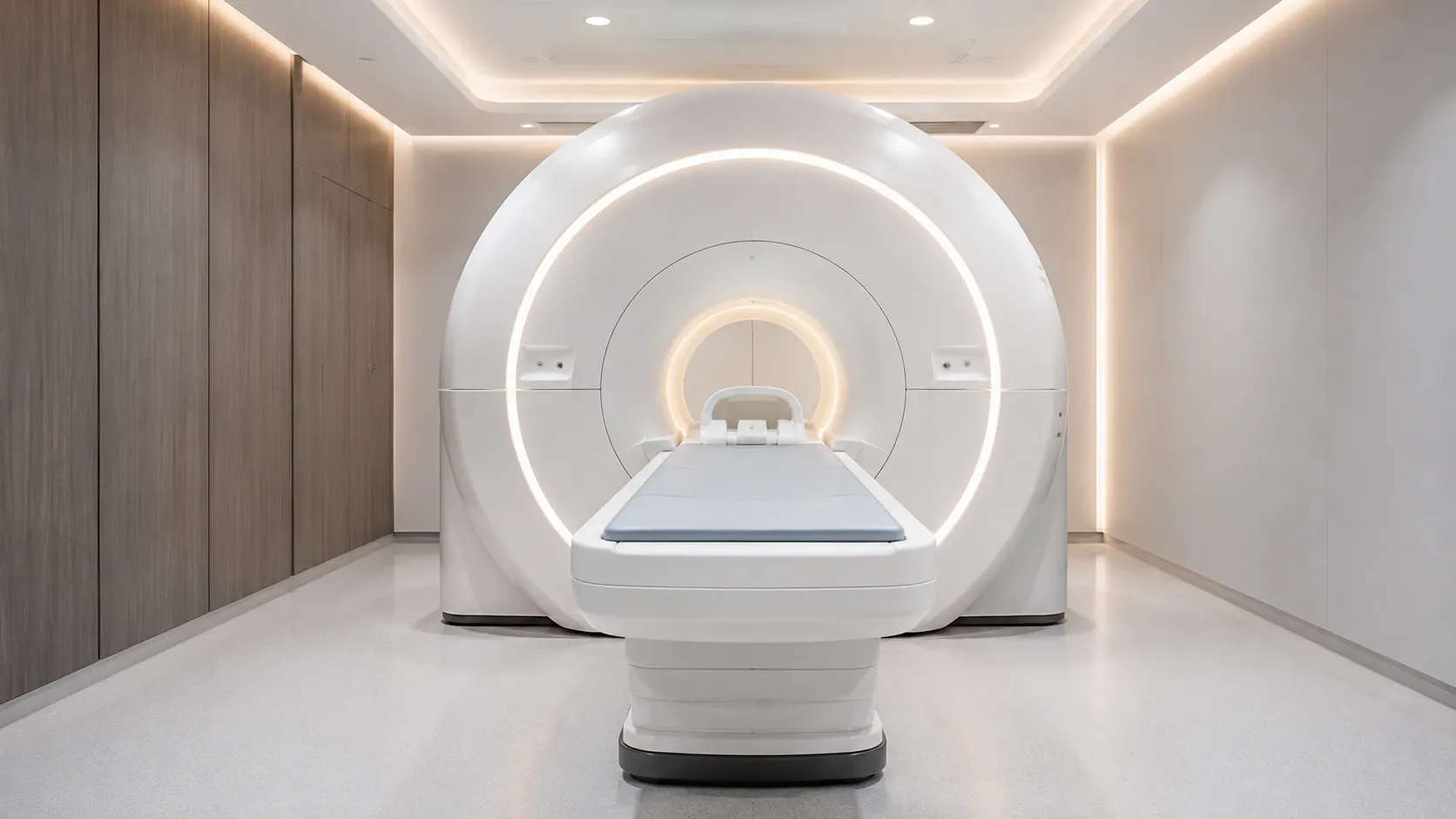
Diagnostic Imaging Systems- Imaging equipment often represents one of the largest capital investments within a healthcare facility.
Examples include:
-
MRI systems
-
CT scanners
-
Digital radiography systems
-
Ultrasound platforms
These technologies rely on stable environmental conditions to support imaging quality, electronic performance, and operational consistency.
Managing Heat Loads Effectively – Imaging suites frequently require dedicated cooling strategies due to significant heat generation during routine operation.
Laboratory Equipment- Clinical laboratory environments contain highly sensitive analysers and testing systems.
Environmental instability may influence:
-
Sample integrity
-
Instrument precision
-
Reagent storage conditions
-
Measurement consistency
Supporting Analytical Accuracy – Controlled air quality and temperature management help laboratories maintain dependable testing workflows.
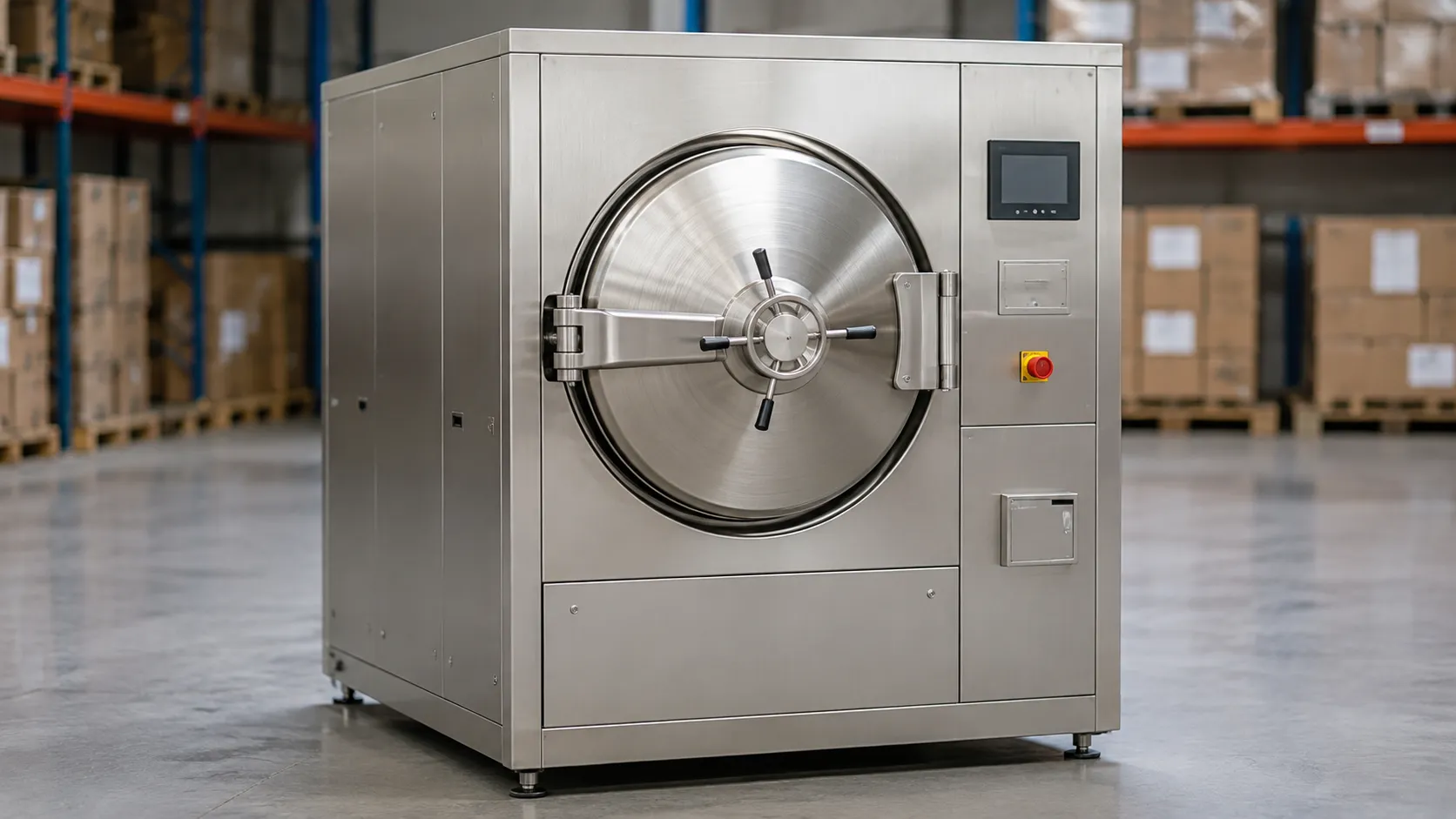
Sterilisation and Decontamination Equipment- Sterile processing departments depend on environmental stability to support equipment operation and storage conditions.
Factors such as humidity and airflow influence:
-
Sterile package integrity
-
Equipment drying processes
-
Storage environment quality
Patient Monitoring Infrastructure- Networked monitoring systems increasingly support real-time patient observation across hospitals.
Enhancing System Availability – Reliable environmental conditions help maintain uninterrupted device operation in high-dependency clinical areas.
Hidden Costs of HVAC Deficiencies
Hospitals often focus on equipment maintenance schedules while overlooking environmental factors that contribute to equipment failure.
The financial consequences may include:
-
Increased repair expenses
-
More frequent component replacement
-
Unexpected downtime
-
Service interruptions
-
Reduced equipment lifespan
-
Delayed clinical workflows
A preventative approach that combines HVAC management with biomedical maintenance planning can help reduce avoidable operational costs.
Buyer Insights: What Procurement Teams Should Evaluate
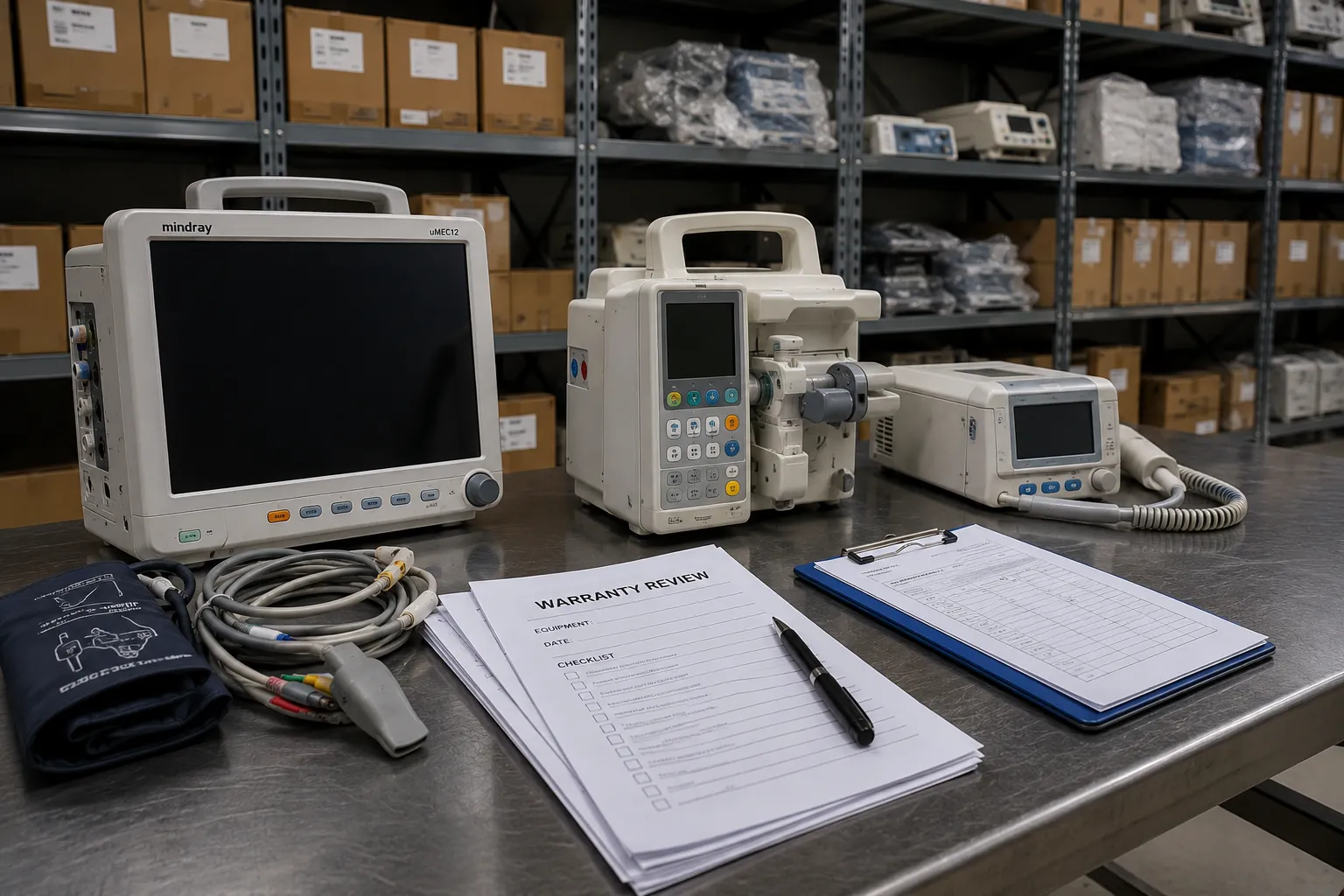
Healthcare buyers frequently assess equipment specifications, warranty terms, and service agreements. Environmental compatibility deserves equal attention.
Before purchasing major medical equipment, consider:
-
Required operating temperature ranges
-
Humidity tolerance specifications
-
Ventilation requirements
-
Heat output characteristics
-
Room preparation needs
-
Air filtration recommendations
Organisations exploring healthcare equipment sourcing opportunities can also benefit from connecting with industry procurement networks through Medigear's dedicated buyer services resources to better understand facility requirements before making acquisition decisions.
Planning Beyond Installation Day – Equipment performance depends not only on the device itself but also on the environment supporting its operation.
Maintenance and Operational Insights
Equipment maintenance and HVAC maintenance should not function as separate disciplines.
A coordinated strategy often delivers better outcomes.
Monitoring Environmental Trends – Tracking temperature and humidity patterns can help identify conditions that may contribute to recurring equipment issues.
Scheduling Preventive HVAC Inspections – Air handling systems, filters, ductwork, and cooling components require routine attention to maintain environmental stability.
Aligning Biomedical and Facilities Teams – Cross-department collaboration improves troubleshooting efficiency when environmental conditions contribute to equipment concerns.
Healthcare suppliers seeking to support facility-wide performance initiatives may find value in Medigear, a business Advertise network platform that helps strengthen connections across the healthcare equipment ecosystem.
Emerging Trends Shaping Healthcare Facility Environments
Environmental management is evolving alongside healthcare technology.
Several trends are influencing future hospital infrastructure planning.
Smart Building Integration – Connected sensors now provide real-time visibility into temperature, humidity, airflow, and equipment room conditions.
Predictive Facility Management – Data analytics increasingly support proactive maintenance decisions before environmental issues affect equipment performance.
Energy-Efficient Air Handling Strategies – Hospitals continue balancing sustainability objectives with strict clinical environmental requirements.
Growing Equipment Density – As healthcare technology becomes more digital and connected, facilities must accommodate higher heat loads and expanded cooling demands.
Organisations interested in collaborative healthcare innovation may explore Medigear's business partners opportunities to support future-ready healthcare infrastructure initiatives.
Healthcare businesses seeking broader industry visibility can also review Medigear.uk's business advertise solutions designed for the medical equipment sector.
Creating a More Resilient Healthcare Environment
Effective HVAC management should be viewed as part of a hospital's equipment performance strategy rather than simply a building operations function.
Environmental stability supports device reliability, workflow continuity, maintenance efficiency, and long-term asset value. As hospitals continue investing in increasingly sophisticated technologies, the role of HVAC systems in protecting those investments will become even more significant.
Facilities that align environmental controls with equipment management practices are often better positioned to reduce downtime, improve operational consistency, and maximise technology utilisation.
For questions about healthcare equipment sourcing, procurement support, or platform services, readers can contact Medigear's Contact Team
Disclaimer
Medigear.uk is a medical equipment supplier and distributor. We do not provide medical advice, diagnosis, or treatment recommendations. All information is for educational and product awareness purposes only. Qualified medical professionals should always make healthcare decisions.