Healthcare facilities are designed to operate continuously, regardless of external circumstances. Yet one operational risk remains a constant concern for facility managers, procurement teams, biomedical engineers, and healthcare administrators: unexpected power disruption.
Whether caused by severe weather, grid instability, infrastructure failures, maintenance incidents, or emergencies, power outages can disrupt critical healthcare operations within seconds. Modern healthcare environments depend on an extensive network of medical devices, diagnostic technologies, communication systems, laboratory equipment, digital records platforms, and facility infrastructure that require uninterrupted electrical support.
Backup power systems for critical medical equipment help healthcare organisations maintain operational continuity when primary power sources become unavailable. These systems form a vital layer of resilience, ensuring essential technologies remain operational and supporting healthcare facilities in meeting their service obligations during both routine and emergencies.
As healthcare facilities continue expanding their digital capabilities, investment in reliable backup power infrastructure has become a strategic operational priority rather than simply a compliance requirement.
Why Power Reliability Has Become a Strategic Healthcare Priority
Healthcare organisations today operate in increasingly technology-dependent environments. Equipment reliability is closely tied to power reliability.
A power interruption that might be inconvenient in a commercial office environment can create far greater operational consequences within a healthcare facility.
Protecting Critical Device Availability – Many healthcare technologies require continuous electrical support to maintain functionality and operational readiness.
Supporting Continuous Information Access – Electronic documentation systems, communication platforms, and network infrastructure depend on stable power availability.
Reducing Workflow Disruption – Unexpected outages can interrupt operational processes and create delays across multiple departments.
Improving Organisational Resilience – Backup power systems strengthen preparedness strategies for emergencies, natural disasters, and infrastructure failures.
Safeguarding Capital Investments – Healthcare facilities invest heavily in advanced equipment. Reliable power infrastructure helps protect those investments from avoidable operational risks.
Understanding the Components of Modern Backup Power Infrastructure
Healthcare power resilience typically involves multiple layers of protection working together rather than relying on a single solution.
Creating Immediate Response Capability- Uninterruptible Power Supply (UPS) Systems – UPS technology provides near-instant backup power during interruptions, helping bridge the gap between utility failure and generator activation.
Battery Energy Storage Solutions – Advanced battery systems can support critical equipment and infrastructure during short-term disruptions.
Supporting Extended Operational Continuity- Emergency Generator Systems – Generators provide longer-duration backup power and can support broader facility operations during prolonged outages.
Fuel Management Infrastructure – Reliable fuel storage and monitoring systems help maintain generator readiness.
Managing Power Transitions- Automatic Transfer Switches – These devices detect utility failures and automatically transfer electrical loads to backup power sources.
Power Distribution Systems – Intelligent distribution networks help prioritise power allocation to critical operational areas.
Power Management Platforms – Digital monitoring systems provide real-time visibility into power performance and operational status.
Predictive Maintenance Technologies – Advanced analytics help identify developing issues before they affect system reliability.
Healthcare Areas Where Backup Power Delivers Significant Operational Value
Power continuity requirements vary throughout healthcare facilities, but several operational areas depend heavily on reliable backup systems.
Critical Care Environments- Critical care areas often contain equipment that requires uninterrupted functionality.
Supporting Continuous Monitoring Operations – Patient monitoring systems depend on reliable electrical infrastructure.
Maintaining Equipment Readiness – Backup power helps ensure critical technologies remain available during emergencies.
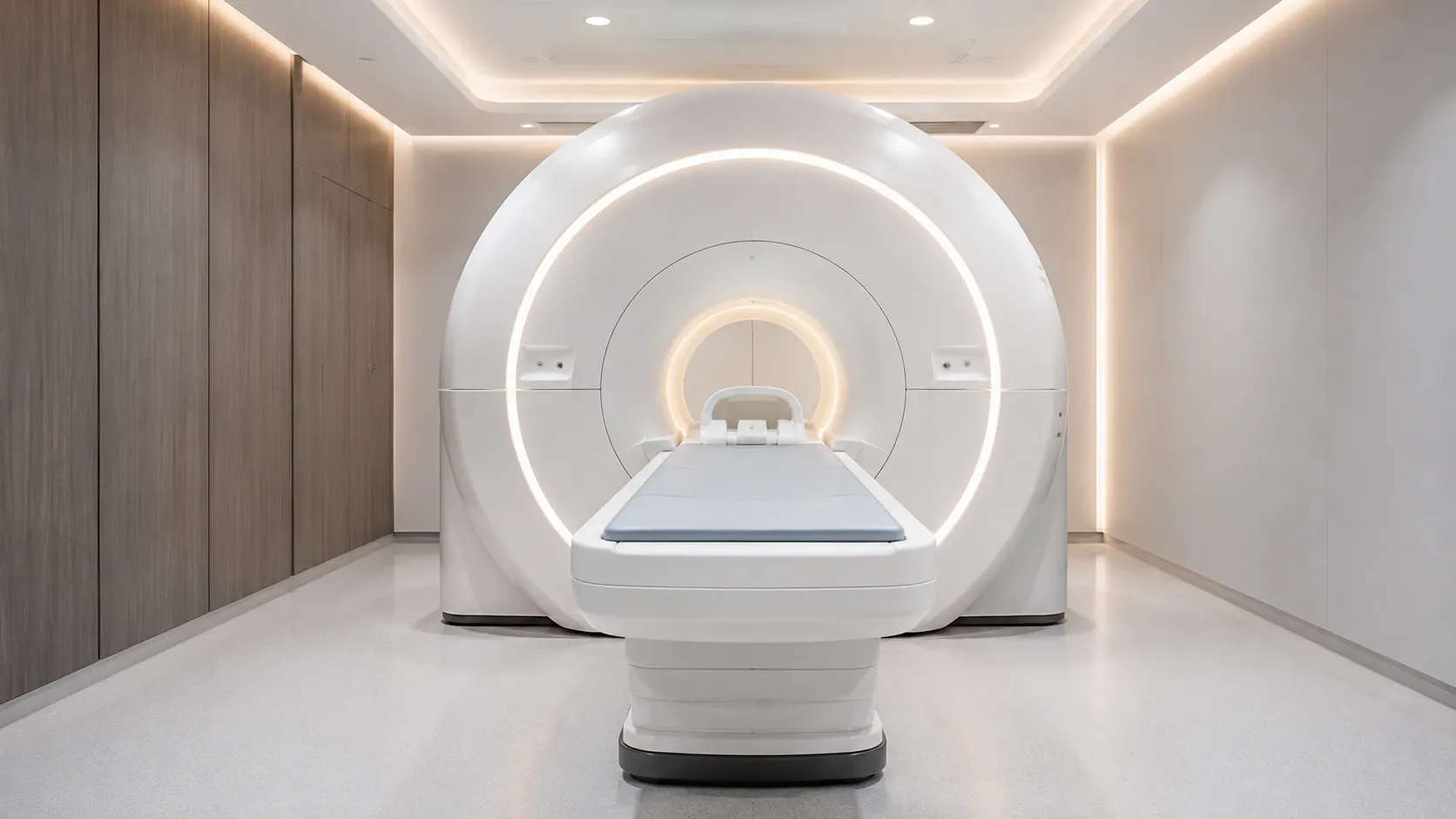
Diagnostic Imaging Departments- Imaging equipment often represents a substantial infrastructure investment.
Protecting Imaging Workflows – Stable power availability supports operational continuity and equipment protection.
Reducing Restart Delays – Reliable backup systems help minimise interruptions to diagnostic operations.
Laboratory Operations- Laboratory environments often rely on automated systems and specialised equipment.
Preserving Analytical Processes – Backup power can support ongoing laboratory workflows during outages.
Protecting Temperature-Controlled Equipment – Reliable electrical infrastructure helps maintain environmental consistency.
Healthcare Communication Networks- Communication systems play a critical role during routine operations and emergencies.
Supporting Facility Coordination – Communication platforms help maintain information flow across departments.
Maintaining Emergency Response Readiness – A reliable communication infrastructure strengthens organisational resilience.
Buyer Insights
Healthcare procurement teams should evaluate solutions based on long-term operational performance, scalability, and infrastructure compatibility.
Aligning Capacity with Operational Demand – Understanding current and future electrical requirements helps prevent underinvestment or overspending.
Planning for Facility Growth – Infrastructure should support future expansion without requiring complete replacement.
Evaluating Redundancy Strategies – Multiple layers of backup protection can improve resilience.
Assessing Monitoring Capabilities – Visibility into system performance supports proactive management.
Considering Lifecycle Costs – Long-term maintenance, testing, fuel management, and operational requirements influence total ownership costs.
Organisations researching healthcare infrastructure investments can explore industry opportunities through Medigear.uk's healthcare procurement network, where buyers can discover relevant equipment categories and sourcing options.
Operational Benefits Beyond Emergency Preparedness
While backup power systems are often viewed through the lens of emergency planning, their value extends into everyday operations.
Improving Infrastructure Confidence – Reliable power systems assure that essential equipment remains supported.
Supporting Risk Management Objectives – Organisations can reduce exposure to operational disruptions.
Enhancing Business Continuity Planning – Backup infrastructure strengthens long-term operational resilience.
Improving Facility Readiness – Continuous monitoring and maintenance support organisational preparedness.
Healthcare technology providers and infrastructure specialists can connect with procurement audiences through the Medigear.uk supplier platform.
Maintenance and Operational Insights
Even the most advanced backup power systems require ongoing attention to deliver dependable performance.
Performing Scheduled Testing – Routine testing verifies system functionality and readiness.
Monitoring Battery Performance – Battery degradation can affect backup capabilities if not managed proactively.
Inspecting Generator Systems – Regular inspections help identify wear, fuel issues, or mechanical concerns.
Reviewing Transfer System Performance – Transition systems should be evaluated to ensure reliable operation.
Maintaining Accurate Documentation – Performance records support planning, compliance, and operational improvement efforts.
Building a Proactive Maintenance Culture- Facilities that prioritise preventive maintenance often experience fewer unexpected disruptions.
Identifying Issues Early – Monitoring technologies help detect developing concerns before failures occur.
Supporting Resource Planning – Maintenance data assists with budgeting and replacement strategies.
Extending Infrastructure Lifespan – Consistent servicing can improve long-term equipment performance.
Organisations seeking assistance with healthcare infrastructure sourcing or technical information can contact Medigear.uk via its contact page.
Industry Trends Shaping Healthcare Power Resilience
The healthcare power infrastructure landscape continues evolving.
Industry Trends
Expanding Smart Monitoring Adoption – Real-time monitoring platforms provide deeper visibility into infrastructure health.
Growing Interest in Predictive Maintenance – Data-driven maintenance strategies help reduce downtime risks.
Increasing Infrastructure Digitalisation – Backup systems are becoming more integrated with broader facility management platforms.
Strengthening Disaster Preparedness Planning – Healthcare organisations are investing more heavily in resilience initiatives.
Exploring Sustainable Power Solutions – Facilities increasingly seek approaches that balance resilience with environmental objectives.
Integrating Smart Hospital Technologies – Backup power systems are becoming part of connected healthcare ecosystems that improve operational awareness.
Organisations interested in collaborative healthcare infrastructure initiatives can learn more through Medigear.uk's partnership opportunities. UK's partners. Businesses looking to increase visibility for power infrastructure and healthcare technology solutions may benefit from promotional opportunities at Medigear.uk's advertise.
Disclaimer
Medigear.uk is a medical equipment supplier and distributor. We do not provide medical advice, diagnosis, or treatment recommendations. All information is for educational and product awareness purposes only. Qualified medical professionals should always make healthcare decisions.