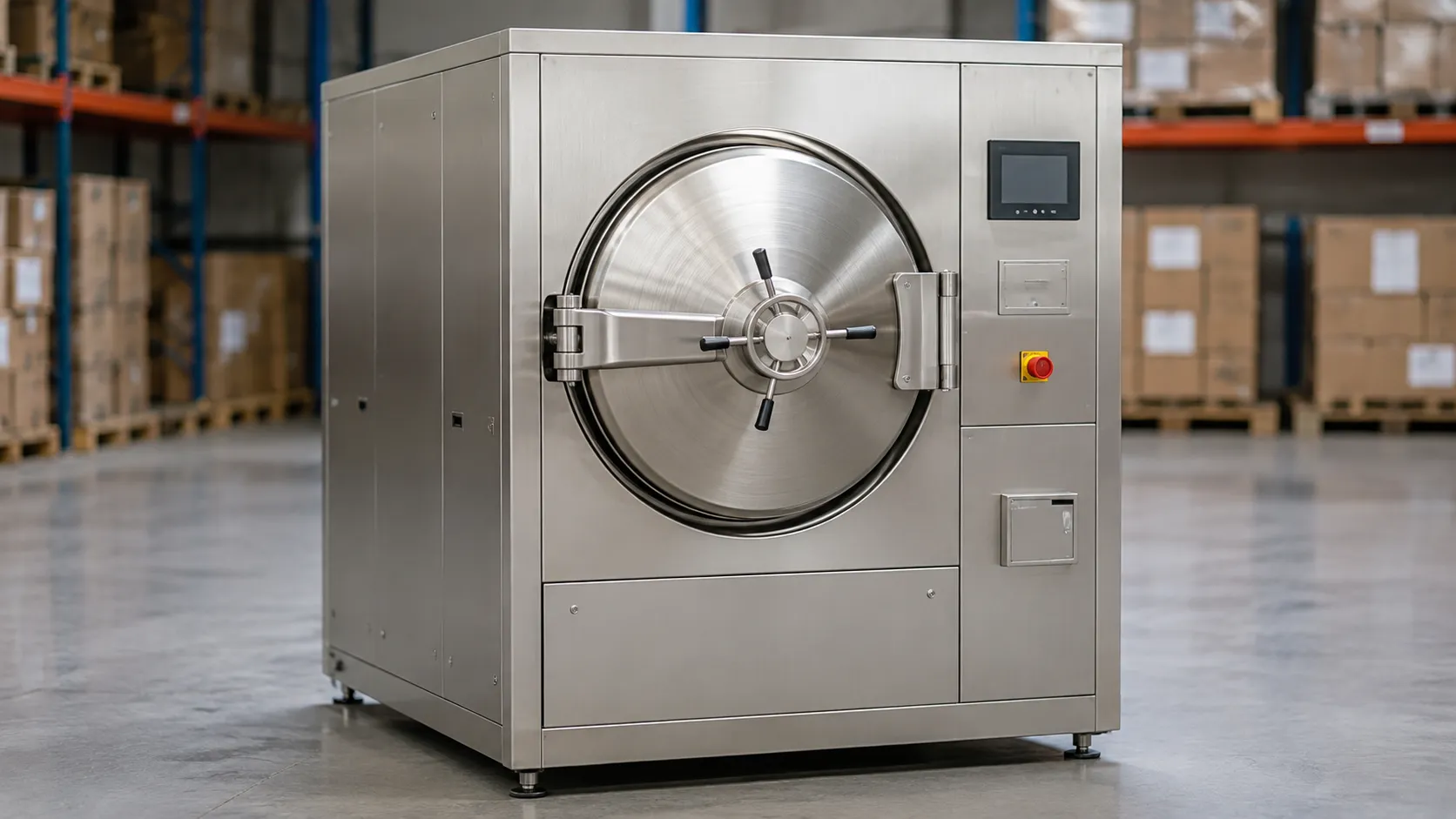
Behind every efficient dental operatory is a reliable compressed air system. While patients may never notice it, a dental compressor powers many essential instruments and contributes to the smooth operation of daily clinical procedures. From handpieces and air-water syringes to certain treatment units, a dependable compressor helps maintain workflow continuity and supports consistent equipment performance.
Selecting the right dental compressor involves more than comparing specifications or purchase prices. Dental practice owners and healthcare buyers must evaluate factors such as clinic size, patient volume, treatment scope, infrastructure requirements, maintenance needs, and future expansion plans. A compressor that is too small may struggle to meet demand, while an oversized system could lead to unnecessary operational costs.
Modern dental compressors have also evolved alongside digital dentistry. Improved energy efficiency, quieter operation, advanced filtration technologies, and smart monitoring features are influencing purchasing decisions for new and established practices alike. Understanding these developments helps buyers make informed choices that align with long-term operational goals.
This Medigear.The UK educational guide explores the key considerations for choosing a dental compressor and how proper planning can support efficient dental practice management.
Why Dental Compressors Matter
Compressed air supports various aspects of dental practice operations.
Supporting Daily Clinical Procedures — Reliable compressed air contributes to smooth treatment workflows.
Helping Equipment Performance — Stable air supply supports connected dental instruments.
Improving Patient Experience — Quiet and efficient systems contribute to comfortable treatment environments.
Supporting Practice Growth — Appropriate compressor selection accommodates the expansion of clinical services.
Dental practices planning operatory upgrades may also benefit from Medigear.uk's educational article on Dental Chairs: Features Buyers Should Know, which covers complementary treatment-room infrastructure.
Understanding Compressor Types
Different compressor designs suit different practice requirements.
Oil-Free Compressors- Oil-free systems are widely used in dental environments.
Simplifying Maintenance — Reduced lubrication requirements support operational efficiency.
Supporting Clean Air Delivery — Modern filtration systems complement dental workflows.
Oil-Lubricated Compressors- Some applications utilise lubricated compressor technologies.
Supporting Mechanical Durability — Appropriate maintenance contributes to equipment longevity.
Providing Reliable Performance — Routine servicing helps maintain operational consistency.
Capacity Planning- Choosing the correct compressor size is an important procurement consideration.
Matching Patient Volume — Air demand should align with daily practice activity.
Supporting Multiple Operatories — Larger clinics may require increased compressor capacity.
Preparing for Future Expansion — Scalable systems accommodate additional treatment rooms.
Reducing Operational Interruptions — Proper sizing helps maintain workflow continuity.
Healthcare buyers evaluating equipment procurement strategies can access additional industry insights through Medigea's specialised healthcare buyer network.
Air Quality and Filtration- Air quality influences compressor performance and connected equipment.
Supporting Equipment Protection — Filtration systems help maintain air quality standards.
Managing Moisture — Drying technologies contribute to operational reliability.
Reducing Contaminants — Modern filtration systems improve compressed air management.
Supporting Practice Efficiency — Clean air systems help maintain the performance of connected equipment.
Noise Considerations
Compressor operation influences the clinical environment.
Improving Patient Comfort — Quieter equipment contributes to a more relaxed atmosphere.
Supporting Staff Wellbeing — Reduced operational noise improves workplace conditions.
Offering Installation Flexibility — Low-noise systems simplify equipment placement.
Installation Planning
Successful compressor installation requires careful planning.
Managing Available Space — Equipment dimensions influence facility layouts.
Supporting Ventilation Requirements — Proper airflow is essential for reliable operation.
Planning Utility Connections — Electrical and plumbing requirements should align with infrastructure.
Preparing for Future Growth — Flexible installation planning supports clinic expansion.
Practices evaluating broader infrastructure development may also find Medigear. The UK's educational content on Essential Equipment for Modern Dental Clinics is useful for comprehensive planning.
Maintenance Considerations
Long-term reliability depends on structured maintenance.
Protecting Mechanical Components — Preventive servicing supports operational consistency.
Managing Filtration Systems — Routine inspections help maintain air quality.
Supporting Equipment Longevity — Scheduled maintenance contributes to long-term performance.
Reducing Unexpected Downtime — Proactive servicing supports continuity of practice.
Dental practices requiring technical assistance can access Medigear.uk's equipment support services.
Future Trends
Dental compressor technology continues evolving.
Smart Monitoring Systems — Digital technologies support equipment oversight.
Energy-Efficient Designs — Modern systems contribute to sustainable operations.
Connected Equipment Ecosystems — Integration supports digital dentistry workflows.
Predictive Maintenance — Advanced monitoring may help reduce unexpected service interruptions.
Health organisations in collaborative innovation can explore Medigear.uk's healthcare partnership opportunities, while manufacturers and distributors may benefit from the supplier collaboration platform.
Dental equipment companies seeking to reach healthcare decision-makers can also explore Medigear.uk's healthcare advertising opportunities.
Buyer Insights
Selecting a dental compressor is a long-term investment that affects daily clinical operations, equipment performance, and future practice growth. Buyers should evaluate operational requirements rather than focusing solely on compressor specifications or initial purchase costs.
Matching Compressor Capacity to Practice Needs — General dentistry, orthodontic clinics, oral surgery centres, and multi-chair practices may have different compressed air requirements.
Considering Total Ownership Costs — Procurement planning should include installation, filtration systems, dryers, maintenance contracts, utility consumption, replacement components, and future upgrades.
Planning for Practice Expansion — Scalable compressor solutions allow clinics to add operatories without major infrastructure modifications.
Supporting Digital Dentistry — Modern compressors can complement connected equipment ecosystems and digital workflows. Practices planning technology upgrades may also benefit from Medigear.uk's educational article on Dental Imaging Equipment Guide.
Healthcare professionals and procurement teams can explore Medigea's specialised healthcare buyer community for industry insights and sourcing strategies.
Maintenance & Operational Insights
A structured maintenance program supports compressor reliability and operational efficiency.
Protecting Mechanical Components — Routine inspections help maintain motors, pumps, and air delivery systems.
Managing Filtration Performance — Scheduled filter replacement supports consistent compressed air quality.
Monitoring Moisture Control — Drying systems benefit from periodic evaluation to maintain operational efficiency.
Supporting Energy Efficiency — Regular servicing can optimise and maximise equipment performance.
Building Team Awareness — Staff familiarity with routine operational checks supports equipment longevity.
Dental practices that require technical guidance or equipment assistance can access support through Medigear.uk's customer support services.
Industry Trends
Smart Compressor Technology- Digital monitoring continues influencing equipment management.
Supporting Equipment Oversight — Smart systems may provide operational performance information.
Energy-Efficient Systems- Sustainability continues to shape procurement decisions.
Reducing Resource Consumption — Modern compressor designs focus on operational efficiency.
Connected Dental Infrastructure- Integrated technologies support digital practice development.
Improving Workflow Coordination — Connected equipment complements modern operatories.
Predictive Maintenance - Equipment analytics continue to evolve.
Reducing Unexpected Downtime — Monitoring technologies support proactive servicing.
Healthcare Collaboration- Innovation continues to benefit from collaboration across healthcare industries. Organisations interested in strategic collaboration can explore Medigear.uk's healthcare partnership initiative. At the same time, equipment manufacturers and distributors may engage through the supplier collaboration network. Companies seeking greater visibility among healthcare decision-makers can also leverage Medigear.uk's healthcare advertising opportunities.
Conclusion
Choosing the right dental compressor requires balancing clinical needs, operational efficiency, future growth, and long-term ownership considerations. Capacity planning, air quality, noise levels, maintenance requirements, installation planning, and digital integration all contribute to successful equipment selection.
By taking a strategic approach to procurement, dental practices can build a reliable compressed-air infrastructure that supports efficient workflows and adapts to the ongoing evolution of modern dentistry.
Disclaimer
Medigear.uk is a medical equipment supplier and distributor. We do not provide medical advice, diagnosis, or treatment recommendations. All information is provided for educational and product awareness purposes only. Qualified medical professionals should always make healthcare decisions.