Every successful dental practice depends on a process that patients rarely see but trust implicitly. Before a handpiece touches a tooth or an instrument tray reaches the treatment room, a carefully managed sterilisation workflow helps prepare reusable equipment for the next procedure. The efficiency of this process influences clinical scheduling, operational productivity, and overall practice management.
Modern dental sterilisation equipment has evolved from standalone devices into integrated processing systems. Practices now combine cleaning, packaging, sterilisation, storage, and documentation technologies to create organised instrument reprocessing workflows. For growing clinics, selecting appropriate sterilisation equipment is not simply a compliance exercise but an investment in operational resilience and long-term efficiency.
Dental practice owners planning new facilities or upgrading existing decontamination areas often evaluate sterilisation infrastructure alongside broader operatory development. Understanding the available equipment categories and workflow considerations can help buyers make informed procurement decisions and prepare for future practice growth.
Creating an Efficient Instrument Processing Workflow
Sterilisation equipment works most effectively when individual components function as part of an organised system.
Supporting Continuous Patient Flow — Efficient instrument turnaround helps reduce treatment delays during busy clinical schedules.
Organising Reprocessing Activities — Dedicated cleaning, packaging, sterilisation, and storage areas improve workflow consistency.
Reducing Manual Handling — Structured processing systems simplify instrument management.
Preparing for Future Expansion — Flexible equipment planning supports increasing patient volumes.
Dental practices modernising treatment rooms may also benefit from Medigear.uk's educational article on Dental Chairs: Features Buyers Should Know, which explores operatory planning considerations that complement sterilisation infrastructure.
Equipment Commonly Found in Sterilisation Areas
Instrument Cleaning Systems- Cleaning represents an important stage of instrument processing.
Supporting Consistent Cleaning Results — Automated technologies help standardise instrument preparation.
Improving Workflow Efficiency — Dedicated cleaning equipment streamlines routine processing.
Ultrasonic Cleaning Units- Ultrasonic technology assists with instrument preparation.
Reaching Complex Instrument Surfaces —Specialised cleaning action supports intricate equipment designs.
Reducing Manual Cleaning Time — Automated processes improve operational efficiency.
Instrument Packaging Equipment: Packaging systems organise instruments before sterilisation.
Supporting Instrument Identification — Organised packaging simplifies storage and retrieval.
Improving Workflow Management — Structured preparation supports efficient processing.
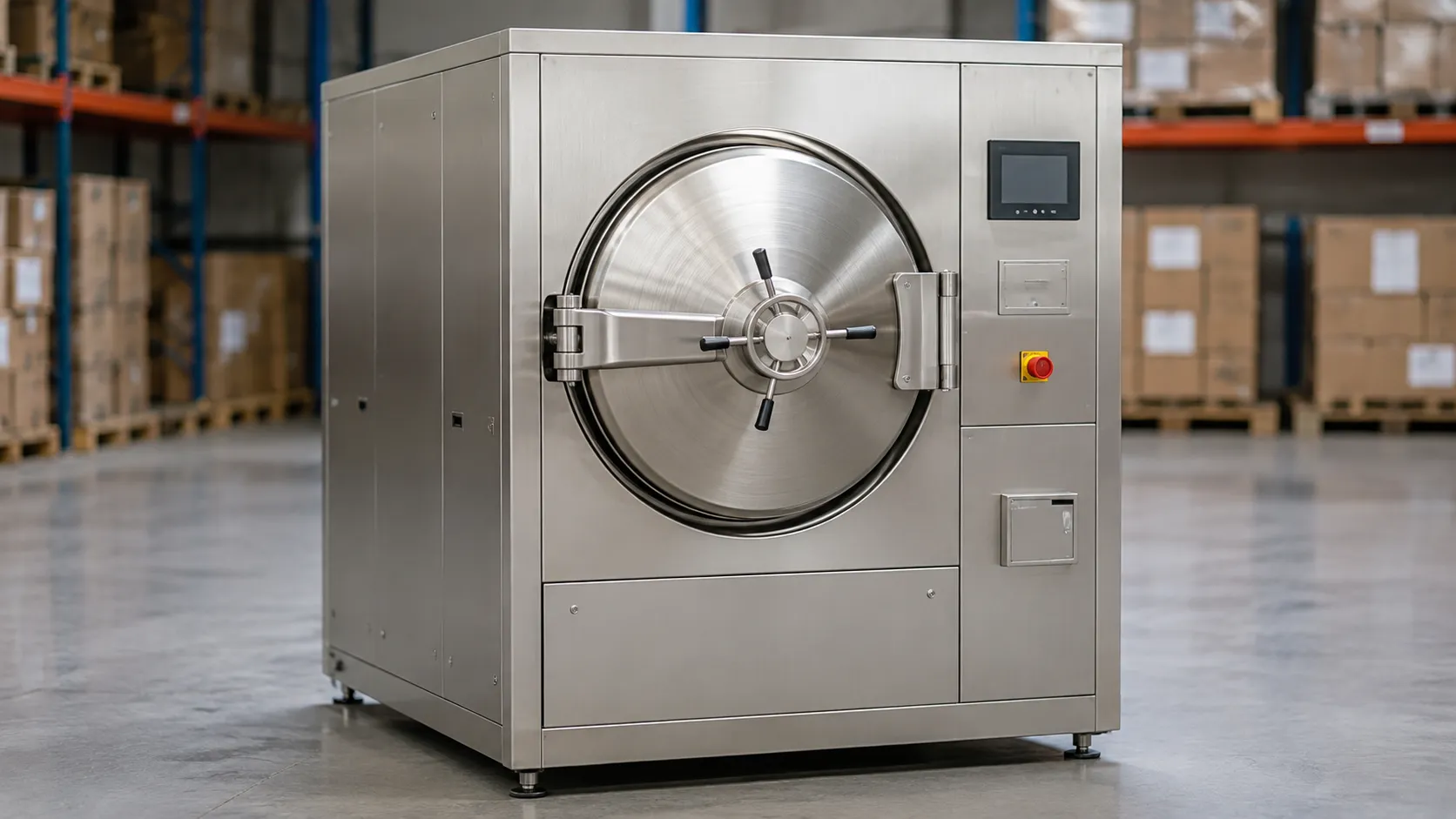
Steam Sterilisers- Steam sterilisation equipment remains a central component of many dental practices.
Supporting Instrument Reprocessing — Reliable sterilisation systems contribute to organised clinical workflows.
Managing Daily Instrument Demand — Appropriate chamber capacity helps match patient volumes.
Practices evaluating treatment room development often compare sterilisation planning with broader equipment strategies discussed in Medigear UK's Essential Equipment for Modern Dental Clinics.
Storage Solutions- Proper storage supports organised instrument management.
Protecting Processed Instruments — Dedicated storage areas simplify inventory organisation.
Improving Accessibility — Well-planned layouts help clinical teams locate equipment efficiently.
Planning a Sterilisation Area
An effective sterilisation room extends beyond equipment selection.
Managing Available Space — Workflow design influences processing efficiency.
Supporting Team Movement — Practical layouts reduce unnecessary handling.
Preparing Utility Connections — Water, electrical, and ventilation requirements should align with equipment specifications.
Allowing Future Growth — Expandable designs accommodate increasing clinical activity.
Healthcare buyers evaluating equipment procurement strategies can access additional industry insights through Medigear.uk's specialised buyer network.
Buyer Considerations Before Investing
Selecting sterilisation equipment involves practical operational questions.
Will processing capacity support patient volumes?
How easily can maintenance be performed?
Are replacement parts readily available?
Can additional equipment be added later?
Does the equipment integrate smoothly into existing workflows?
Dental equipment manufacturers and distributors interested in expanding their access to the healthcare market can explore Medigear.uk's supplier collaboration platform.
Looking Ahead
Dental sterilisation technology continues to develop alongside digital dentistry.
Supporting Connected Workflows — Digital systems simplify the organisation of processes.
Improving Equipment Monitoring — Smart technologies assist operational management.
Encouraging Sustainable Practice Operations — Efficient equipment contributes to resource planning.
Strengthening Industry Collaboration — Healthcare innovation benefits from collaborative partnerships. Organisations interested in sector collaboration can learn more through Medigear.uk's healthcare partnership initiatives.
Building Industry Visibility — Dental equipment providers seeking to connect with healthcare decision-makers can explore Medigear.uk's healthcare advertising opportunities.
Conclusion
Sterilisation equipment is an essential part of modern dental practice, supporting organised instrument processing and efficient clinical workflows. Careful planning of cleaning systems, packaging equipment, sterilisers, storage solutions, and workspace design helps practices prepare for long-term operational demands while maintaining flexibility for future growth.
Practice owners requiring equipment guidance or technical assistance can also access Medigear.uk's customer support resources for additional information.
Buyer Insights
A sterilisation area is one of the busiest operational zones in a dental practice, making equipment selection an important long-term investment. Buyers who focus solely on steriliser capacity may overlook other factors that influence efficiency and ownership costs.
Matching Equipment to Practice Activity — General dentistry, orthodontic clinics, oral surgery practices, and multi-chair facilities may have different instrument processing demands.
Evaluating Complete Workflow Costs — Procurement planning should include cleaning systems, packaging equipment, sterilisers, storage solutions, installation, staff training, maintenance contracts, and future upgrades.
Preparing for Practice Expansion — Modular sterilisation equipment allows clinics to increase processing capacity as patient numbers grow.
Supporting Digital Documentation — Connected equipment can complement broader digital dentistry workflows. Practices modernising their infrastructure may also find value in Medigear.uk's educational article, the Dental Imaging Equipment Guide.
Dental practice owners and procurement teams seeking industry insights can explore Medigear.uk's specialised buyer community.
Maintenance & Operational Insights
Sterilisation equipment performs best when supported by preventive maintenance and structured operational procedures.
Protecting Equipment Reliability — Routine inspections help maintain the reliability of mechanical and electronic components.
Maintaining Cleaning Performance — Scheduled servicing supports consistent equipment operation.
Managing Water Quality — Appropriate water management contributes to equipment longevity.
Supporting Workflow Efficiency — Organised maintenance schedules reduce unexpected operational interruptions.
Building Team Competency — Ongoing education helps staff maximise equipment capabilities and maintain consistent processing routines.
Practices seeking technical assistance can obtain additional support through Medigear.uk's equipment support services.
Industry Trends
Connected Sterilisation Management- Digital technologies continue to influence instrument processing workflows.
Improving Process Organisation — Connected systems help simplify operational management.
Smart Equipment Monitoring- Predictive maintenance technologies are becoming increasingly relevant.
Reducing Unexpected Downtime — Performance monitoring supports proactive servicing.
Sustainable Sterilisation Solutions- Environmental considerations influence purchasing decisions.
Supporting Resource Efficiency — Modern equipment contributes to long-term sustainability planning.
Digital Record Integration - Electronic documentation continues to expand within dental practices.
Simplifying Information Management — Integrated systems improve workflow coordination.
Healthcare Industry Collaboration- Innovation continues to benefit from collaboration between healthcare stakeholders.
Dental industry organisations interested in collaborative opportunities can explore Medigear.uk's healthcare partnership initiatives, while manufacturers and distributors may engage through the medical supplier network. Businesses looking to increase visibility among healthcare professionals can also explore Medigear.uk's industry advertising platform.
Disclaimer
Medigear.uk is a medical equipment supplier and distributor. We do not provide medical advice, diagnosis, or treatment recommendations. All information is for educational and product awareness purposes only. Qualified medical professionals should always make healthcare decisions.