Modern dental clinics are evolving into highly coordinated treatment environments where efficiency, patient comfort, and clinical precision work together. A practice designed for preventive care alone may have very different equipment needs from one providing restorative, cosmetic, surgical, or pediatric services. Choosing the right equipment, therefore,e becomes an operational decision as much as a clinical one.
Patients increasingly expect shorter appointments, improved comfort, and access to advanced treatment options. At the same time, dental professionals seek equipment that supports accurate diagnosis, ergonomic workflows, and long-term reliability. The result is a growing focus on integrated dental operatory planning rather than simply purchasing individual devices.
For healthcare buyers and clinic planners, understanding the essential categories of dental equipment helps create treatment spaces that adapt to changing patient demands while supporting sustainable practice growth. This guide explores the core equipment that contributes to modern dental clinic operations and future-ready dental care.
Building an Efficient Treatment Environment
A successful dental clinic depends on equipment that supports smooth daily workflows.
Creating Comfortable Treatment Spaces – Well-designed operatories help improve patient experiences while supporting clinician ergonomics.
Supporting Clinical Precision – Modern diagnostic and treatment equipment assists dental professionals during routine and complex procedures.
Improving Workflow Coordination – Integrated systems reduce unnecessary movement and simplify treatment processes.
Preparing for Service Expansion – Flexible equipment planning allows clinics to introduce additional dental services over time.
Healthcare organisations evaluating clinic development strategies often compare infrastructure planning with broader approaches to healthcare equipment procurement.
Dental Chairs and Delivery Systems
The dental chair remains the centre of every treatment room.
Enhancing Patient Comfort – Adjustable positioning supports a variety of clinical procedures.
Supporting Clinician Access – Ergonomic designs improve treatment efficiency.
Integrating Essential Functions – Delivery units may incorporate air, water, suction, and instrument controls within easy reach.
Modern treatment centres increasingly prefer modular systems that accommodate future technology upgrades.
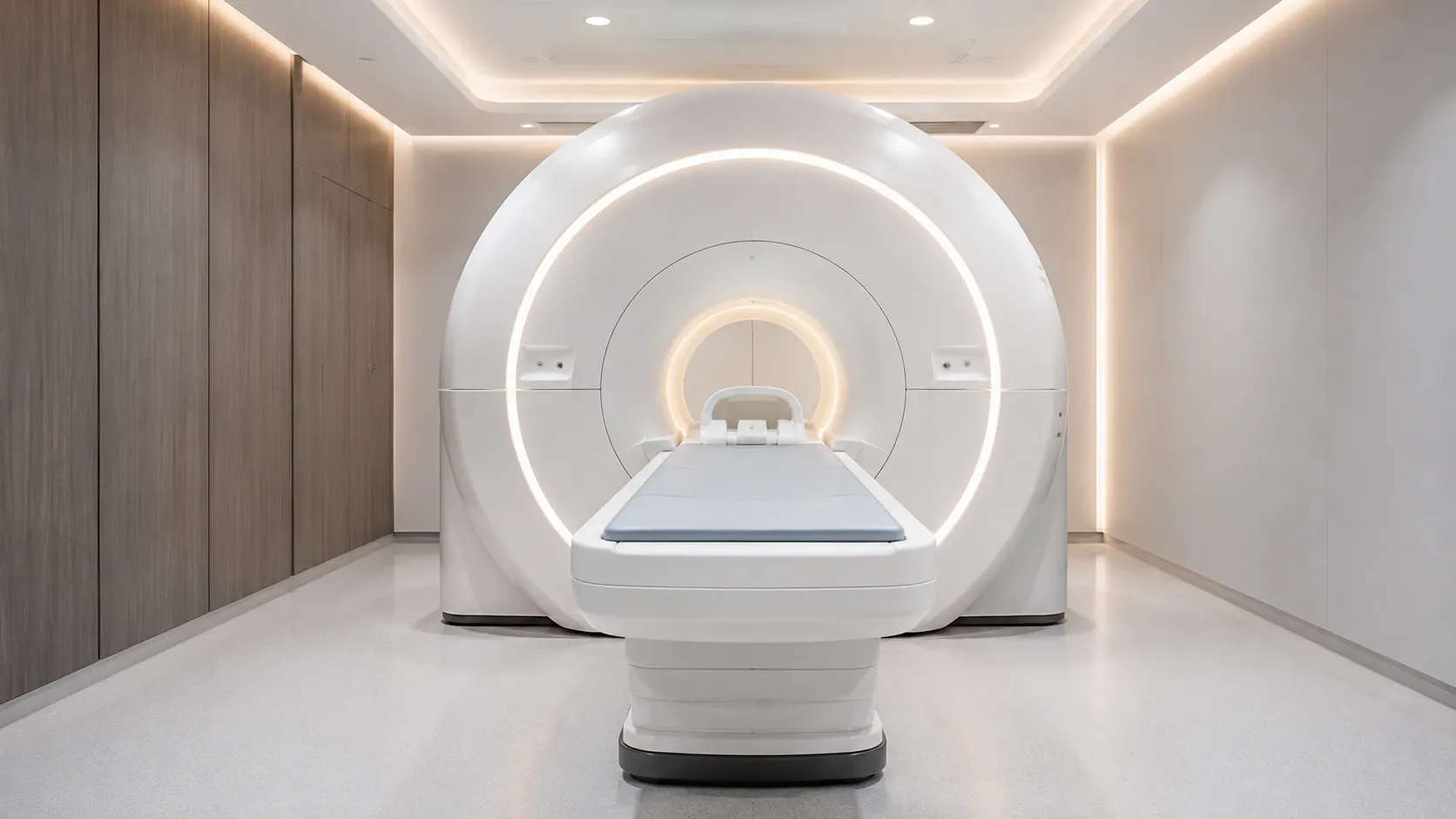
Diagnostic Imaging Equipment
Accurate diagnosis supports effective treatment planning.
Providing Detailed Visual Information – Digital imaging systems improve diagnostic capabilities.
Reducing Workflow Delays – Rapid image acquisition supports efficient patient management.
Supporting Comprehensive Assessment – Multiple imaging options assist various dental specialities.
Digital technologies have simplified image storage and information sharing within dental practices.
Dental Operating Lights
Lighting quality directly influences treatment accuracy.
Improving Visibility – Consistent illumination helps clinicians perform detailed procedures.
Reducing Eye Fatigue – Adjustable lighting supports longer clinical sessions.
Supporting Colour Accuracy – Natural light characteristics assist restorative and cosmetic work.
Energy-efficient lighting technologies contribute to operational sustainability. Sterilisation and Infection Control Equipment
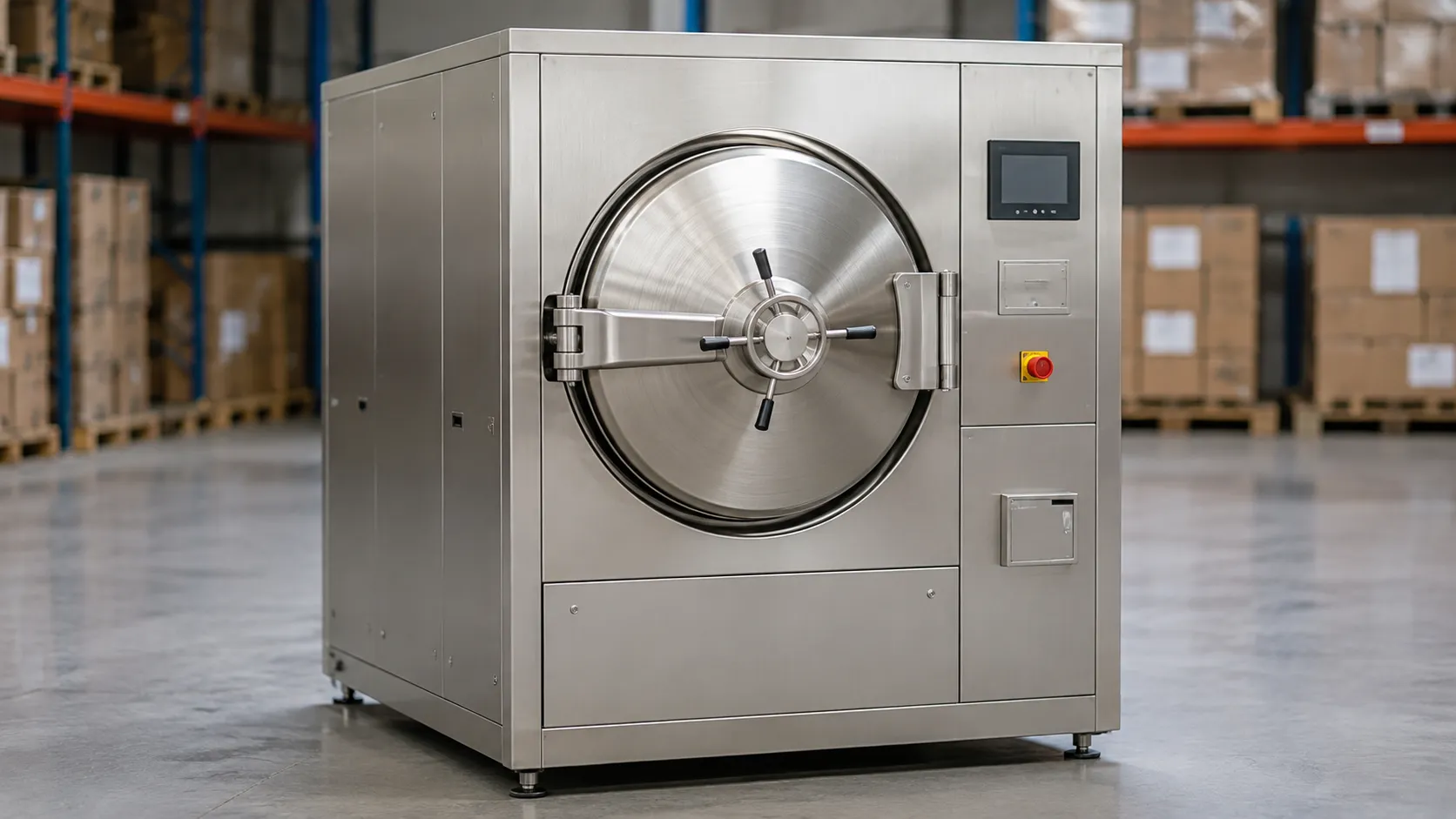
Patient safety remains a priority for every dental facility.
Supporting Instrument Reprocessing – Dedicated sterilisation equipment helps maintain workflow consistency.
Organising Clean and Used Instruments – Structured layouts improve efficiency.
Enhancing Operational Reliability – Standardised sterilisation processes simplify practice management.
Preventive maintenance and proper staff training contribute to equipment longevity.
Suction and Air Systems
Reliable utility systems support daily dental procedures.
Maintaining Clear Treatment Fields – Effective suction improves clinical visibility.
Supporting Patient Comfort – Efficient systems help reduce procedure interruptions.
Enhancing Equipment Performance – Stable air and vacuum systems contribute to reliable operation.
Healthcare planners often evaluate utility infrastructure alongside overall clinic design.
Handpieces and Clinical Instruments
Dental handpieces remain essential clinical tools.
Supporting Multiple Procedures – Different configurations accommodate preventive, restorative, and surgical applications.
Improving Precision – High-performance systems support detailed clinical work.
Reducing Procedure Times – Efficient equipment contributes to productive workflows.
Regular servicing supports consistent performance.
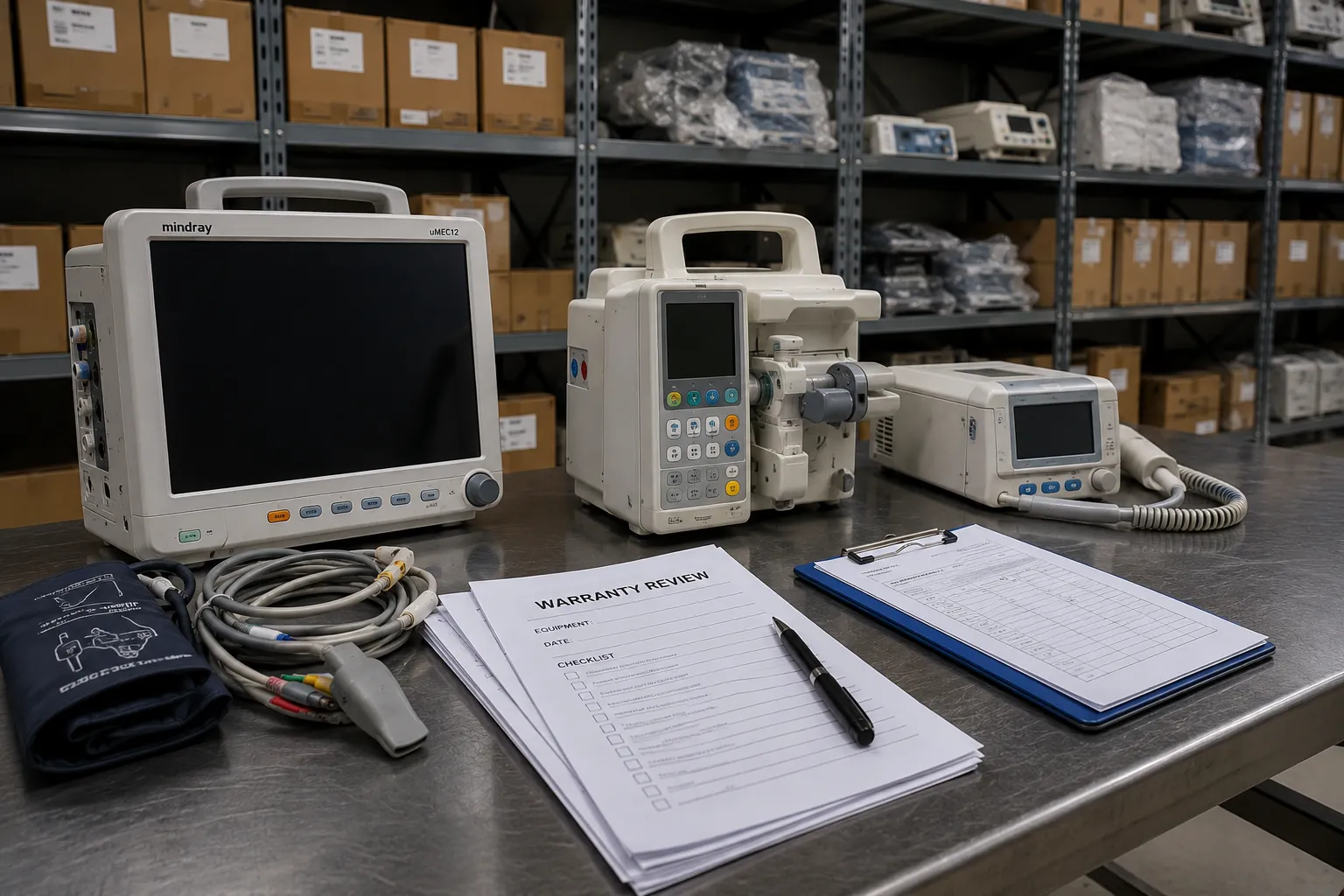
Patient Monitoring and Support Equipment
Some dental procedures benefit from additional patient observation.
Supporting Clinical Awareness – Monitoring technologies provide valuable physiological information.
Enhancing Patient Confidence – Visible safety measures improve patient experiences.
Complementing Specialised Services – Additional equipment supports the expansion of clinical capabilities.
Digital Practice Integration
Modern clinics increasingly connect equipment through digital platforms.
Simplifying Documentation – Electronic records improve information management.
Supporting Appointment Coordination – Integrated systems enhance workflow planning.
Improving Communication – Shared information supports multidisciplinary care where required.
Preparing for Future Technology – Connected infrastructure accommodates evolving dental innovations.
Healthcare buyers exploring equipment procurement can benefit from Medigear.uk's healthcare buyer resources for market insights and planning support.
Emerging Directions for Dental Clinics
Several developments continue influencing equipment planning.
Artificial Intelligence Support – Advanced software may assist image analysis and workflow management.
Digital Dentistry Expansion – Connected technologies continue improving operational efficiency.
Enhanced Ergonomic Designs – Equipment increasingly supports clinician comfort.
Smart Maintenance Systems – Predictive servicing helps reduce downtime.
Sustainable Equipment Solutions – Energy-efficient technologies support environmental goals.
Industry collaboration and supplier relationships continue to support innovation across dental healthcare environments. Healthcare organisations interested in partnerships and supplier networks can explore Medigear.uk's industry collaboration initiatives.
Conclusion
Essential equipment for modern dental clinics extends beyond treatment chairs and instruments. Contemporary practices rely on integrated systems that support diagnosis, patient care, infection control, digital workflows, and long-term operational efficiency. Careful equipment planning helps clinics adapt to changing patient expectations while supporting safe and effective dental services.
As dental technology continues to evolve, healthcare organisations that prioritise flexible, scalable, and connected equipment solutions will be better positioned to meet future clinical and operational challenges.
Buyer Insights
Opening or upgrading a dental clinic involves balancing clinical requirements with financial planning and long-term operational goals. Successful procurement strategies focus on workflow efficiency rather than purchasing equipment individually.
Planning Around Treatment Scope – Clinics offering preventive, restorative, cosmetic, surgical, or pediatric services may require different equipment configurations.
Considering Total Ownership Costs – Budget planning should include installation, maintenance agreements, software updates, consumables, training, and future technology upgrades.
Choosing Expandable Systems – Modular dental units enable practices to add services without major infrastructure changes.
Supporting Digital Integration – Equipment compatible with digital imaging and practice management software can improve operational efficiency.
Dental practice owners and procurement teams seeking industry insights can benefit from Medigear.uk's healthcare buyer community, which supports informed equipment sourcing decisions.
Maintenance & Operational Insights
Reliable dental equipment contributes to smooth clinical operations and patient confidence.
Protecting Clinical Performance – Routine servicing helps maintain equipment functionality and treatment consistency.
Maintaining Imaging Accuracy – Diagnostic equipment benefits from scheduled calibration and quality checks.
Supporting Infection Prevention –Sterilisation equipment and clinical surfaces require structured maintenance and cleaning protocols.
Managing Utility Systems – Dental air, suction, and water systems should undergo periodic inspection to support reliable operation.
Strengthening Team Competency – Regular staff education helps maximise equipment utilisation and supports safe clinical workflows.
Dental practices requiring technical guidance or equipment support can access Medigear.uk's customer assistance resources for additional information.
Industry Trends
Digital Dentistry Expansion- Connected technologies continue to reshape dental practice operations.
Improving Workflow Coordination – Digital systems simplify patient management and documentation.
Artificial Intelligence- AI applications are gradually entering dental healthcare.
Supporting Diagnostic Review – Advanced software may assist clinical workflows and image interpretation.
Smart Equipment Monitoring - Predictive maintenance technologies continue to evolve.
Reducing Unexpected Downtime – Equipment monitoring supports proactive servicing.
Sustainable Dental Practice Development - Healthcare organisations increasinglincreasingly valuetally conscious technologies.
Supporting Energy Efficiency – Modern equipment contributes to long-term operational planning.
Connected Healthcare Networks- Digital communication continues to improve healthcare collaboration.
Strengthening Information Sharing – Integrated systems support efficient patient management.
Healthcare organisations interested in industry collaboration can explore Medigear.uk's partnership opportunities, while dental equipment suppliers may engage through supplier collaboration programs.
Disclaimer
Disclaimer: Medigear.uk is a medical equipment supplier and distributor. We do not provide medical advice, diagnosis, or treatment recommendations. All information is for educational and product awareness purposes only. Qualified medical professionals should always make healthcare decisions.