
Introduction
As robotic surgery becomes part of everyday practice, it is quietly reshaping how surgeons are trained. A generation of surgeons now has to learn not only the enduring principles of their craft but a new way of operating — and medical education is adapting to teach it. That shift is changing surgical training in real ways.
This article explains how robotic surgery is changing medical training: the new skills it demands, how surgeons learn them, and why balancing the new with the enduring matters. It is written for surgical education and hospital teams across the UK, Europe, the US, the Gulf and South Africa who want a clear account.
A new skill to learn
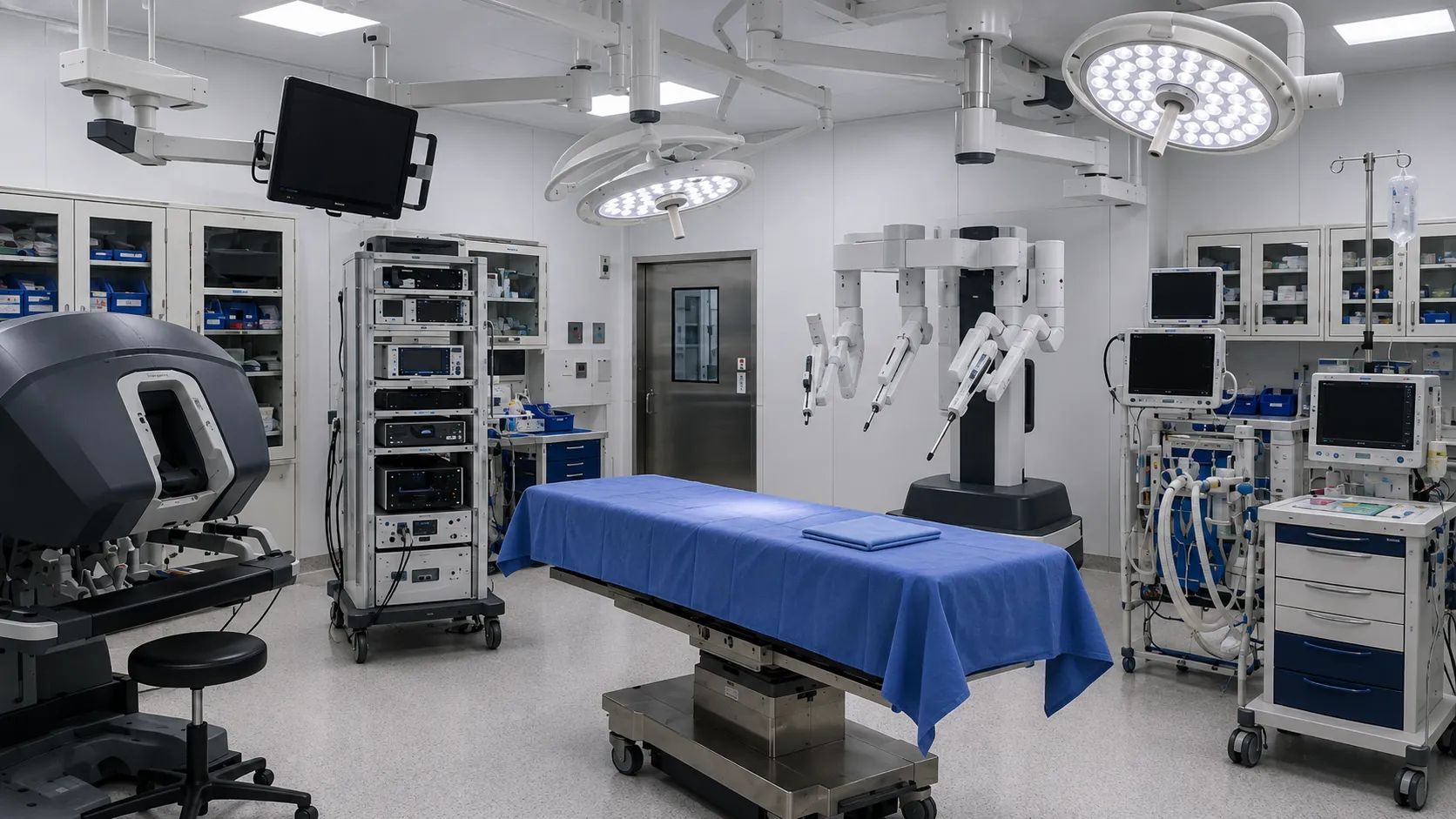
Operating with a robotic system is a genuinely different skill from both open and conventional keyhole surgery. A surgeon works from a console, controlling instruments through the system rather than holding them directly, and learns to translate their intentions through that interface. Learning to do this well is a distinct part of a modern surgeon's education.
This does not replace what surgeons have always needed to know; the anatomy, the judgement, the understanding of the operation remain as essential as ever. But it adds a new layer of skill on top, and fitting that into surgical training is one of the ways robotic surgery is changing how surgeons are made.
It is a demanding addition, too. Becoming genuinely skilled with a robotic system takes real time and practice, and training has to make room for that alongside everything else a surgeon must learn.
Learning safely, before the patient
One of the most valuable changes robotics has brought to training is the ability to practise away from real patients. Surgeons can build console skills on simulators and in other supervised settings, developing familiarity and confidence before they operate, so that early learning does not happen at a patient's expense.
This is a real advance in how surgical skill is acquired safely. Being able to rehearse and refine the basics of operating a system before applying them in theatre supports a more controlled, staged path to competence. Practising safely first, then operating under supervision, is central to how robotic surgery is taught.
Mentorship and the supervised path
Even after the basics are learned, becoming a capable robotic surgeon is a supervised, mentored journey. Experienced surgeons guide those learning, observing and supporting them as they build towards independent practice. This structured progression is a defining feature of how the skill is passed on.
-
Simulation — building basic skills away from patients.
-
Supervised practice — operating with experienced guidance.
-
Mentorship — learning from those who have gone before.
-
Staged progression — towards safe, independent practice.
The Royal College of Surgeons of England emphasis on training and the safe adoption of robotic-assisted surgery reflects this careful, supported path. Robotic surgery has not made training less rigorous; if anything, it has added a structured, staged approach to learning a demanding new skill.
Balancing the new with the enduring
A thoughtful challenge for surgical education is keeping the new in balance with the enduring. As robotic surgery takes a larger place, trainees still need grounding in open and conventional techniques, both because those approaches remain essential and because they build the fundamental understanding on which all surgery rests.
Getting that balance right matters for producing well-rounded surgeons. A surgeon skilled only in operating a robotic system, without the broader foundation, would be poorly served, as would patients. The task for training is to add robotic skills to a solid grounding, not to let them crowd it out.
A team-wide change, not just for surgeons
It is easy to think of robotic training as being about surgeons alone, but a robotic list depends on a whole practised team. Theatre nurses, assistants and technicians also need to learn their roles around the system, and their training is as much a part of the picture as the surgeon's.
This broadens the educational change beyond the surgeon to the whole theatre. Preparing a team to work smoothly and safely around a robotic system is part of what training now has to achieve, and it reflects how thoroughly the technology has woven itself into the way modern surgical teams learn to work together.
Making training available and fair
As robotic skills become more important, a practical question is making training in them available to the surgeons who need it. If operating robotically becomes a core part of practice, then fair access to good training matters, so that opportunity is not confined to a fortunate few.
This is part of how the change plays out across a profession, not just within one hospital. Ensuring that training keeps pace with the spread of the technology, and reaches those who will rely on it, is one of the wider responsibilities that robotic surgery places on surgical education as a whole.
Safe practice as the goal
Behind every part of this, the purpose of training is safe, effective care. The World Health Organisation focus on safe surgery is the constant aim, and the changes robotic surgery has brought to training — simulation, supervision, staged progression — all serve it. New methods of learning are valuable precisely because they support safer surgery.
As throughout robotic surgery, the technology assists a skilled surgeon, and the FDA treats these platforms as computer-assisted surgical systems under the surgeon's control. Training exists to make sure that skill is real, so that the surgeon in command of the system is genuinely equipped for the responsibility.
A generational shift
Taken together, these changes amount to something of a generational shift in surgical training. Surgeons entering the profession now do so in a world where robotic surgery is an established part of practice, and their training reflects that from the start rather than treating it as an addition made late.
For the profession, this is a gradual but real change in what it means to train a surgeon. The next generation will, for many specialities, grow up with robotic surgery as a normal part of their toolkit — which makes getting their education right, and well balanced, all the more important.
What this means for surgical education
Robotic surgery is changing medical training by adding a new skill to be learned, bringing simulation and staged, supervised practice to how it is acquired, extending training to the whole theatre team, and challenging educators to balance the new with the enduring — all in the service of safe practice.
The measured view is that this is a genuine and largely positive evolution in how surgeons are made, provided the fundamentals are preserved alongside the new. Surgical education that adds robotic skill to a solid foundation, safely and thoroughly, prepares the next generation of surgeons well for the way operating is changing.
More from Business
-
Buyers — source approved, well-documented equipment.
-
Suppliers — list your equipment and reach buyers worldwide.
-
Advertise — promote your products and services to a clinical audience.
-
Business overview — explore everything MediGear offers healthcare organisations.
Disclaimer
This article is for general information only and is not clinical or educational advice. Surgical training requirements vary by system, speciality and country. Confirm current guidance with the relevant authorities and professional bodies. medigear.uk accepts no liability for actions taken on the basis of this content.
Surgical training, dependable kit
Genuine, approved, fully documented theatre and surgical equipment — the dependable foundation well-trained surgical teams rely on.Frequently Asked Questions
Operating with a robotic system is a genuinely different skill from both open and conventional keyhole surgery. A surgeon works from a console, controlling instruments through the system rather than holding them directly, and learns to translate their intentions through that interface. Learning to do this well is a distinct part of a modern surgeon's education — a new layer of skill on top of the enduring fundamentals.
One of the most valuable changes is the ability to practise away from real patients. Surgeons build console skills on simulators and in other supervised settings, developing familiarity and confidence before they operate, so early learning does not happen at a patient's expense. Rehearsing the basics before applying them in theatre supports a more controlled, staged path to competence.
A central one. Even after the basics are learned, becoming a capable robotic surgeon is a supervised, mentored journey: experienced surgeons guide those learning, observing and supporting them as they build towards independent practice. This structured progression — simulation, supervised practice, mentorship and staged progression towards independent work — is a defining feature of how the skill is passed on, and of why robotic training remains as rigorous as ever.
Yes. As robotic surgery takes a larger place, trainees still need grounding in open and conventional techniques, both because those approaches remain essential and because they build the fundamental understanding on which all surgery rests. The task for training is to add robotic skills to a solid grounding, not to let them crowd it out. A surgeon skilled only in operating a system, without the broader foundation, would be poorly served — and so would patients.
No. A robotic list depends on a whole practised team. Theatre nurses, assistants and technicians also need to learn their roles around the system, and their training is as much a part of the picture as the surgeon's. Preparing a team to work smoothly and safely around a robotic system is part of what training now has to achieve, broadening the change beyond the surgeon.
Safe, effective care. The focus on safe surgery is the constant aim, and the changes robotic surgery has brought — simulation, supervision, staged progression — all serve it. The technology assists a skilled surgeon; training exists to make sure that skill is real, so the surgeon in command of the system is genuinely equipped for the responsibility they hold.