
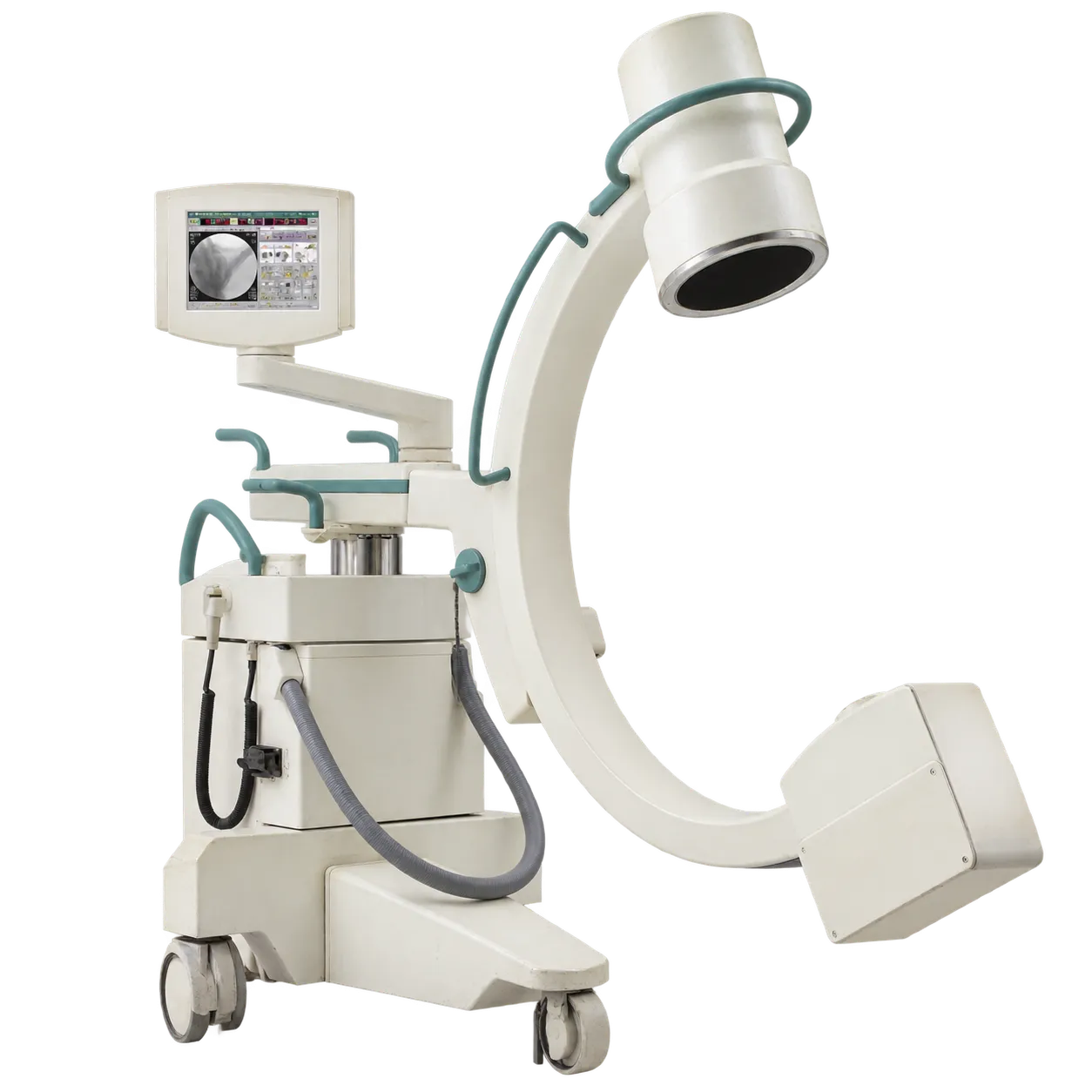
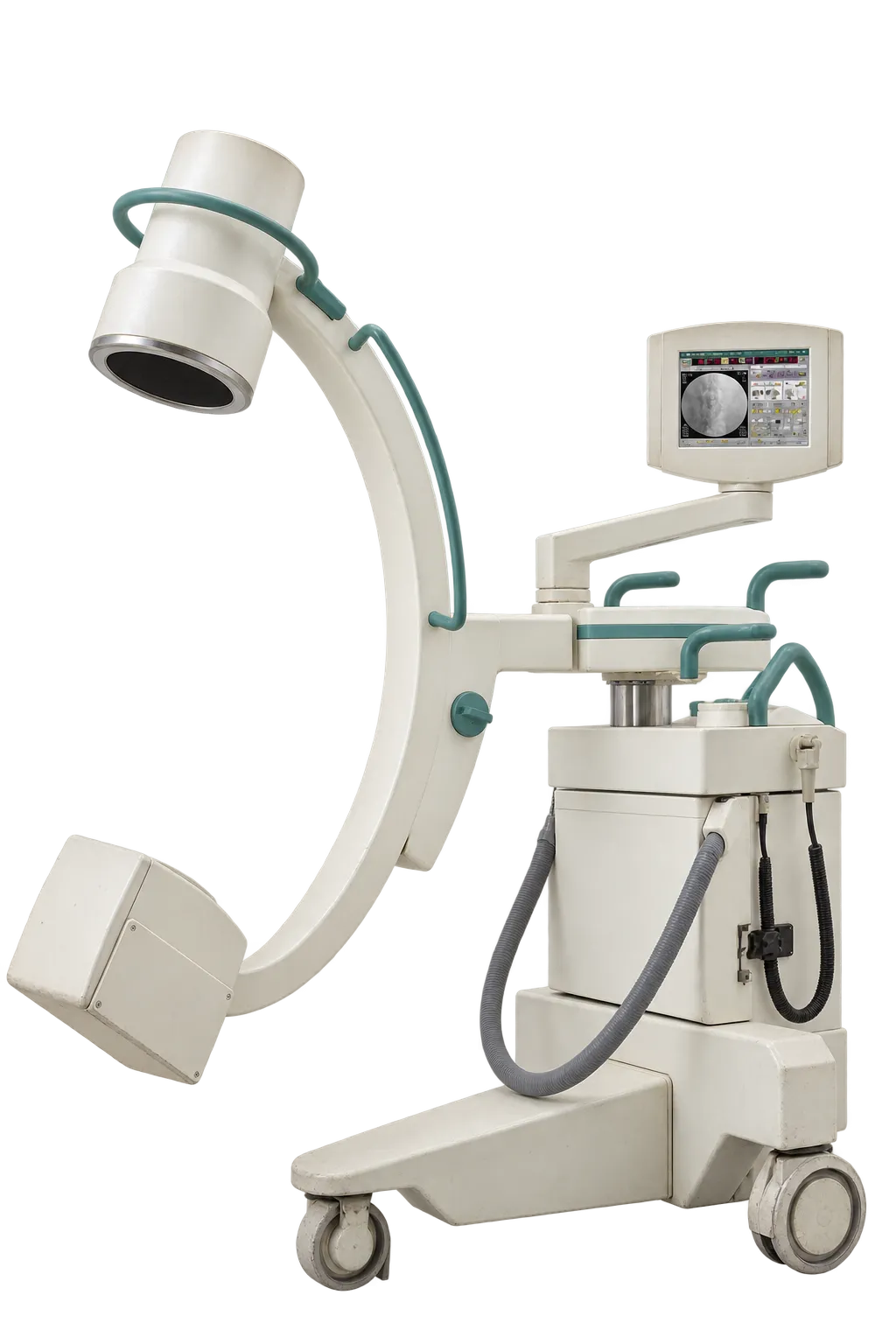
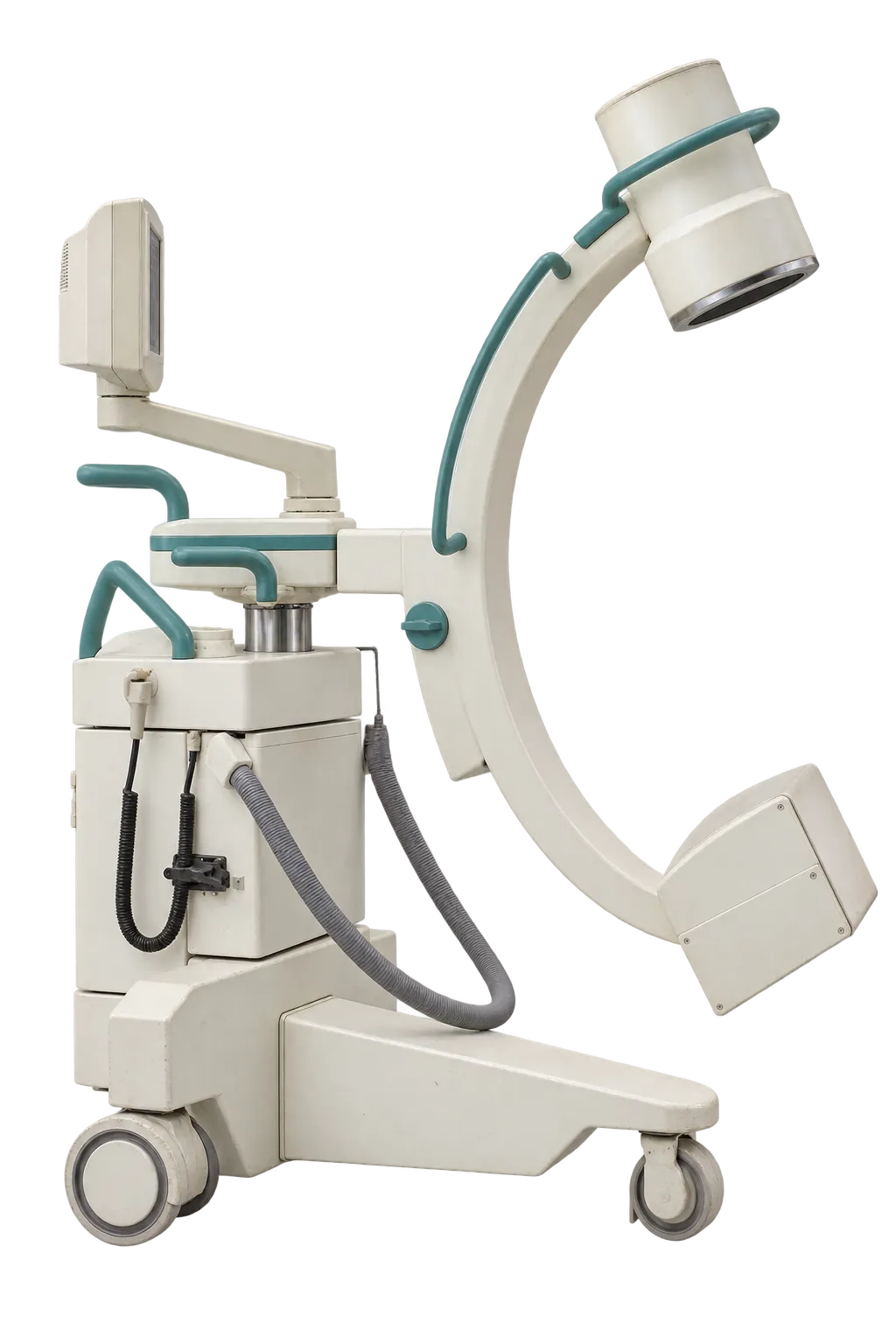
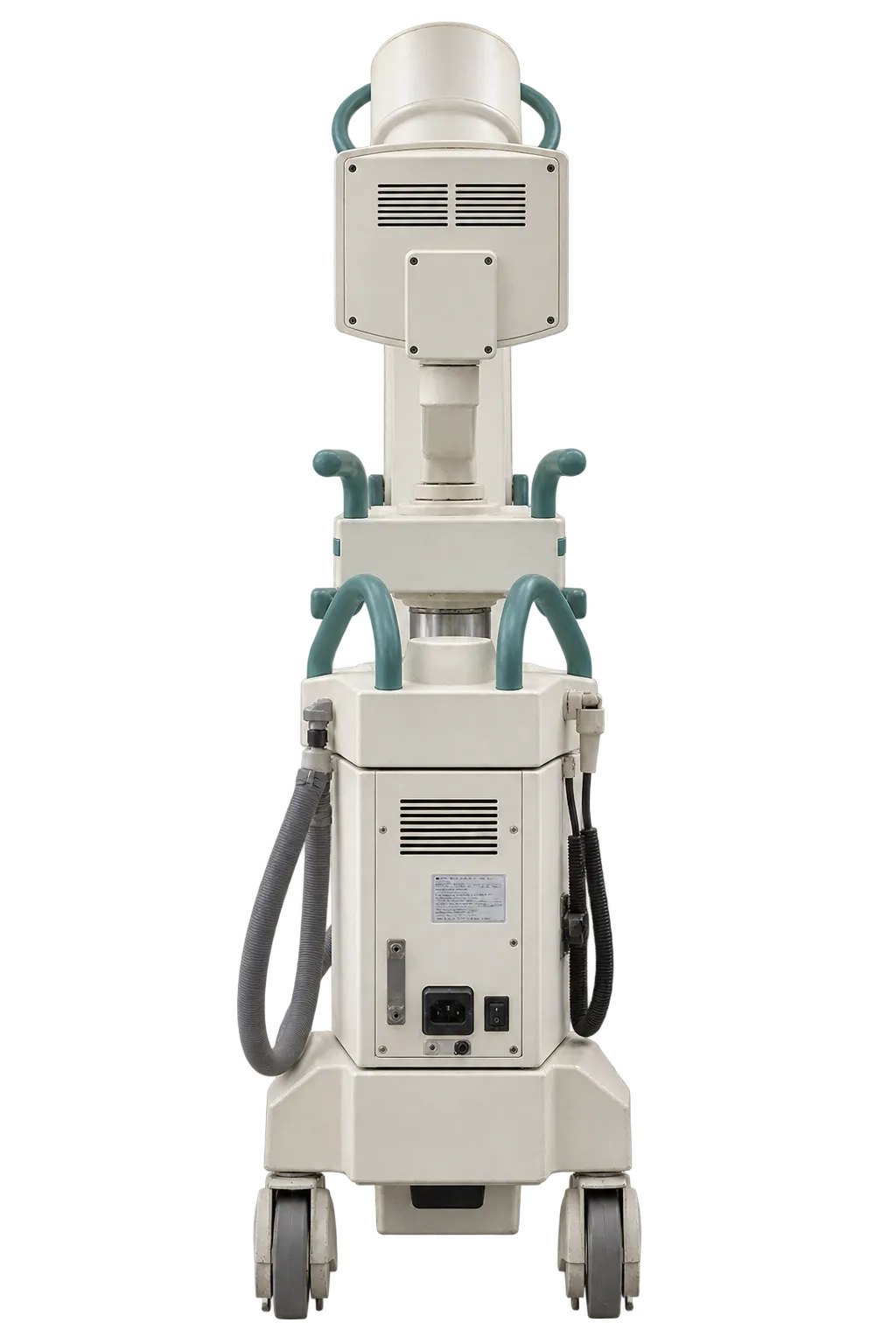
General surgery, orthopaedics and traumatology are the applications Ziehm names for this platform, and the specification supports them. A 1k by 1k CCD camera resolving over 4,000 grey shades, pulsed fluoroscopy from 40 to 110 kV and Object Detected Dose Control cover screening for reduction, fixation and implant positioning. All clinical judgement, including whether an exposure is justified, remains with the entitled practitioner, and Medigear.uk supplies configuration and condition detail rather than clinical guidance.
Departments planning more than one machine gain most from the platform commonality. Where a second or third unit is added later, or where different theatres need different capability levels, staying within one family means one interface to train on and one service architecture to support rather than several. Across a fleet that accumulates into a real saving in training time and in the confidence of staff moving between rooms.
Services expecting their requirements to grow should note the upgrade path. Higher-powered models, flat panel systems and three-dimensional platforms sit above this one on the same architecture, so a later step up need not mean starting again with a different manufacturer's workflow, retraining staff and rebuilding a service relationship at the same time.
Theatres where floor space is tight benefit from a 0.8 square metre footprint and a counterbalanced arm. Where sustained interventional screening is the requirement rather than general surgical work, a model with greater thermal reserve is the better answer, and Medigear.uk says so before quoting rather than after delivery. Selling the wrong machine well is worse than selling the right one plainly.