
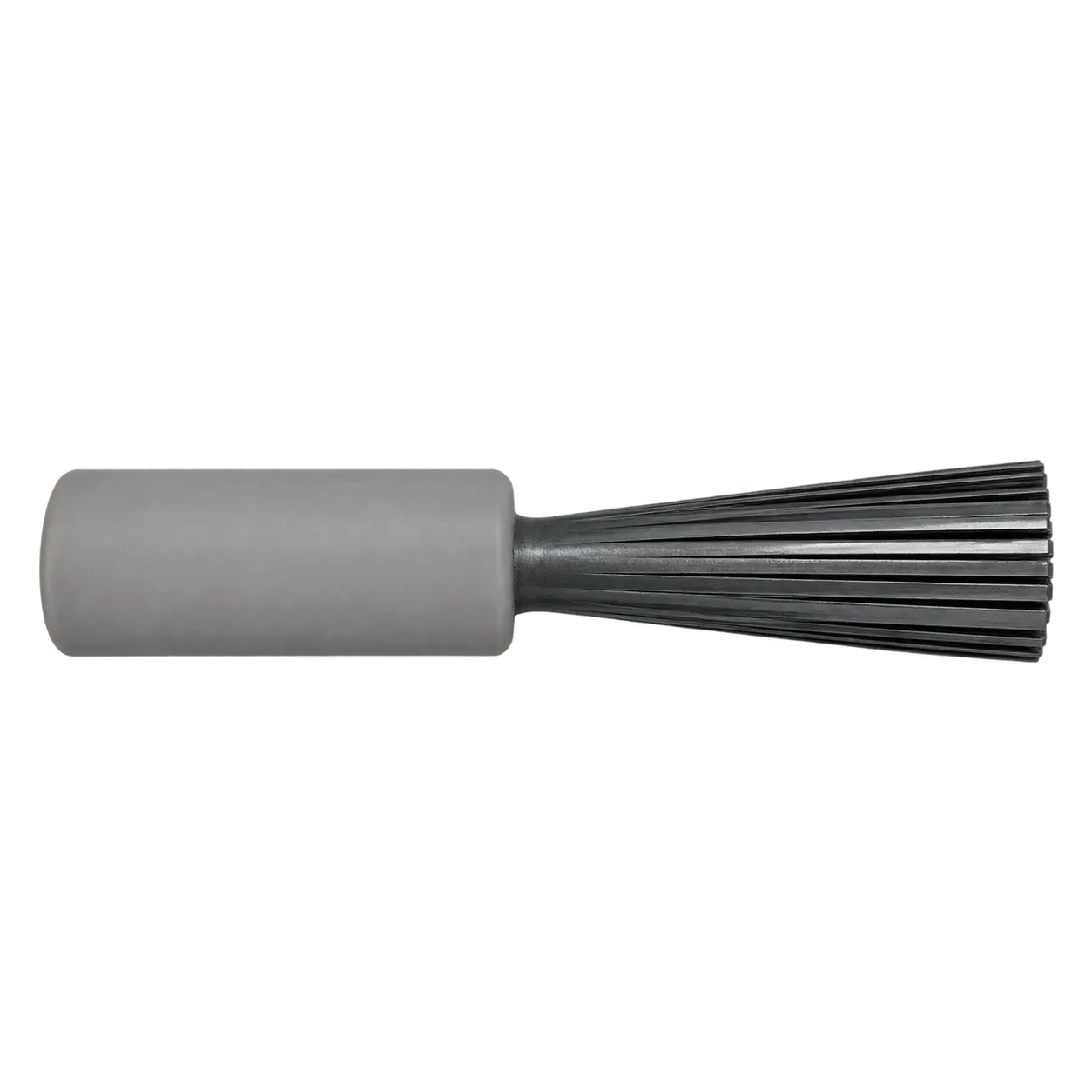
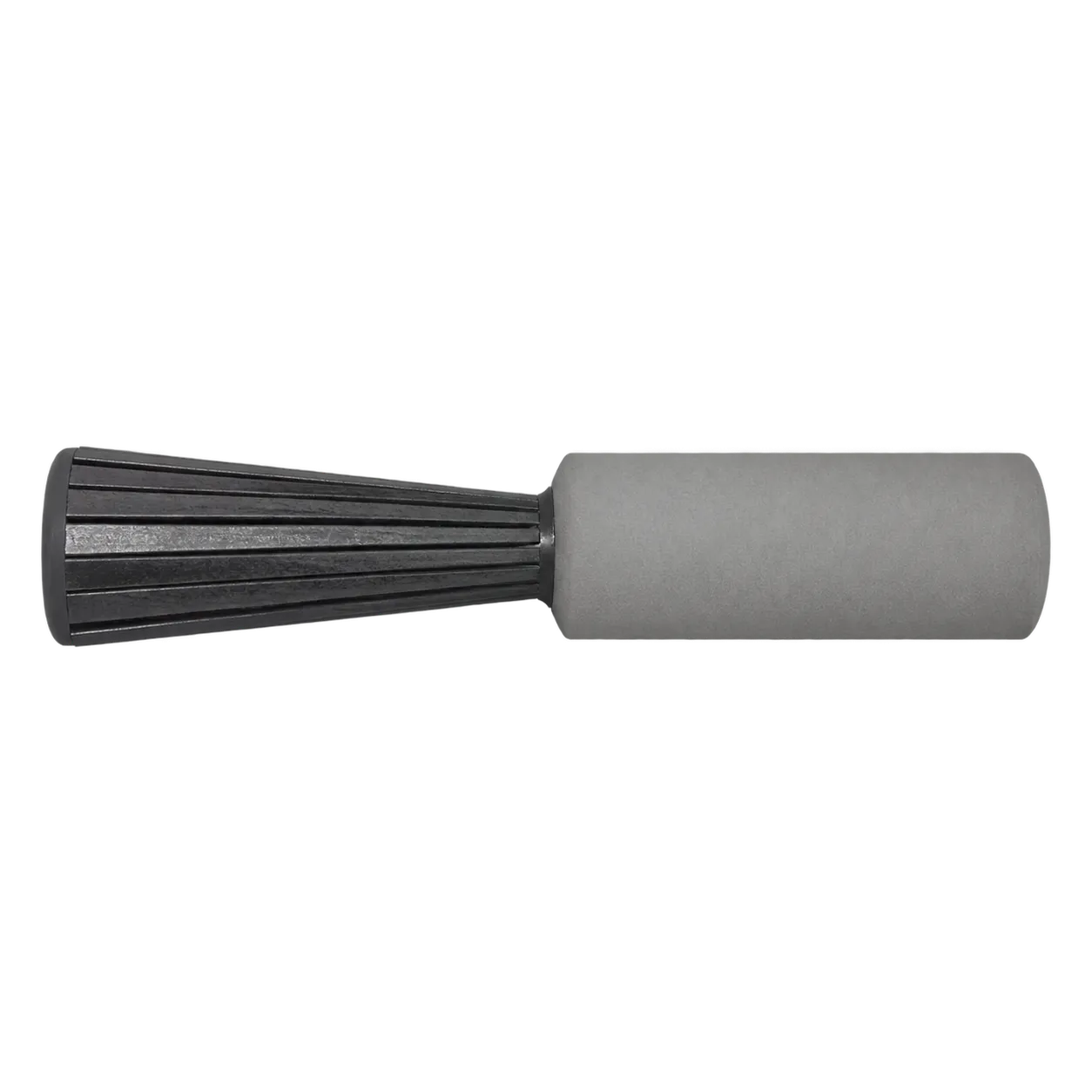
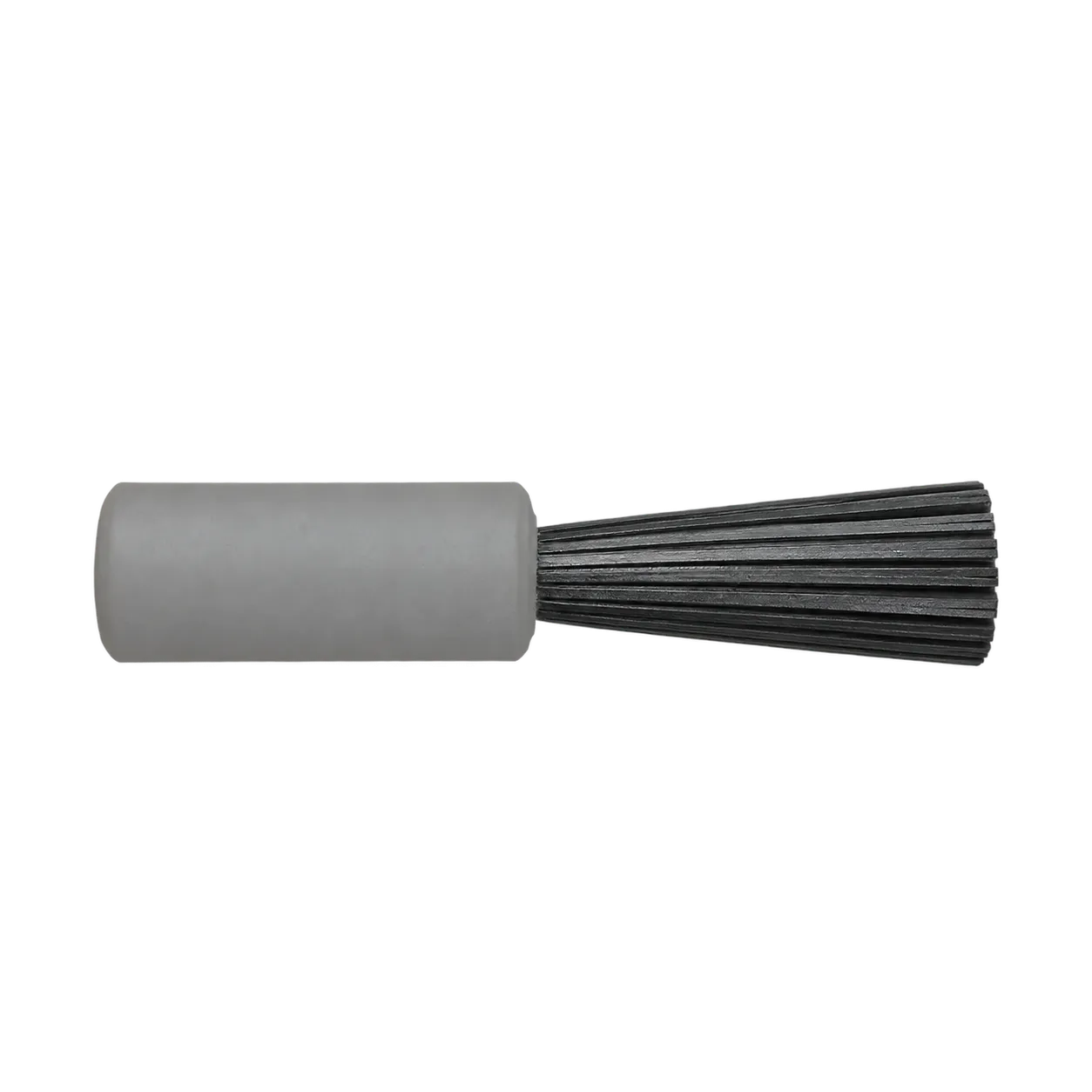
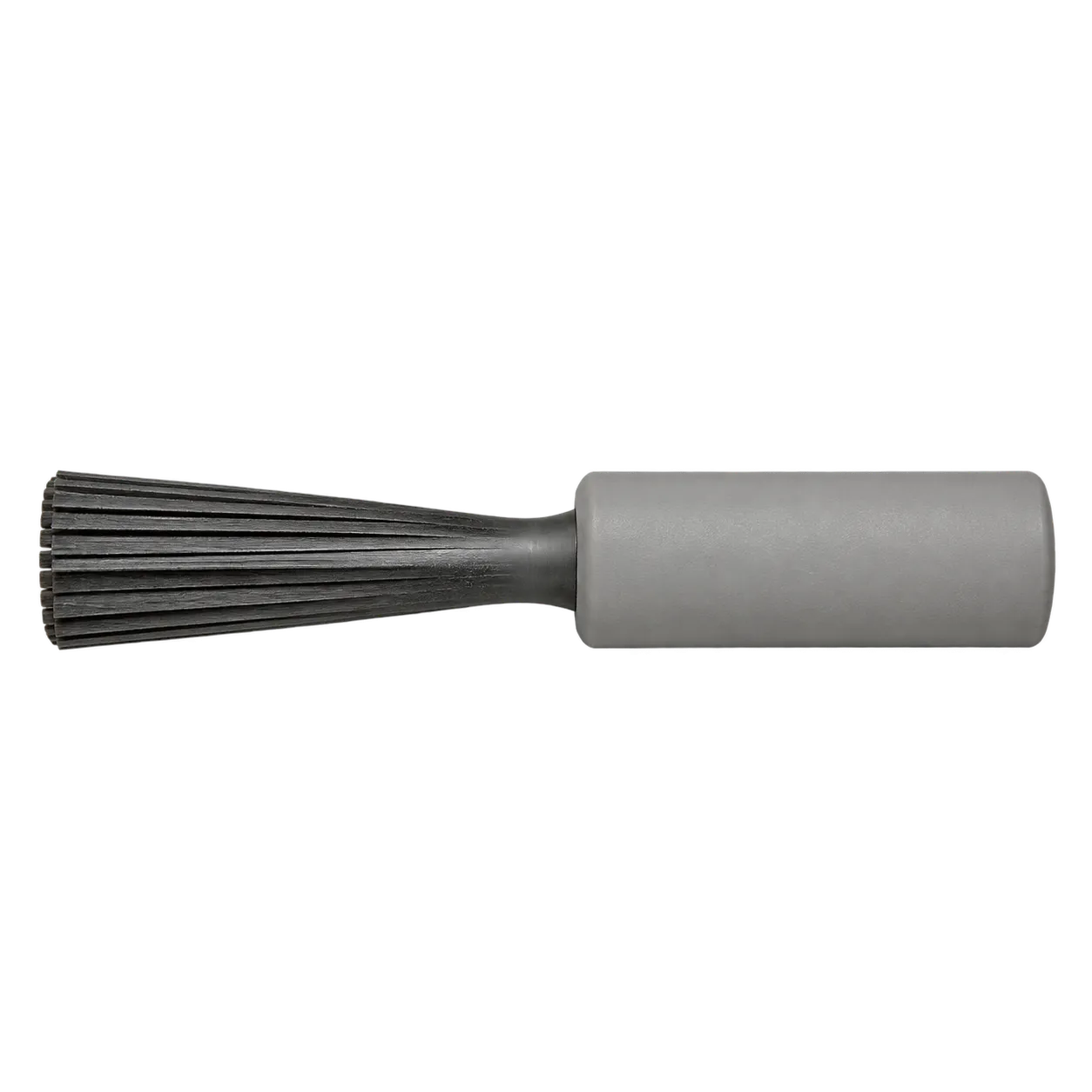
The HHL800-6 is aimed at prosthetic and orthotic workshops, where plastic plate is cut and formed into shells, braces and supports. Cutting leaves the edges rough and the faces dull. The polishing wheel is the tool for the last pass: it is fitted to a machine, touched to the part and moved along until the surface feels smooth to the hand.
The finish is the working advantage. A part that rests on skin has to be free of sharp edges and scuffs, so a technician runs a fingertip along it at the bench before the part moves on to fitting. A wheel made for plastic plate gives that check a good chance of passing at the first attempt, which saves a return to the cutter.
Hospitals that fit limbs, rehabilitation units and private laboratories all end a job at this station, where the part is polished, inspected and cleared for fitting. Because a wheel loses its surface in use, a spare waits beside the machine, and the item number keeps a reorder to one line.
Ordering is equally direct. A workshop buyer names the wheel, and the M16 fitting is compared with the machine. Size, material and weight are not published, so those three are worth confirming with the supplier first, along with the speed of the machine that will drive the wheel.
For the patient, the benefit is a brace or shell with smooth edges that sit comfortably through the day. A workshop with a spare wheel to hand keeps that finish consistent from one wearer to the next.