
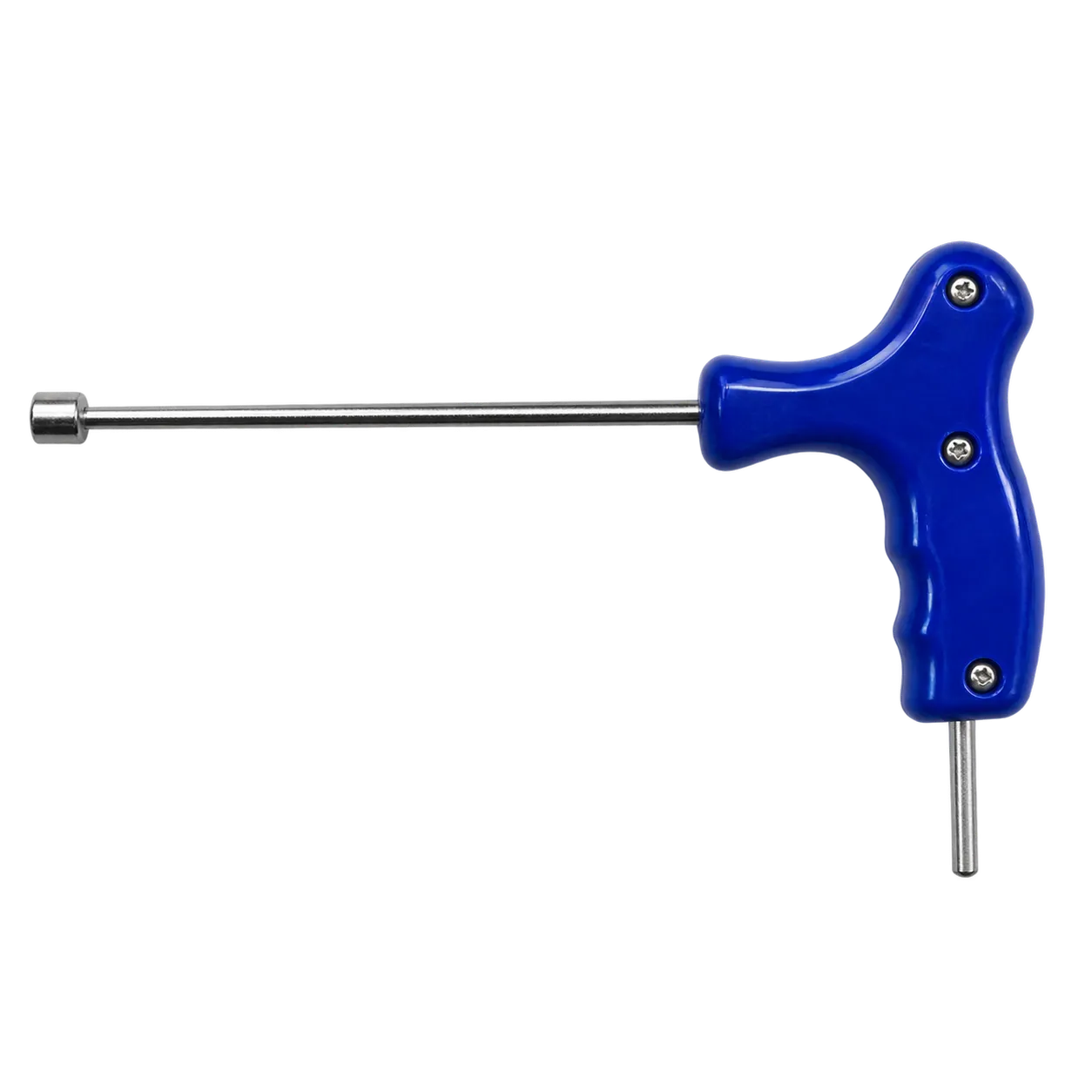
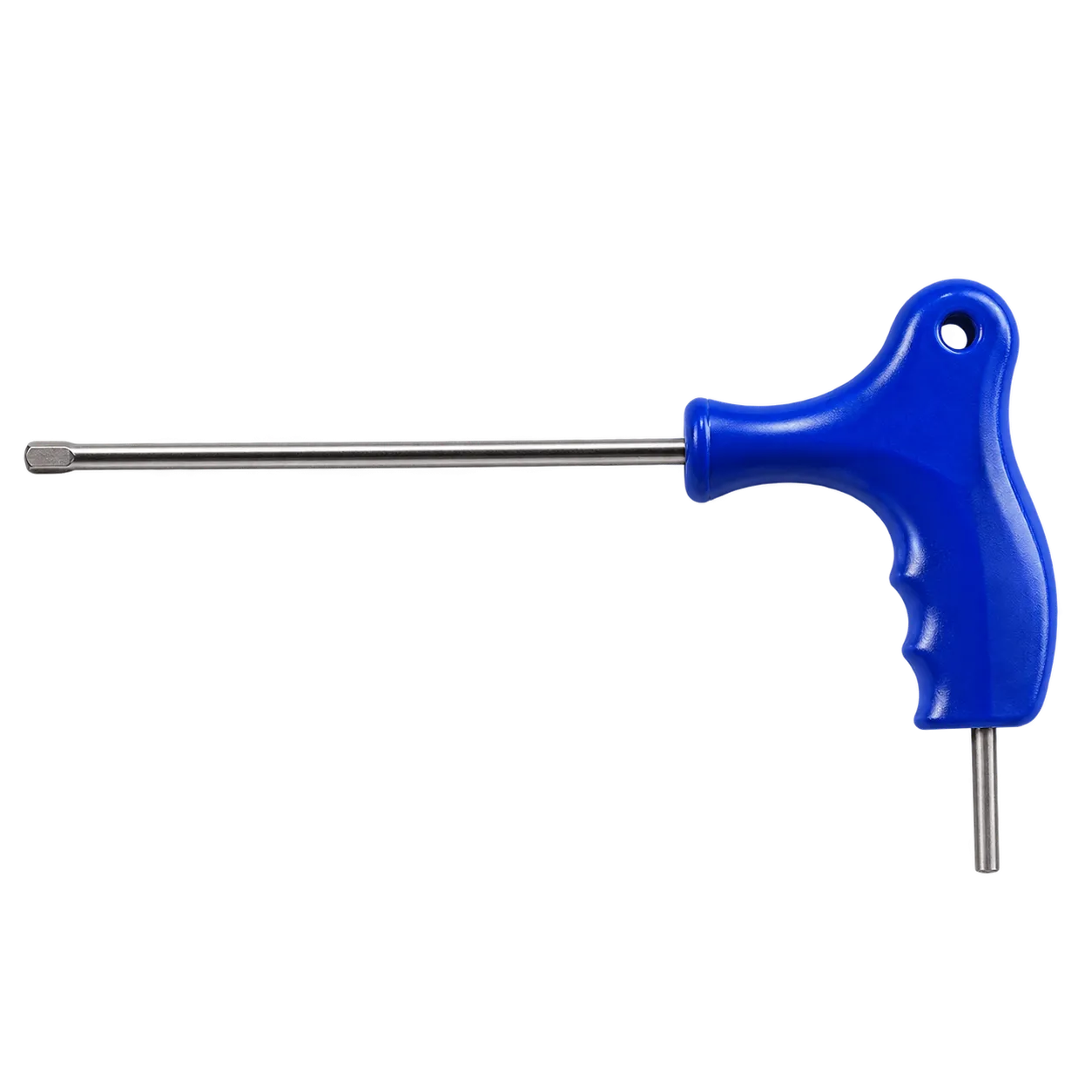
The FW belongs in the workshop where orthotic and prosthetic devices are put together and adjusted. Many of those devices join their parts with nuts and bolts, and a wrench is the tool that turns them. A technician who has the right wrench to hand can make an adjustment without delay.
The working value of a wrench is control. Turning force applied by hand can be increased gradually and stopped when the part is seated, which suits work on devices made for one wearer. The technician feels the part come to rest and does not overshoot, which keeps threads and the surfaces around them in good order over many adjustments.
Limb-fitting centres, rehabilitation hospitals and private laboratories all assemble, adjust and repair devices in some form. A wrench kept at the bench saves the time of sending a device elsewhere for a small adjustment, so the wearer is back in the device sooner. Benches differ from site to site, so the working position and the sizes of hardware in use are for each workshop to settle with the supplier before it buys.
Ordering is direct. A buyer quotes the item number FW, and the material is already given. The length, the opening or drive size and the handle style are not stated, so those details are worth confirming with the supplier first, together with the nut and bolt sizes the workshop uses.
For the patient, the benefit is a device whose hardware has been fitted with care. A workshop that keeps a dependable wrench at the bench makes that result routine from one wearer to the next.