
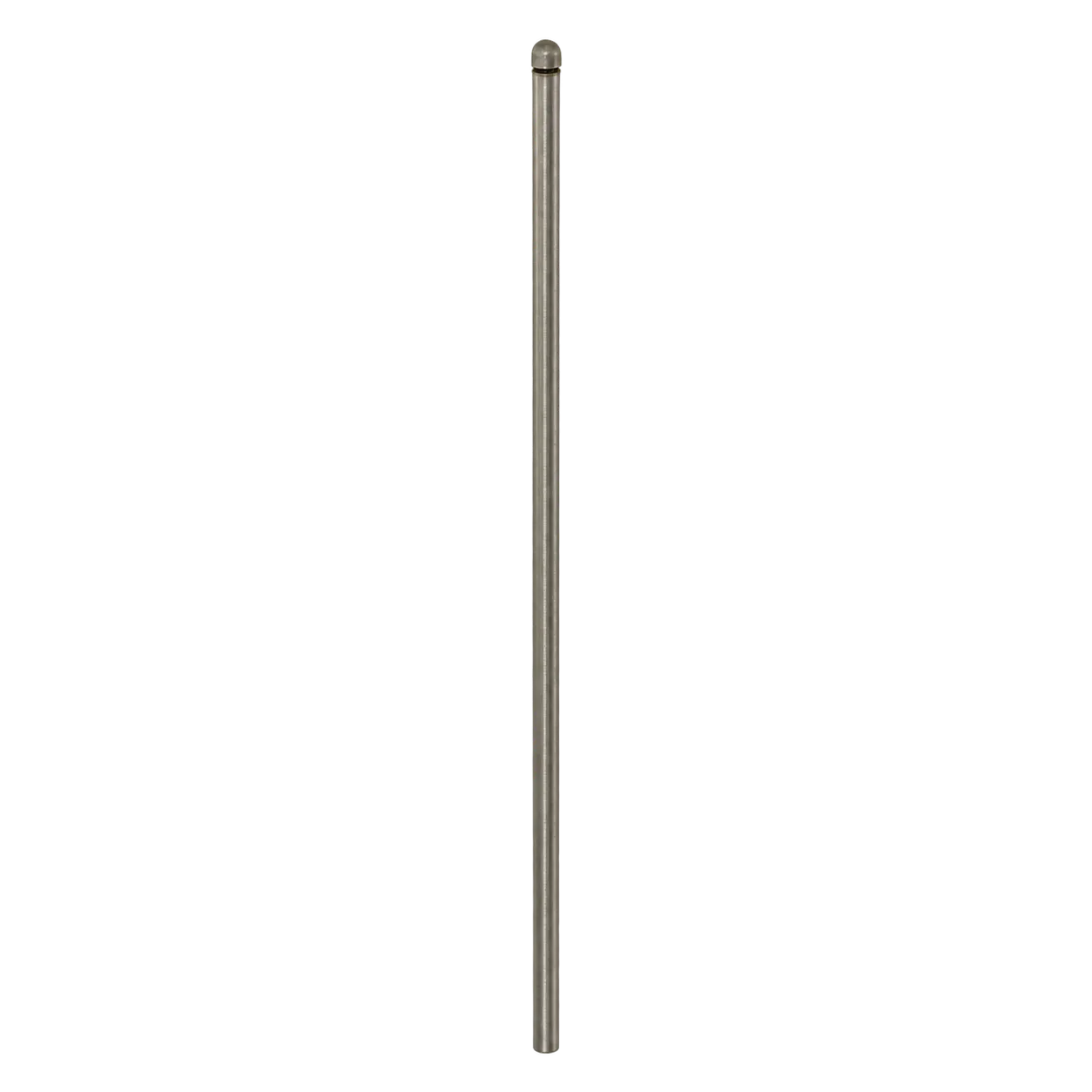
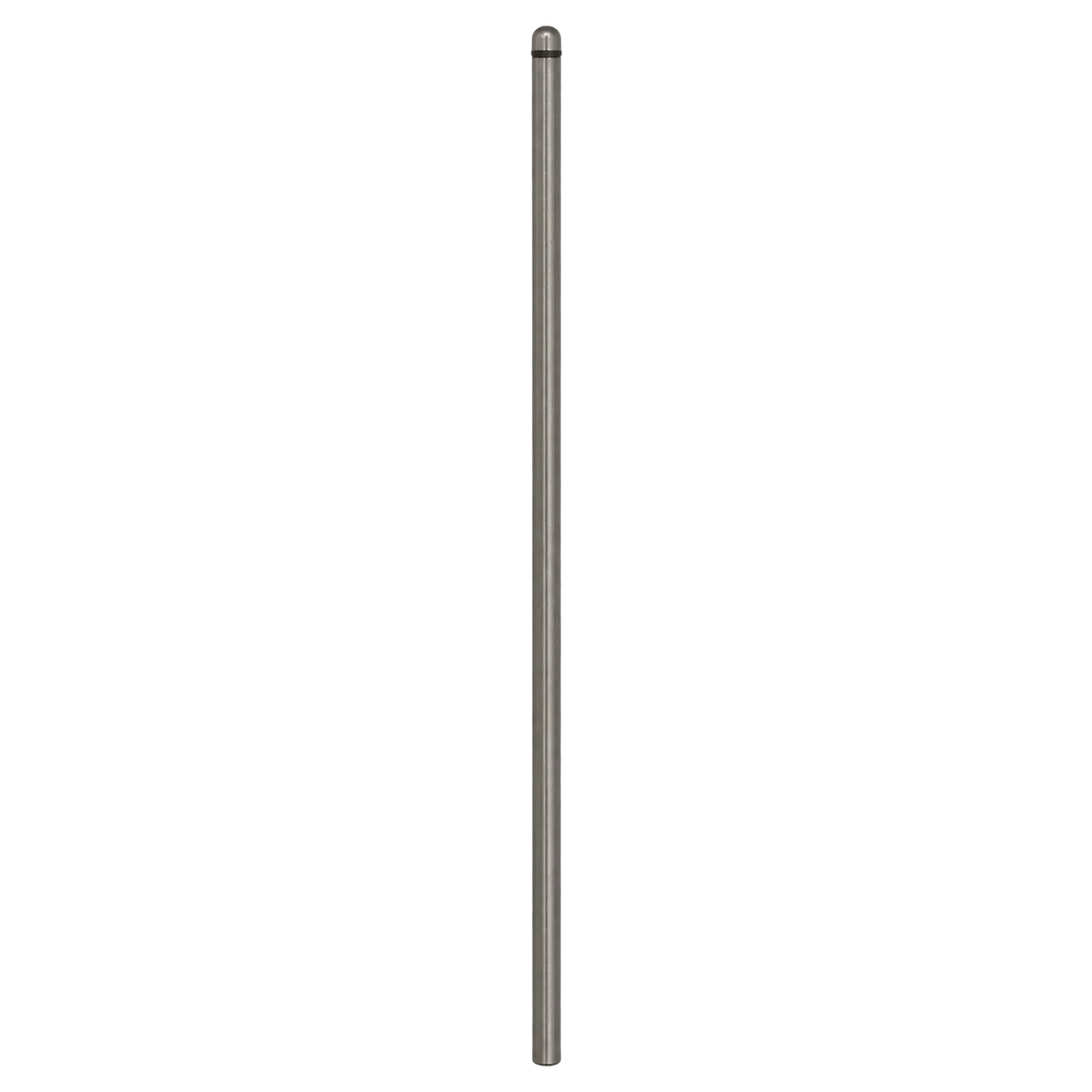
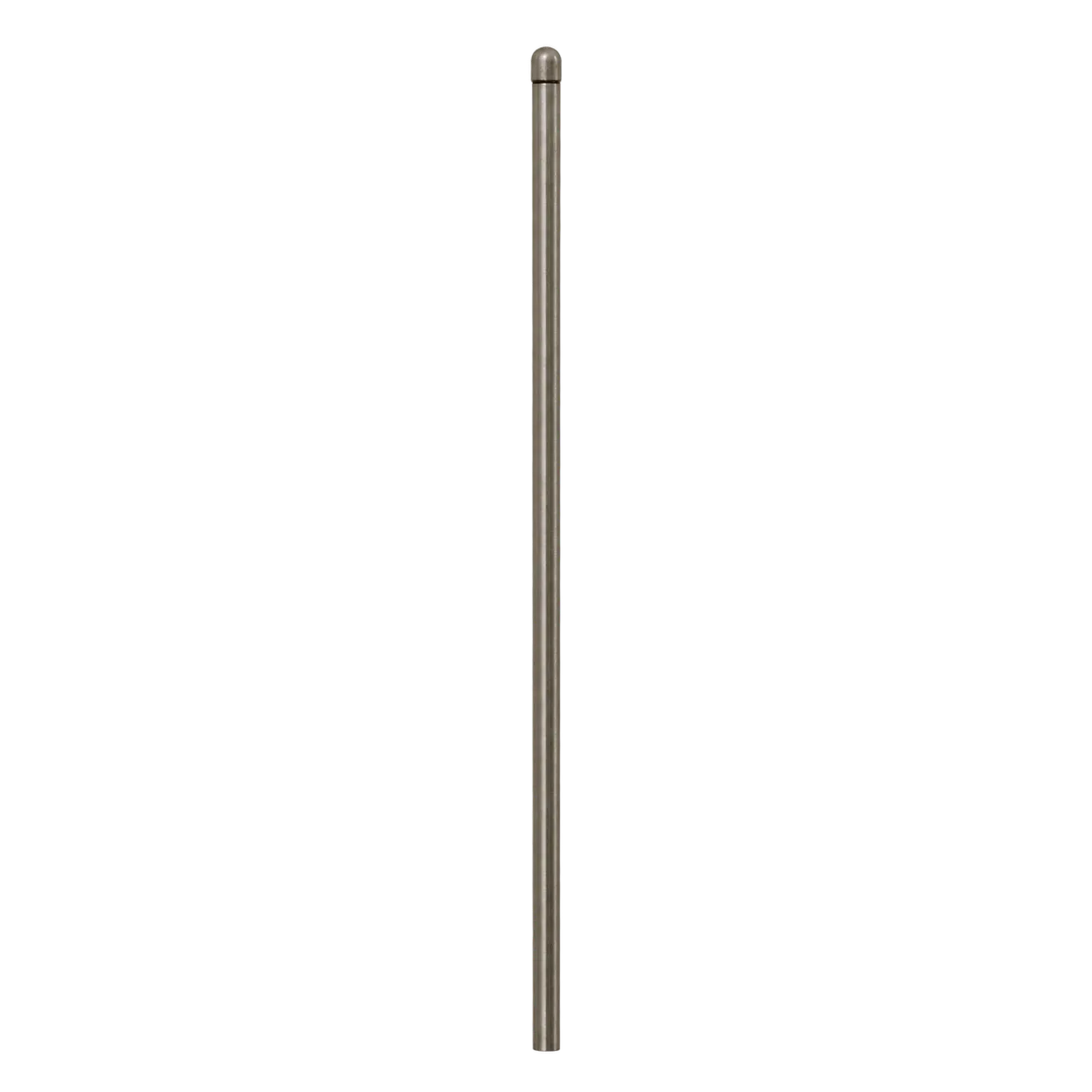
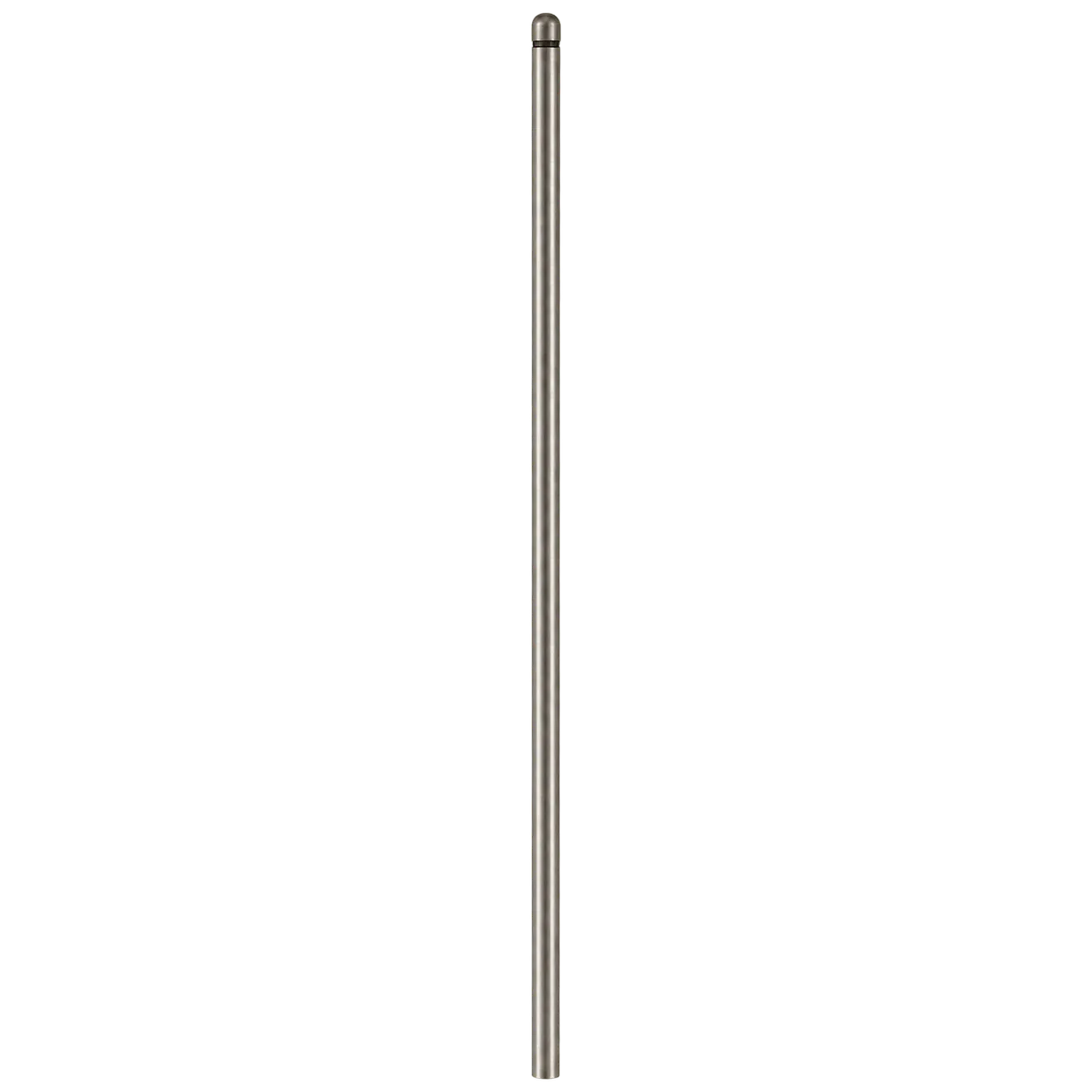
The FAB-1 belongs in the workshop, where prosthetic and orthotic devices are built and finished for one wearer at a time. Work in that setting often needs to stay put while a technician marks it, shapes it or checks it, and an anchor bar gives that work a firm point to be held against.
The value of such a bar is stability. A part that shifts during a task has to be reset, and every reset costs time and attention. A rigid bar that stays where it is fixed removes that interruption, so the technician can concentrate on the shape of the piece and not on its position. Repeated tasks gain the most, because the same fixing point returns the same working position each time the job comes round.
Limb-fitting centres, rehabilitation hospitals and private laboratories all share this need in some form. Benches vary from one site to the next, so the mounting and the working position of the bar are points for each workshop to settle with the supplier before it buys. The bench and the type of work it carries decide the answer.
Ordering is direct. A buyer quotes the item number FAB-1, and the material is already given. The length, the diameter and the fixing style are not stated, so those details, together with the surface the bar is anchored to, are worth confirming first.
For the patient, the benefit is indirect but real. A device finished from a steady, well-held workpiece follows the plan drawn up for that person more closely. A workshop that keeps its fixing points in good order makes that result routine from one wearer to the next.