

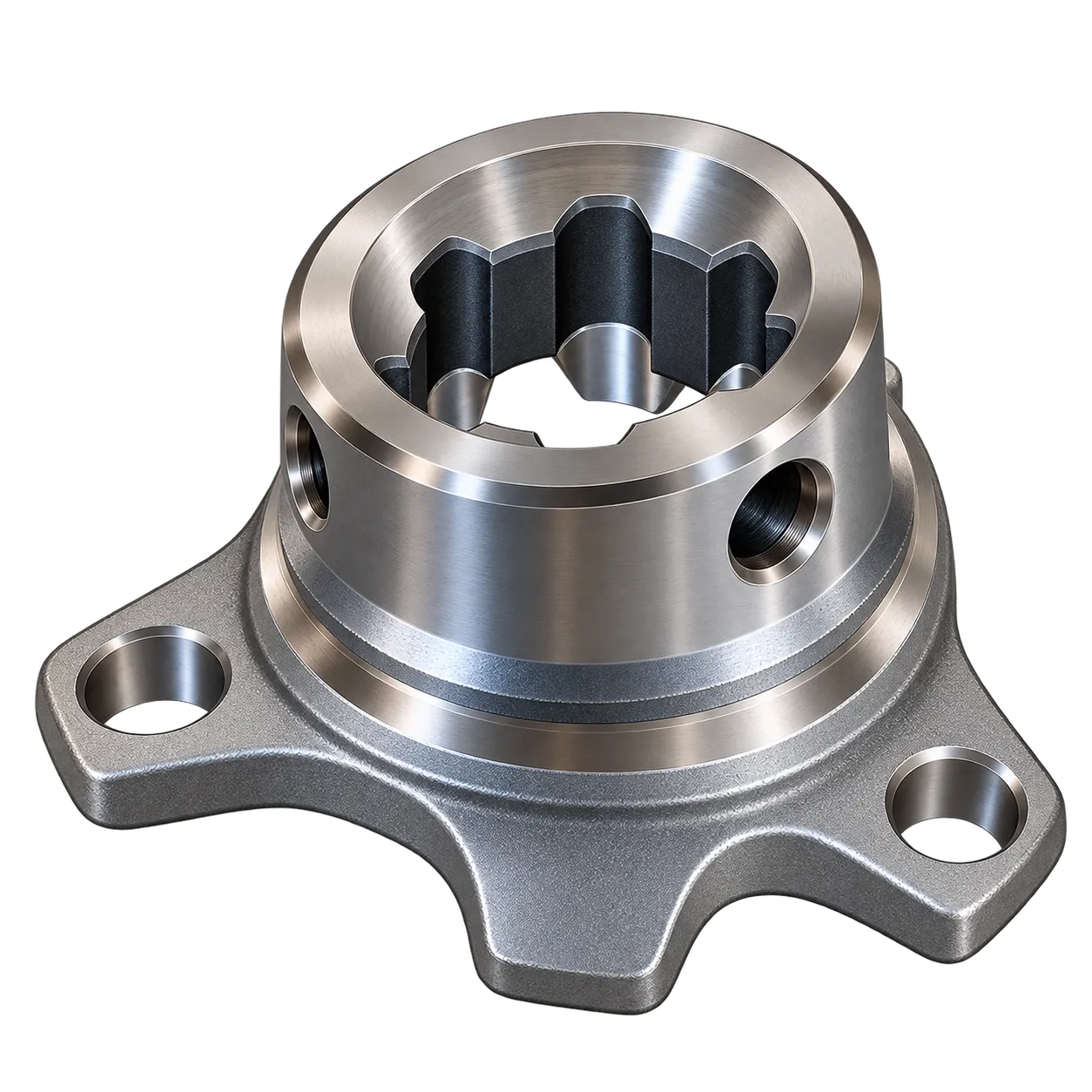
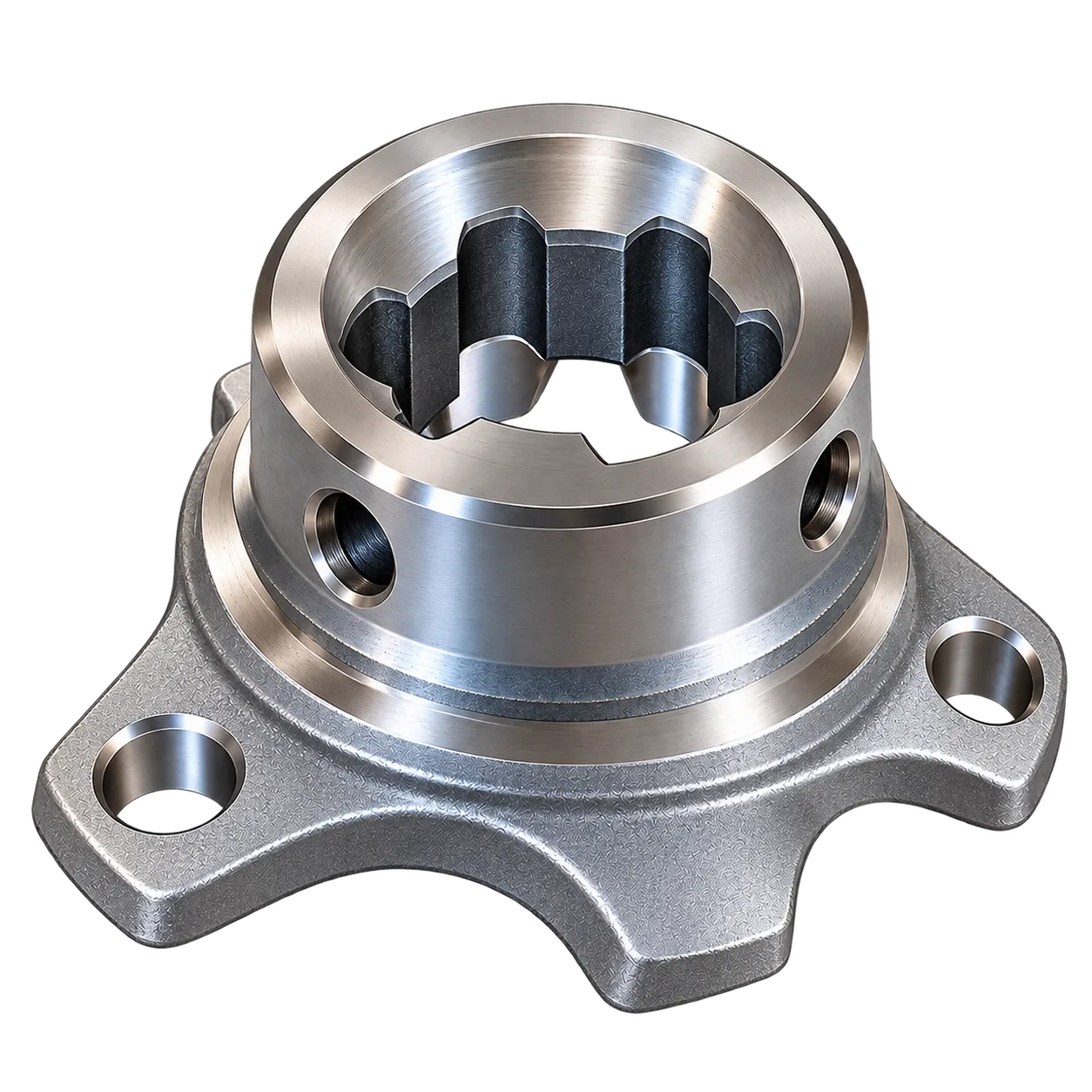
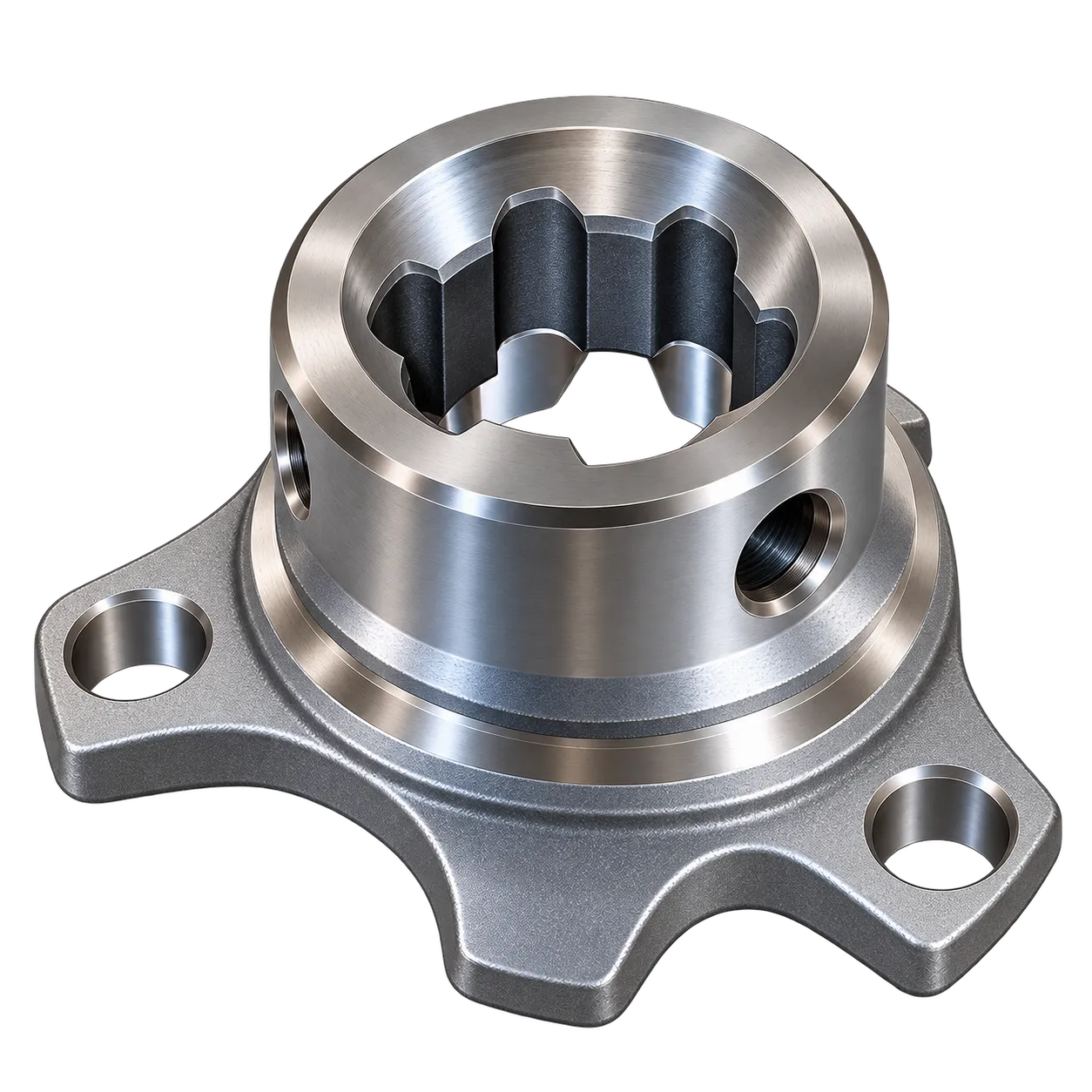
Prosthetic workshops and limb-fitting services that laminate their own sockets are the main users. The anchor is built into the socket and leaves a female pyramid receiver. The intended amputation levels are not stated, so confirm them before adding the part to a build protocol.
Services that want to keep downtime low will value a design where the main wear parts are small screws. Holding spare screws means a worn one can be replaced at review.
Workshops that standardise on one anchor pattern keep shelf stock uniform, training simple and reorders consistent.
Charitable limb programmes and export buyers can stock the anchor with spare screws. Confirm spares availability, receiver dimensions and lamination instructions before placing an order.
Services that fit many users from one workshop benefit from standardising on a single anchor pattern. Technicians learn one lamination method, stock one part and one type of spare screw, and reorder by one code.
Programmes working far from suppliers can hold spare screws locally, so a worn screw is replaced at the next review without waiting for a delivery. The manufacturer's expected service life then decides when the whole anchor should be reviewed.
Record screw replacements on the build sheet, with the date, so wear patterns show over time.
Keep spare screws in stock.
The anchor is not suited to users above 125 kg, to limbs whose connecting components do not match its receiver, or to workshops without lamination capability. The conformity documentation those procurement routes require is issued by the manufacturer and provided by the seller.