

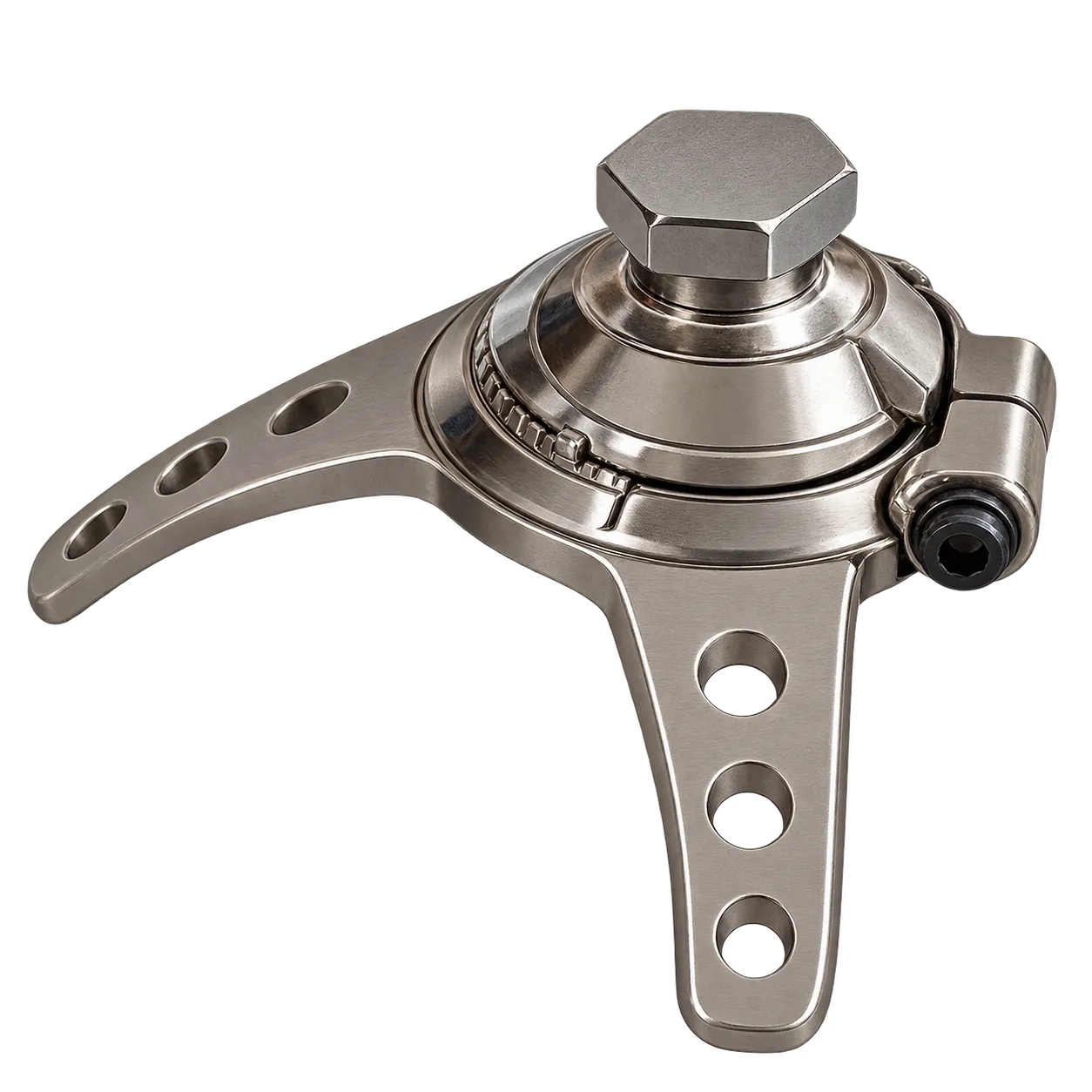
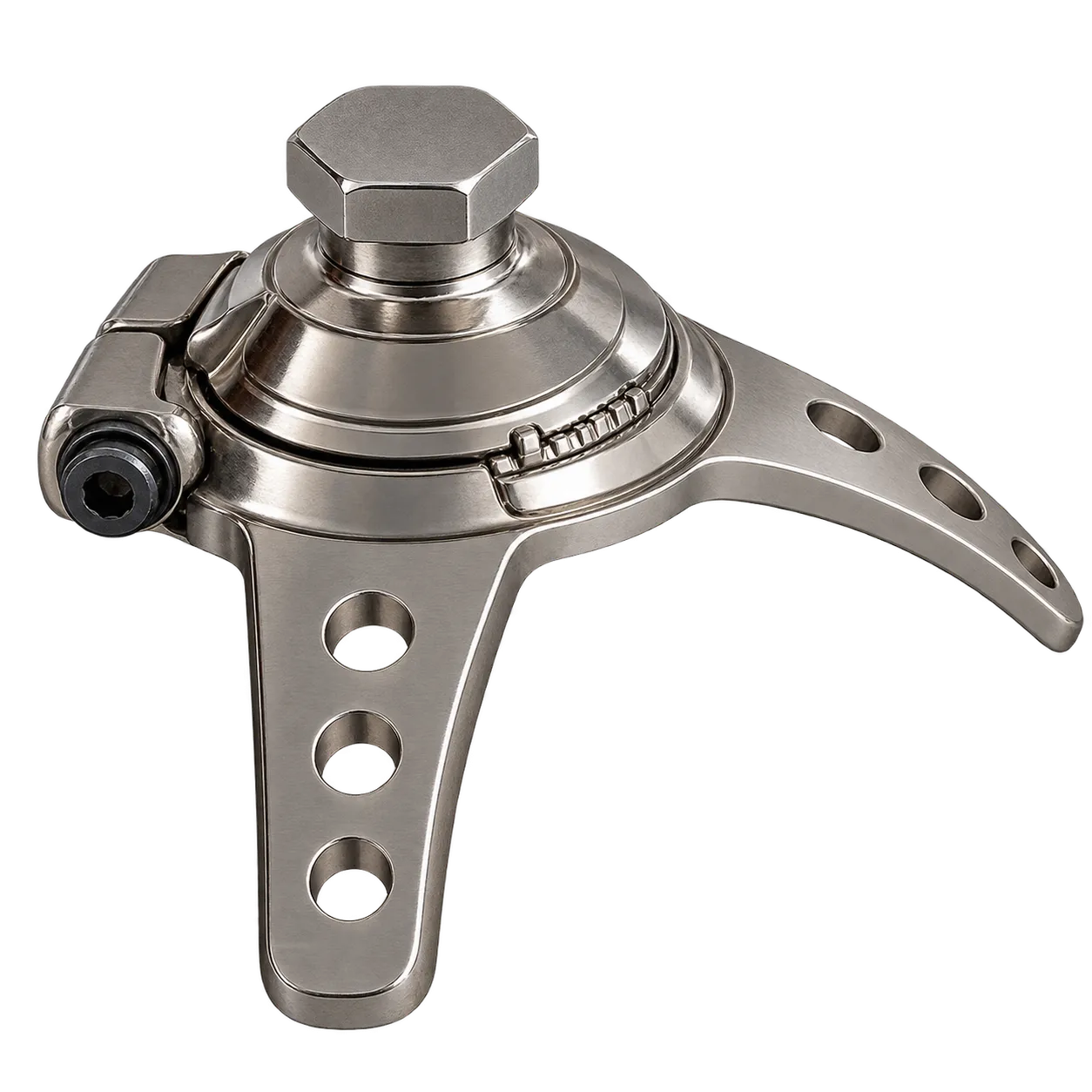
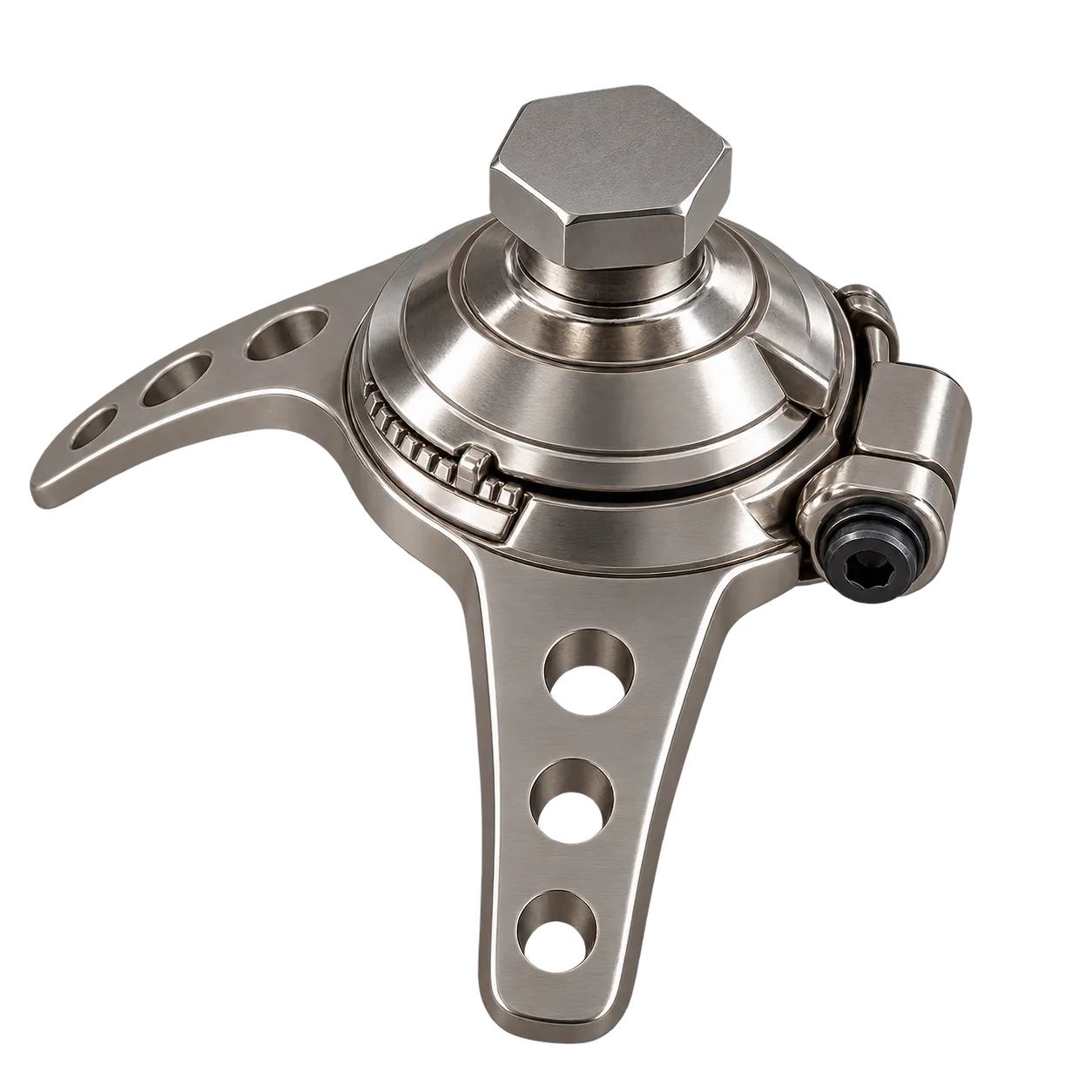
Prosthetic workshops and limb-fitting services that laminate their own sockets are the main users. The anchor is built into the socket and leaves a male pyramid, so the service needs lamination equipment, resins, reinforcement materials and trained technicians. The intended amputation levels are not stated, so confirm them before adding the part to a build protocol.
Workshops that prefer to keep all adjustment below the socket will find a male anchor straightforward. The receiver of the next component carries the alignment screws, where the prosthetist can reach them at every review. With nothing adjustable at the anchor, any post-fitting change is made through that receiver, keeping the socket itself undisturbed.
Because so little is published, the first order should be treated as a set-up exercise. Collect the arm and pyramid dimensions, lamination instructions, and test report;;try a lamination on a practice mould; and write the results into the build protocol for every later socket.
Charitable limb programmes and export buyers building sockets locally can stock the anchor oncethey have those detailsd. Confirm material-specific ratings before ordering, since you can't test the part once it is embedded. A written set-up record also helps new technicians follow the same method from their first build.
The anchor is not suited to users above 125 kg, to limbs whose receivers do not match its pyramid, or to workshops without lamination capability. The conformity documentation required for those procurement routes is issued by the manufacturer and provided by the seller.