
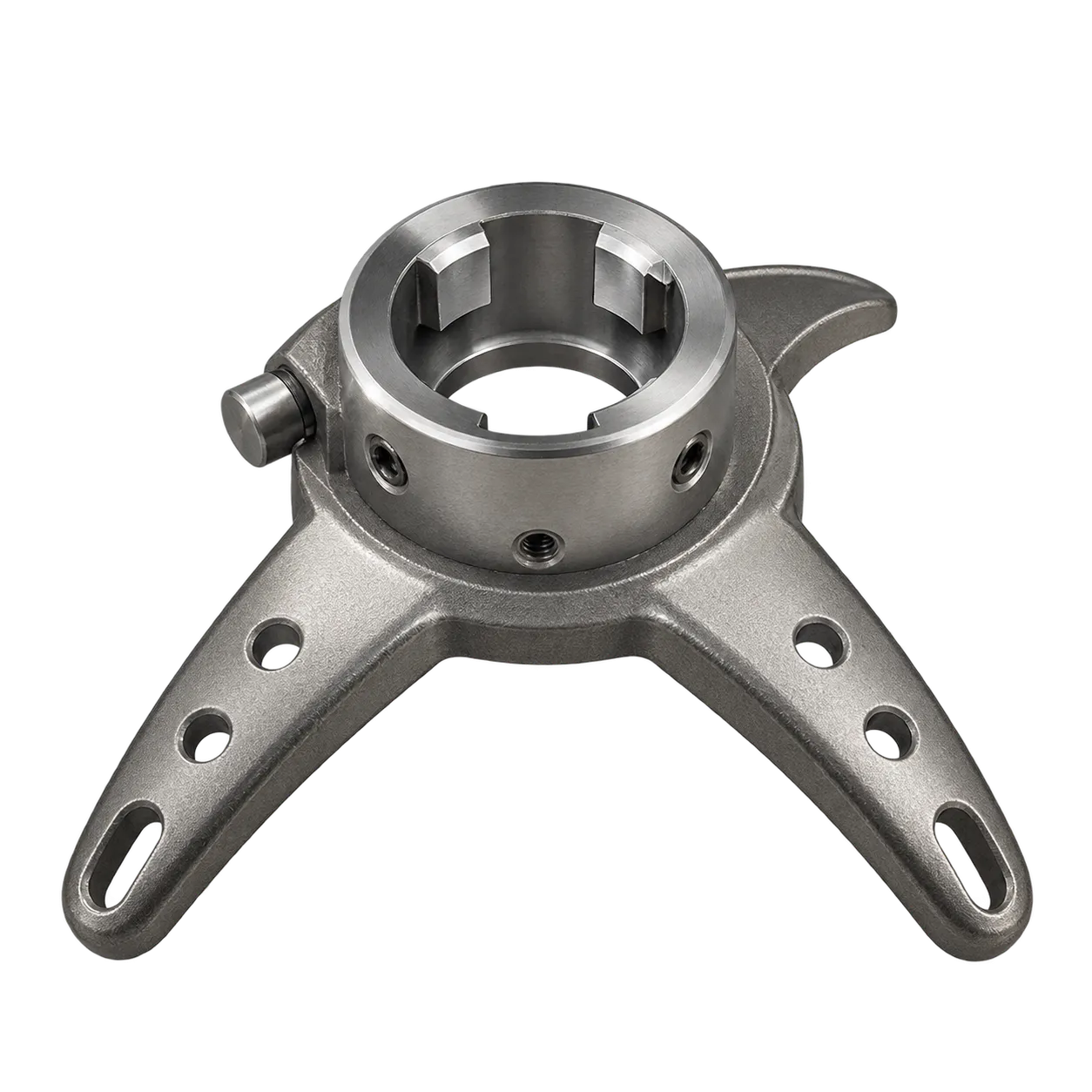
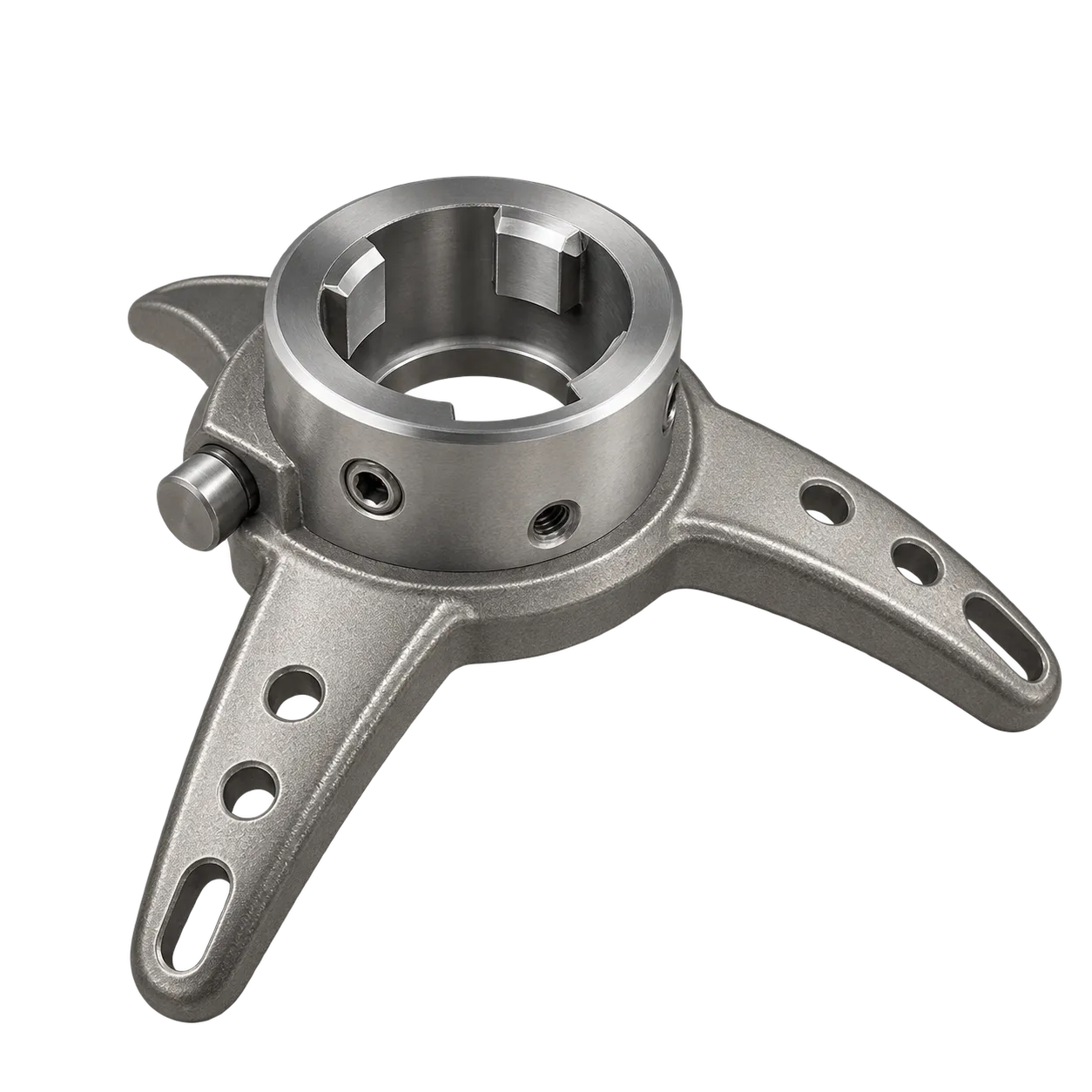
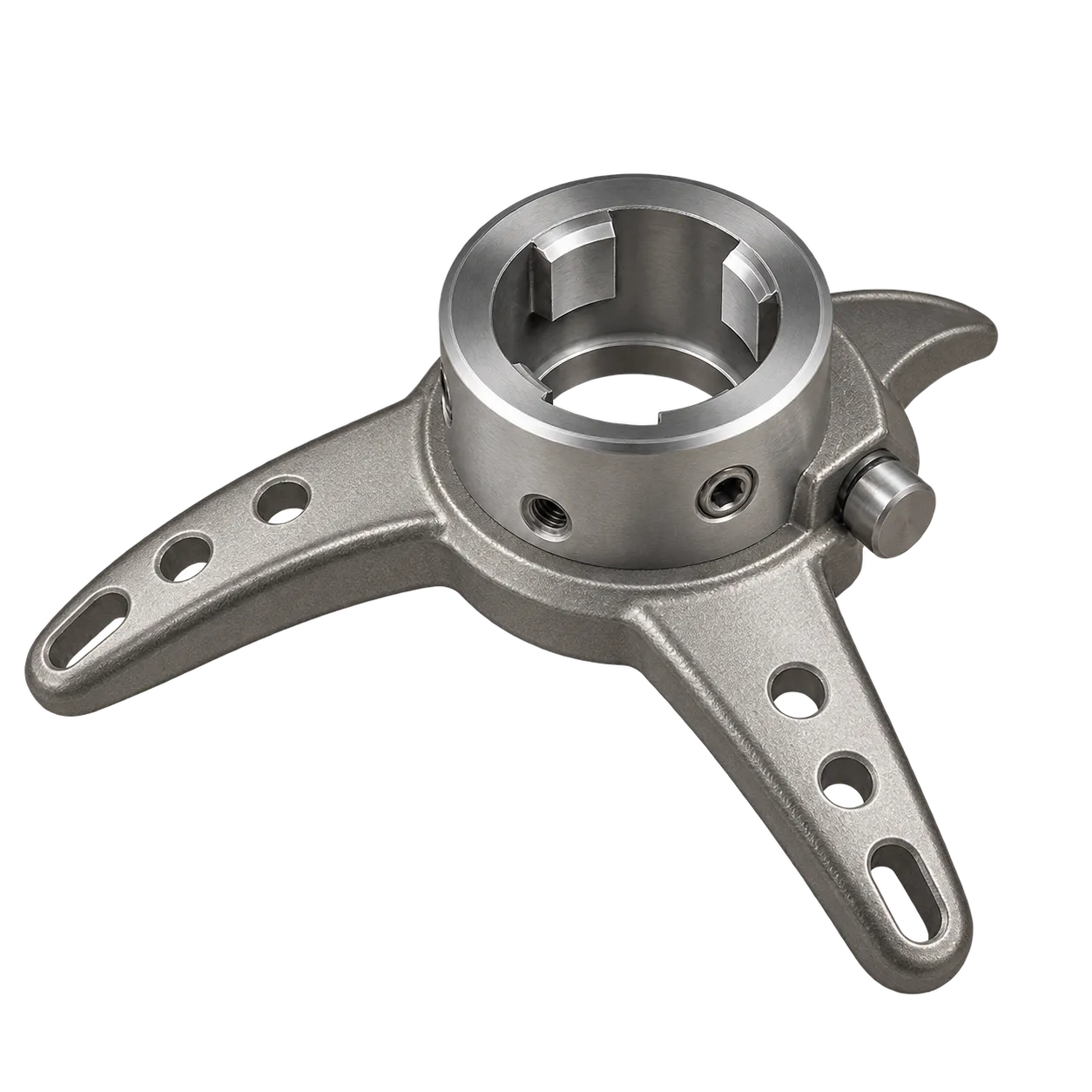
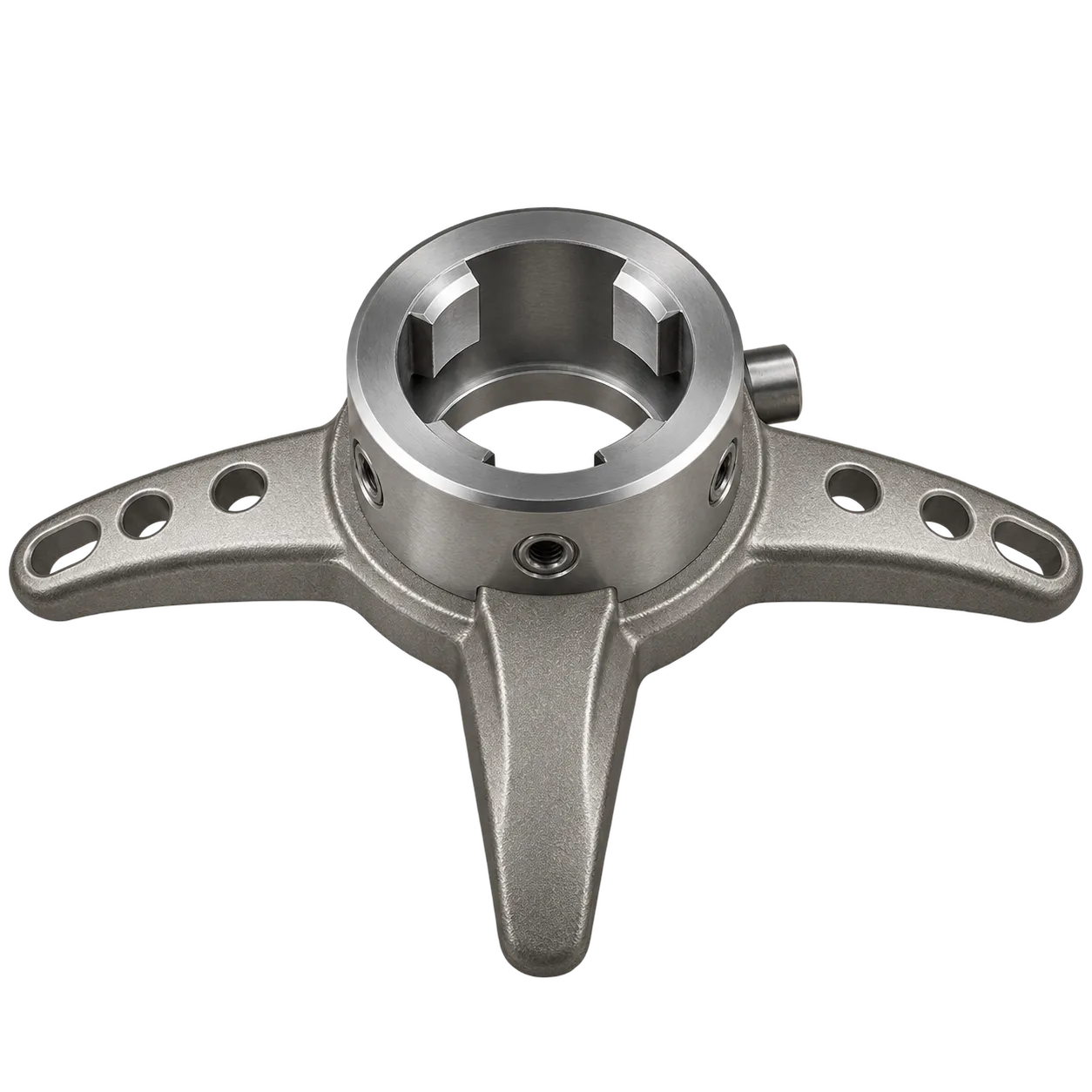
Prosthetic clinics building simple, robust limbs often favour fewer joints between socket and foot, and the 4F41 removes one by anchoring the tube clamp directly into the socket. Once the tube bore and build height are confirmed, the prosthetist can cut the pylon to length and plan the rest of the limb. Whether alignment is set here or elsewhere depends on the factory's answer about adjustment. Medigear.uk supplies that answer with the certification records.
Rehabilitation services see the benefit of a direct, rigid connection in a limb that holds its set-up between sessions. Where alignment changes are needed as a wearer's gait develops, the prosthetist makes them at the adjustable components elsewhere in the build. The clamp screw should be checked at reviews to keep the tube secure. Medigear.uk can provide manufacturer documentation, including torque figures, for a service's own records.
Socket fabrication workshops need the prong span, prong count and lamination guidance before they start, because the part becomes part of the socket once laid up. Getting those details wrong means remaking the socket. Tube bore is confirmed at the same time so the pylon can be ordered alongside. Volume terms, OEM branding and ODM work are arranged through Medigear.uk.
For the wearer, an anchored clamp is one of the parts that simply has to hold, day after day. A secure tube connection keeps the limb steady and quiet through walking and standing. Any slipping, creaking or change in how the limb sits should reach the prosthetist promptly. Medigear.uk answers questions from wearers and clinics ordering replacements.