

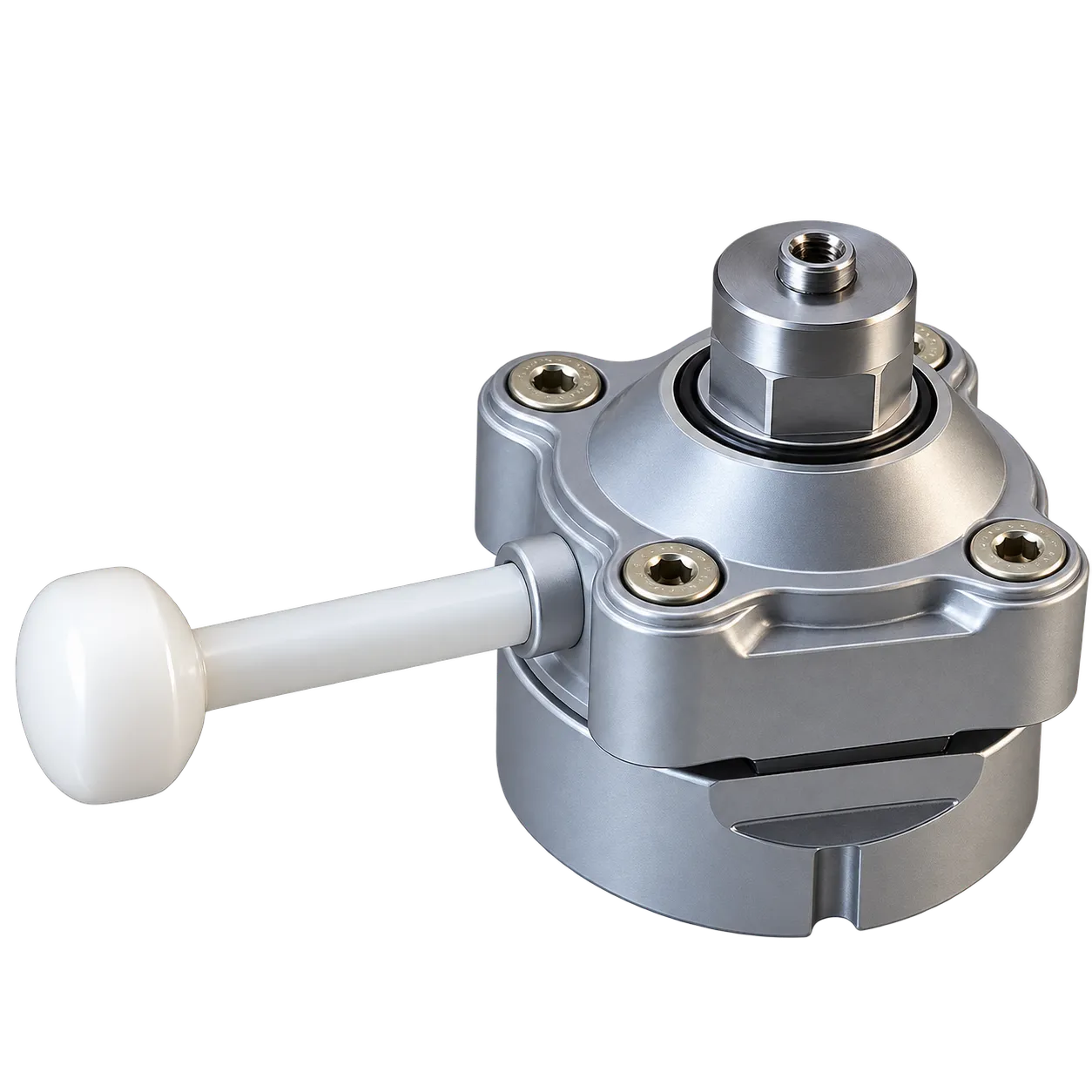
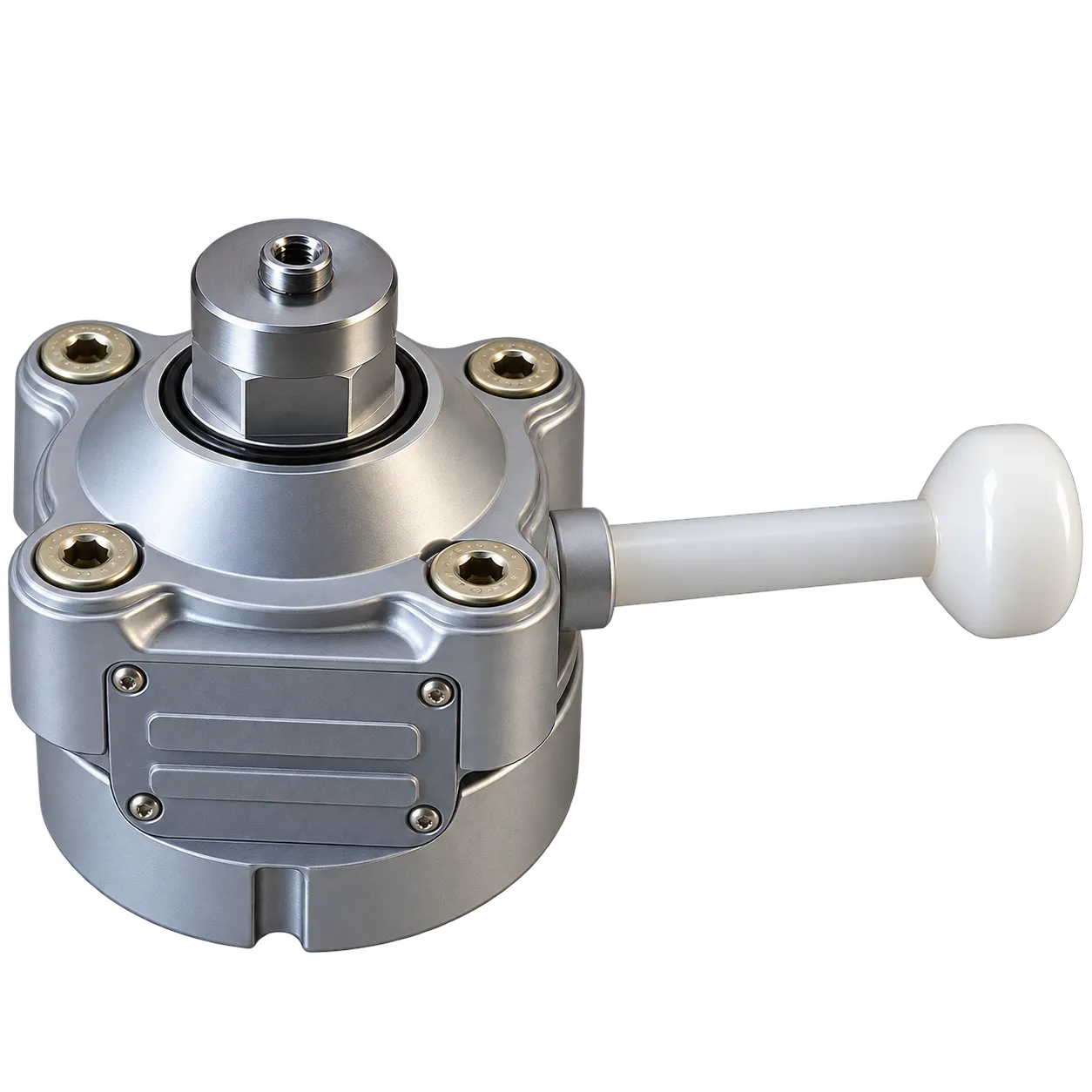
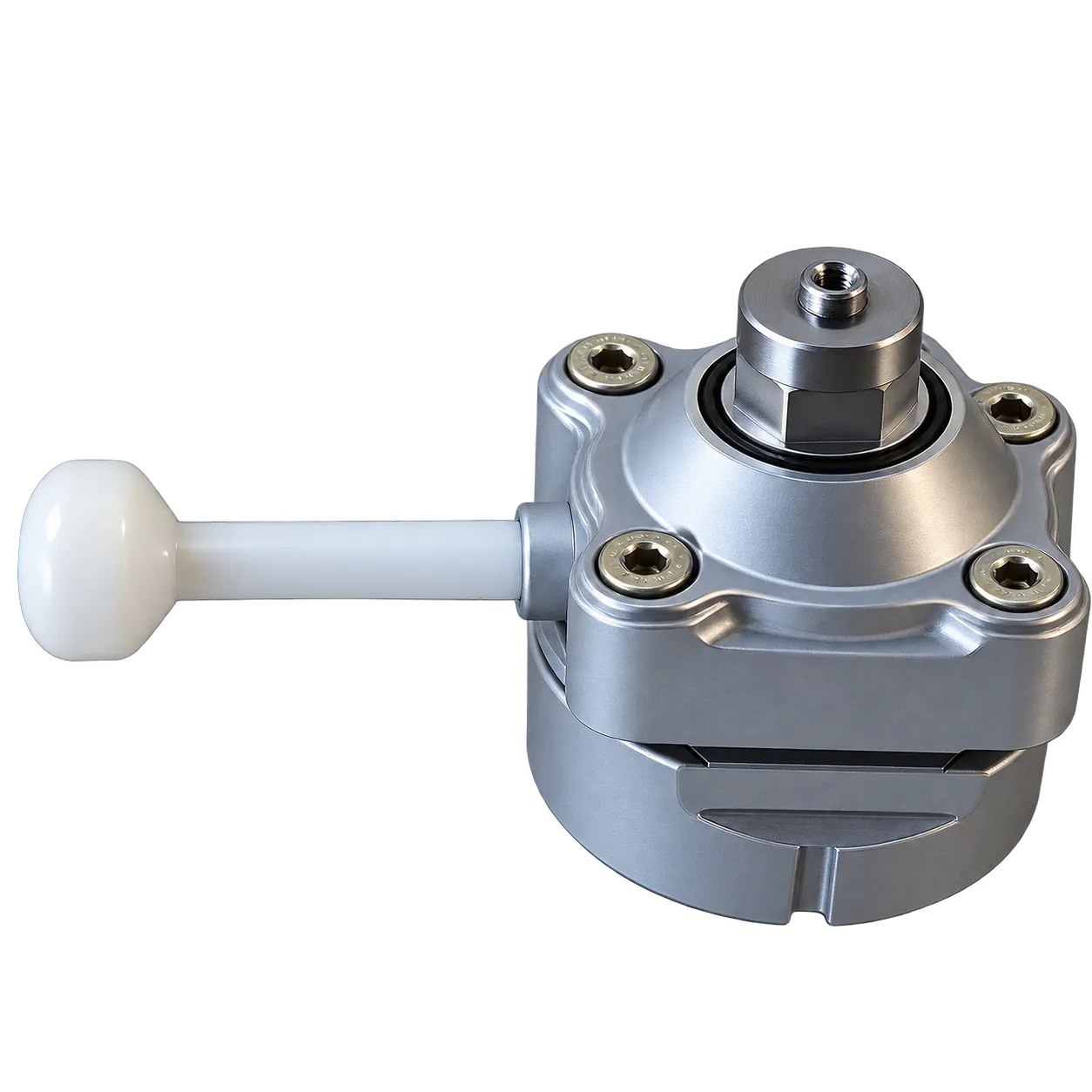
Prosthetic centres and limb-fitting services fitting pin-lock suspension are the main users. The lock is built into the socket and holds a pinned liner. The intended amputation levels are not stated, so confirm them before adding the part to a build protocol.
Users who want to put on and take off their limb independently are the group a pin lock serves. Checking that they can press the release button is part of the fitting.
Training matters. Users should practise donning and doffing at the fitting, and the prosthetist should confirm they can release the lock in a hurry if needed.
Charitable limb programmes can stock the lock once the pin size and compatible liners are confirmed. Aluminium can corrode where it meets other metals in wet conditions, so ask about surface treatment.
Users with limited hand function or reach should be assessed carefully, since a lock they cannot release safely is a risk. The prosthetist can check this at the fitting by asking the user to release the lock unaided.
Services fitting pin locks should keep a record of the liner and pin used with each lock, so replacements match and a mismatched pin is never fitted.
Check the release at each review.
Record the liner and pin size.
The lock is not suited to users above 125 kg, to users who cannot press the release, or to liners whose pin does not match. The conformity documentation those procurement routes require is issued by the manufacturer and provided by the seller.