
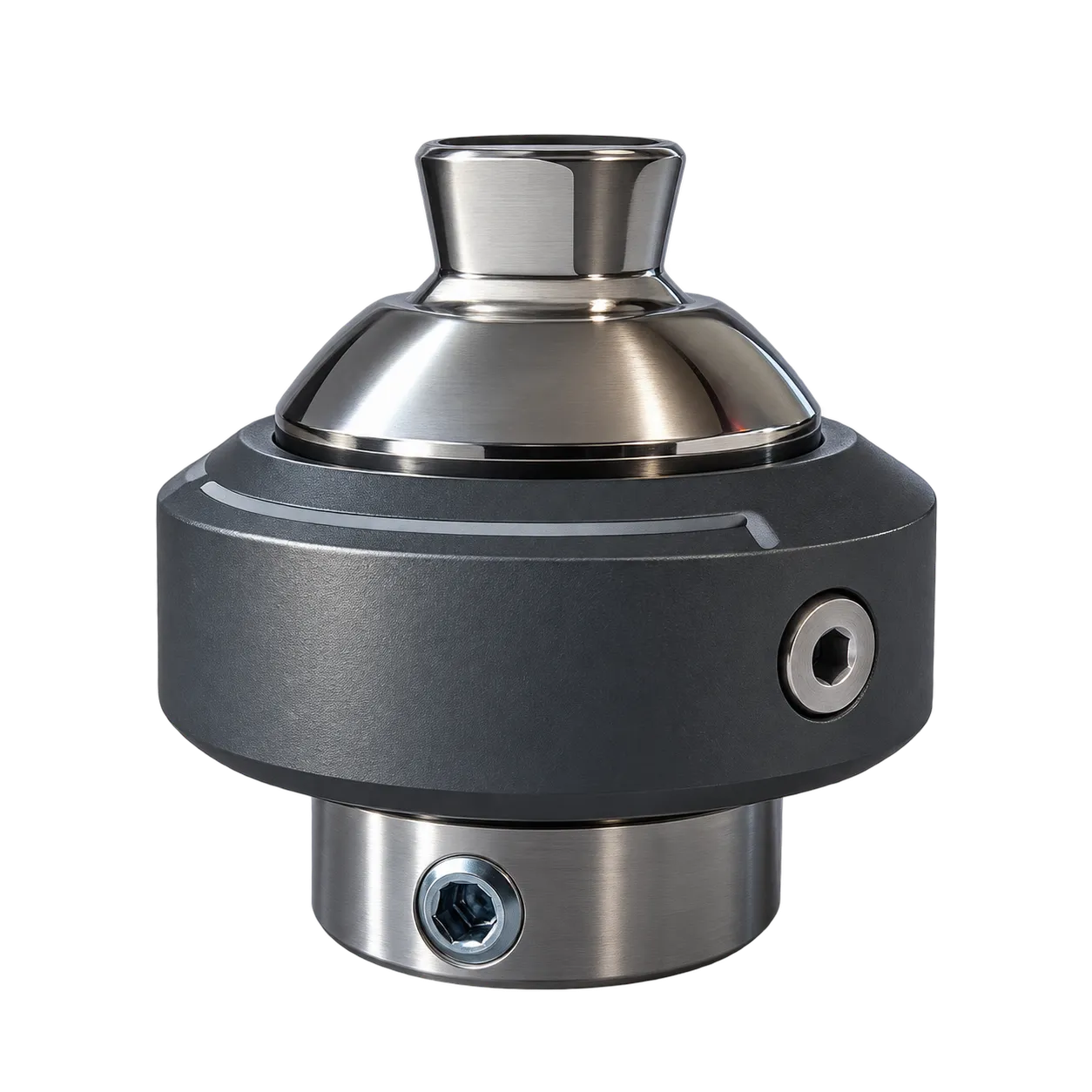
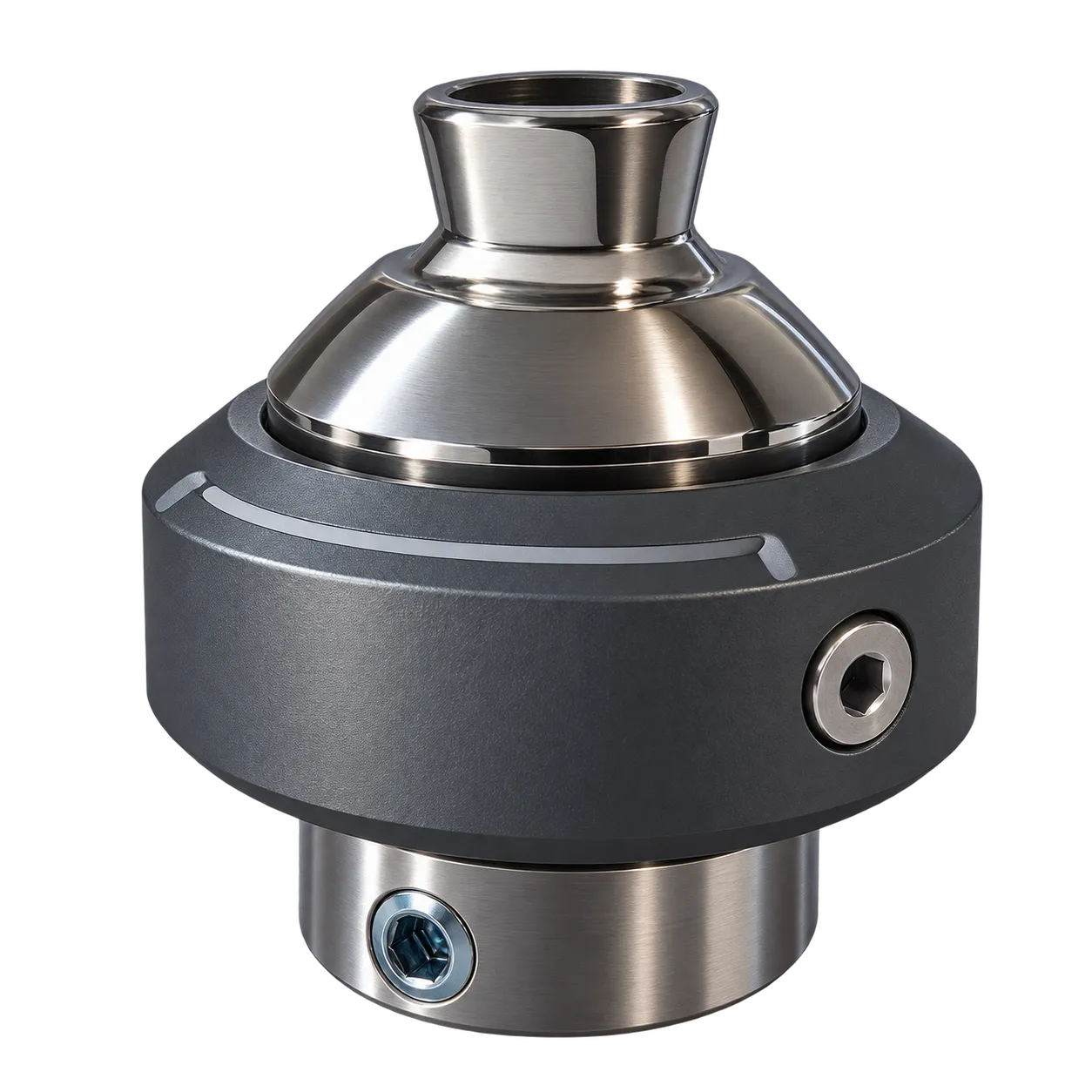
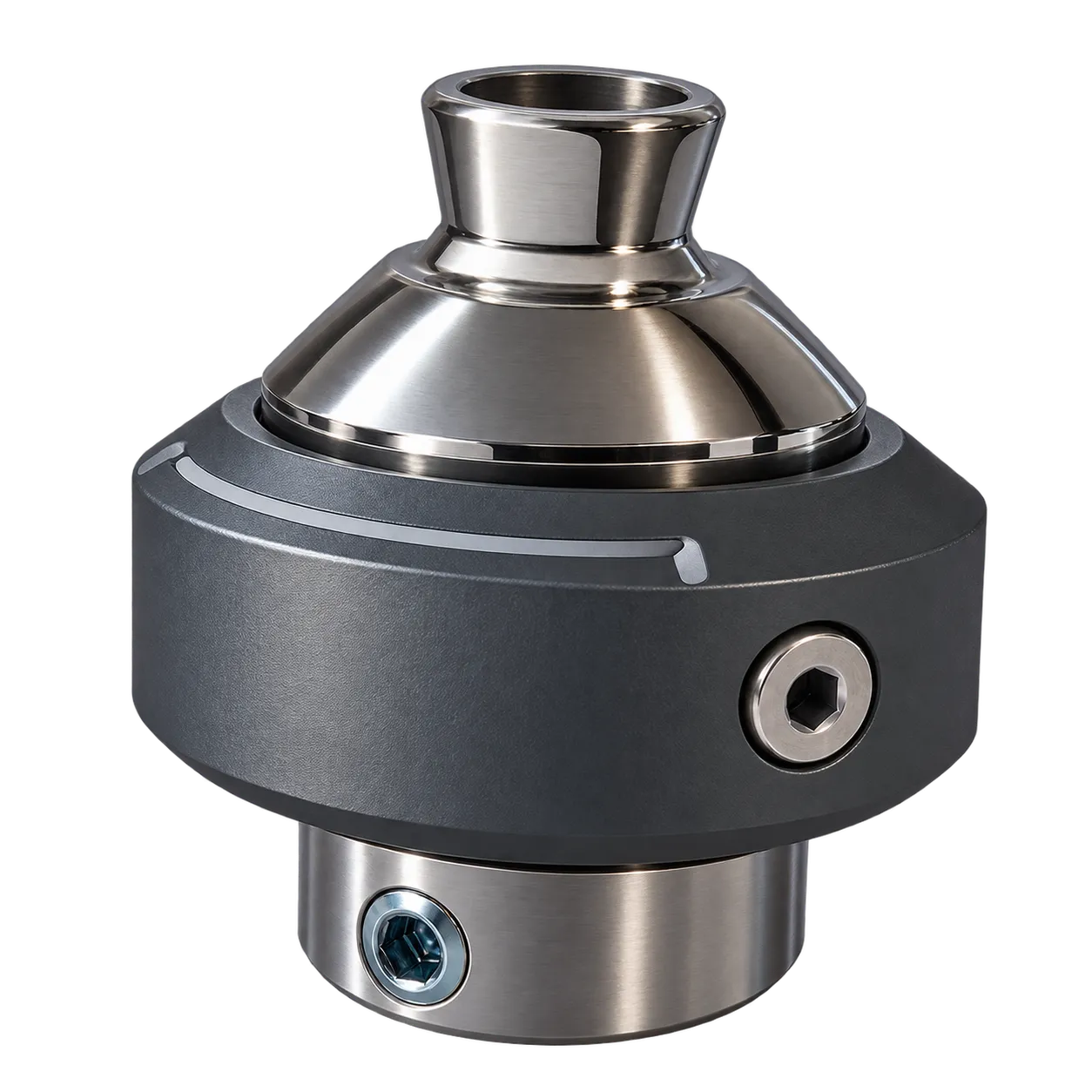
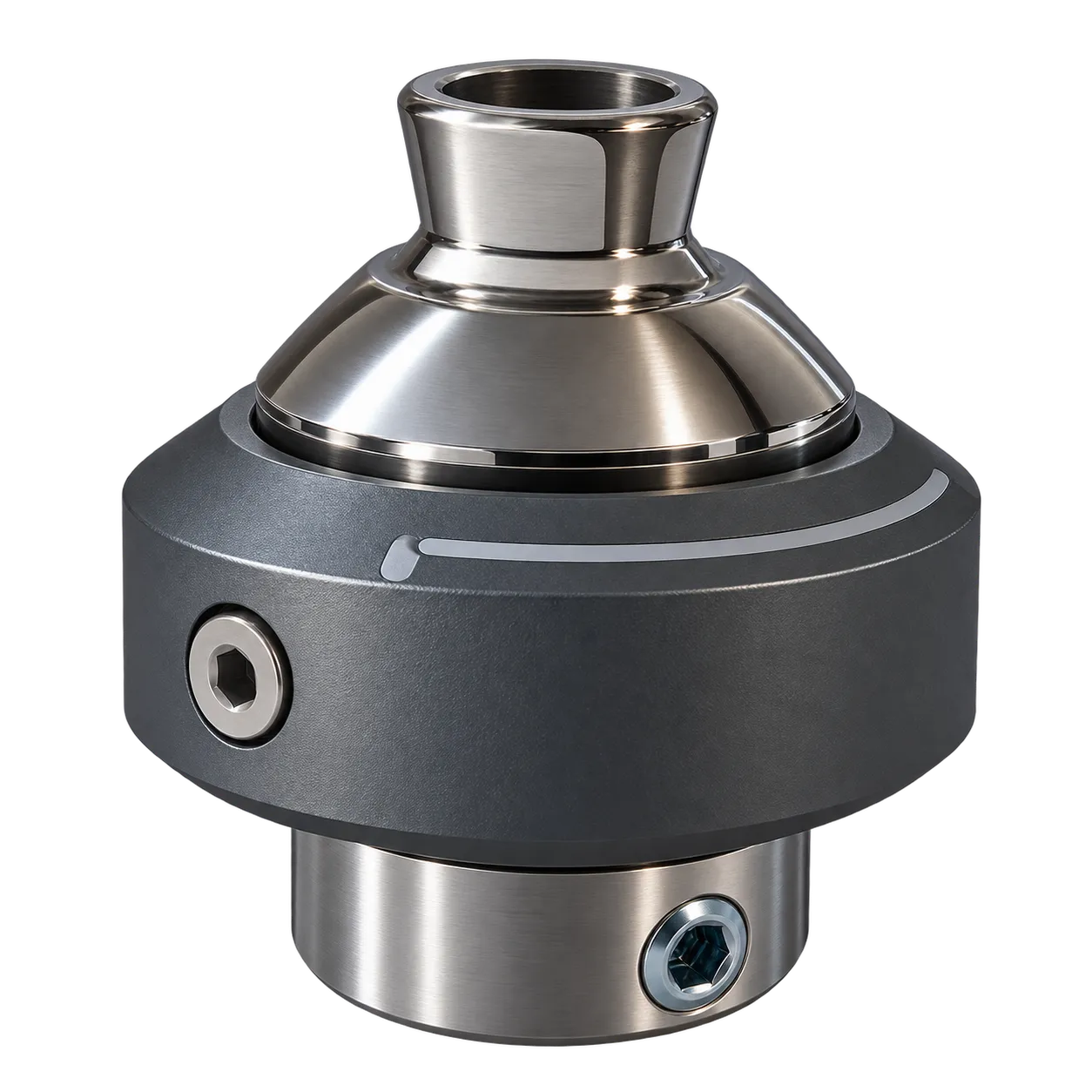
A quick connector earns its keep in services where limbs come apart often. The 4F37-QC suits modular lower-limb builds for users up to 125 kg, in workshops that open a limb during bench alignment, at fitting reviews, for repairs further down the build and when a limb has to travel in two pieces. Its value is measured in staff minutes, and those minutes depend on a release procedure that the manufacturer's instructions define.
Alignment is the task most often interrupted by dismantling. It starts on the bench, continues while the patient walks and returns at later reviews as the residual limb and activity level change. In a 2016 crossover study of nine transtibial users, the protocol allowed 15 to 30 minutes of adjustment between alignment conditions, with mean changes of 1.2 degrees in the sagittal plane and 2.0 degrees in the frontal plane. Changes that small still matter. A 2016 systematic review of 11 studies in PLOS One found that alignment changes shifted socket reaction moments predictably, though their effect on walking speed and joint angles was inconsistent, and socket fit could not always be separated from alignment. Neither study examined a connector, so neither says anything about this one.
Transport is the other use. Limbs moved between a central workshop and outreach clinics, or sent for repair, pack into a smaller space when the halves separate, provided the instructions allow it and the setting is checked on arrival.
Public limb centres, independent practices, charity workshops and export programmes all run this kind of service. In England, NHS buyers use a mandated national framework, and equivalent public procurement elsewhere expects a comparable documented supply chain. The conformity documentation those procurement routes require is issued by the manufacturer and shared by the enquiry team.