
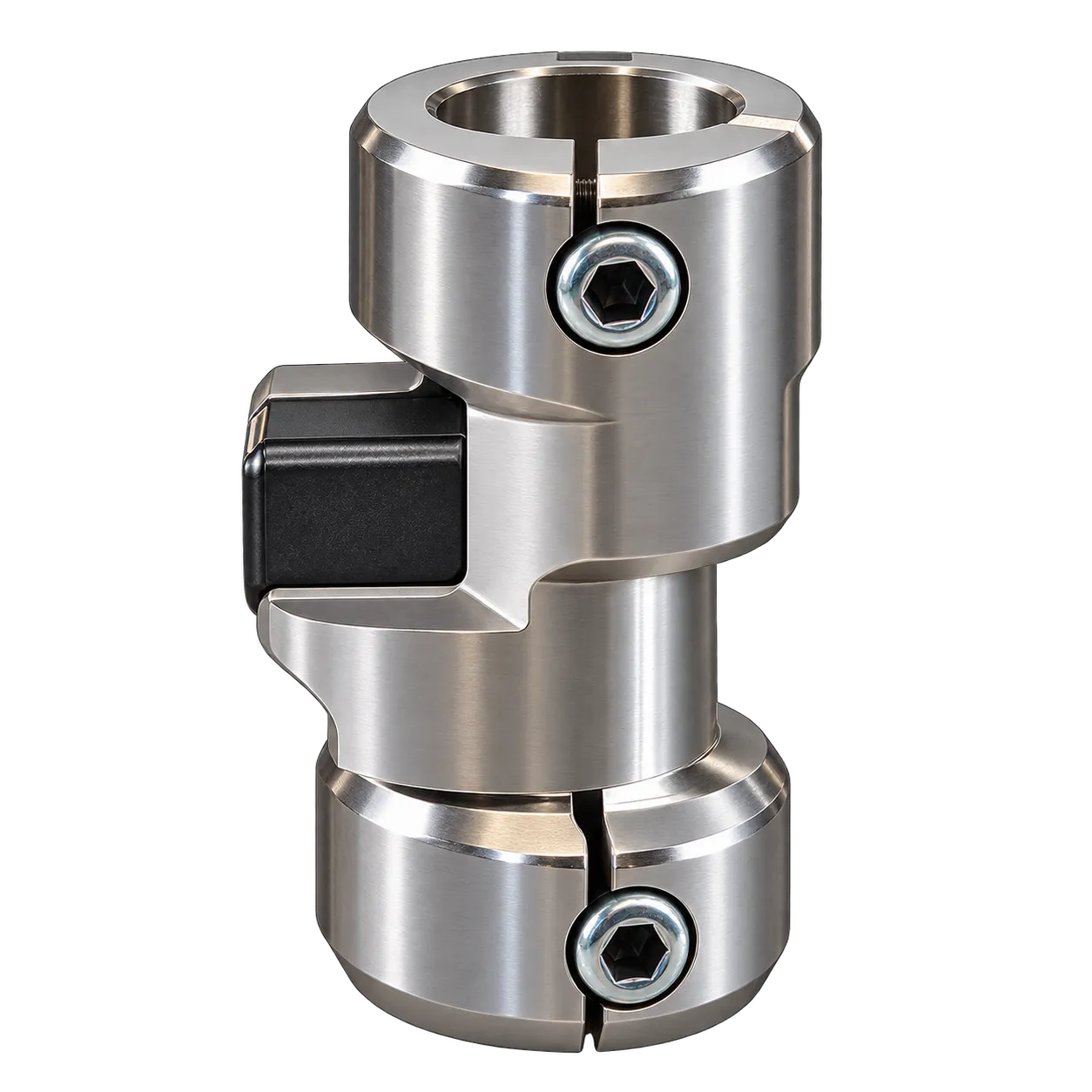
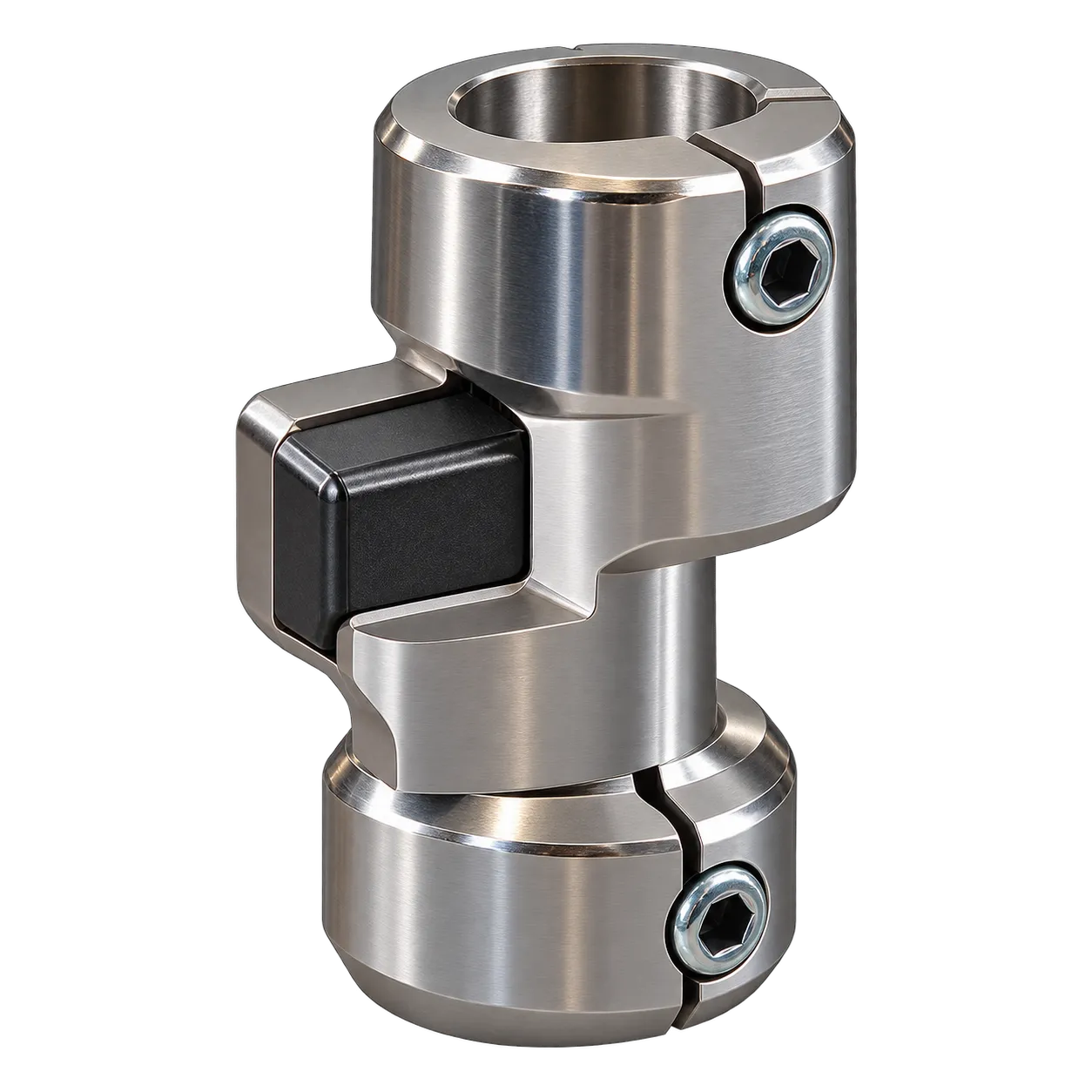
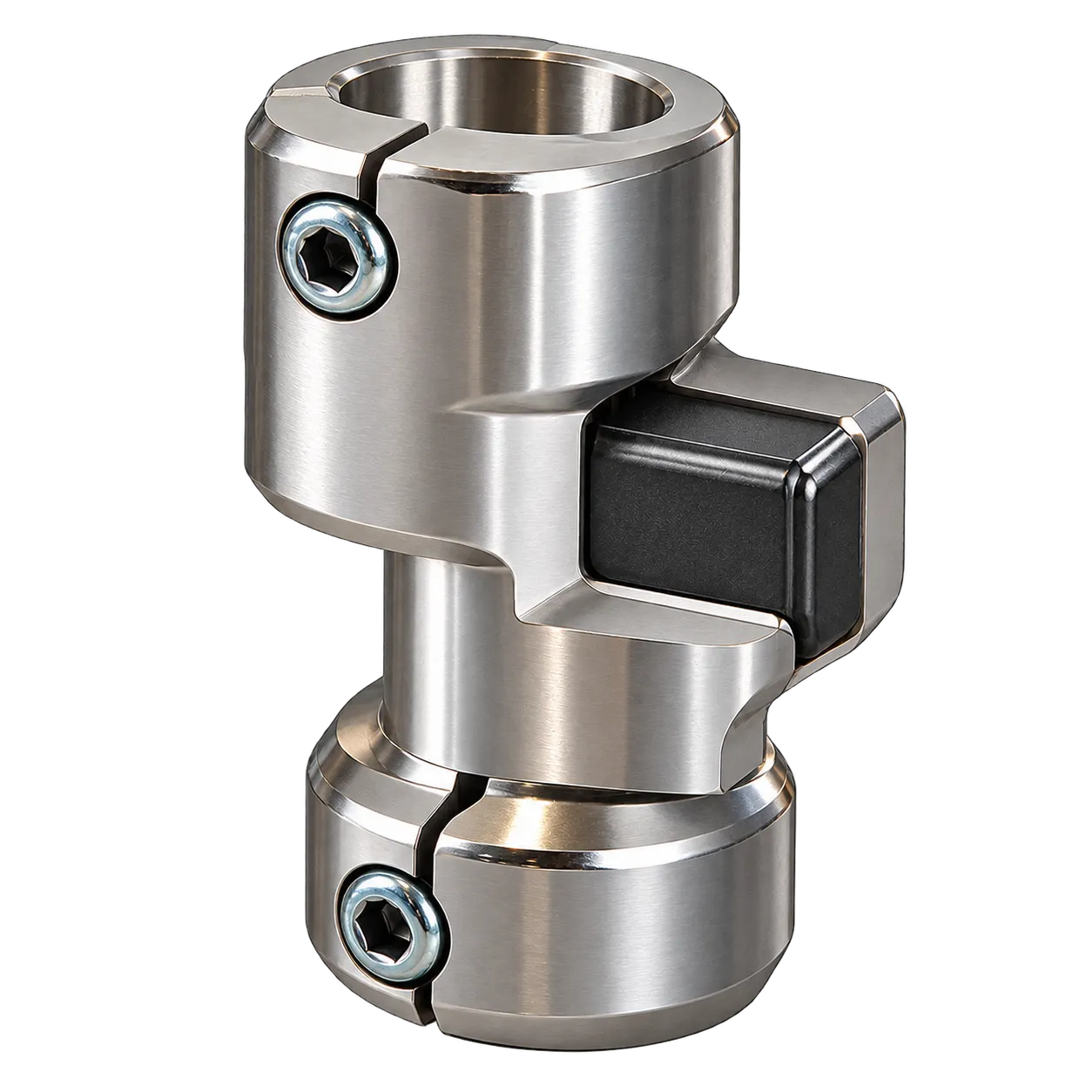
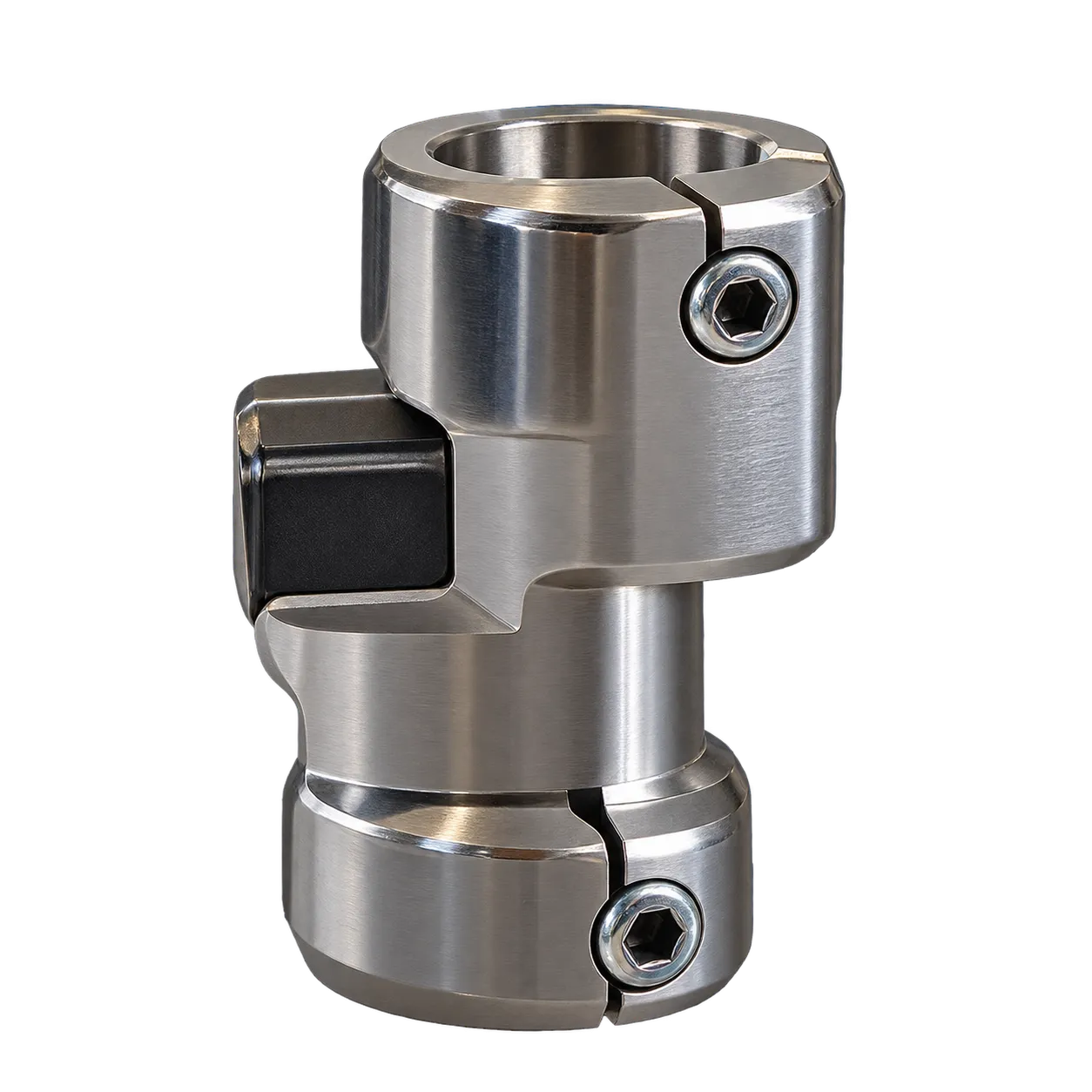
Prosthetic centres and limb-fitting services fine-tuning alignment are the main users. The adapter shifts the lower limb under the socket without changing its angle, and the three lengths let the prosthetist choose one that also suits the build height. The intended amputation levels are not stated, so confirm them before adding the part to a build protocol.
Users whose foot needs to sit further in or out under the socket, for example to improve how they stand or walk, are the group a sliding adapter serves. The prosthetist sets the position during static alignment and confirms it in a walking trial.
Services that fit transfemoral limbs, where the relationship between hip, knee and foot is critical, may find the sideways shift useful for balancing the limb in stance. The setting should be recorded so it can be reproduced at review.
Charitable limb programmes and export buyers can stock the lengths their caseload needs. Confirm the sliding range, locking method, connection types and torque values before placing an order.
Recording the slide position at each review builds a picture of how the user's alignment changes over time. That record helps the prosthetist decide whether a change is a fine adjustment or a sign that the socket or foot needs attention.
The adapter is not suited to users above 125 kg, to limbs whose components do not match its connections, or to builds that need a length outside the three published sizes. The conformity documentation those procurement routes require is issued by the manufacturer and provided by the seller.