
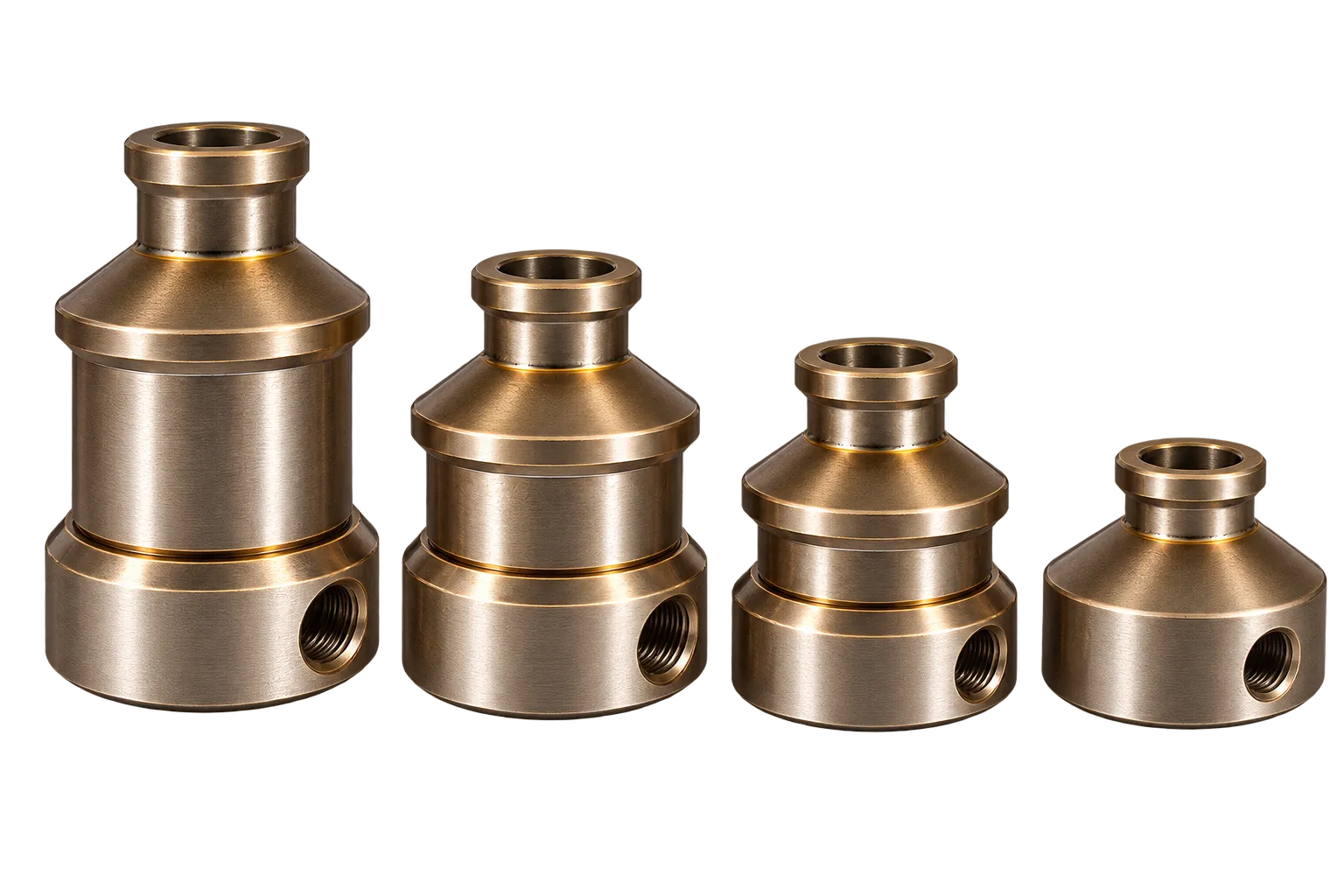
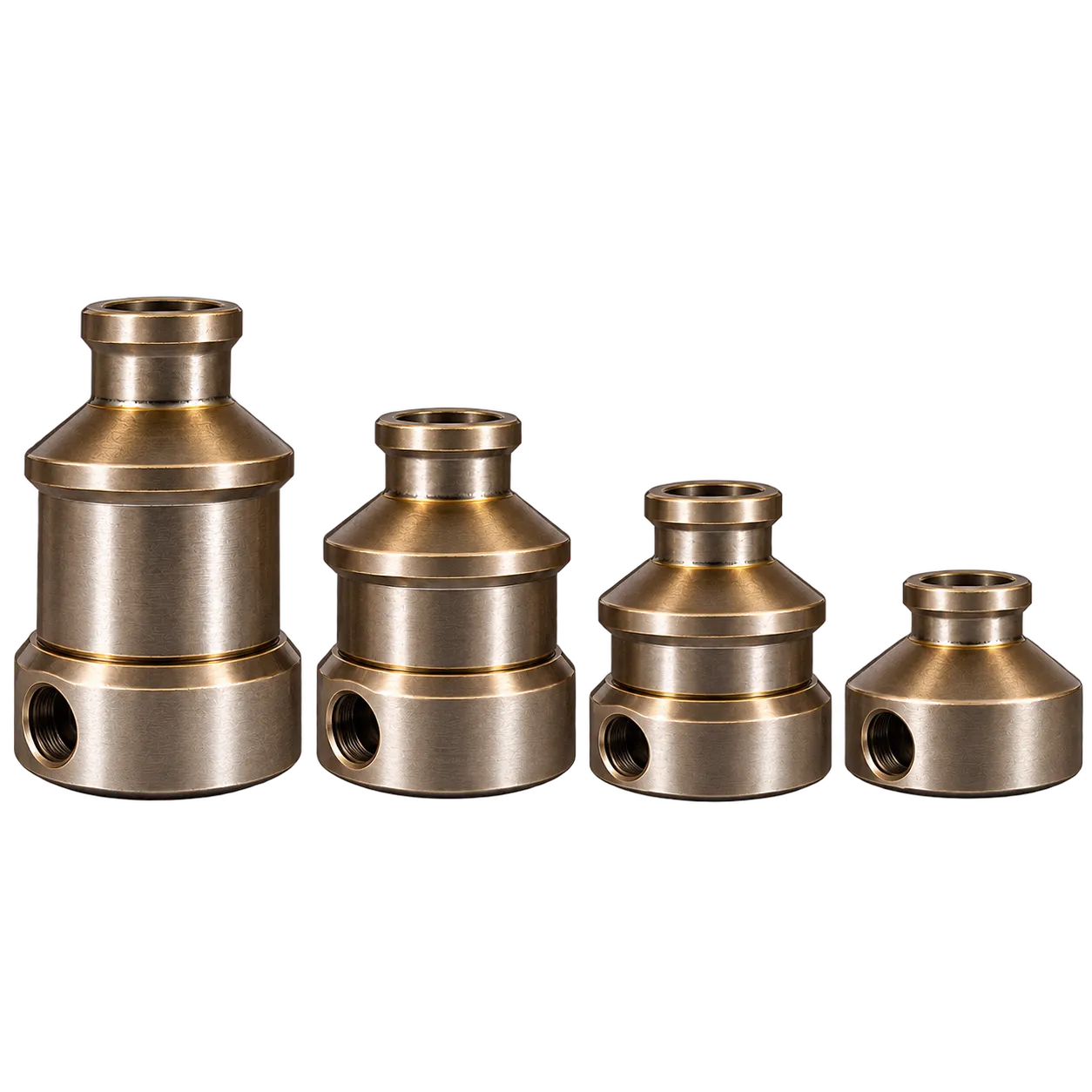
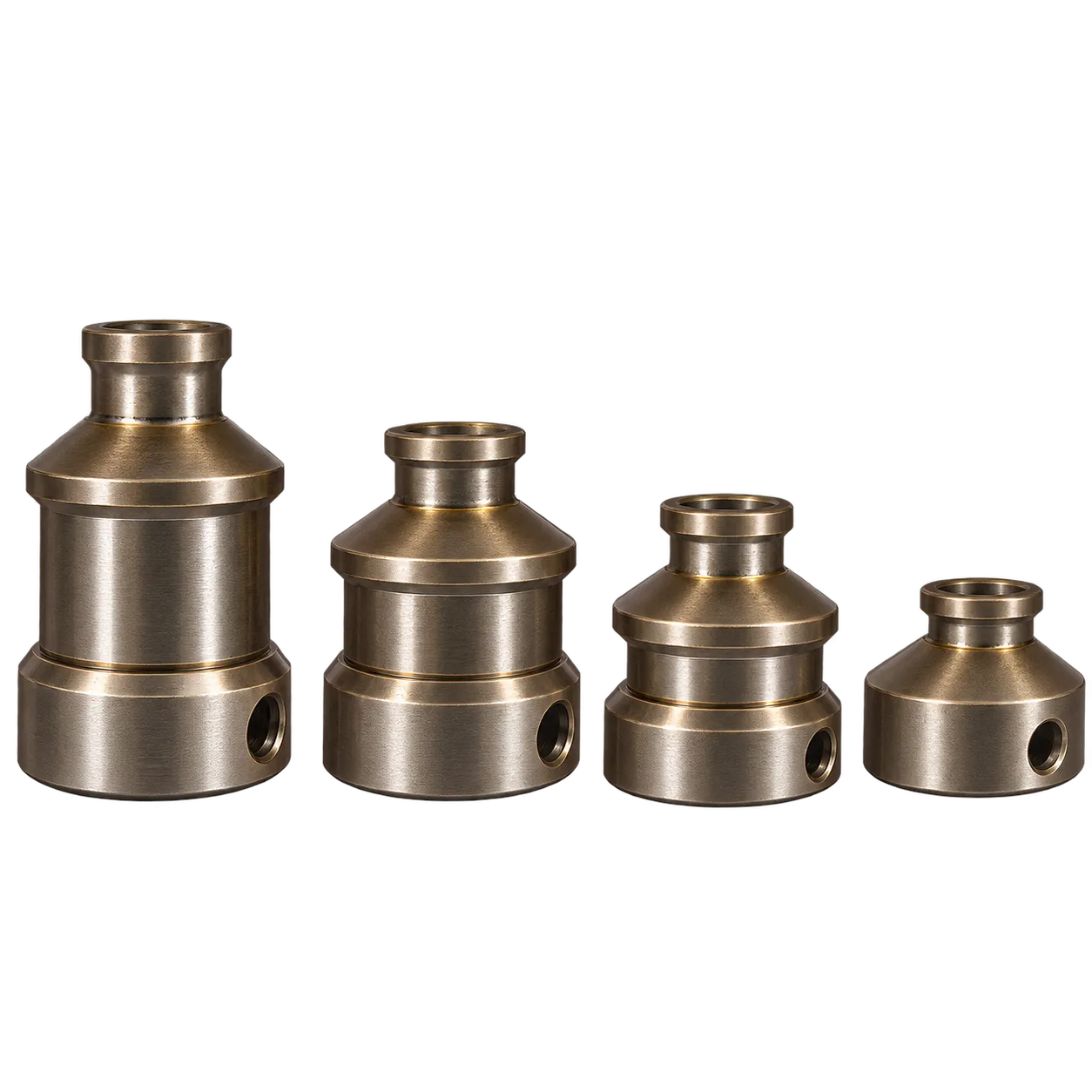
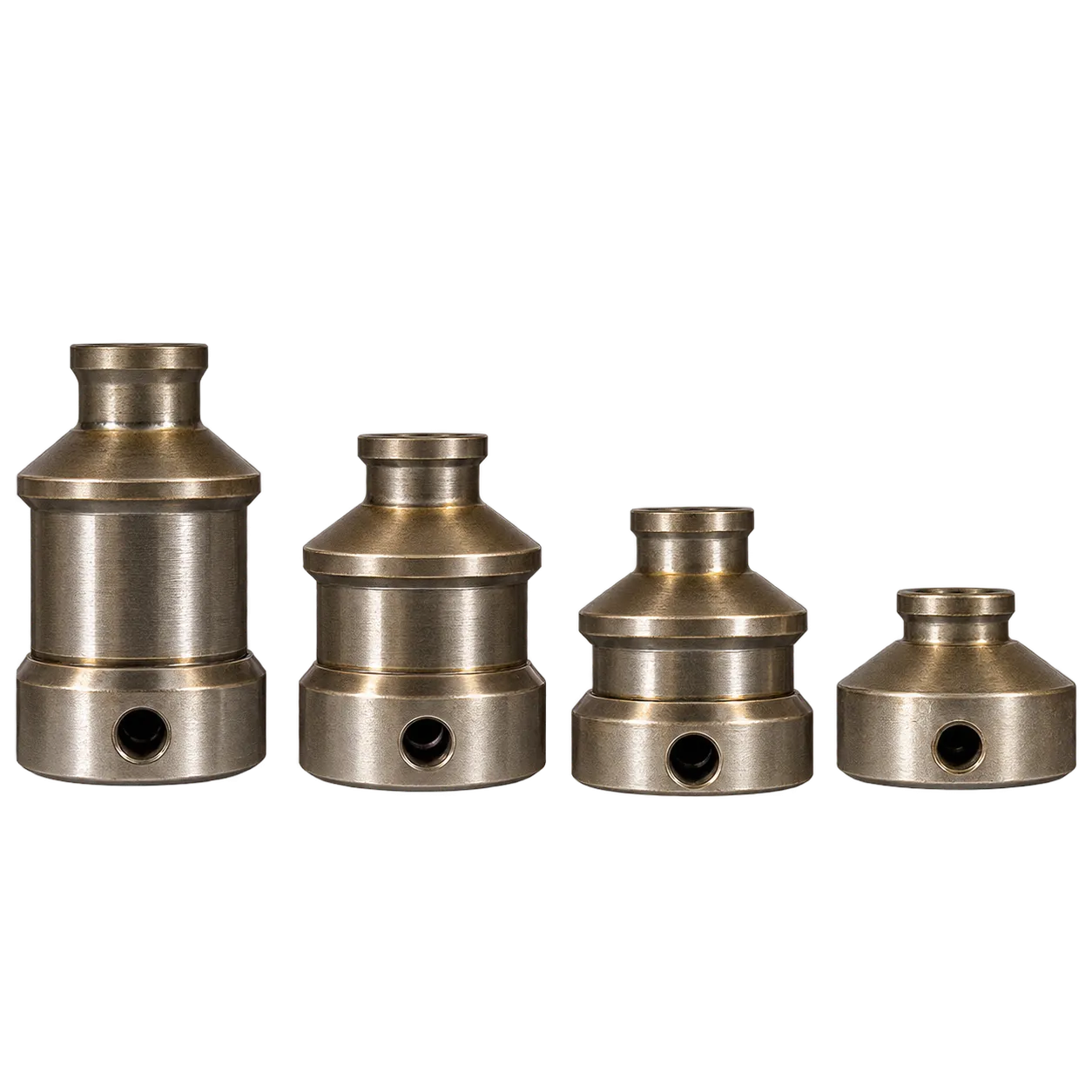
Prosthetic centres and limb-fitting services assembling modular limbs are the main users. The connector joins two male pyramids with a set gap, and the four lengths let the prosthetist match build height to the user's anatomy. The intended amputation levels are not stated, so confirm them before adding the part to a build protocol.
Workshops with a steady caseload can use the published lengths to plan stock. Holding the most-used lengths and ordering the others on demand keeps builds moving without tying up money in unused parts.
Services fitting both short and long residual limbs will use different lengths, and a record of which length each user needed makes replacement straightforward. Recording the length alongside the other components on the build sheet keeps that information to hand.
Charitable limb programmes and export buyers can order a mix of lengths matched to their caseload. Confirm how the lengths are measured, receiver dimensions, torque values and material-specific ratings before placing an order.
Workshops that want to standardise can also use the four lengths to simplify training. Technicians who know the four sizes can pick the right one from a measured gap quickly, and the build sheet records which one was used. Services supplying limbs across several clinics can hold the same four lengths in each, so technicians work from one familiar set.
The connector is not suited to users above 125 kg, to limbs whose components do not carry a compatible male pyramid, or to builds that need a length outside the four published sizes. The conformity documentation those procurement routes require is issued by the manufacturer and provided by the seller.