
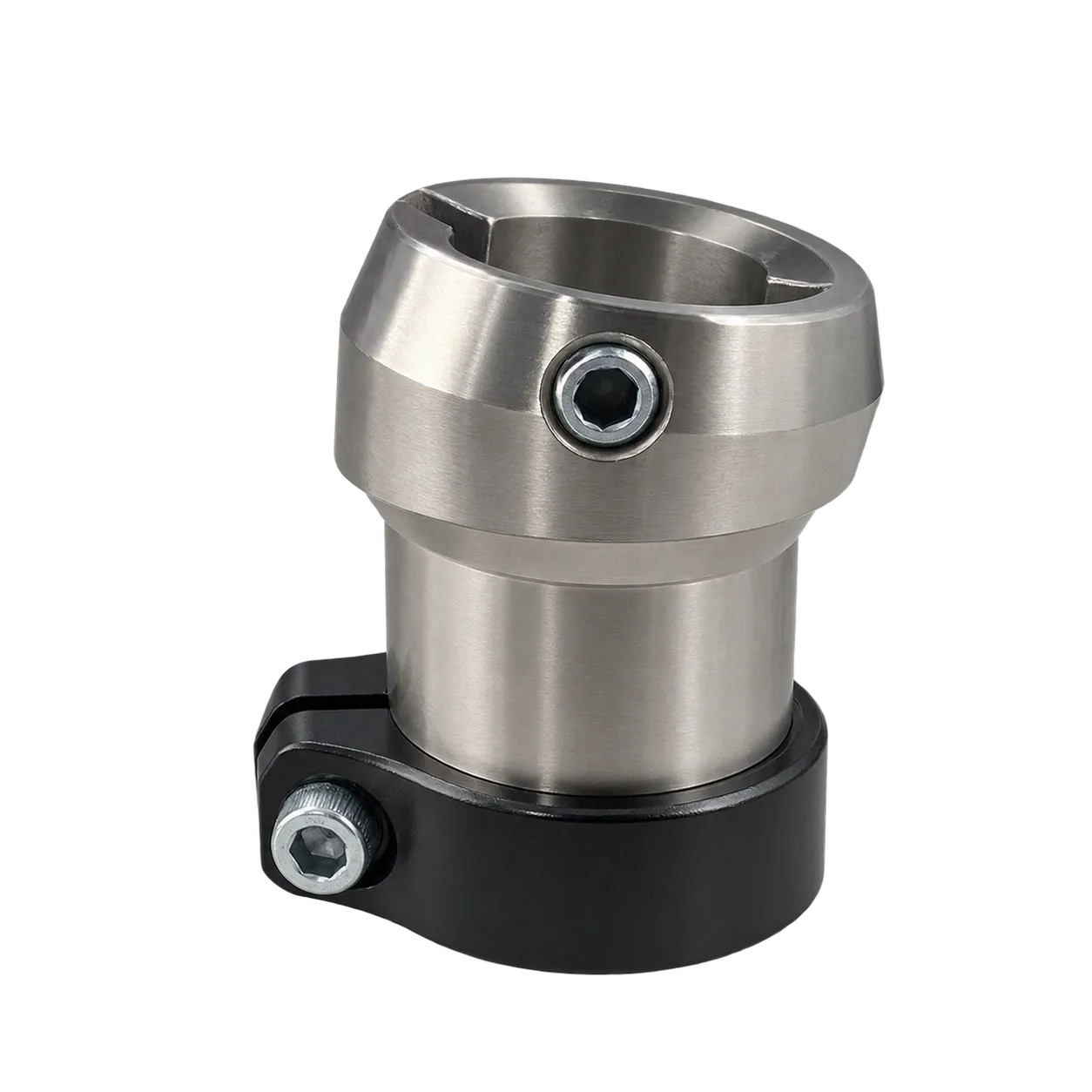
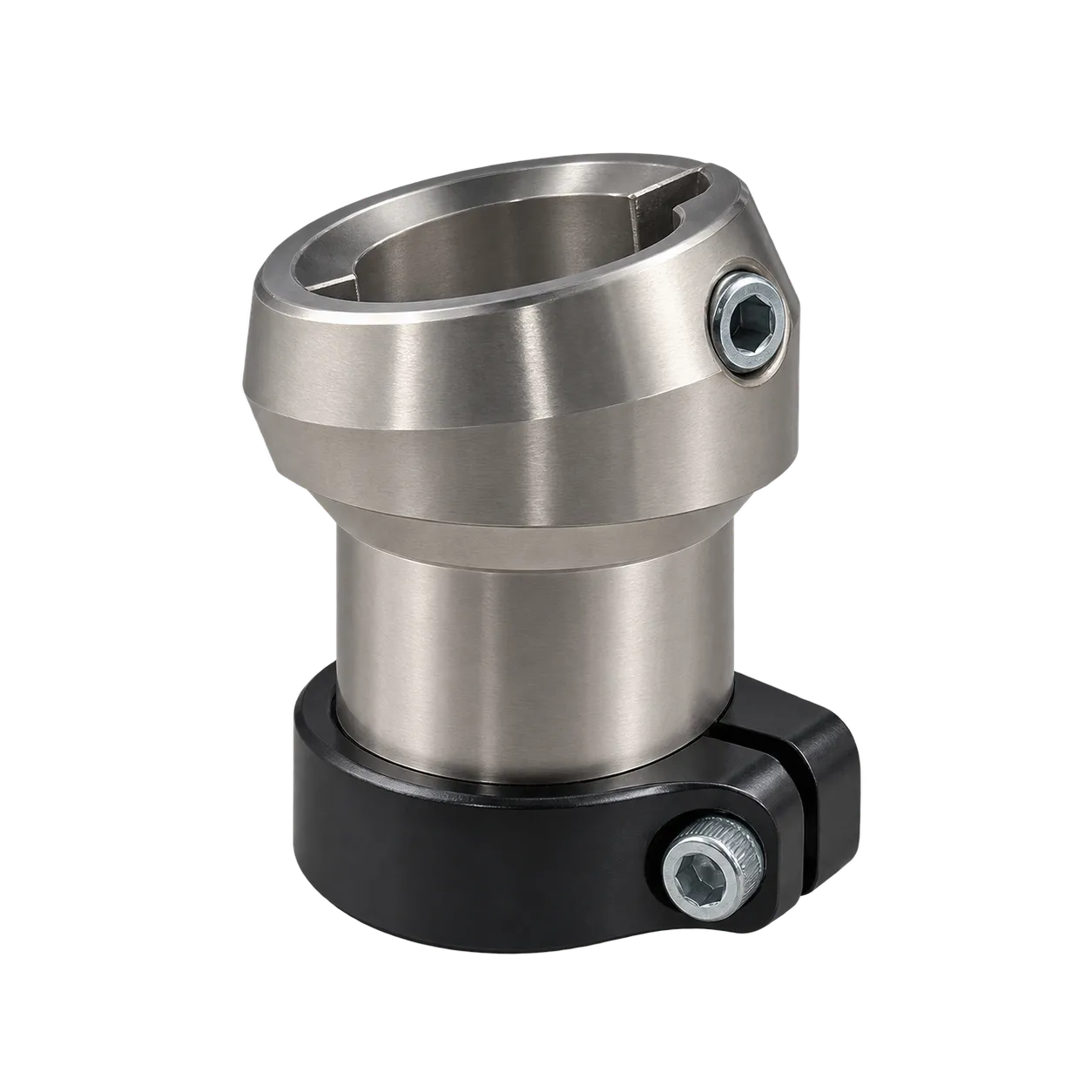
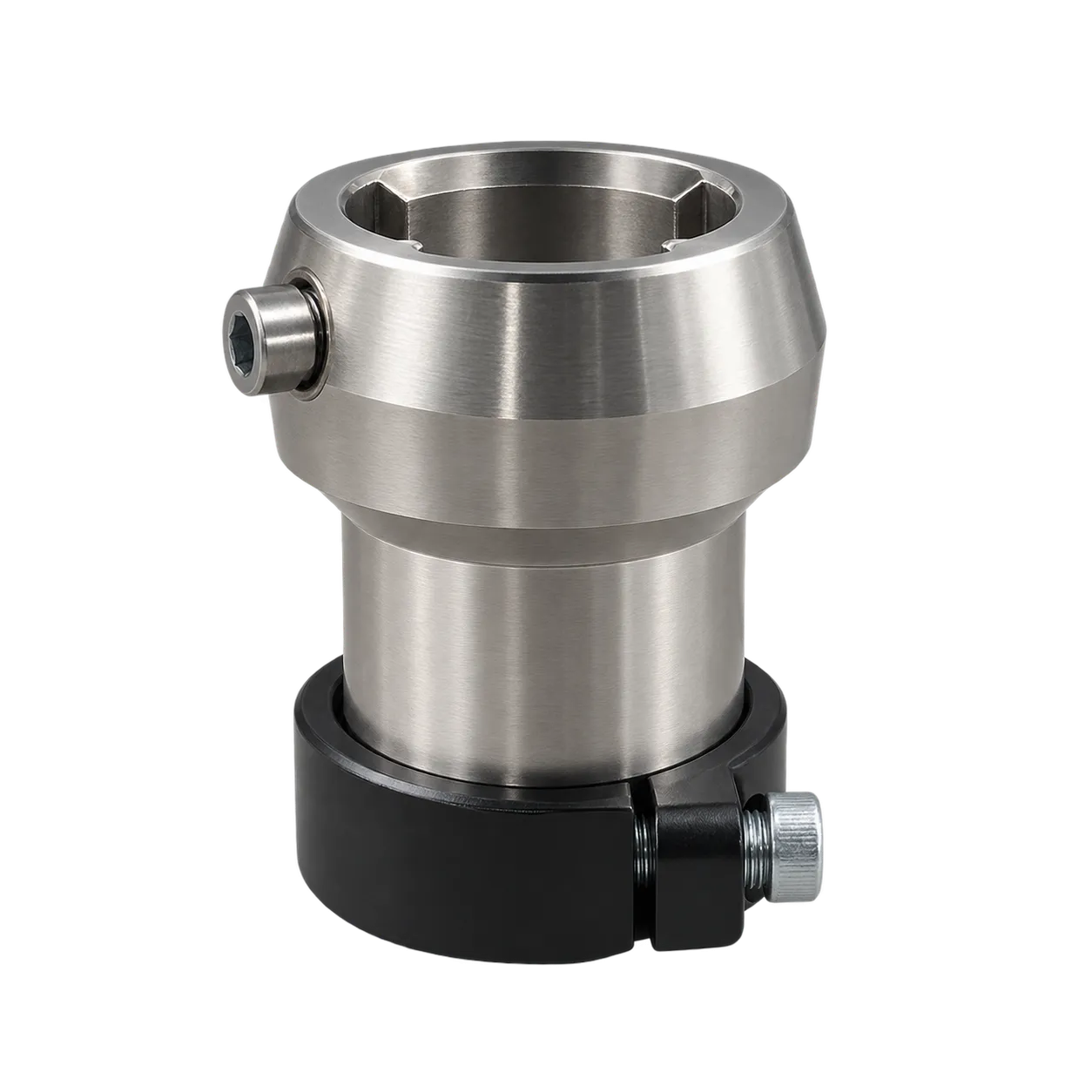
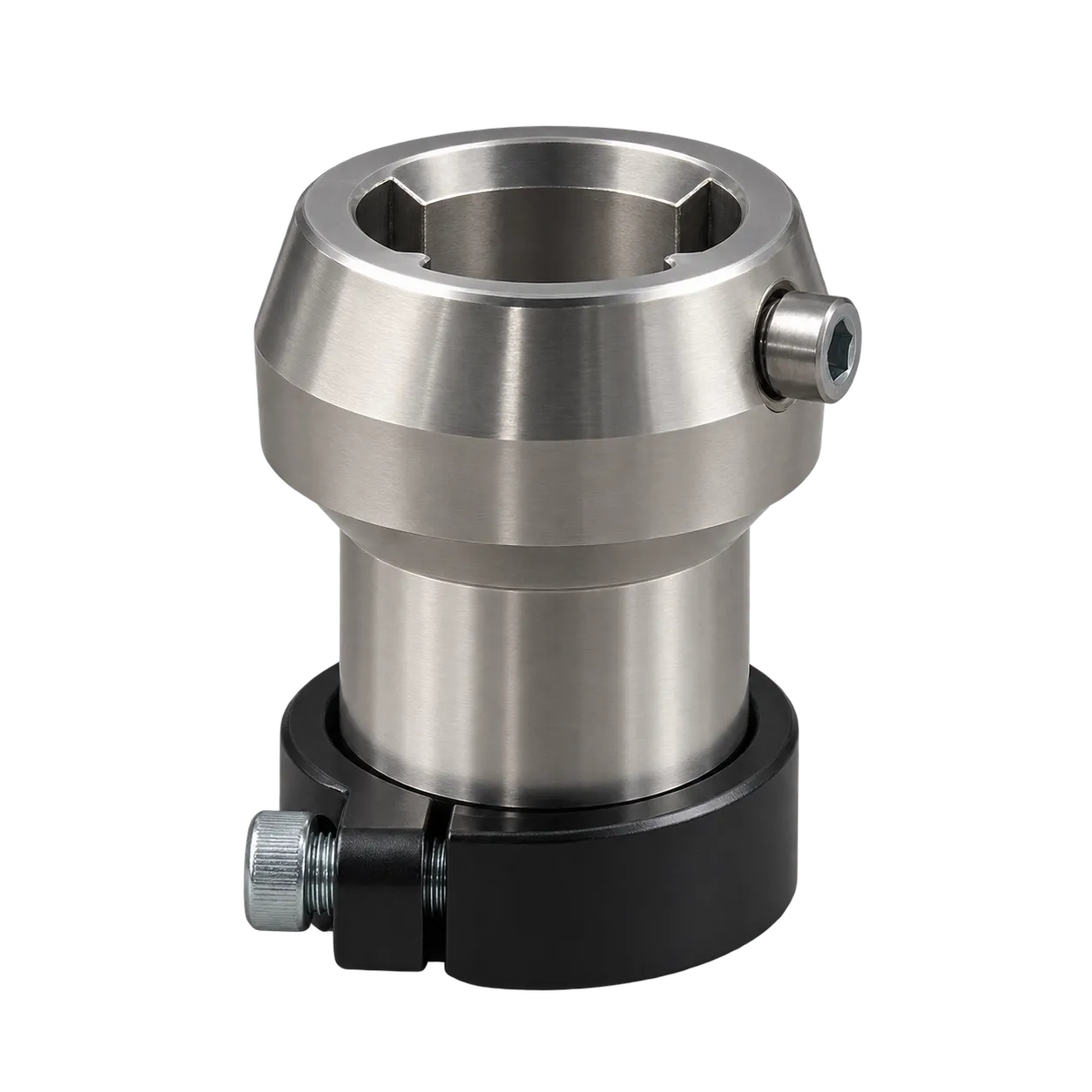
Prosthetic clinics using tube adaptors need the exact variant their build calls for, because similar-looking parts can differ in tube size or geometry. The 4F24-10 is supplied only after its own bore, height and upper connection are confirmed. That lets the prosthetist plan pylon length and alignment with the right figures in hand. Medigear.uk supplies those details with the certification records.
Rehabilitation services benefit from a limb that holds its alignment between sessions, which depends on every joint being the correct part and correctly torqued. If a change in the wearer's gait calls for adjustment, the prosthetist can work at the adaptor's upper connection. Fixings should be checked at reviews so the tube stays exactly where it was set. Medigear.uk can provide manufacturer documentation, including torque figures, for a service's own records.
Workshops holding more than one 4F24 variant need to keep them clearly separated in stock, since a mix-up can halt a build. Medigear.uk labels each order by its full code and confirms the distinguishing figures in writing. That makes reordering the right part straightforward. Volume terms, OEM branding and ODM work are arranged in the same conversation.
For the wearer, the correct adaptor simply means a limb that feels the same every day. Any slipping of the tube, noise at the joint or change in how the limb sits deserves prompt attention from the prosthetist. Small movement at a tube joint tends to grow if it is left unattended. Medigear.uk answers questions from wearers ordering replacements with their clinical team.