
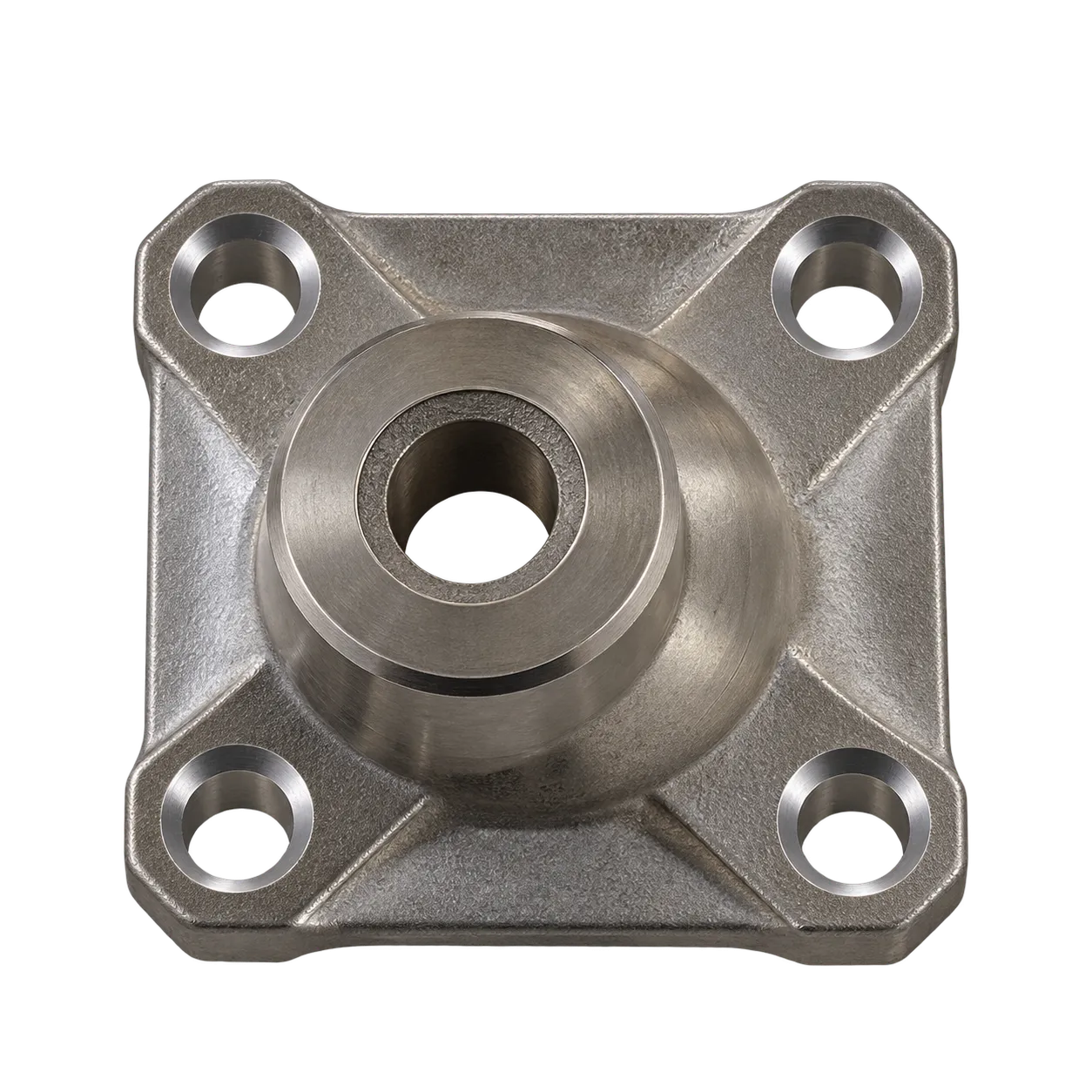
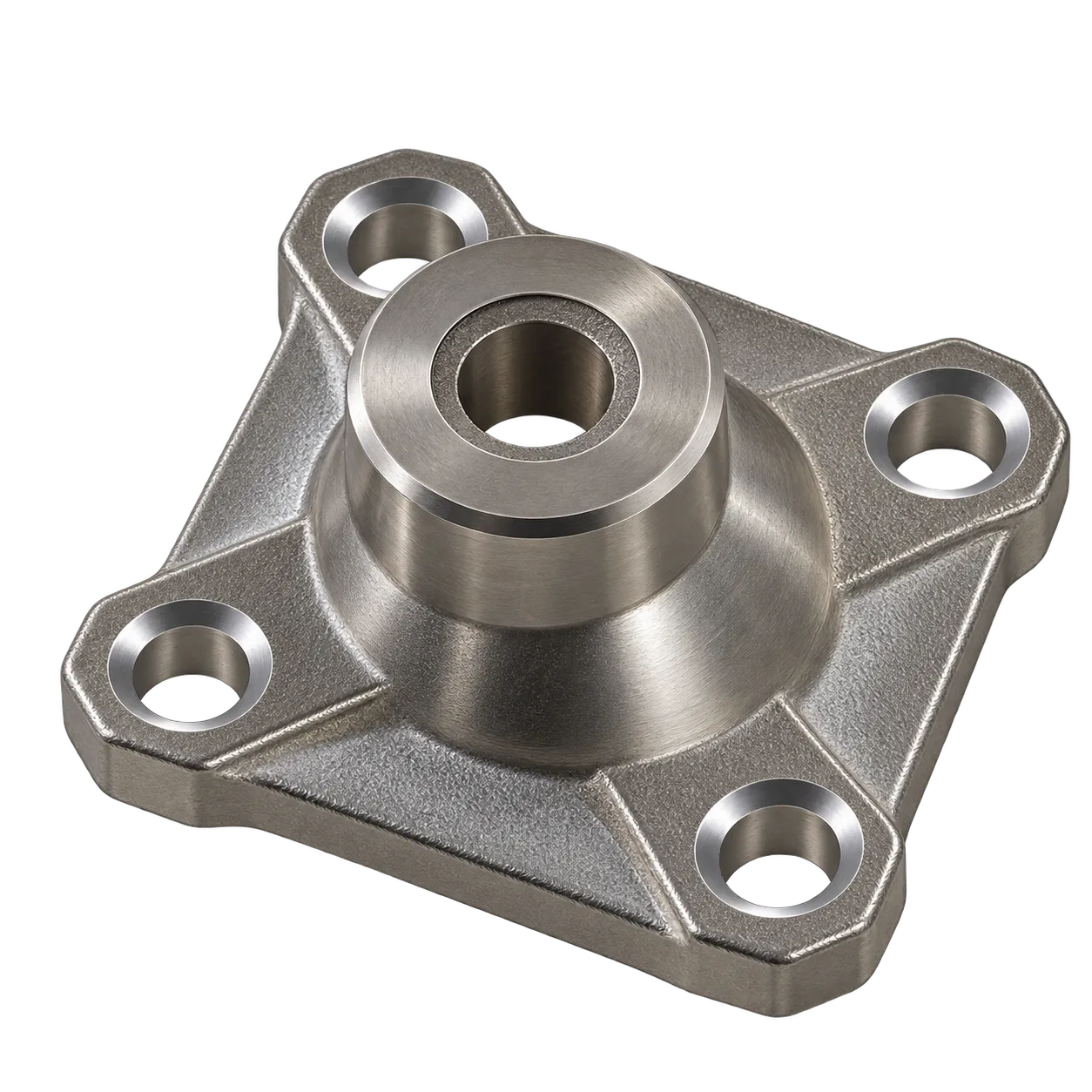
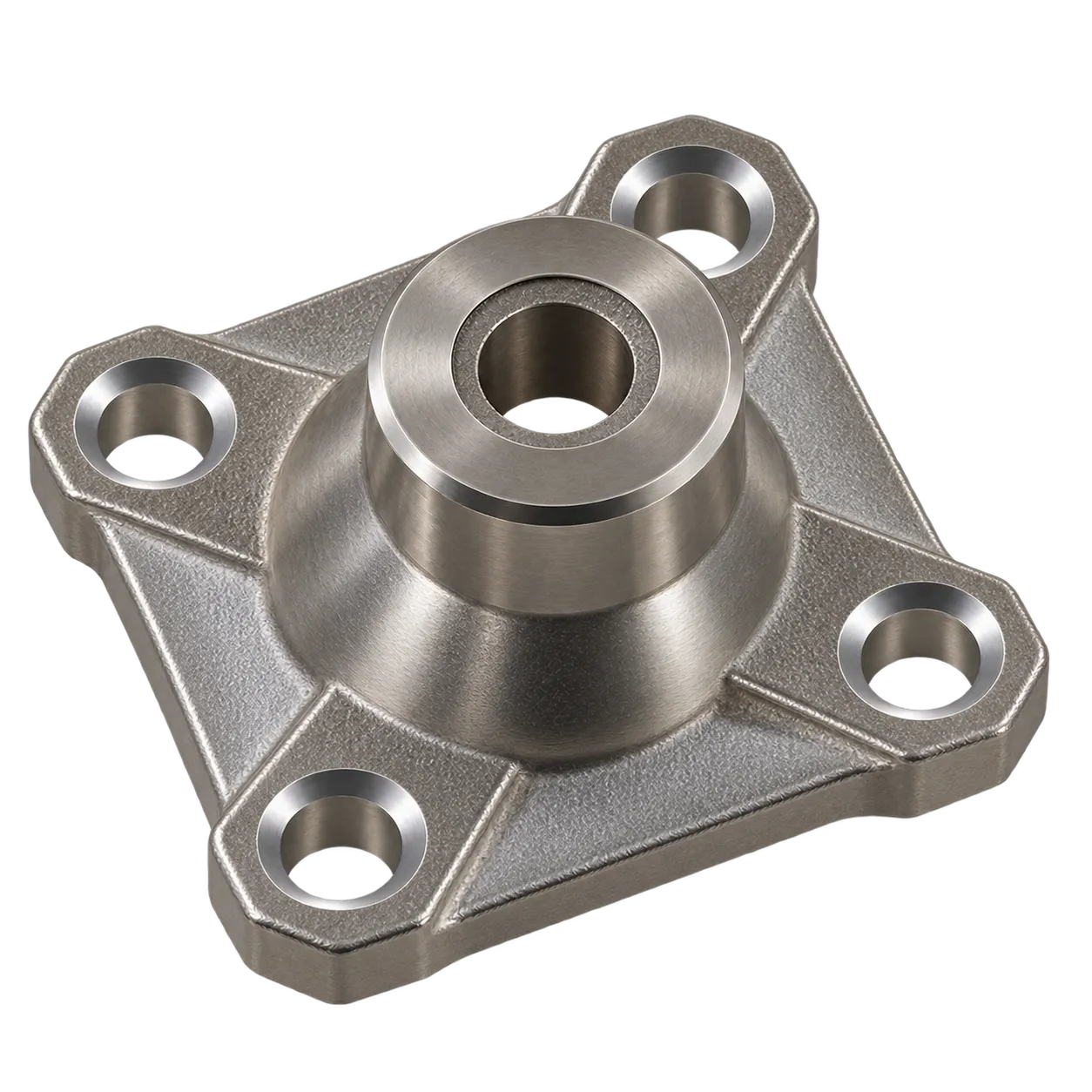
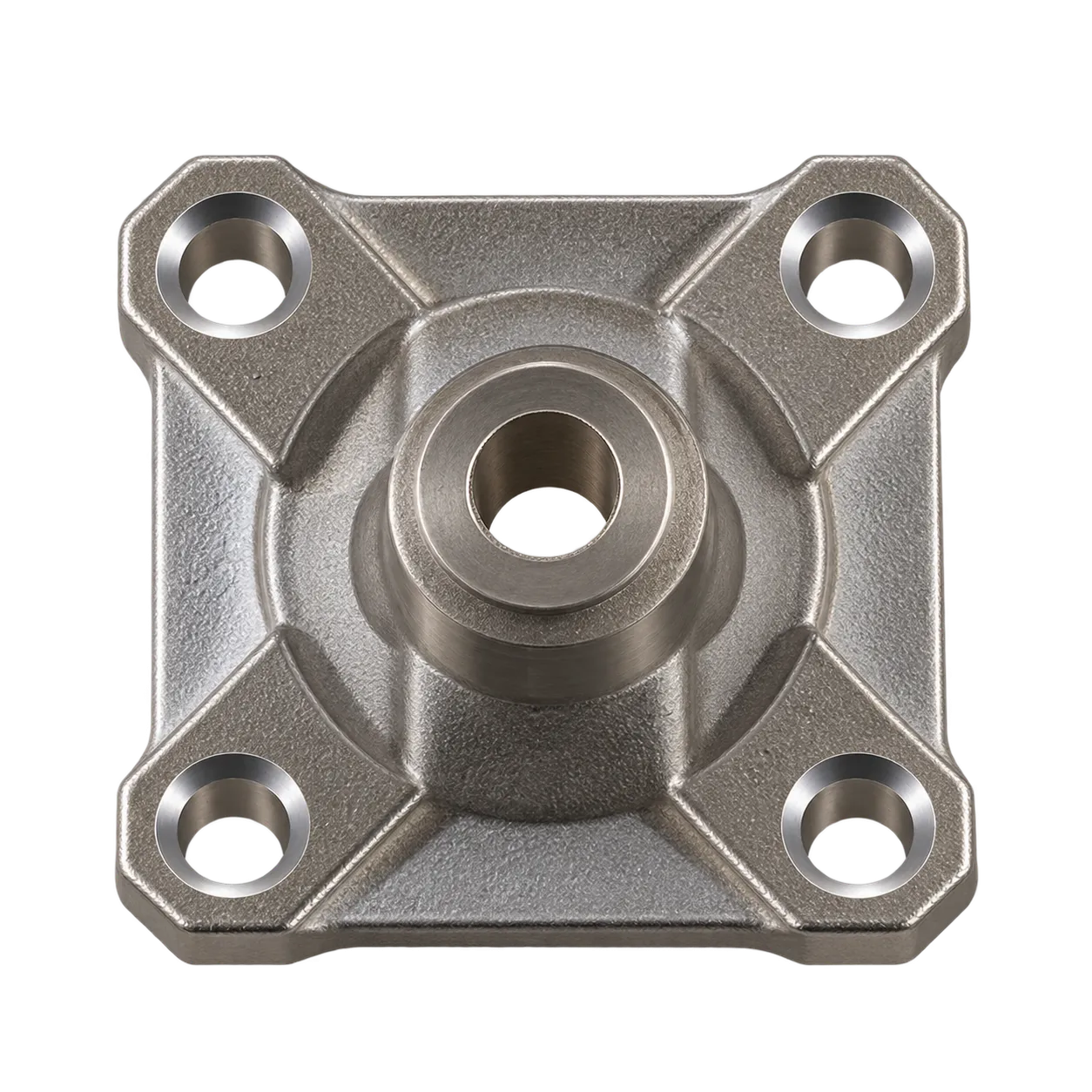
Prosthetic clinics build outwards from the socket connection, so what sits at the distal end shapes everything below it. The 4F23-T offers a four-hole plate with a raised receiver, and the confirmed bore tells the prosthetist exactly which components it will accept. Build height and rating complete the picture before the limb is planned. Medigear.uk supplies all three in writing together with the certification records.
Rehabilitation services see the consequences of that build rather than the hardware, in how a wearer loads and moves through each step. Where adjustment is needed, it is made at the components around this adaptor rather than at the socket itself. Fixings should be checked at reviews like any load-bearing connection. Medigear.uk can provide manufacturer documentation, including the torque figure and rating, for a service's own records.
Fabrication workshops need hole spacing and the fixing method before they prepare a socket, because a mismatch means doing the work twice. The receiver bore is settled at the same time, so the adaptor mates with the components in stock. Material and weight are confirmed alongside, so nothing is left to be discovered once the part arrives. Volume terms, OEM branding and ODM work are arranged through Medigear.uk.
For the wearer, this plate quietly holds the limb together through every step of an ordinary day. A correctly torqued connection should give no sign of itself at all. Movement, noise or a change in how the limb sits deserves a mention at the next appointment rather than being left. Medigear.uk answers questions from wearers ordering replacements with their clinical team.