
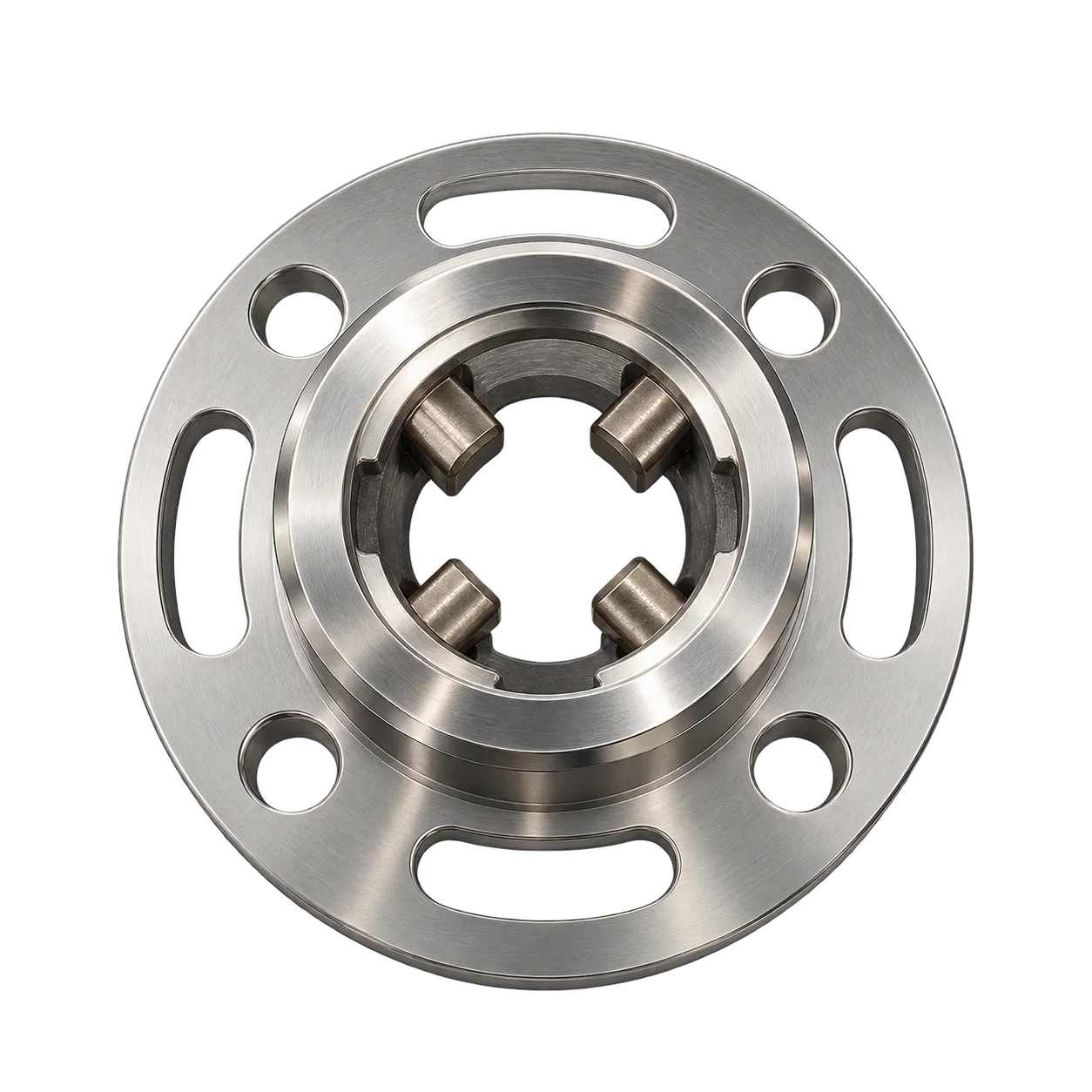
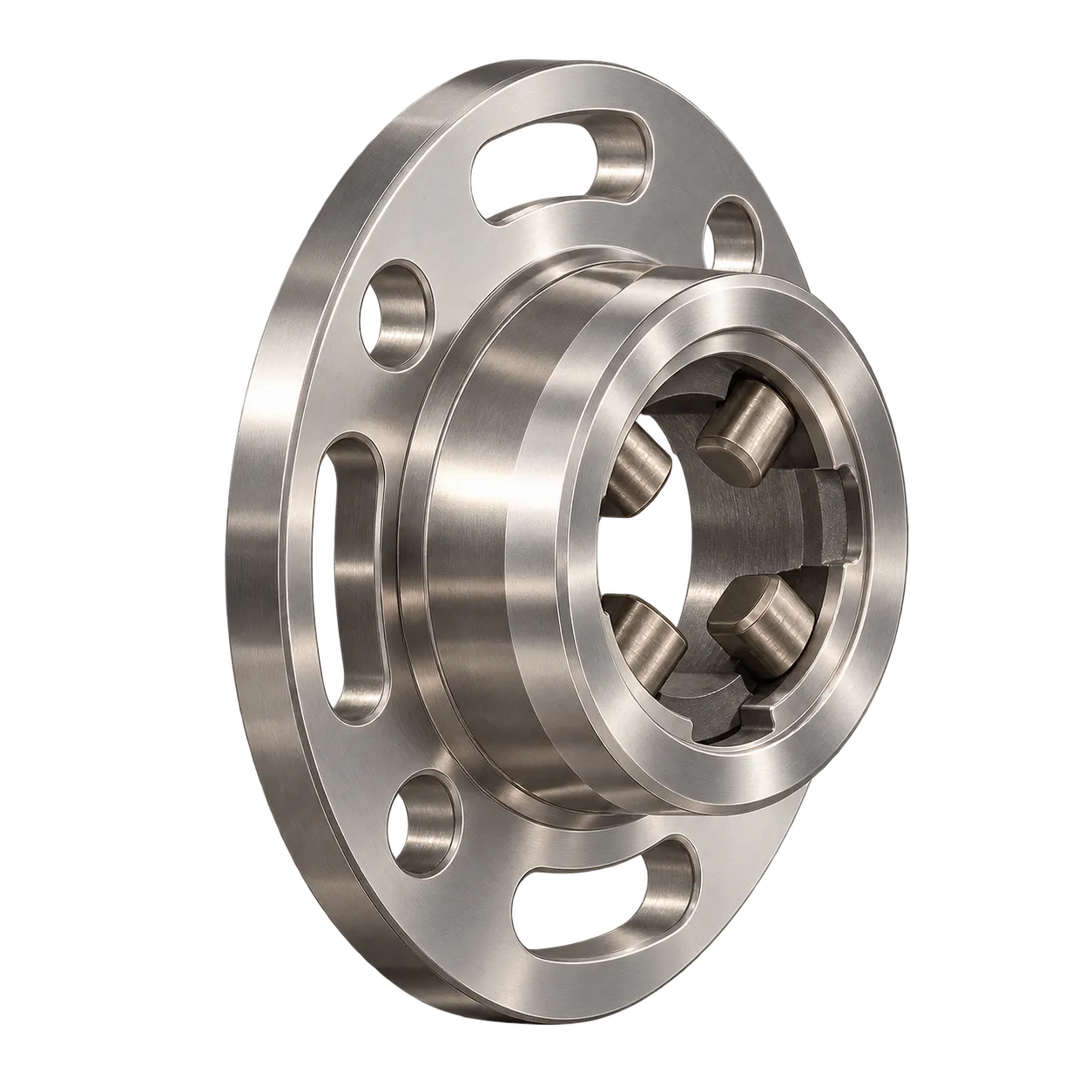
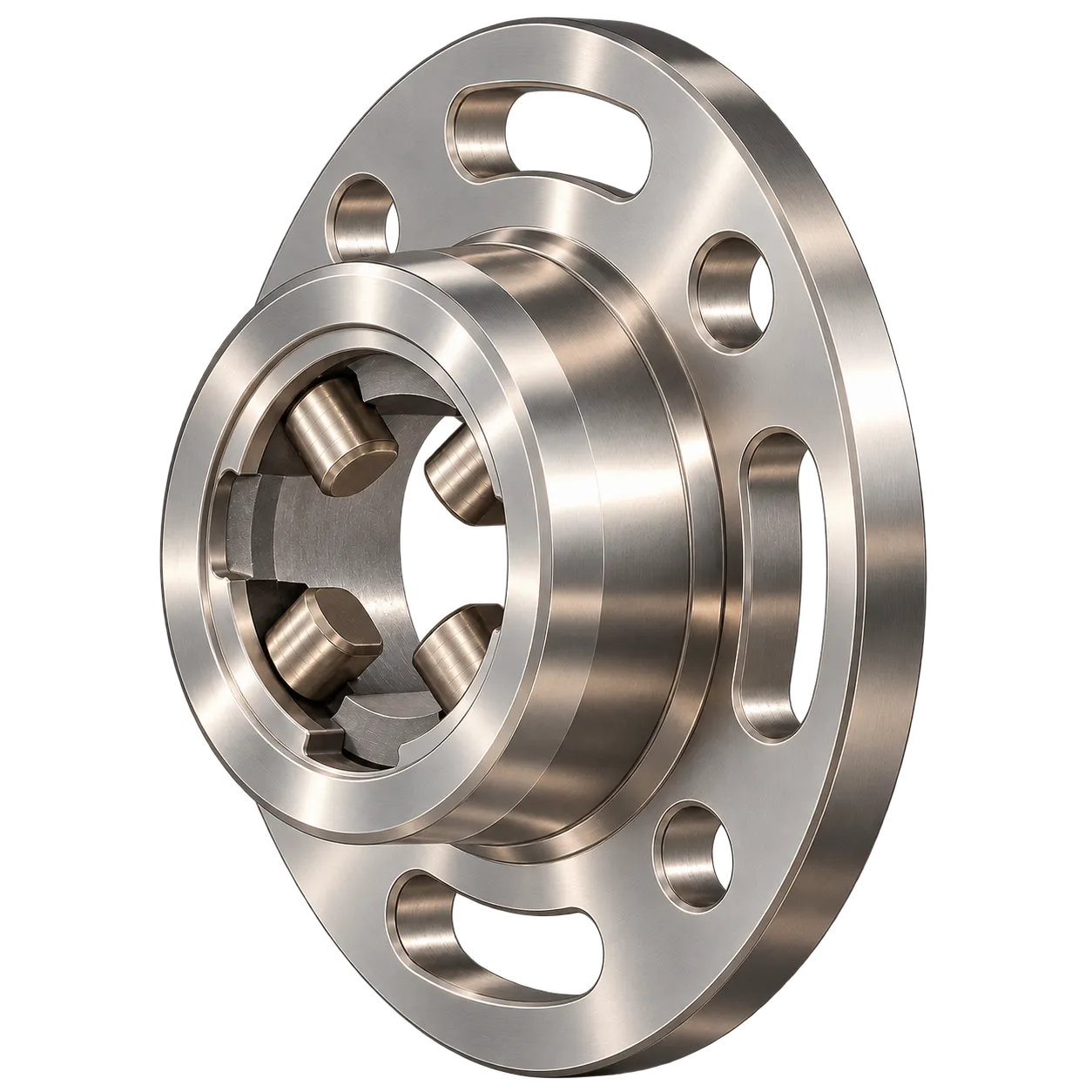
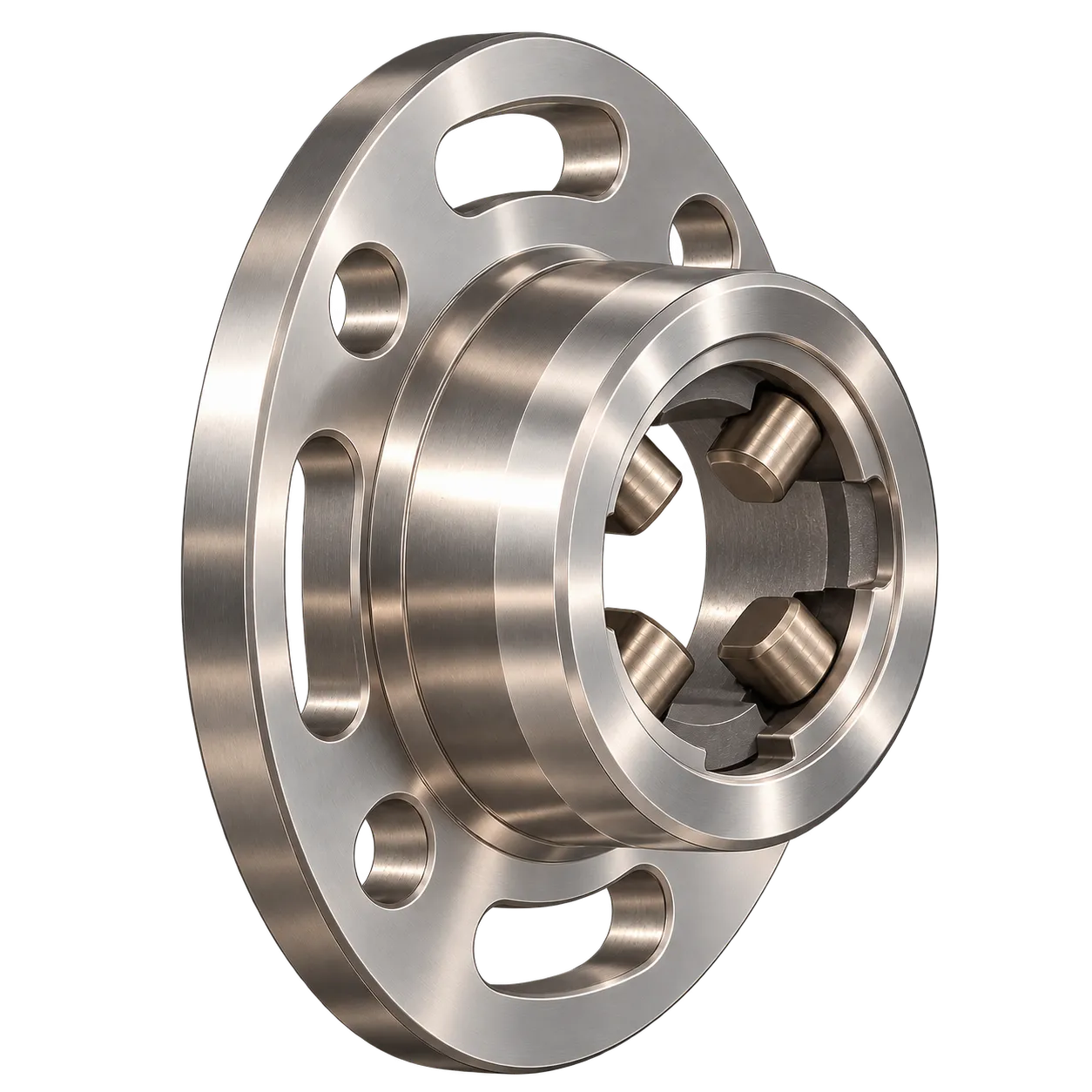
Prosthetic centres and limb-fitting services that bolt connecting plates to sockets are the main users. The plate provides a receiver and a fine positional adjustment through its slots. The intended socket types are not stated, so confirm them before adding the part to a build protocol.
Prosthetists who want an adjustment at the socket end, separate from the receivers below, will find the slots useful. The final position should be recorded.
Technicians should drill the socket to the hole pattern using a template, fit the bolts, set the position and tighten to the manufacturer's torque.
Charitable limb programmes can stock the plate once the hole pattern, bolt size and receiver dimensions are confirmed.
Services that bolt connecting plates to sockets, such as thermoplastic or other non-laminated sockets, can use the plate's slots for a fine adjustment at the socket end. That adjustment is separate from the receivers below and can be recorded on its own.
The first build should use a drilling template taken from the manufacturer's drawing, so the holes line up with the slots. Recording the bolt size, torque and final position means a replacement can be fitted the same way.
Once the method is written into the build protocol, the plate can be fitted quickly and consistently by any trained technician.
Keep the template with the drawing.
The plate is not suited to users above 125 kg or to sockets that cannot take its hole pattern. The conformity documentation those procurement routes require is issued by the manufacturer and provided by the seller.