
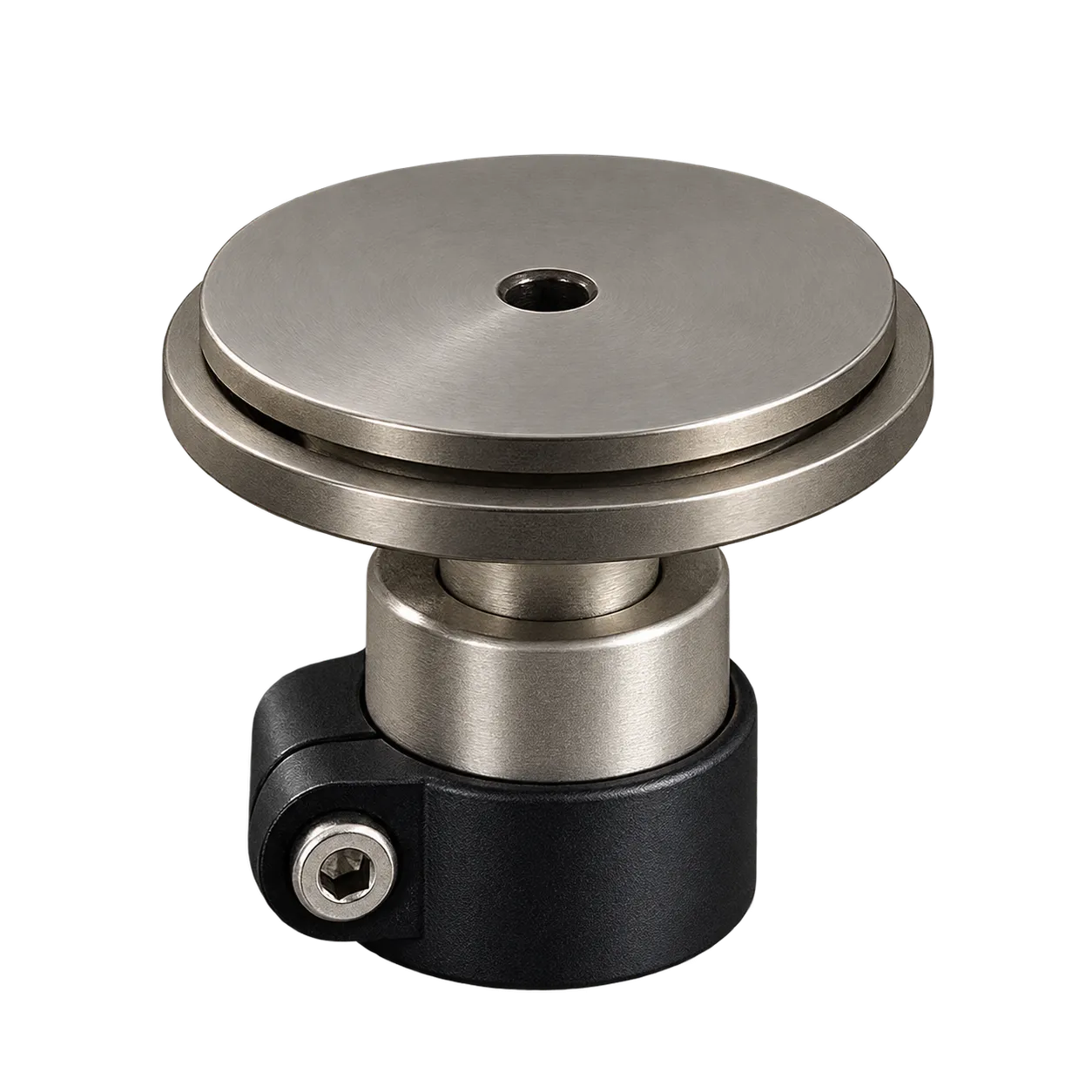
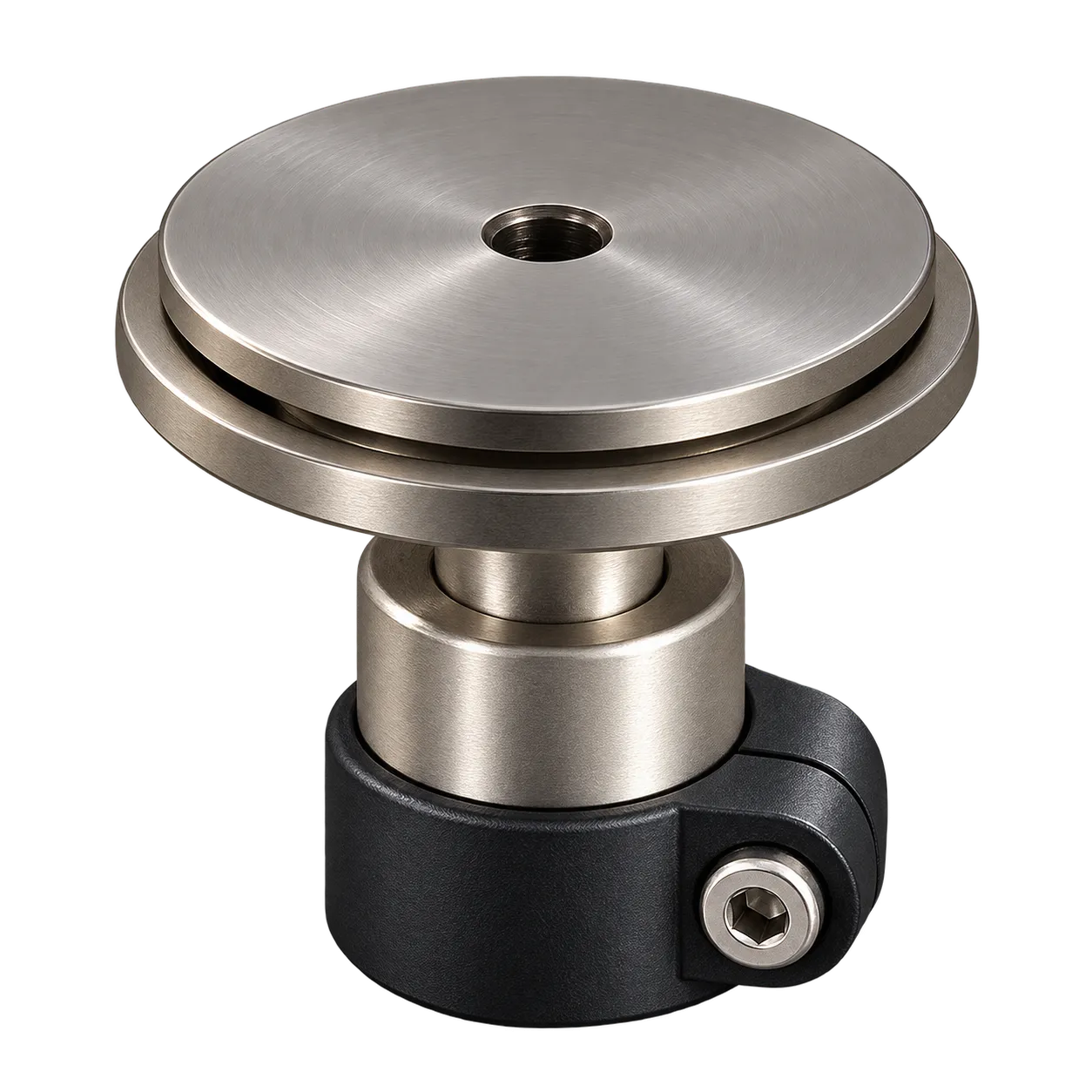
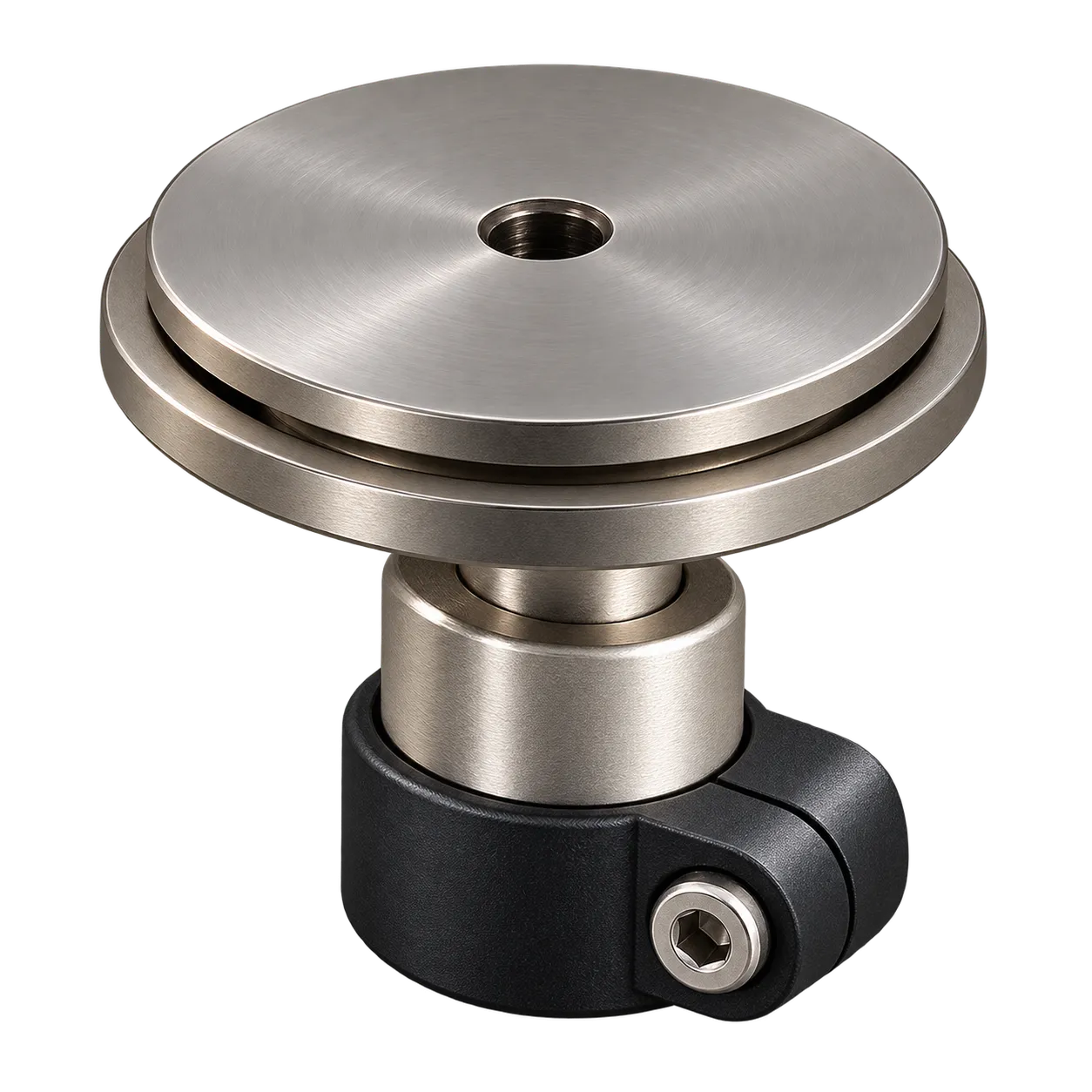
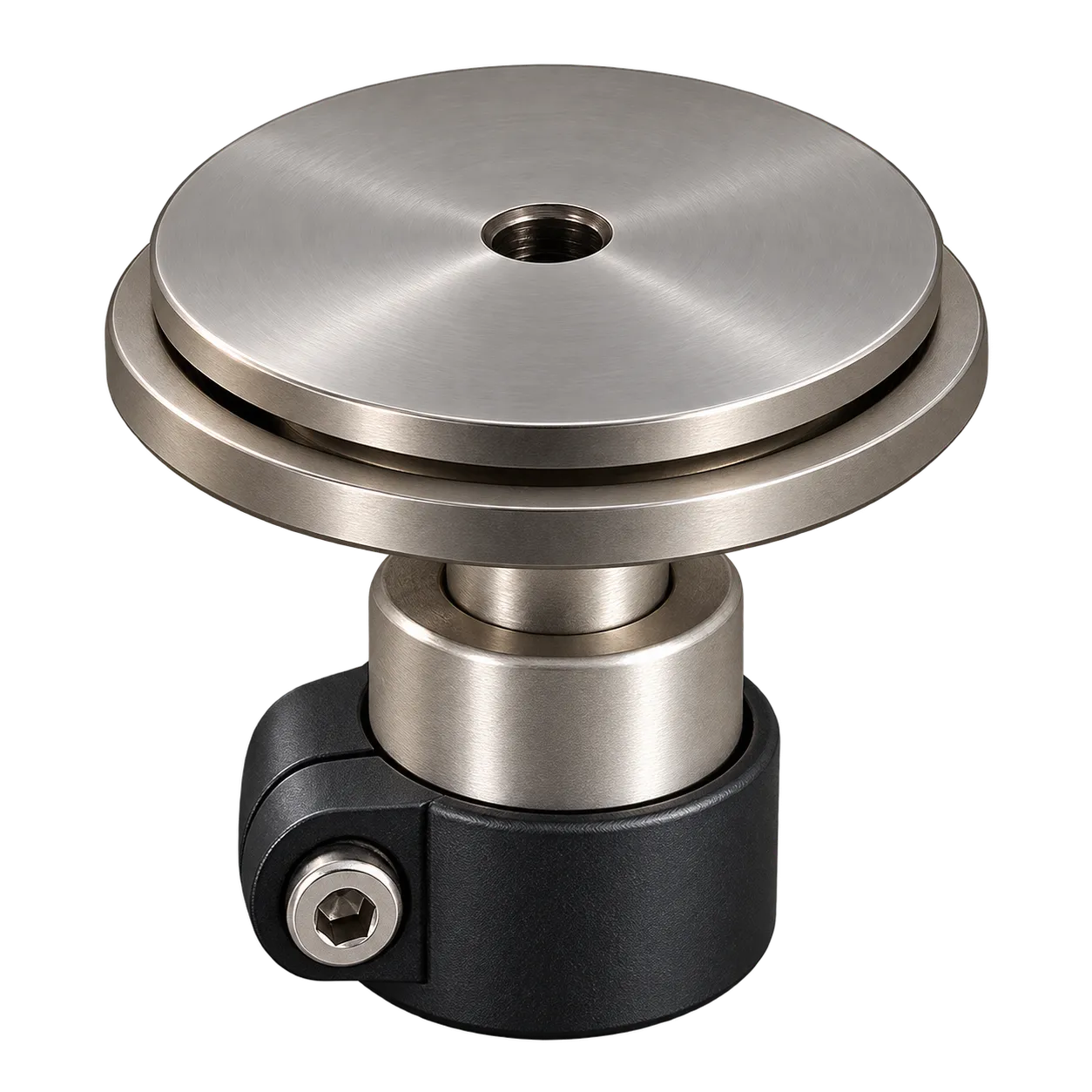
Prosthetic workshops that heat-form thermoplastic sockets are the main users. The plate is built into the socket during forming and connects it to the components below. The intended amputation levels are not stated, so confirm them before adding the part to a build protocol.
Services that use check sockets and interim limbs benefit most. Thermoplastic sockets can be made and altered quickly, and a plate designed for them lets the limb be connected without lamination.
Technicians should follow the manufacturer's forming instructions, trial the plate in a check socket first, and record the plastic and settings used.
Charitable limb programmes working with thermoplastic sockets can stock the plate once the forming method is confirmed. Confirm material-specific ratings and compatible plastics before placing an order.
A check socket lets the prosthetist test fit and comfort before committing to a definitive socket. A plate built into the check socket means the trial limb can be walked on, and the fit judged under real load.
Recording the plastic, temperature and plate version for each check socket builds a reference for later builds, and shows which settings give the most reliable connection. That record also helps new technicians follow the same method.
Confirm the forming method with the seller first.
Keep the forming record with the build sheet.
The plate is not suited to users above 125 kg, to laminated sockets unless the manufacturer allows it, or to workshops without thermoforming equipment. The conformity documentation those procurement routes require is issued by the manufacturer and provided by the seller.