

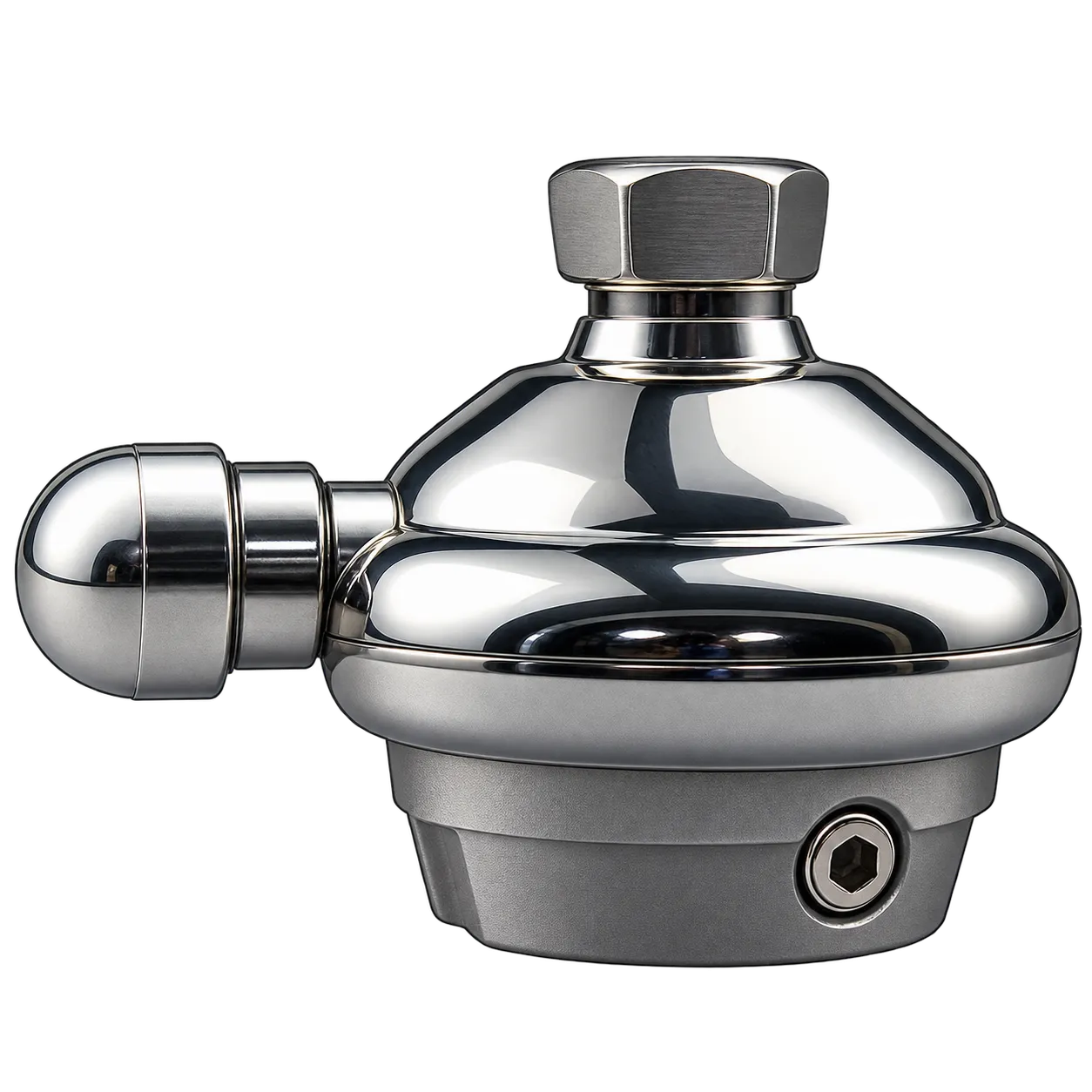
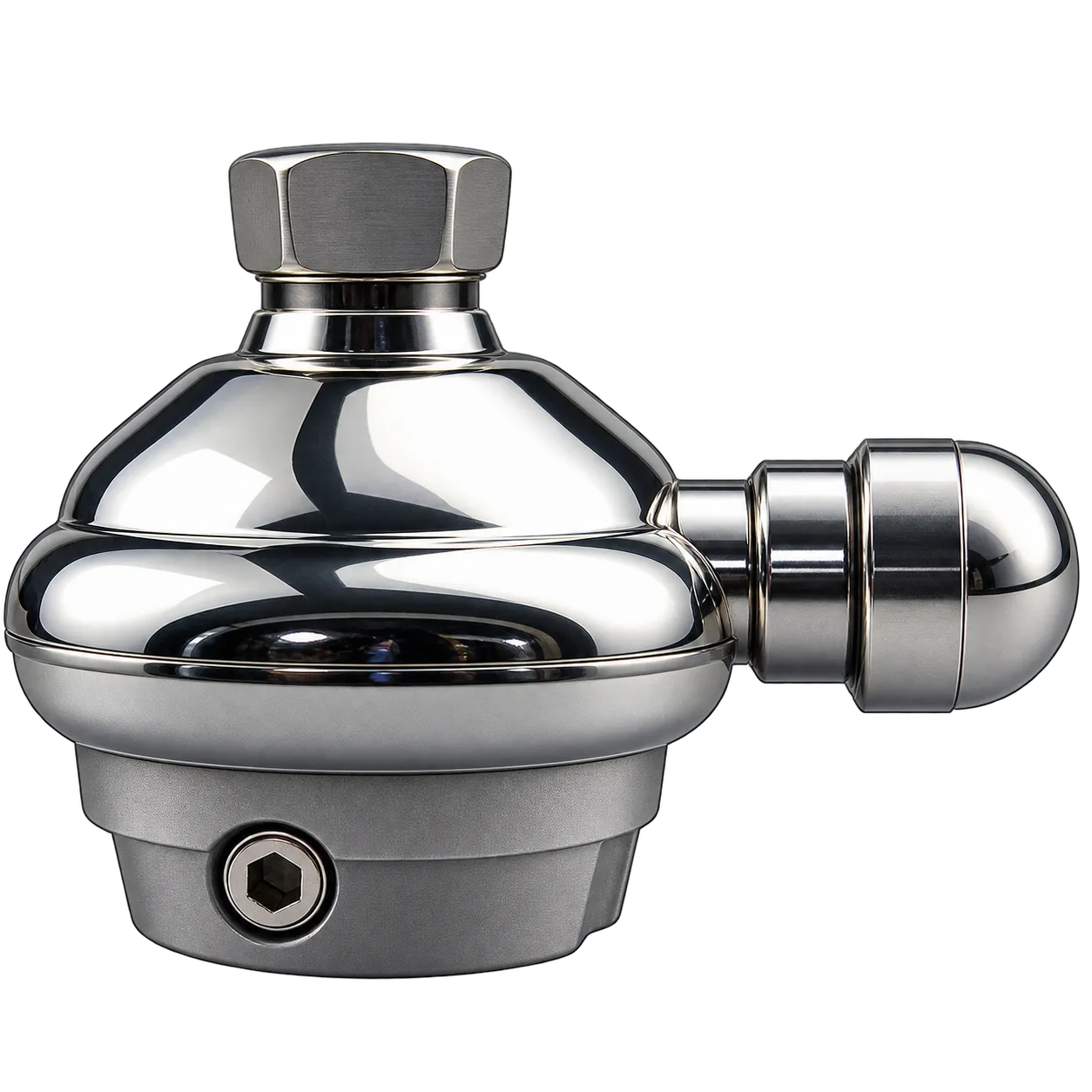
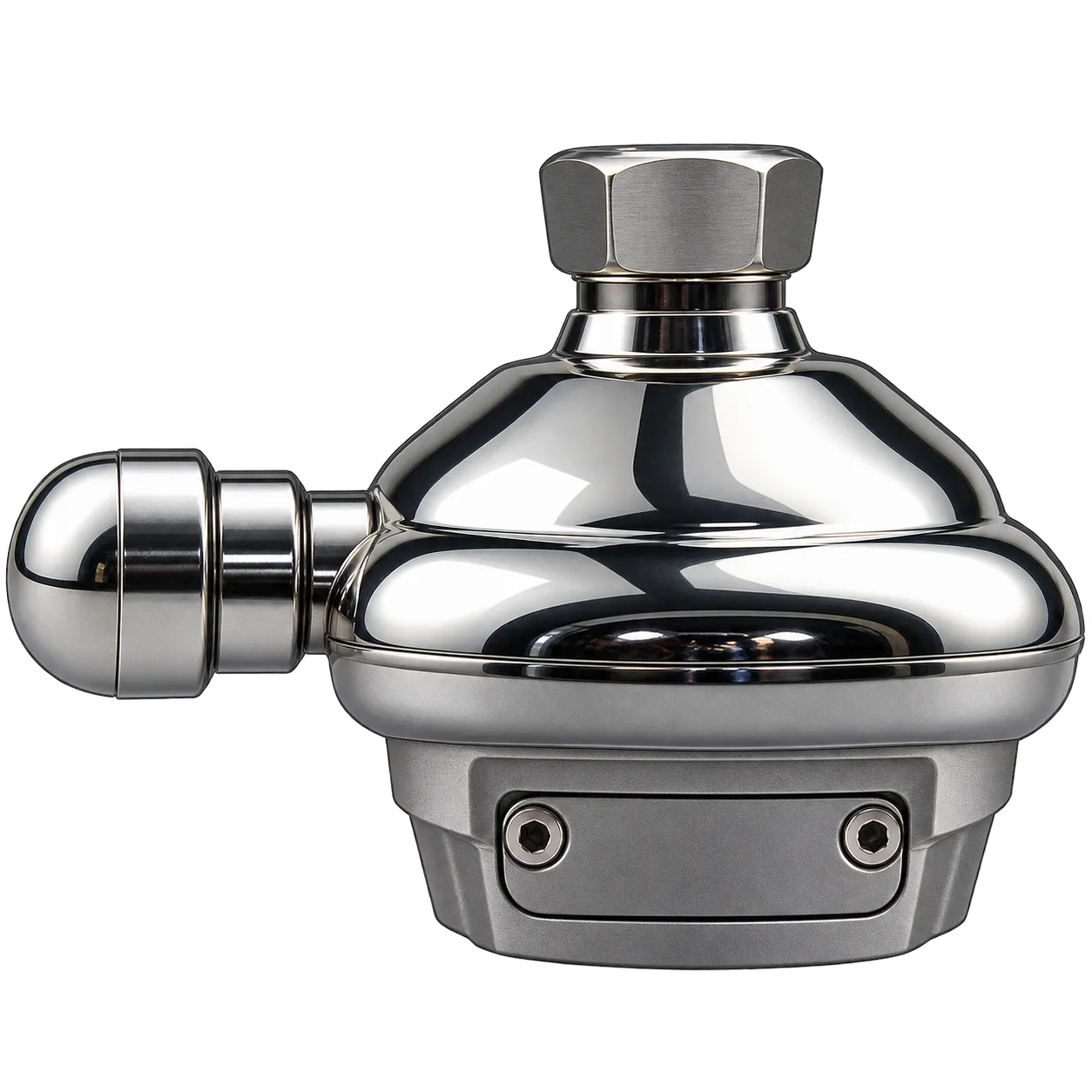
Prosthetic centres and limb-fitting services fitting users who sit on the floor or cross-legged are the main users. The rotator lets the lower leg turn aside for sitting, kneeling and changing shoes. The intended amputation levels are not stated, so confirm them before adding the part to a build protocol.
Users for whom floor sitting, prayer or cross-legged sitting are part of daily and cultural life benefit most. A rotator can return these activities to their routine.
Training is essential. Users should practise releasing and relocking the rotator at the fitting, and show that it locks fully before standing.
Charitable limb programmes serving communities where floor sitting is common can consider the rotator for adults in the published weight band. Confirm the locking method and connection types before placing an order.
Prosthetists should talk with each user about the activities that matter to them, such as prayer, floor sitting or cross-legged sitting at home, and set up the rotator to match. Practising the release and relock in the clinic, with the user sitting as they would at home, builds confidence.
A record of the training given, and of the user's ability to lock the rotator unaided, should be kept with the build sheet.
Check the lock engages fully at each review.
The rotator is not suited to users above 125 kg, to users unable to operate the lock reliably, or to builds without room for its height. The conformity documentation those procurement routes require is issued by the manufacturer and provided by the seller.