

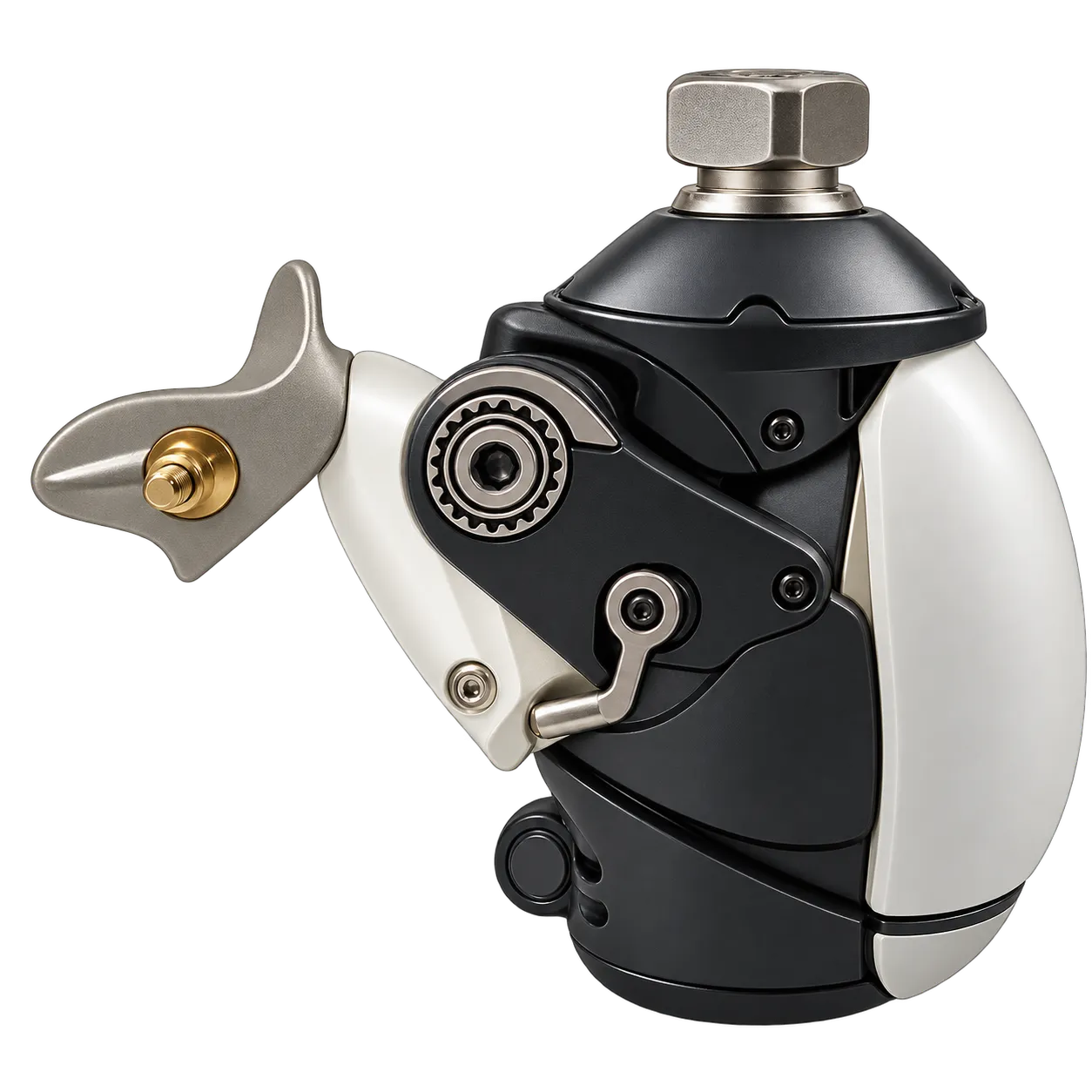
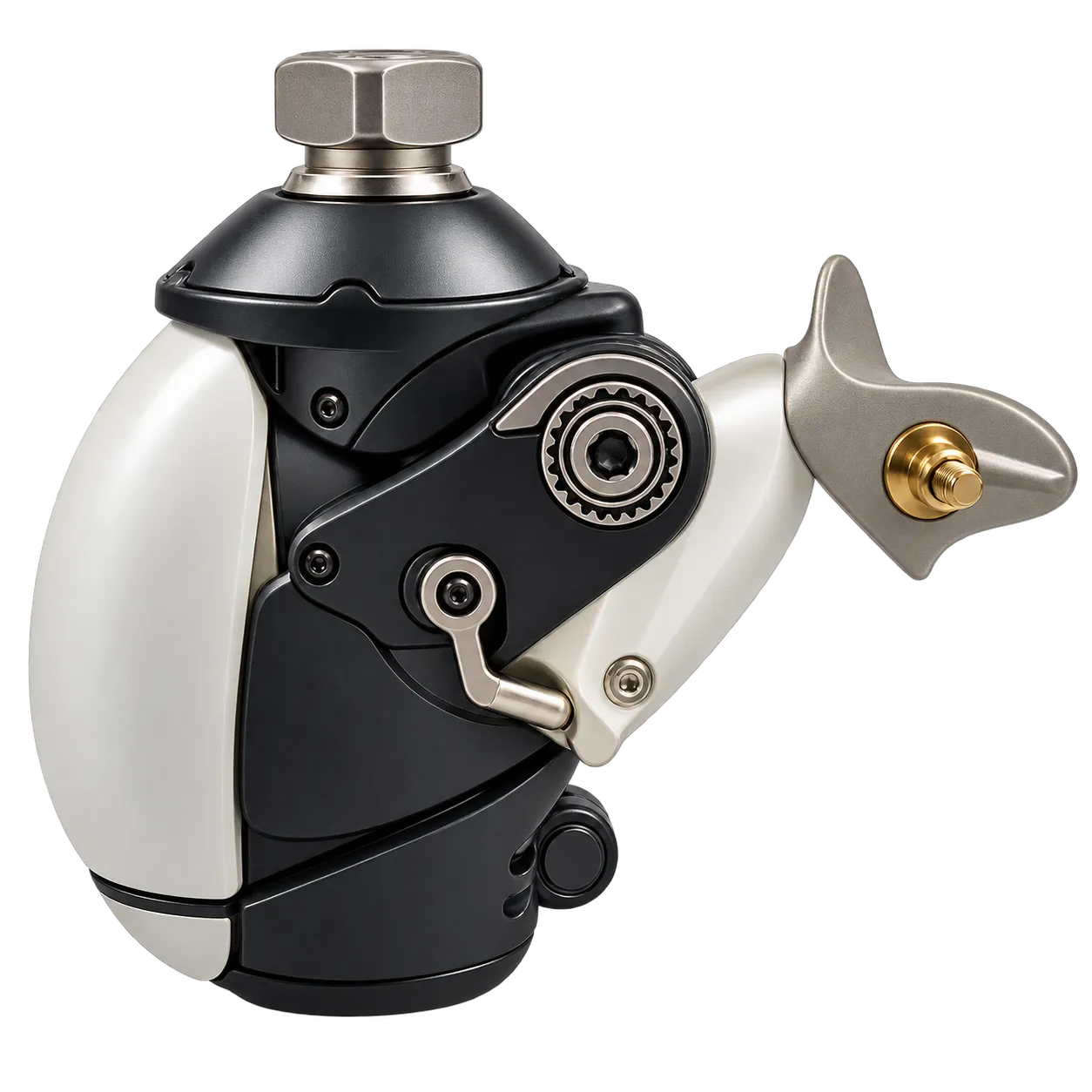
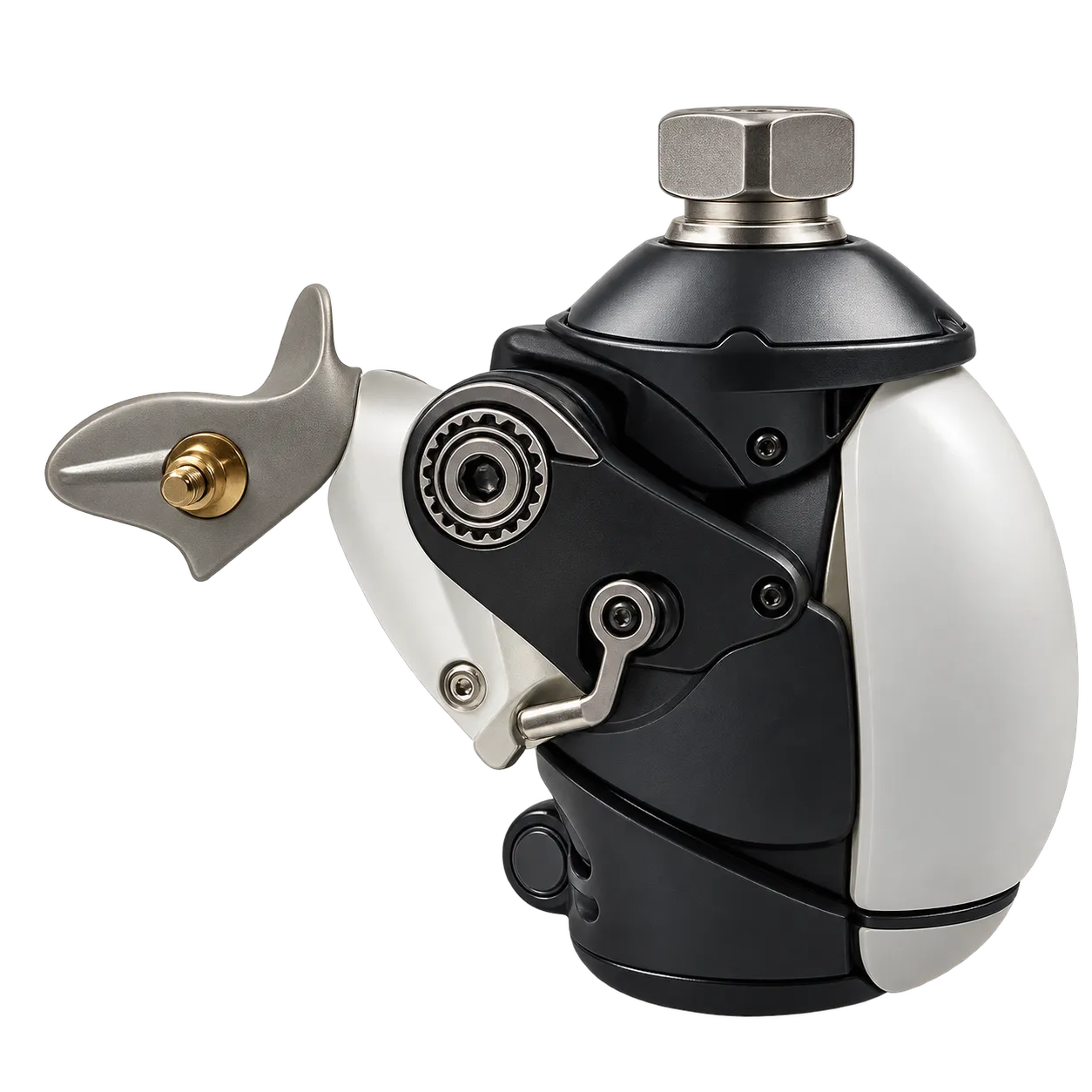
Manual locking knees are generally prescribed for transfemoral users who walk short, steady distances, often indoors, and who need the leg to stay straight under load because hip strength, balance or confidence is limited. The 3F40 fits that group up to 125 kg, and its 380 g body suits users who tire quickly or who don and doff the limb with limited hand strength.
Where it earns its place is in services that plan a knee across years of use. A limb fitted with it comes back for alignment, socket changes and lock checks, and each visit is a chance to log lock play, release condition and body damage against the manufacturer's criteria. Because the knee is light and mechanically simple, those checks need only the hand tools already used for alignment.
Long-run data puts the knee in proportion. A retrospective study of three Cambodian clinics followed 6,986 clients and 14,822 prosthetic devices from 1992 to 2019, recording 22,878 repairs. Devices lasted a median of 727 days before replacement, and the median time to a first repair was 237 days. Straps accounted for 31.3% of repairs, feet for 21.8% and alignment work for 18.9%, while knee component repairs made up 2.0%. Volume change in the residual limb drove 49.7% of replacements and wear and tear 12.1%. Those figures describe services and devices in general, not this knee.
Limb centres, rehabilitation units, charity workshops and export programmes for transfemoral users all hold knees of this type. NHS procurement routes in England run through a mandated framework, and equivalent public procurement elsewhere asks for traceable, documented parts. The conformity documentation those procurement routes require is issued by the manufacturer and shared by the enquiry team.