
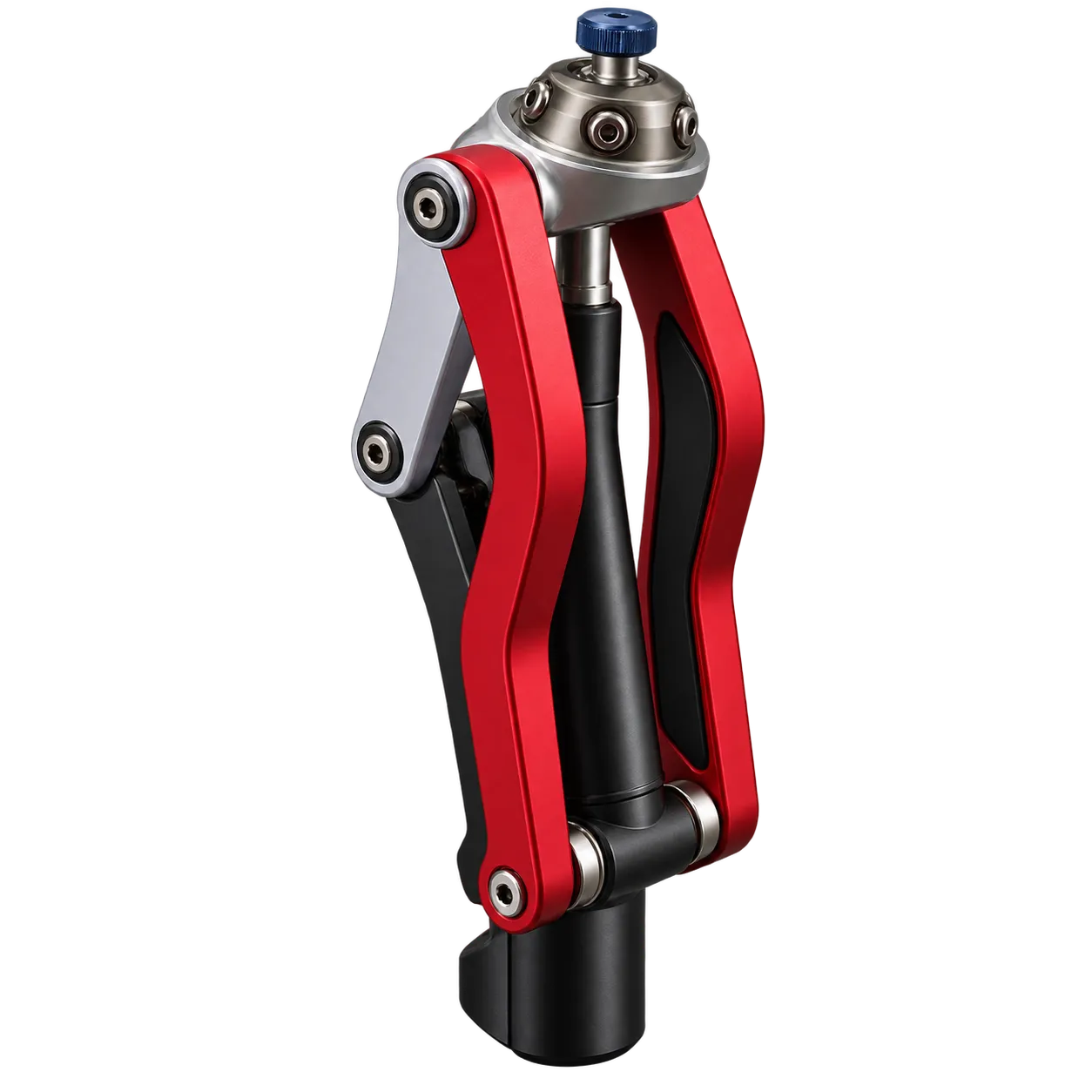
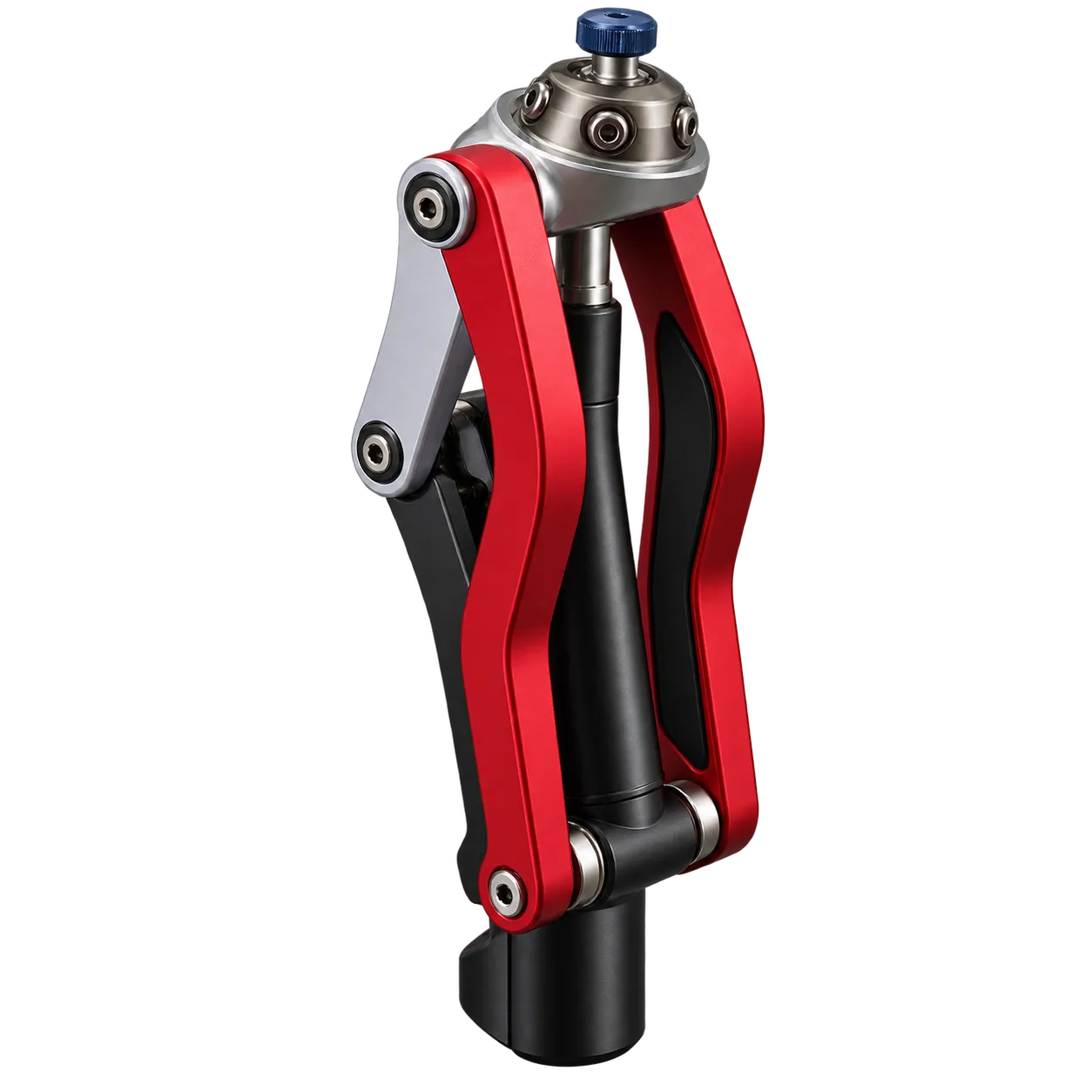
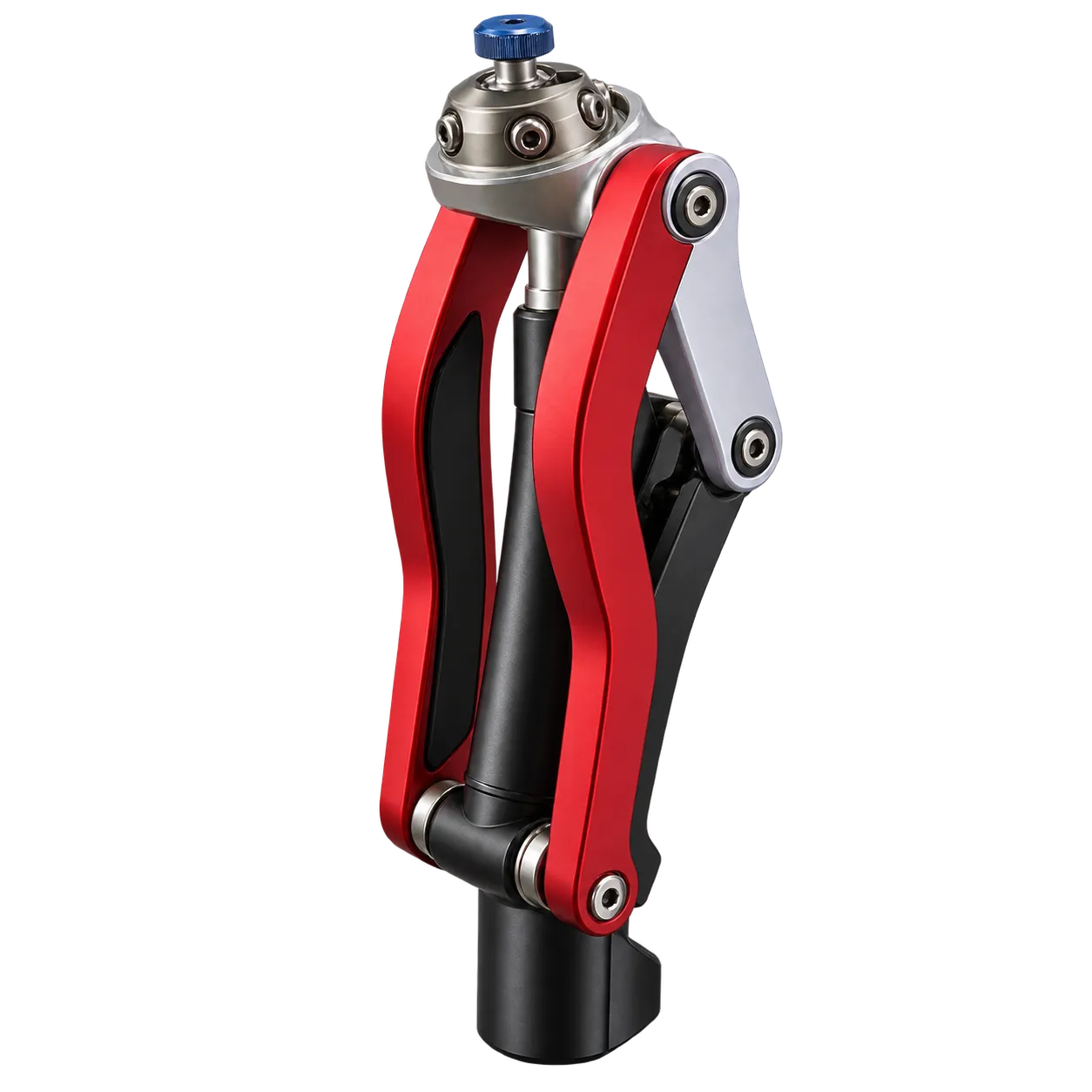
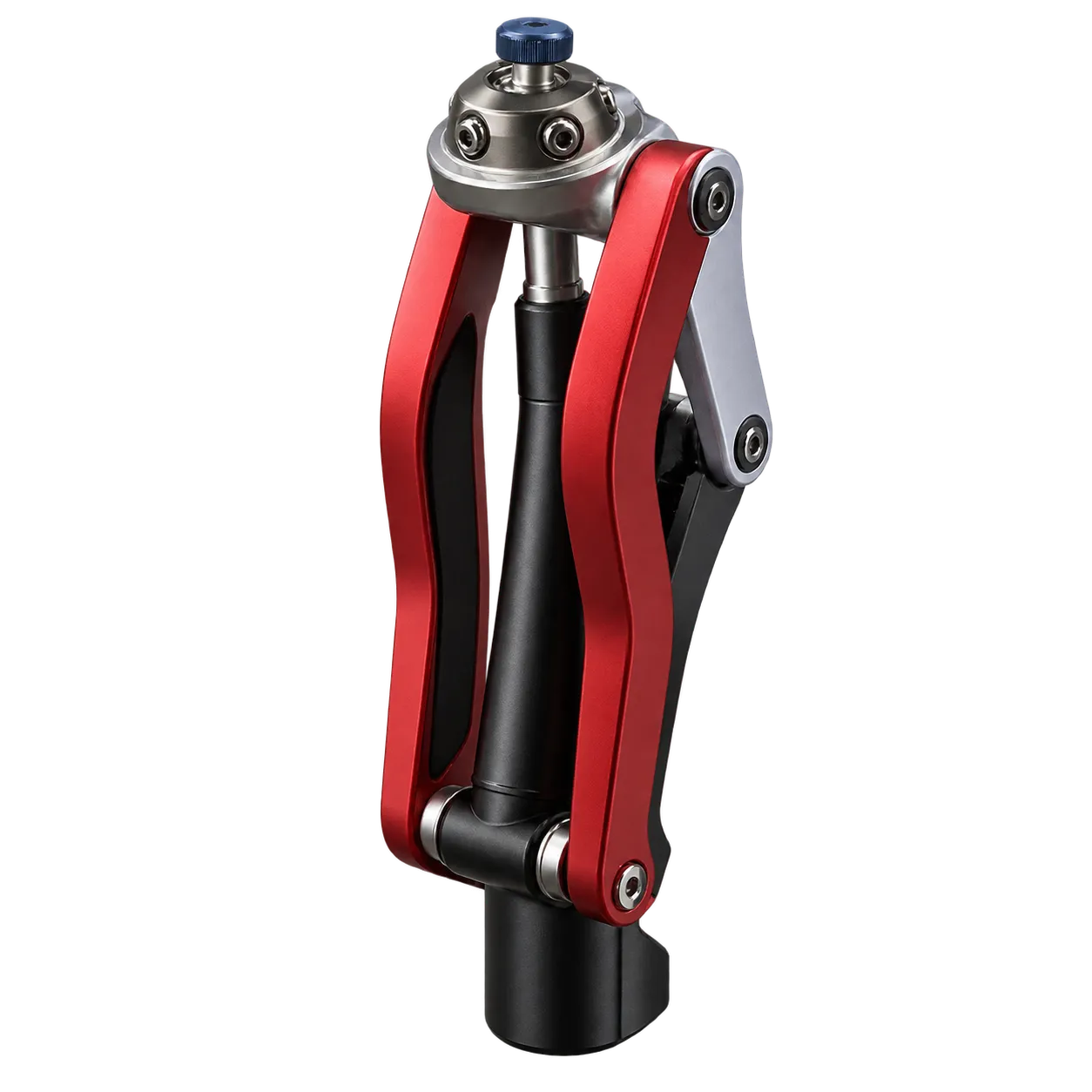
A hydraulic swing cylinder earns its place with people whose walking speed changes through the day. The 3F29H suits transfemoral users who move between a slow indoor pace, a normal street pace and a hurried one, and who have the hip control to drive a knee of 950 g. Because oil resists in proportion to how fast it is pushed, the same setting can serve all three paces, within the limits the instructions for use describe.
The mechanism has a cost side that belongs in the prescription. Oil thickens in cold weather and thins in heat, so the swing feels different in January and July. Seals wear, and a leak alters resistance until the unit is serviced by a specialist. A service planning to issue this knee should record the user's pace range, their climate, the service route and whether stance yielding is confirmed in the instructions before stairs and slopes are taught.
Category evidence points both ways. In a 2005 study, eight users reached an average self-selected speed of 1.20 m/s on a passive hydraulic knee, with no significant difference against two computer-controlled knees, although one of those cut metabolic rate by 5% (P = 0.009). A 2022 study of 815 inpatients recorded 2.81 falls per 1,000 patient-days with fluid-controlled knees, an incidence rate 2.44 times that seen with microprocessor knees. Neither result describes this model, so the fitting review and the test report decide.
Typical settings are limb-fitting centres, independent prosthetic practices and rehabilitation units with gait training, plus export programmes for community walkers. In England, NHS trusts order prosthetic components through the framework NHS England mandates, and public buyers in other countries follow their own documented routes. The conformity documentation those procurement routes require is issued by the manufacturer and shared by the enquiry team.