

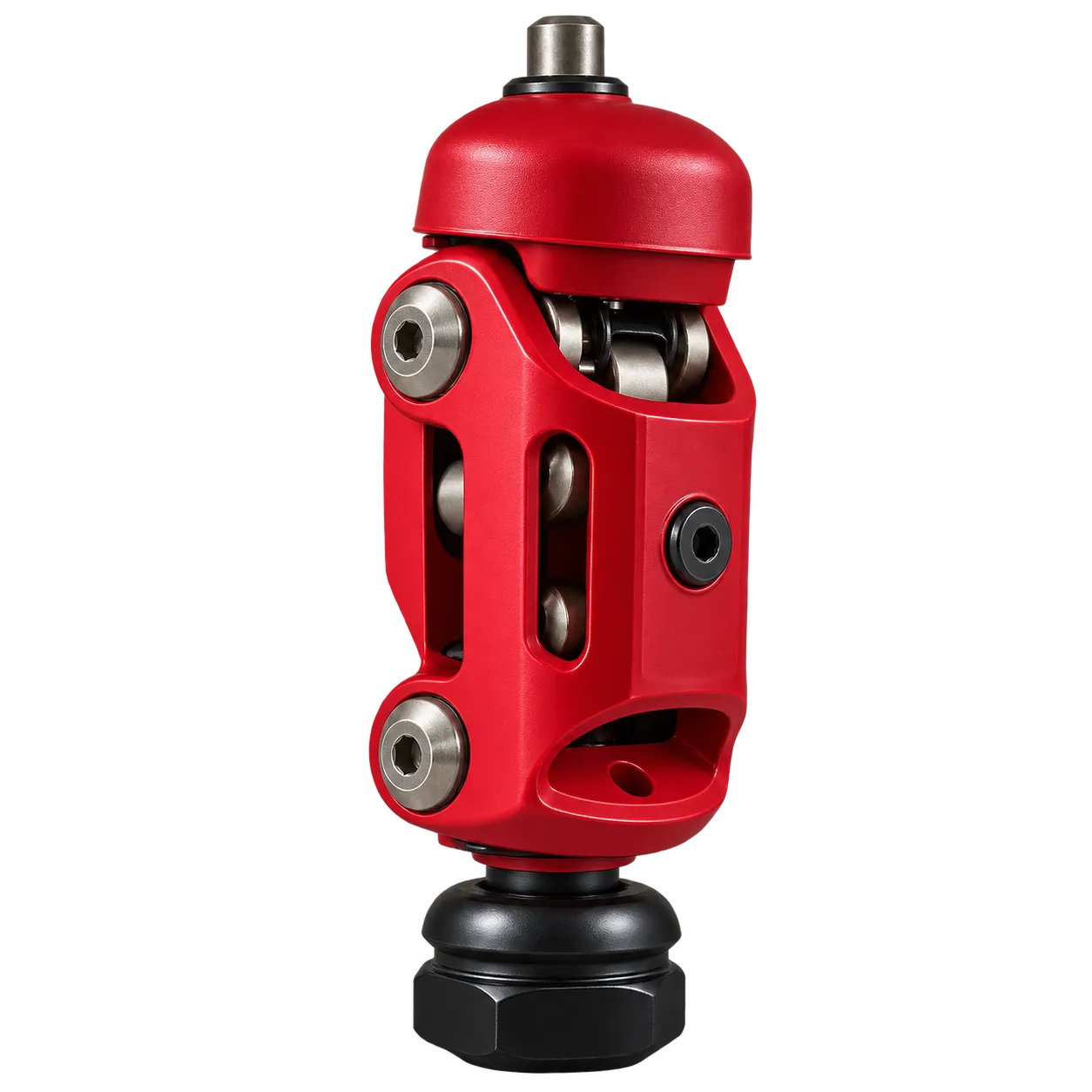
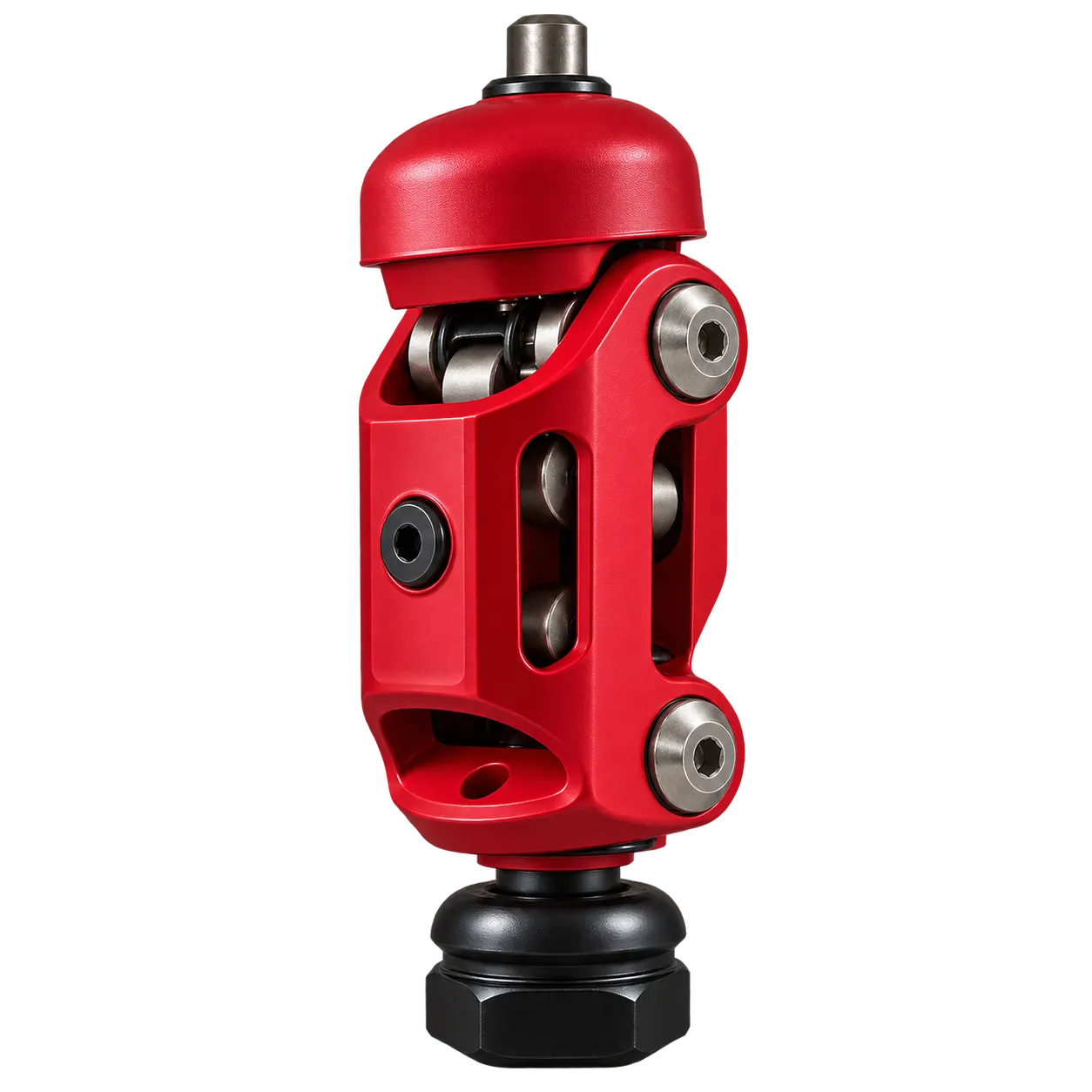

A coloured knee is for the wearer who shows the limb. The 3F28P-color suits transfemoral users who go without a cosmetic cover, in shorts, at the gym or at school, and who want a say in what other people see. Offering that say at prescription costs a few minutes, and it changes whose limb it is. Teenagers and young adults often treat a visible prosthesis as part of their look, so a colour they picked can make the limb easier to wear in public.
Evidence on appearance is real and modest. In an internet survey of 44 lower-limb prosthesis users, body image disturbance and prosthesis satisfaction showed moderate to high negative correlations in both genders. A UK questionnaire found that between 49% and 64% of respondents were neutral or dissatisfied with each of nine features of their cosmetic cover, colour among them. In a crossover trial of 10 users who wore each of two cover types for 12 weeks, the 3D-printed cover scored significantly higher for aesthetic satisfaction and body image, while the foam cover scored higher for adjustment to limitation. None of these studies tested a coloured knee frame, so the wearer's stated preference decides.
A service that issues this knee should record three things at the first fitting: the colour as the manufacturer codes it, the batch, and the wearer's wish for a cover or none. It should also hold the manufacturer's written statement of the damping medium.
Typical settings are limb-fitting centres, independent prosthetic practices, paediatric transition services and export programmes. NHS trusts in England buy prosthetic components through the framework NHS England mandates, and public purchasers elsewhere work to documented routes of their own. The conformity documentation those procurement routes require is issued by the manufacturer and shared by the enquiry team.