
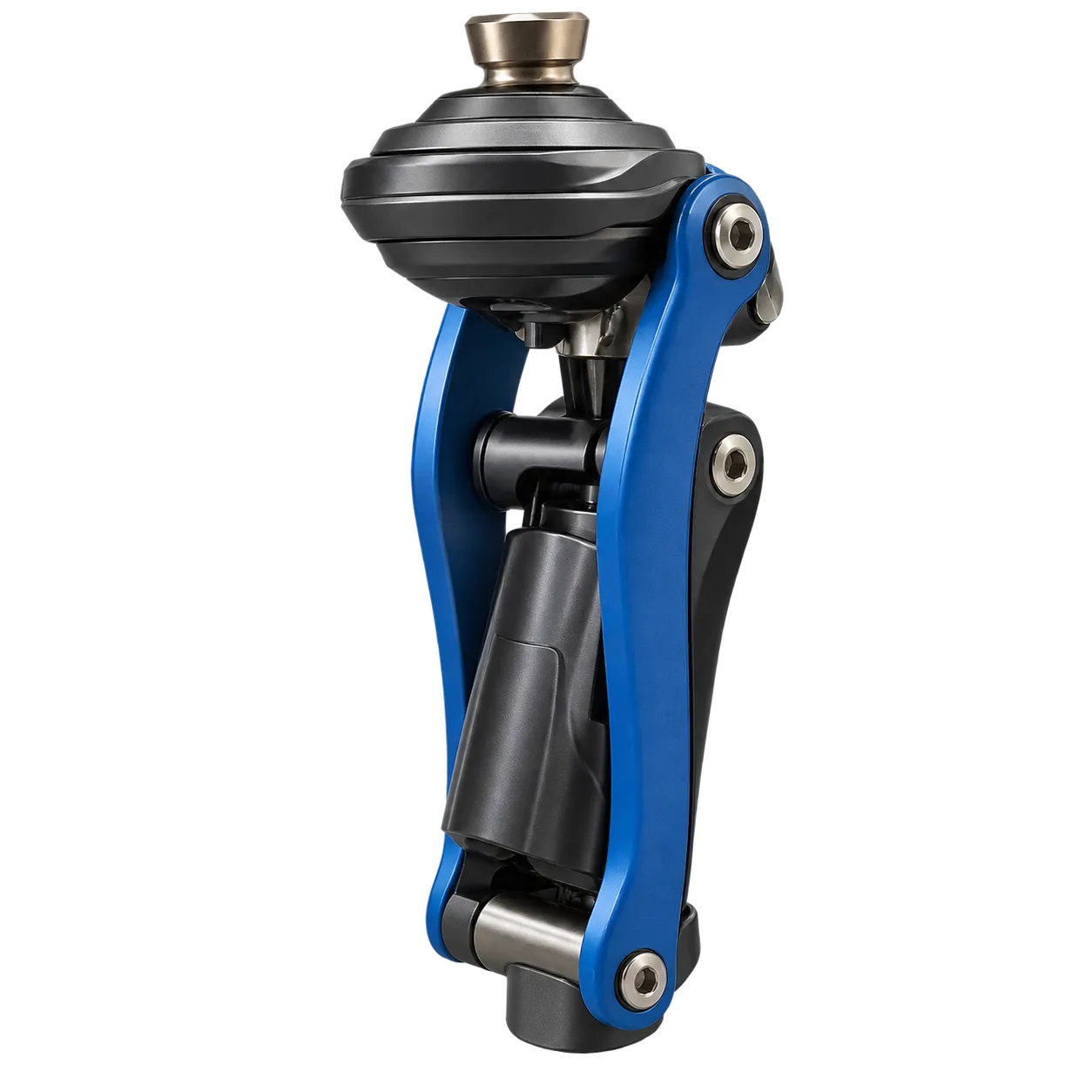
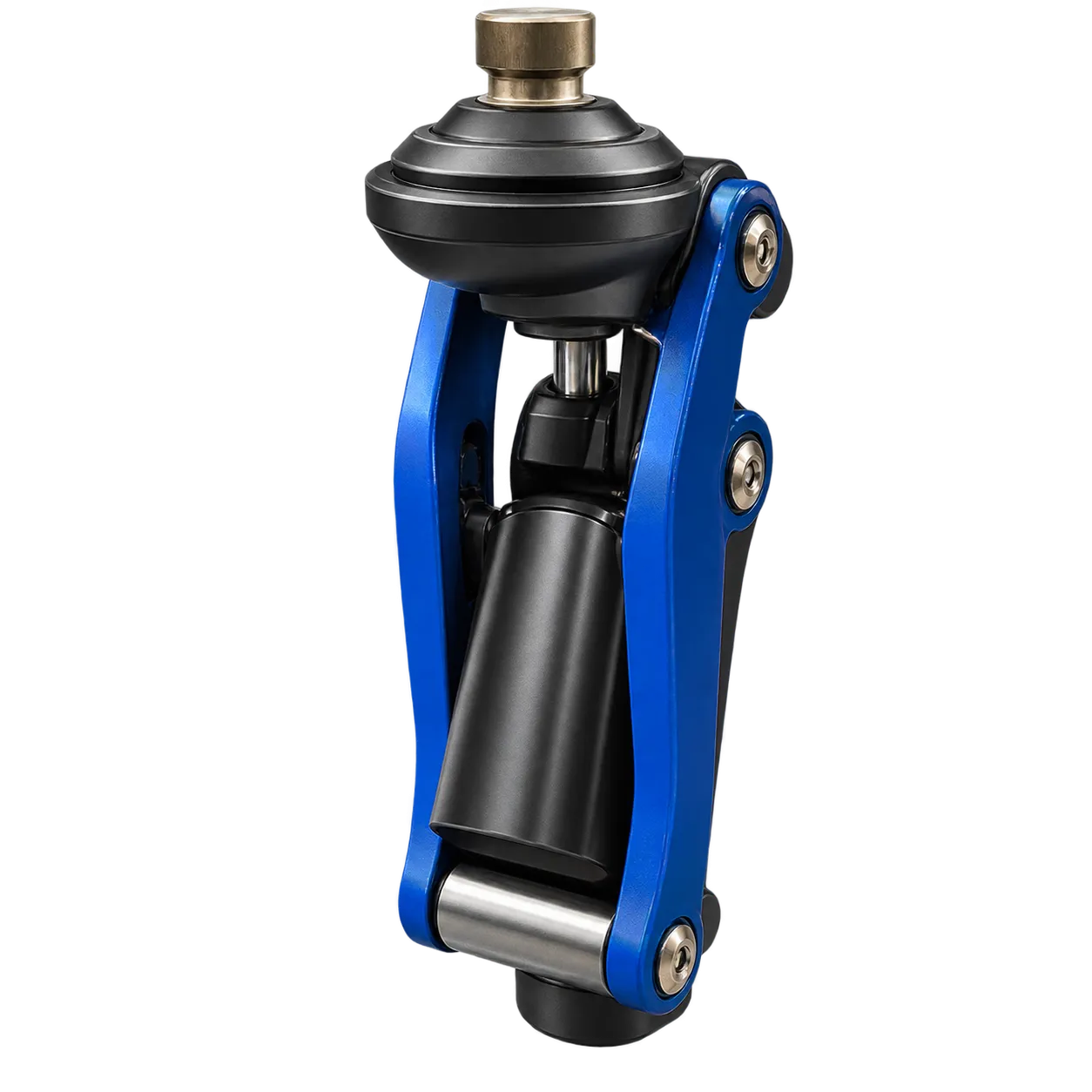
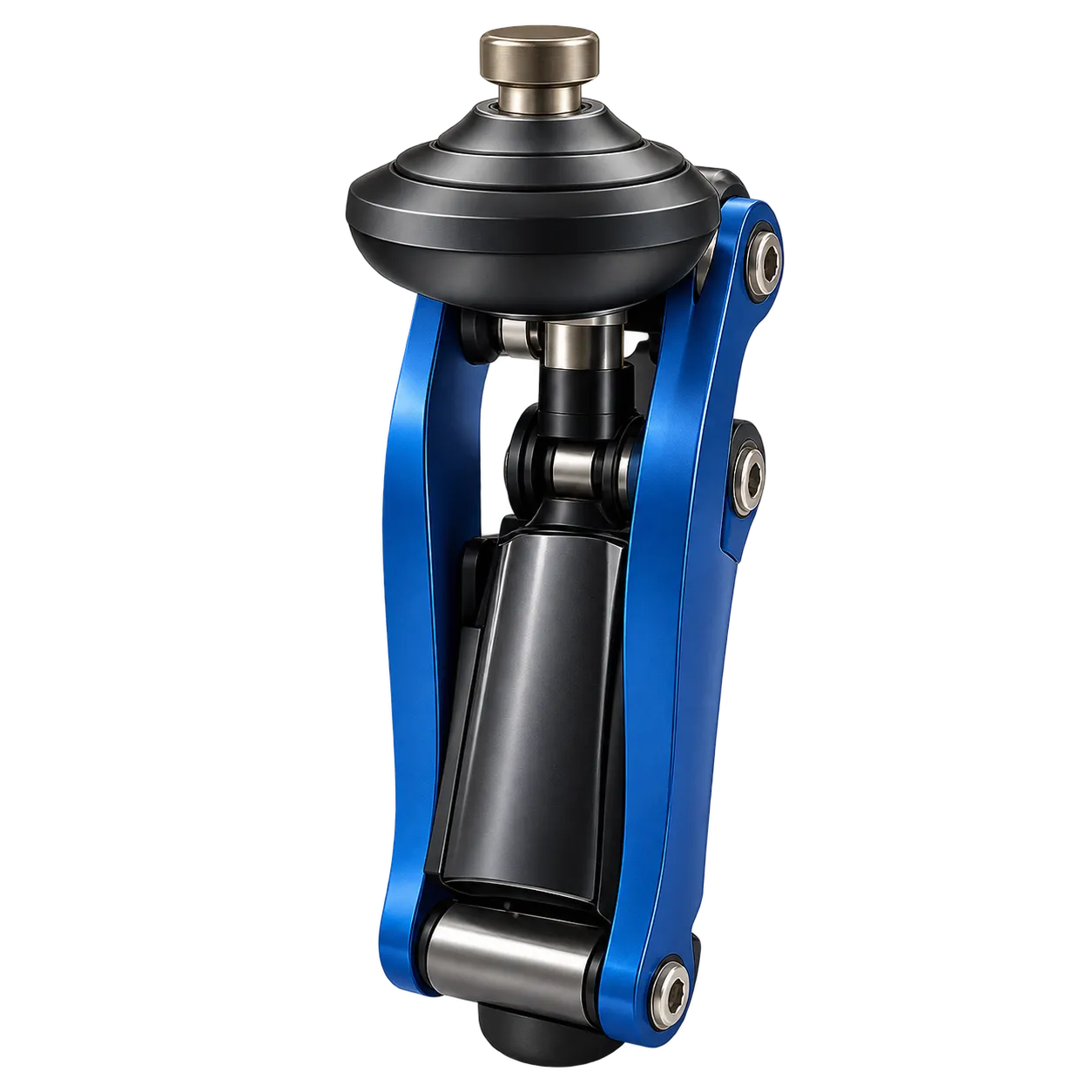

A geometric-lock knee earns its place where buckling in midstance is the failure a service most needs to remove. The 3F28P suits transfemoral users with enough hip control to push through the forefoot at the end of each step, who walk at varying speeds and want stance security without a lock to work by hand.
The safety case cuts both ways. Linkage geometry keeps the knee straight while weight sits in front of the instant centre, which protects heel strike and midstance. Toe loading then frees it, so late stance carries the residual risk, and short steps, slopes and poor alignment can delay or block release. A risk assessment for this knee should therefore record the user's ability to load the forefoot, their stumble recovery, the terrain they walk, the alignment record and who services the cylinder.
Evidence on the categories involved is mixed. In a study of 28 transfemoral users at 2 and 3 km/h, the pneumatic swing-control knee cost more energy than the mechanical one, though 19 users preferred the pneumatic knee. A 2022 study of 815 inpatients with transfemoral amputation recorded 2.81 falls per 1,000 patient-days with fluid-controlled knees, an incidence rate 2.44 times that seen with microprocessor knees during rehabilitation. Neither finding settles how this particular knee performs, so fitting outcomes and the test report decide.
Typical settings are limb-fitting centres, independent prosthetic practices and rehabilitation units that follow users through gait training, plus export programmes equipping active walkers. NHS trusts in England buy through the mandated prosthetics framework, and equivalent public procurement elsewhere sets its own documented route. The conformity documentation those procurement routes require is issued by the manufacturer and shared by the enquiry team.