
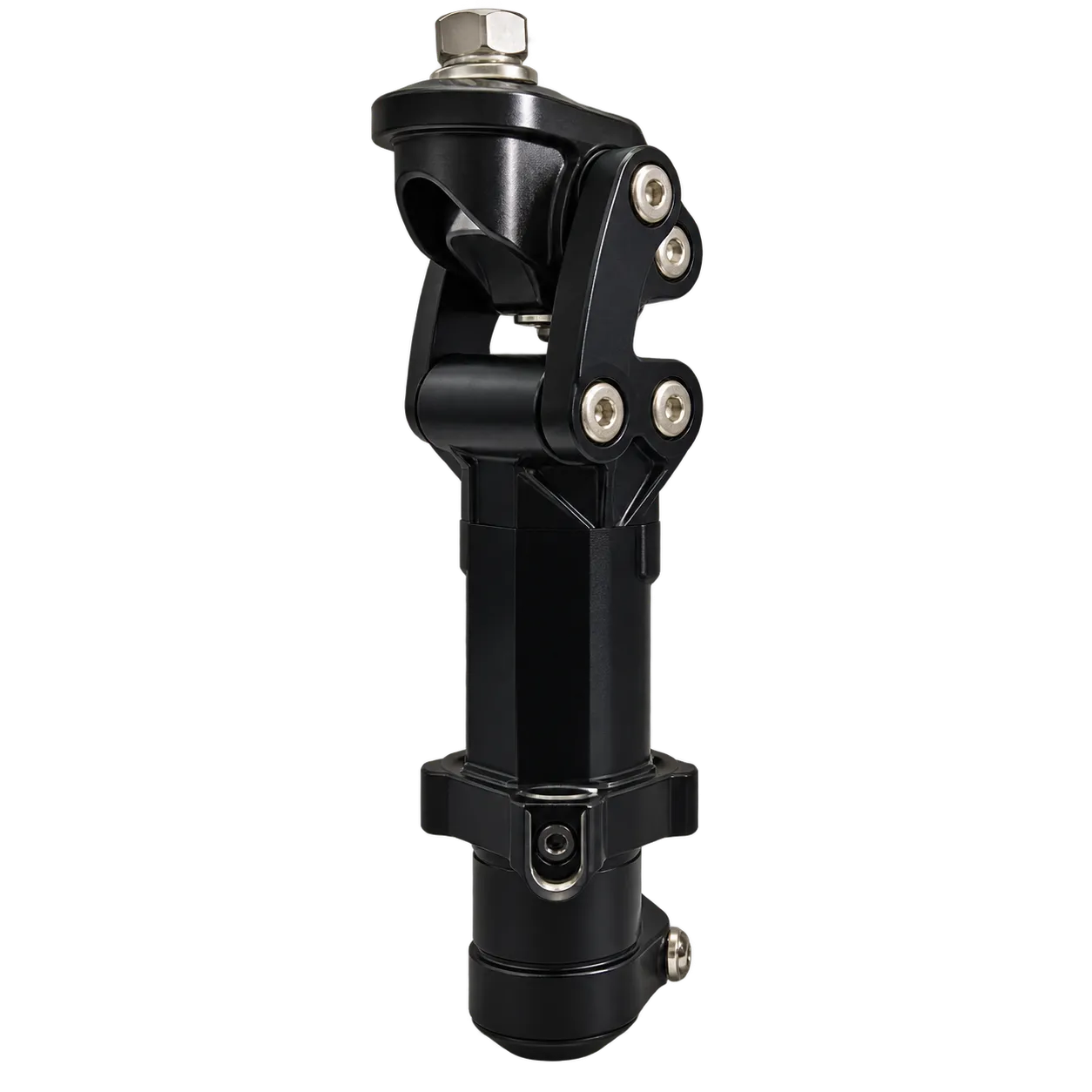
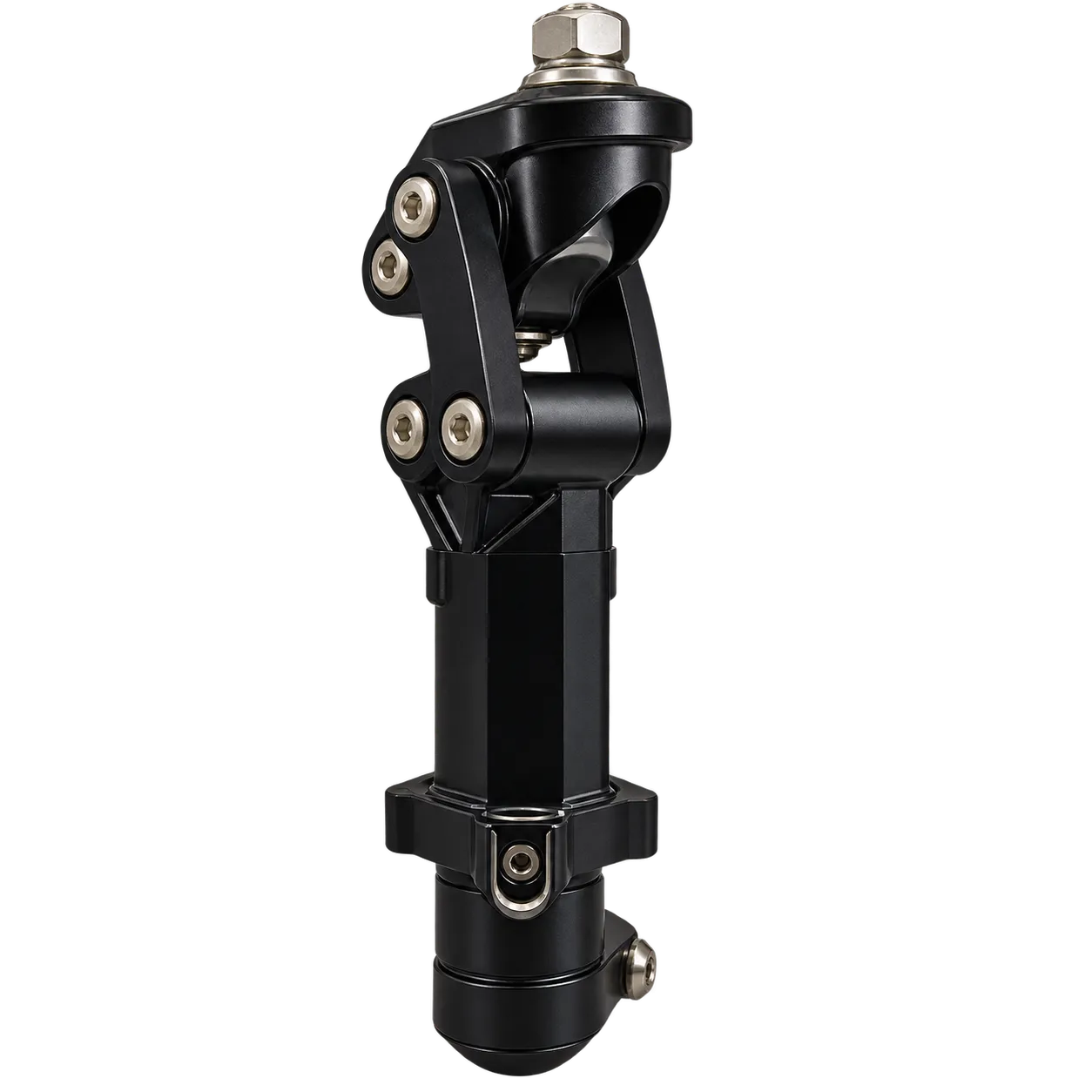
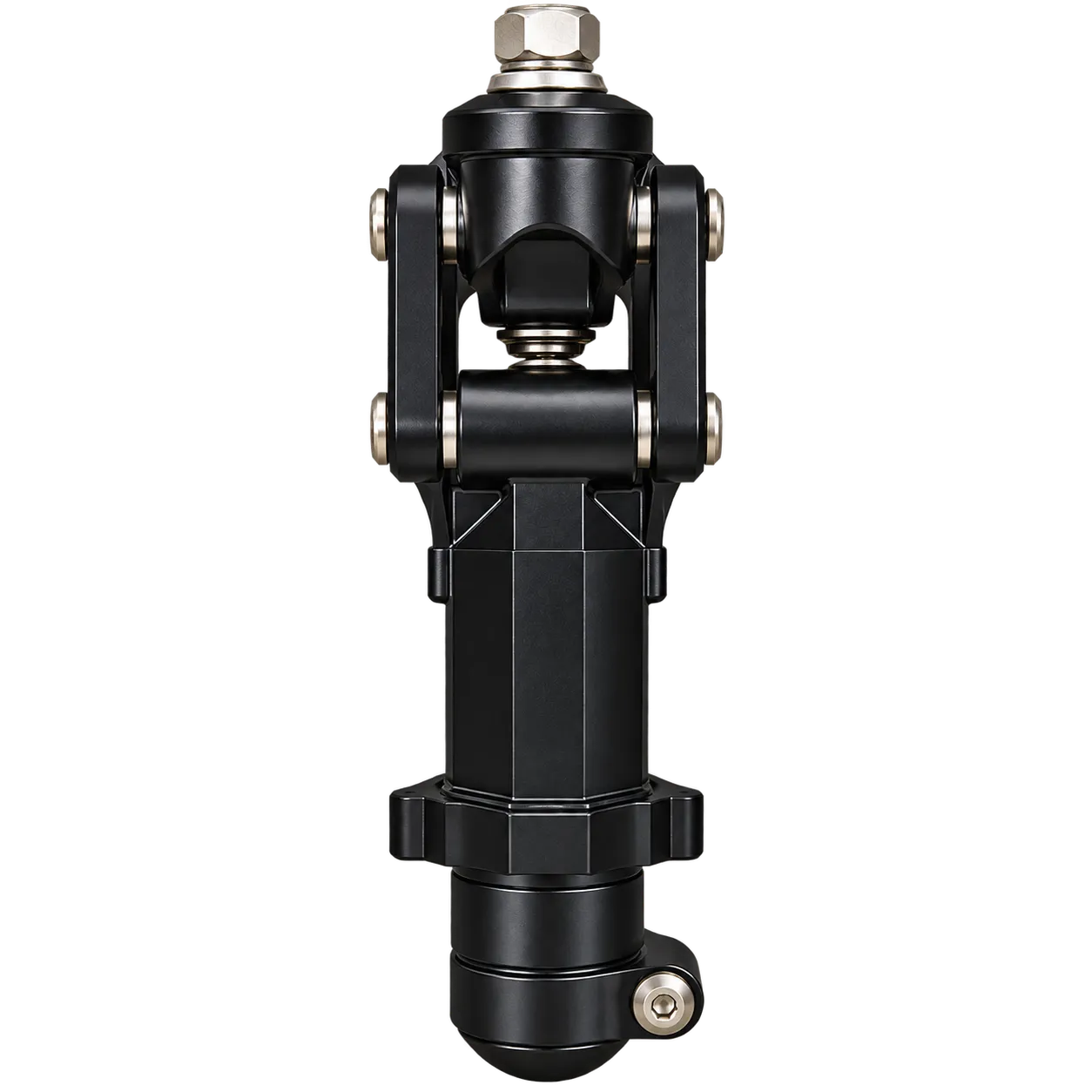
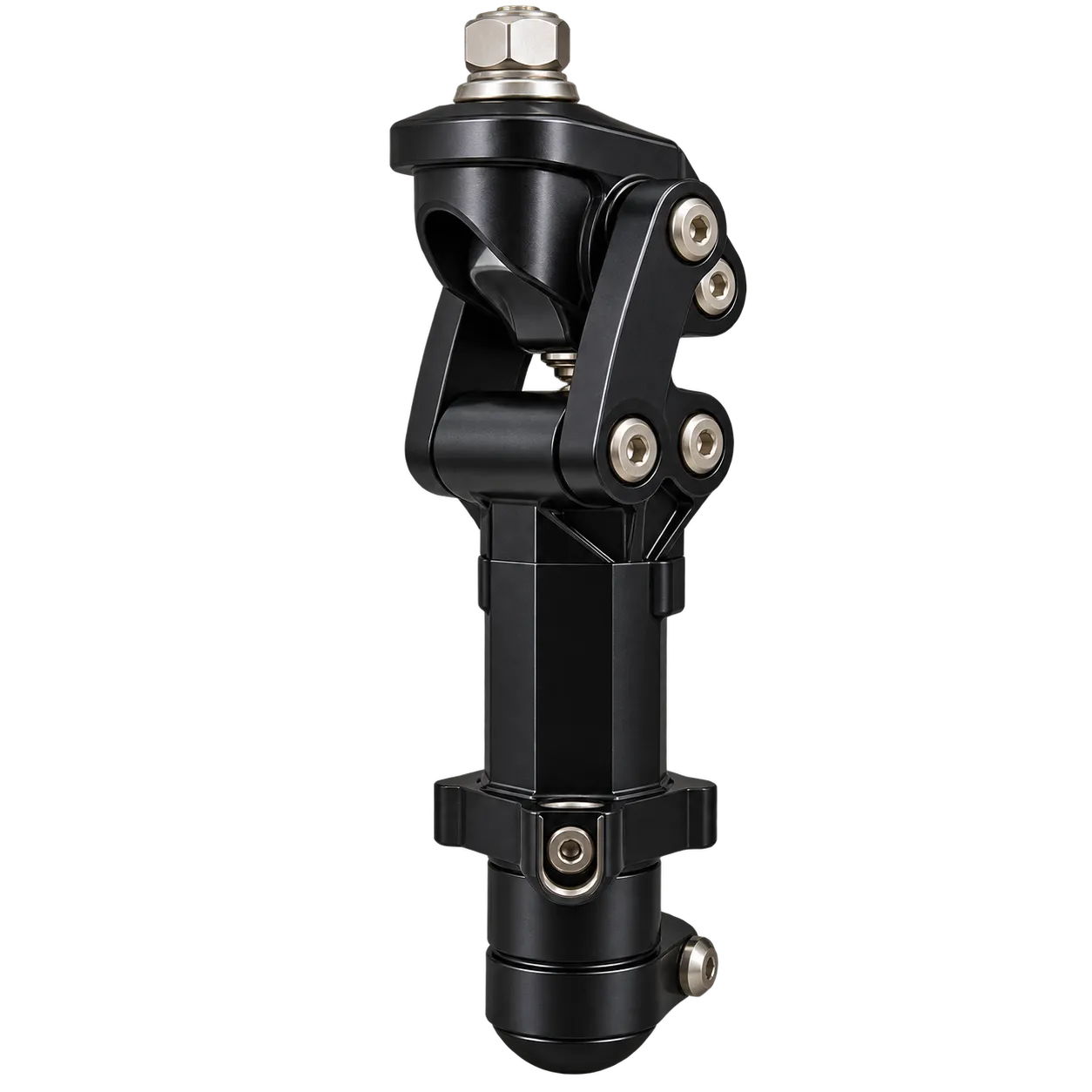
The 3F25P-F belongs in transfemoral and knee-disarticulation limbs where the prescribing service wants air-damped swing and also wants to know, at the outset, what that swing will cost to maintain. Its natural home is a clinic that runs several limbs on the same joint and can share one loaner, one spares order and one inspection diary between them.
Published research on pneumatic swing control describes the type and points in both directions. A randomised crossover study of 28 people with a unilateral transfemoral amputation compared a knee with pneumatic swing control and one with mechanical swing control. Nineteen participants preferred the pneumatic knee, six preferred the mechanical one and three had no preference, yet walking with the pneumatic knee required more energy at the 2 km/h and 3 km/h test speeds. A 2021 study of five experienced users found that raising swing resistance improved swing-time symmetry and reduced minimum toe clearance. Neither study tested this model, and its cylinder behaviour comes from its own instructions.
That second finding bears on upkeep. If resistance settings change how the foot clears the ground, then a cylinder that slowly loses air changes the gait it was tuned for, and a review that catches the drift early protects the wearer as well as the budget.
Prosthetic centres, independent practices and limb-fitting charities can consider the joint for users within the 100 kg planning figure. NHS services in England reach joints of this kind through the mandated NHS Supply Chain framework, and equivalent public procurement elsewhere expects a comparable paper trail. The conformity documentation those procurement routes require is issued by the manufacturer and shared by the enquiry team.