

Knee disarticulation leaves a long thigh with the femoral condyles intact, so most users can take full weight through the end of the residual limb. That end bearing is the level's main strength, and it suits people whose days involve standing, carrying and walking outside. The 3F23 fits users within the rating its test report supports who have the hip control to manage a knee with no lock.
Documents decide its place. A worker who lifts feed sacks, crosses ploughed ground or spends ten hours on the limb puts heavy, repeated load through the knee at any body weight. ISO 10328:2016 sets structural test loading levels from P3 upward, added the higher levels P7 and P8, and leaves the body mass limit to the manufacturer to state with justification. The test level and activity grade stated for the 3F23 are the evidence that heavy duty describes this frame.
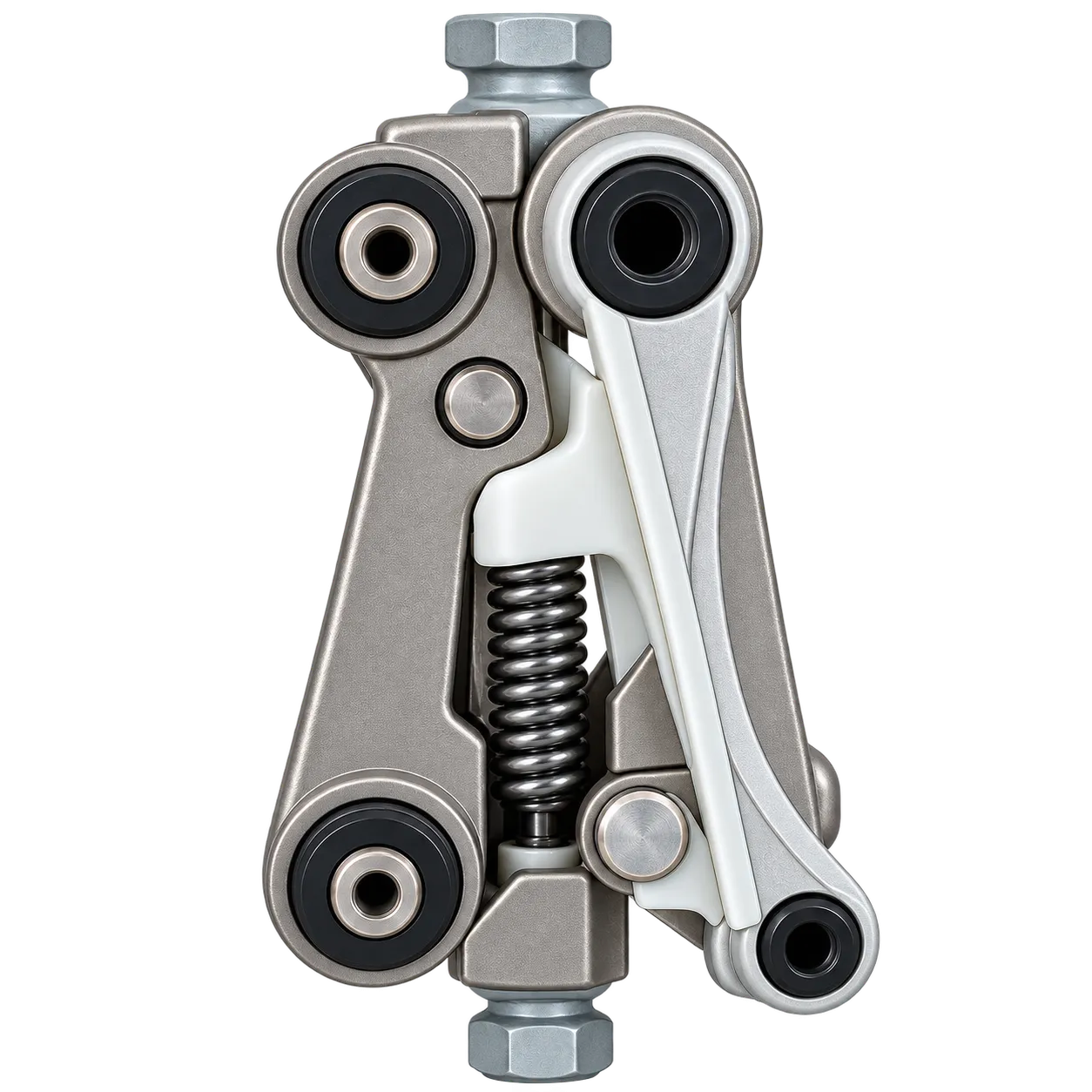
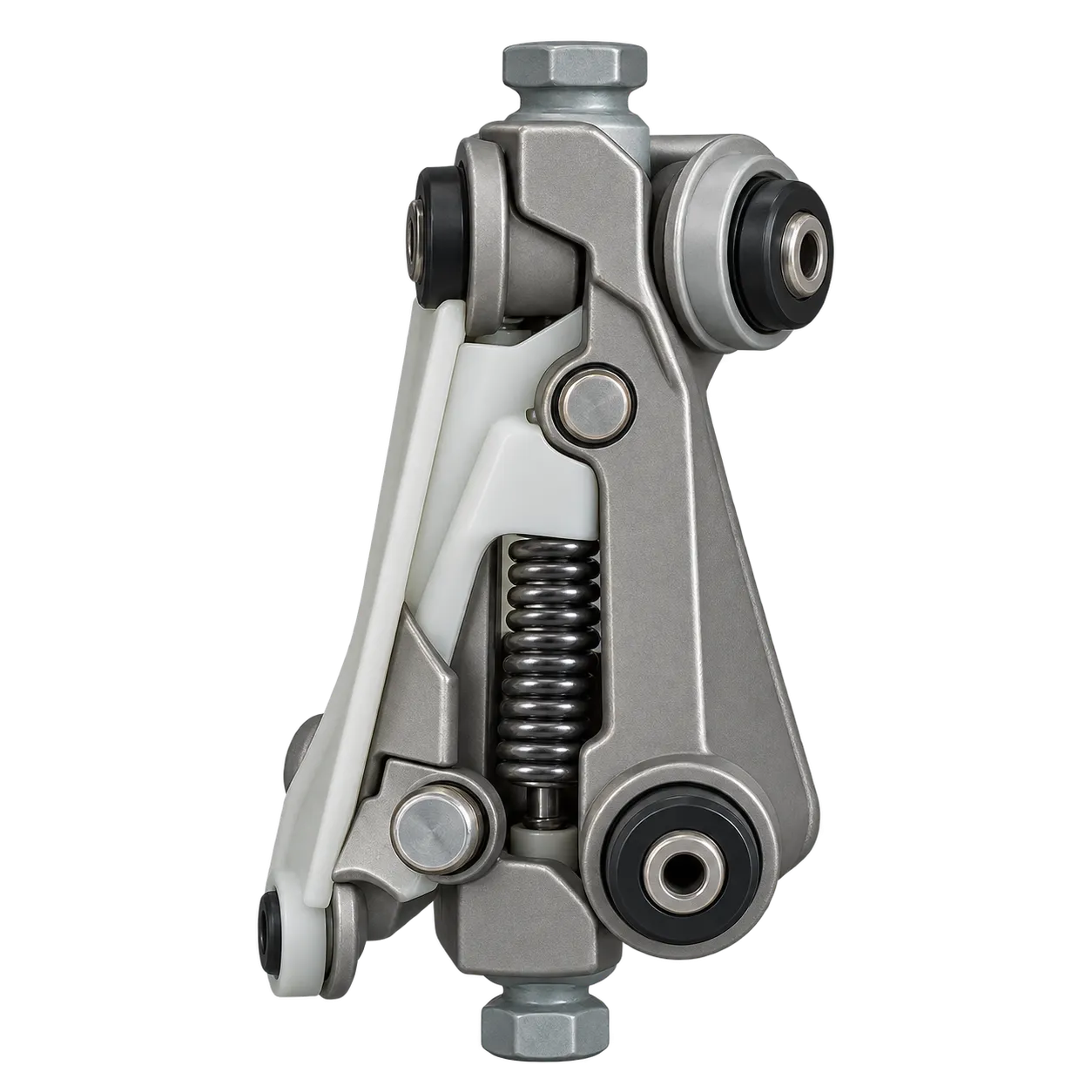
Published outcomes for the amputation level are mixed. A retrospective cohort from a Dutch hospital followed 138 patients through 153 knee disarticulations between 1989 and 2015. Of those, 62% received a prosthesis and 35% walked independently, and patients who later needed a transfemoral reamputation walked significantly less. Reference texts on through-knee fitting note that four-bar linkages fold back under the thigh when the user sits, which keeps the knee from projecting far forward. The photograph of the 3F23 shows a linkage of that general form, and its drawing sets out the geometry.
Limb centres, independent prosthetic practices, rural outreach services and charity workshops are the usual buyers. In England, NHS limb services order through a framework NHS England mandates, and equivalent public procurement elsewhere expects the same documented supply chain. The conformity documentation those procurement routes require is issued by the manufacturer and shared by the enquiry team.