
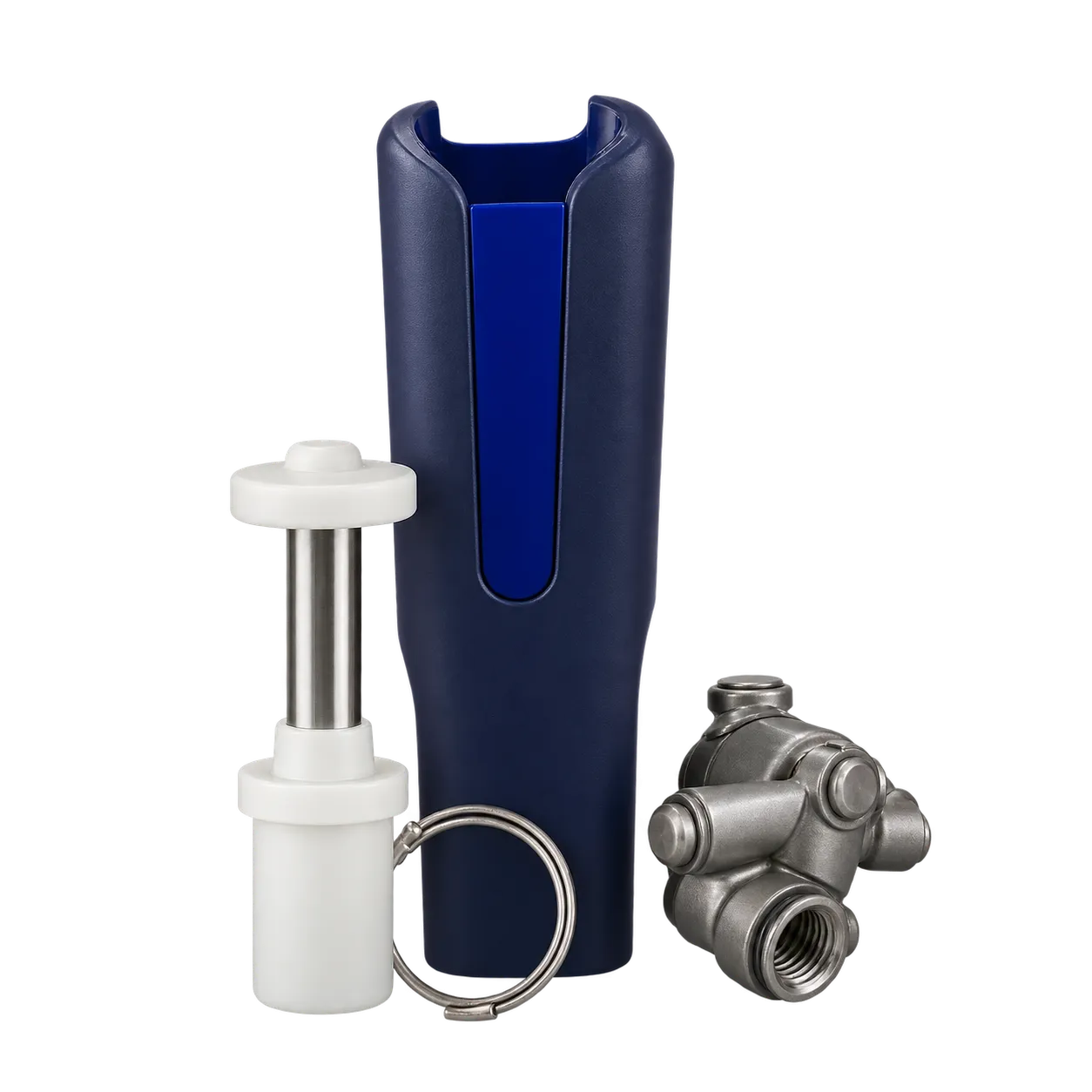


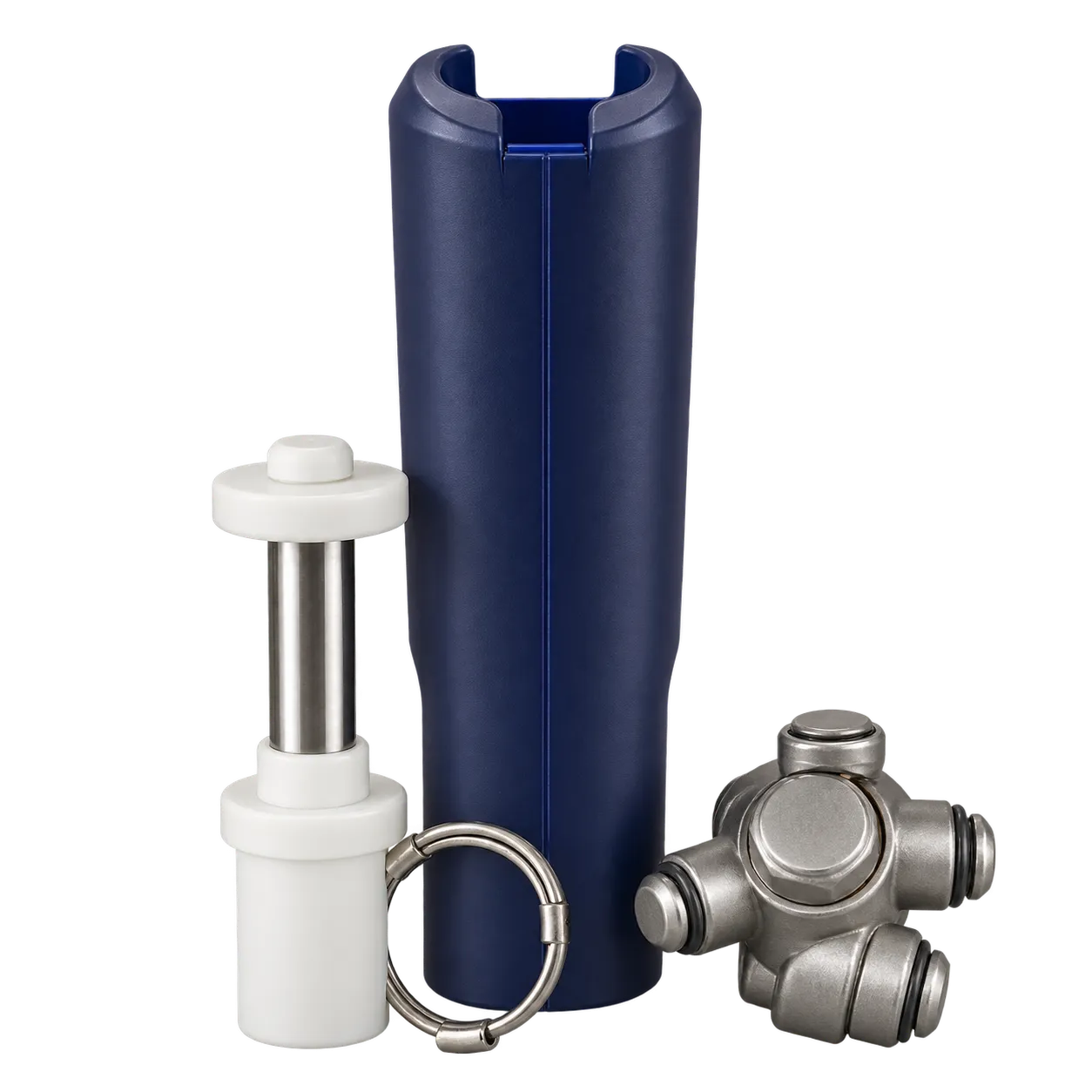
The 3F15 belongs in transfemoral and knee-disarticulation limbs for people who walk at low or moderate levels and need the knee to hold under load. Typical candidates include older adults learning to walk after amputation, first-time limb users in early rehabilitation, and people whose residual limb is short or weak, for whom holding a knee straight by hip effort alone is tiring.
Where it fits in a pathway depends on how well the user manages the release. Load on the leg holds the knee, but sitting, stairs and slopes all hinge on taking weight off the leg at the right moment. Prosthetists set the brake sensitivity, physiotherapists teach the unloading pattern, and both return to the setting as confidence and walking pace grow. A brake set too firm makes the knee hard to bend, and one set too light lets it give under partial load, so services should record the setting and recheck it at every inspection.
Published evidence on the category is limited and points both ways. The Italian retrospective study of 815 users placed weight-activated knees in a pooled mechanical group at 1.63 falls per 1,000 patient-days, between the locked and fluid-controlled groups at 1.07 and 2.81. Most between-group differences in that study did not reach significance, and rehabilitation guidance adds that a poorly timed brake release can itself cause a stumble. Those figures describe knee types in general, never this model.
Amputee rehabilitation units, limb fitting centres, independent prosthetic practices and charity workshops all fit knees of this kind. In England, NHS limb services buy prosthetic products through a mandated national framework, while public buyers in other countries run their own tendering rules. The conformity documentation those procurement routes require is issued by the manufacturer and shared by the enquiry team.