

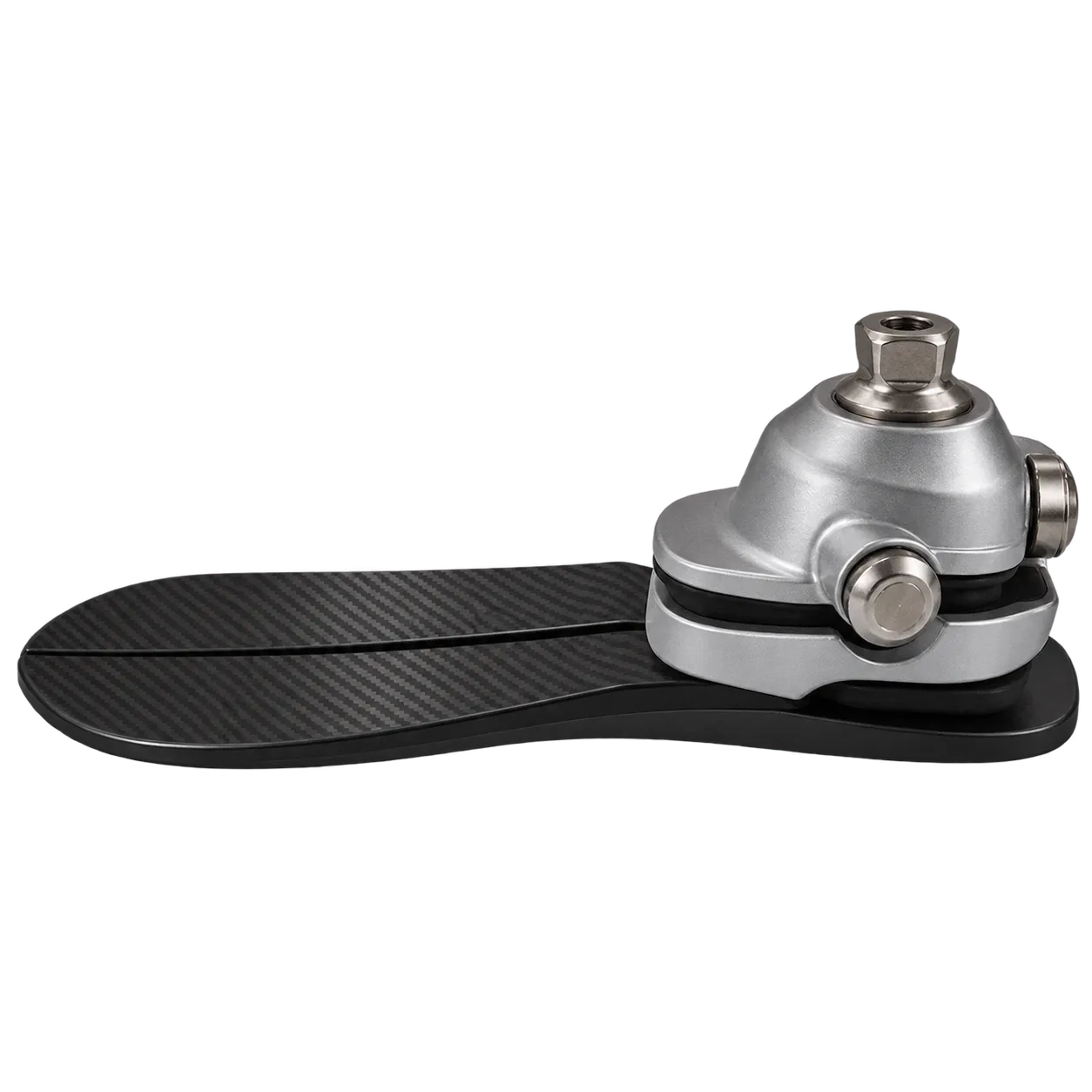
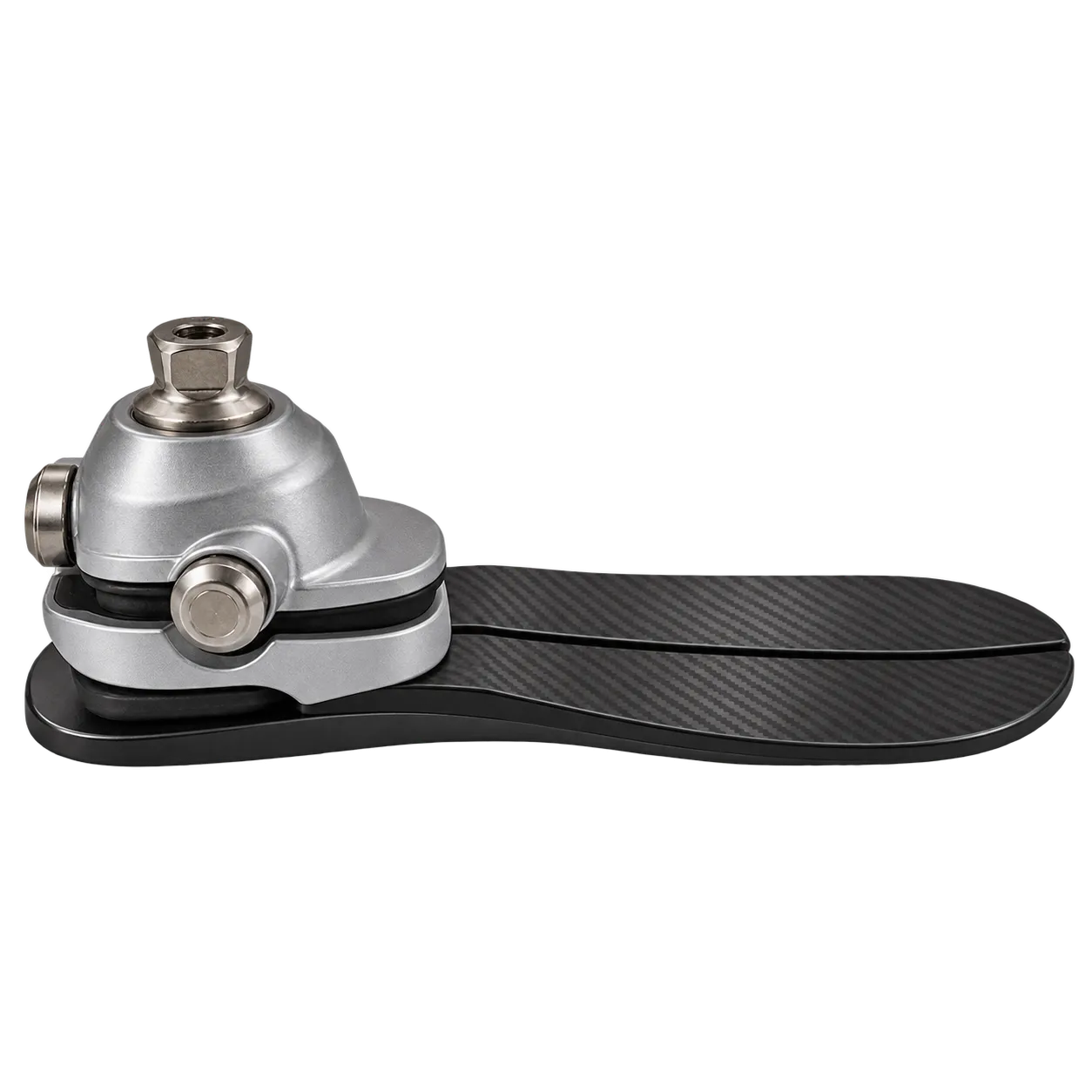
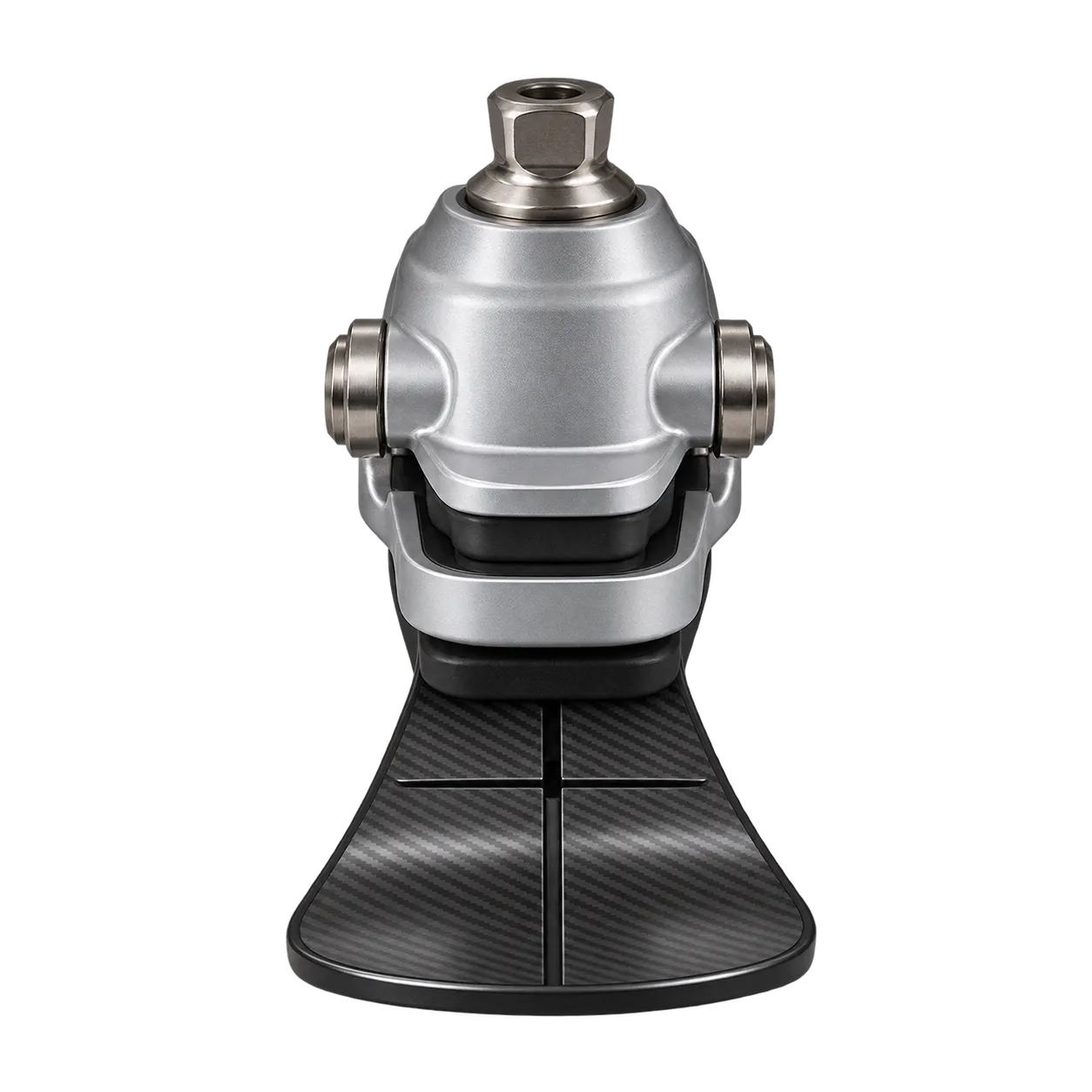
Prosthetic clinics fitting wearers with limited clearance between socket and floor have fewer options than usual, which is where a low-build foot earns its place. The 1CFL-SW-1 pairs a flat carbon plate with a compact ankle assembly, and the confirmed build height tells the prosthetist immediately whether it fits the case. Medigear.uk supplies that figure, the rating and the connector format in writing. Certification records follow for the clinic's equipment file.
Therapy teams working on gait need to know how a foot behaves before they interpret what they see. Since the movement offered by the domed assembly is not described publicly, Medigear.uk obtains that detail from the factory so the team can plan accordingly. The carbon plate itself deflects and recovers in the usual way through the step. Manufacturer documentation is available to support a service's review.
Workshops and distributors assess a foot on how readily it fits existing builds. The connector format here is confirmed rather than assumed, which avoids ordering a foot that will not mate with stock adapters. Written figures also make stock planning more predictable. Volume terms, OEM branding and ODM work are arranged through Medigear.uk.
For the wearer, a low-build foot often means a prosthesis that can be fitted at all, rather than one that simply performs well. Day to day, the carbon plate carries the step while the shell keeps the foot looking ordinary inside a shoe. Changes in feel or noise should reach the prosthetist at the next review. Medigear.uk answers questions from wearers and families ordering directly.