
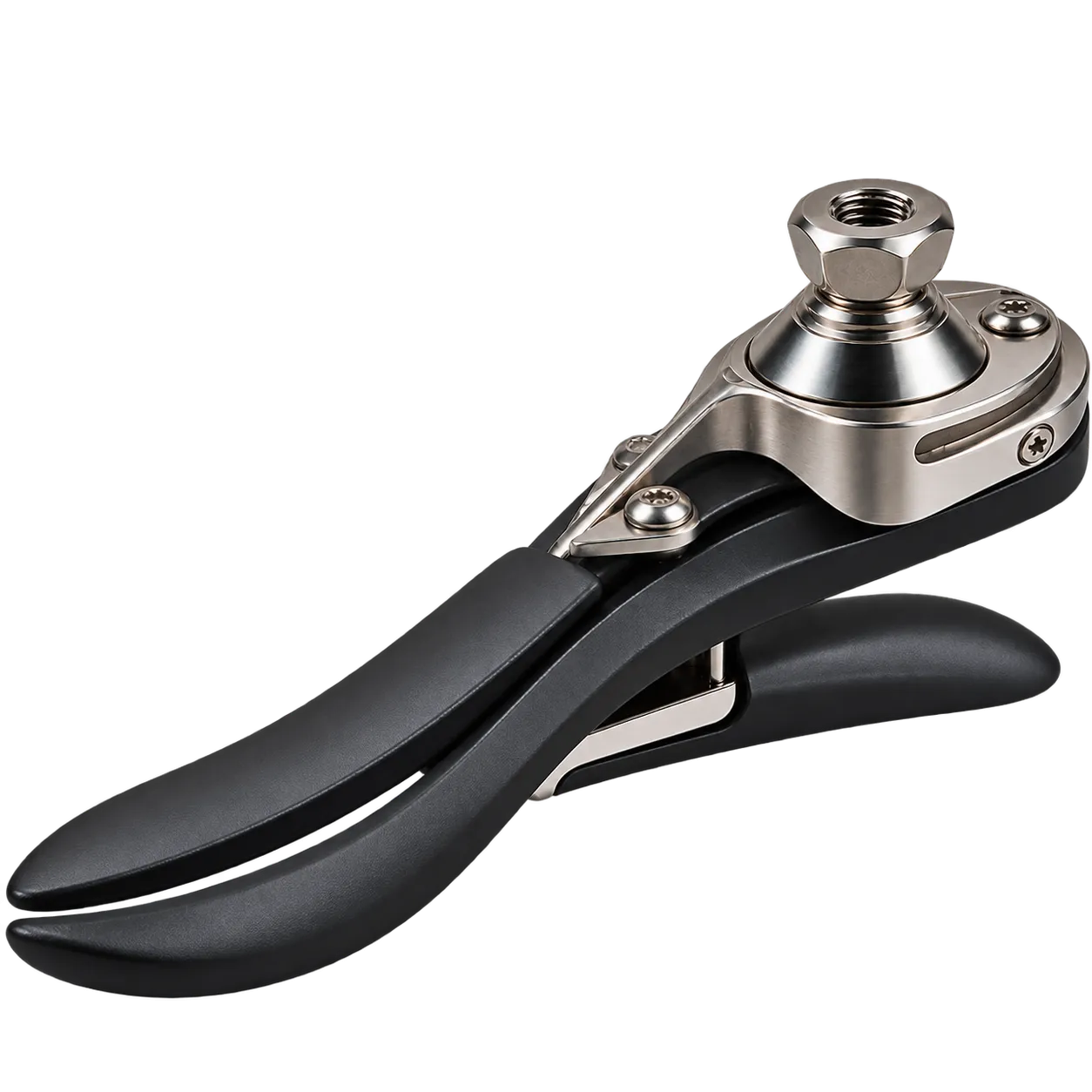
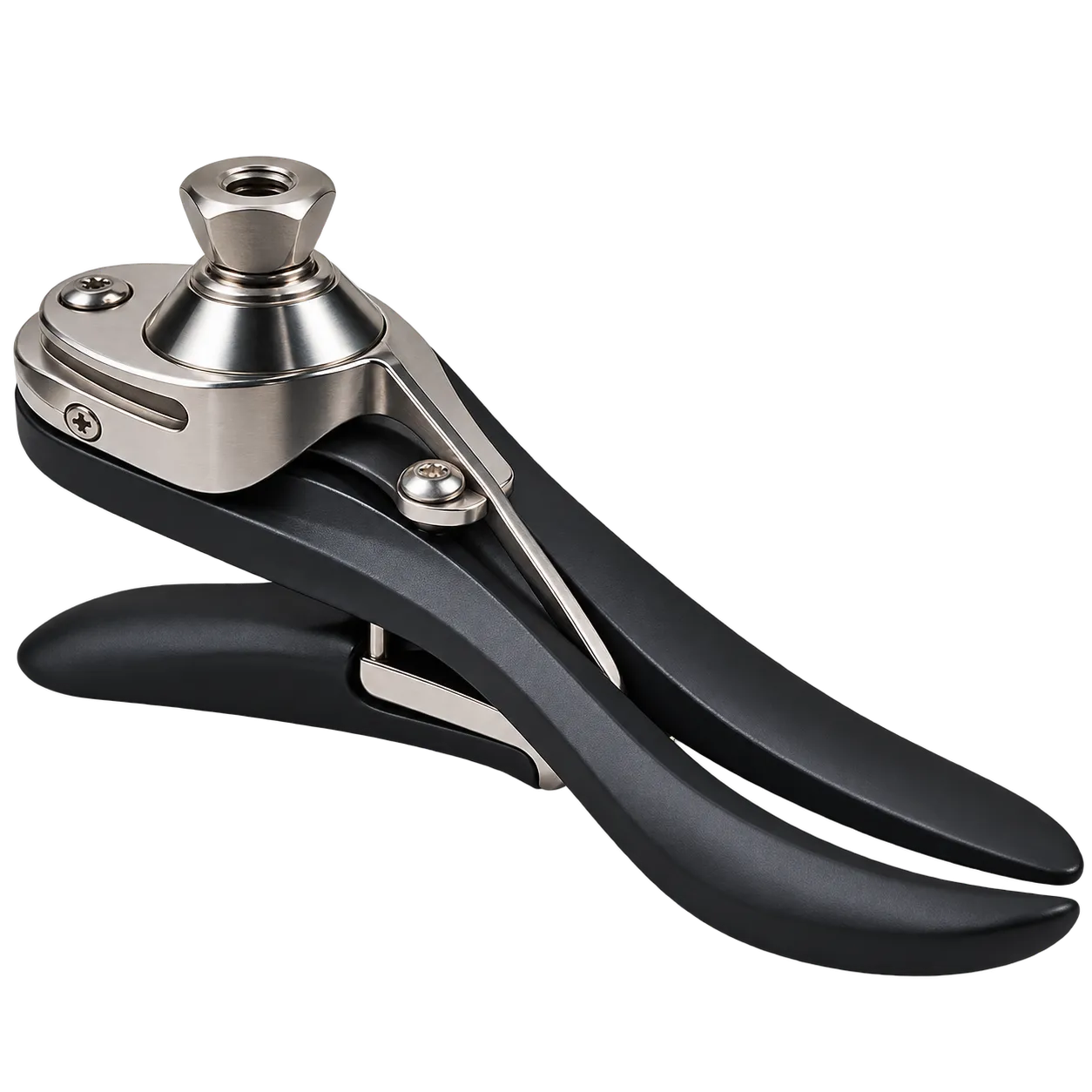
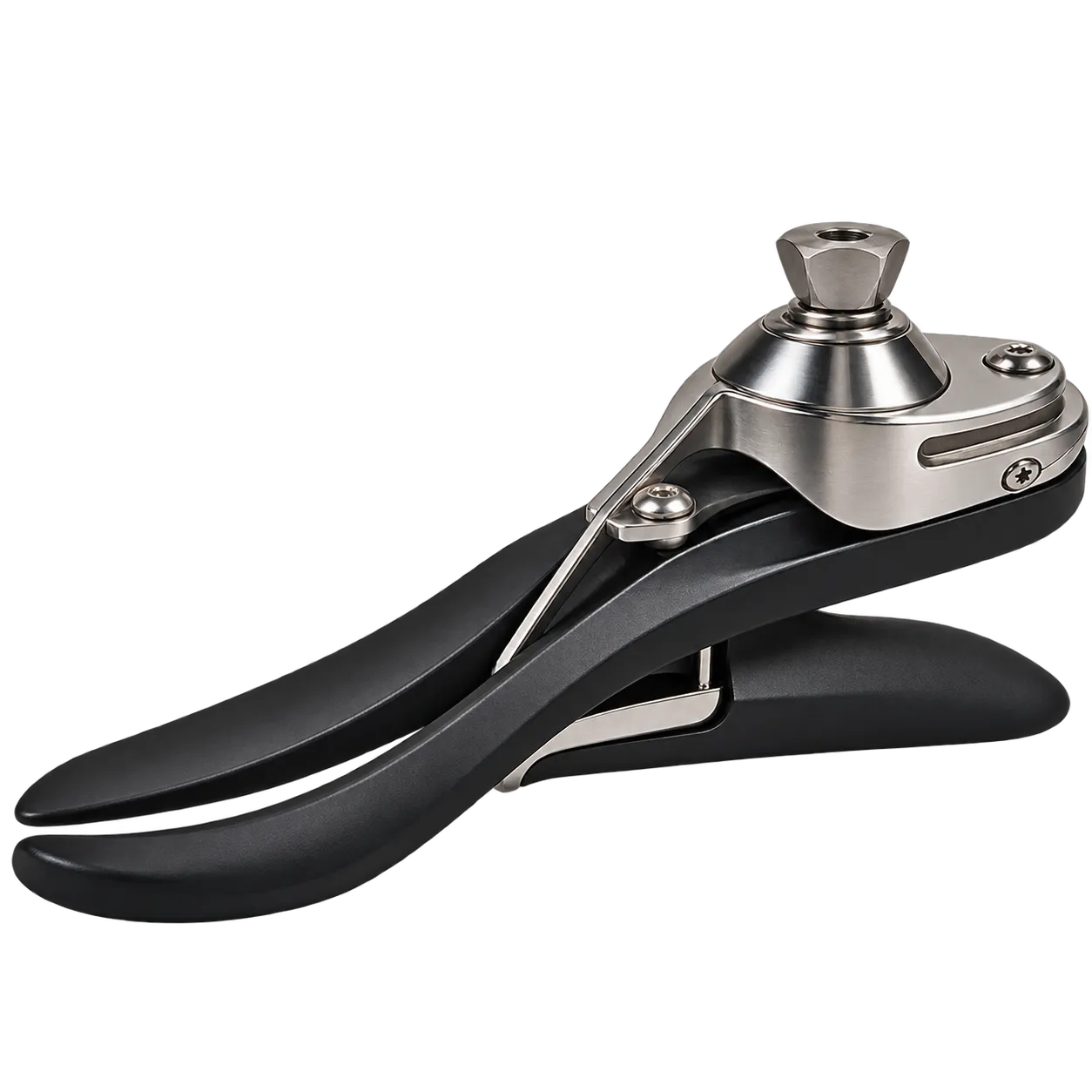
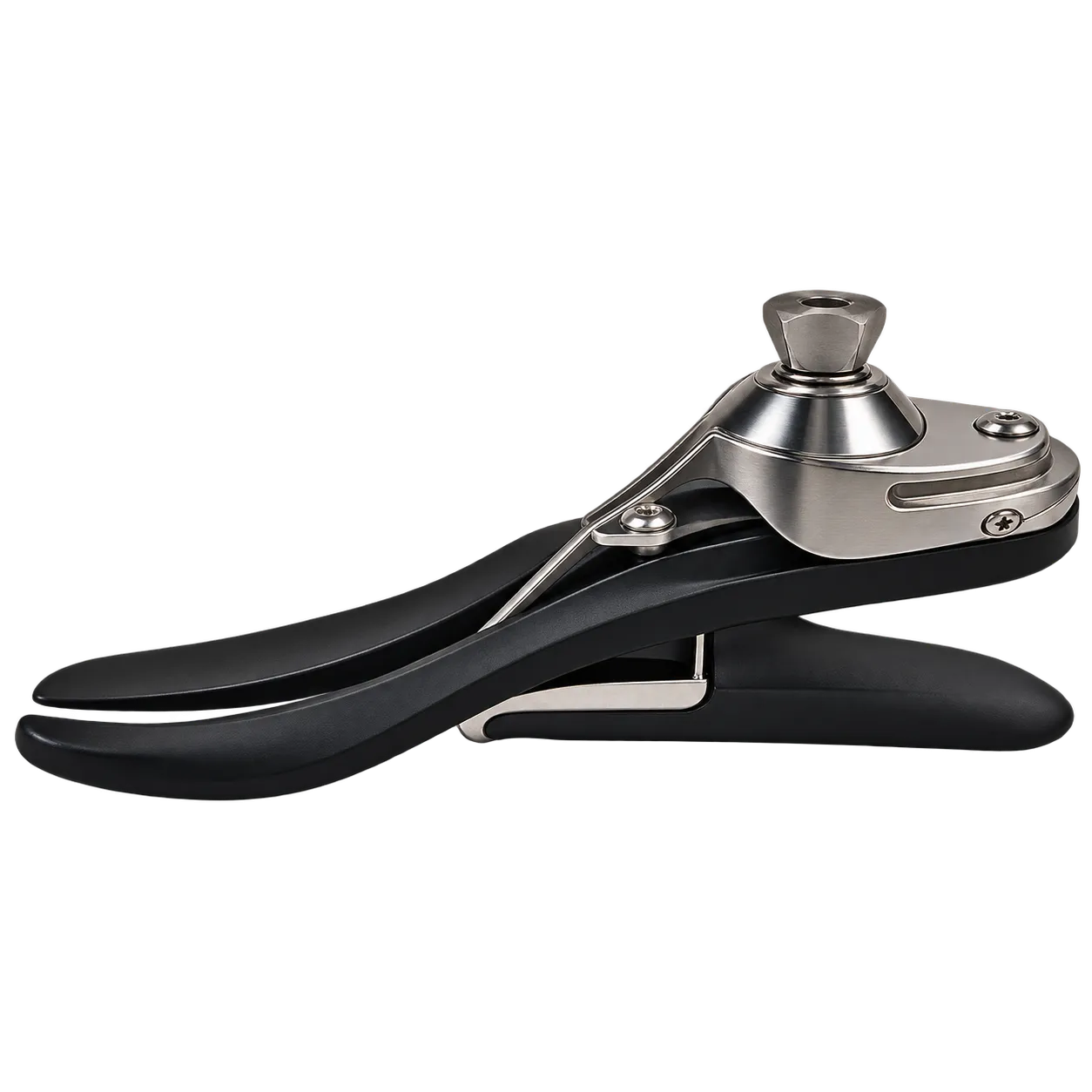
Prosthetic centres and limb-fitting services fitting K1 to K3 adults who walk on varied ground are a natural setting. The 70 to 125 kg rating and lengths to 30 cm describe a broad group of adults walking at home and in the community. The intended amputation levels are not stated, so confirm them before adding the foot to a fitting protocol.
Before the first order, ask for a dimensioned drawing of the split and a compatible shell. At fitting, set alignment with the shell on and walk the user on level ground and a side slope, recording how the forefoot settles.
At every review, check the base of the split and the shell over it. Record findings so any change is easy to spot.
Charitable limb programmes and export buyers should confirm the drawing, shell sizes and metal version in one written answer before placing a multi-size order.
Users who walk on grass, gravel or cambered pavements are the group most likely to notice what a split toe does, so include those surfaces in the trial if the clinic can reach them. Record how the user describes the forefoot on each surface. At review, ask whether anything has changed and check that the shell still allows each half to move.
Charitable programmes working in rural areas may find that users spend much of the day on unmade ground, which makes the split toe worth trialling there.
The foot is not suited to users below 70 kg or above 125 kg, users above K3, or children. The conformity documentation those procurement routes require is issued by the manufacturer and provided by the seller.