
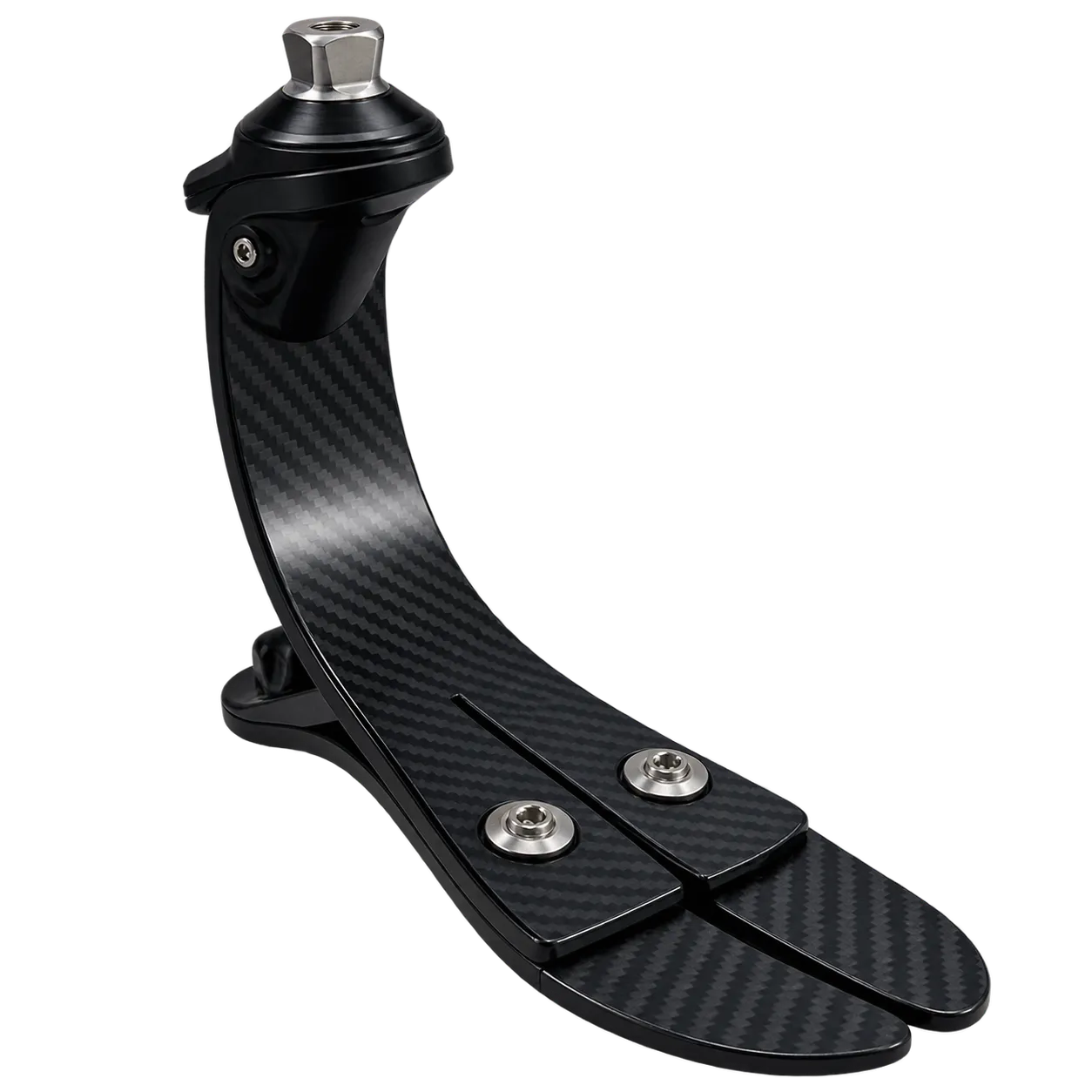
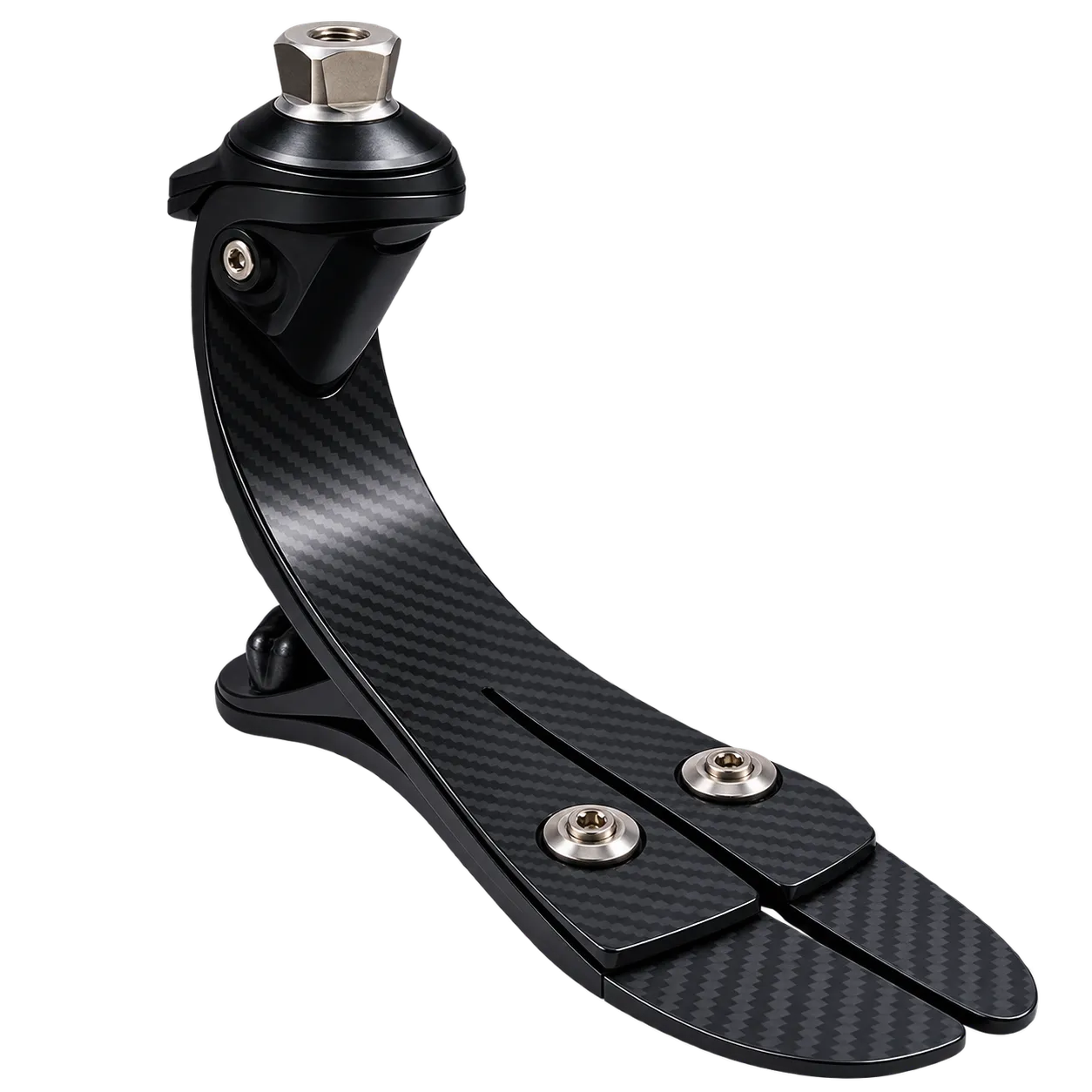
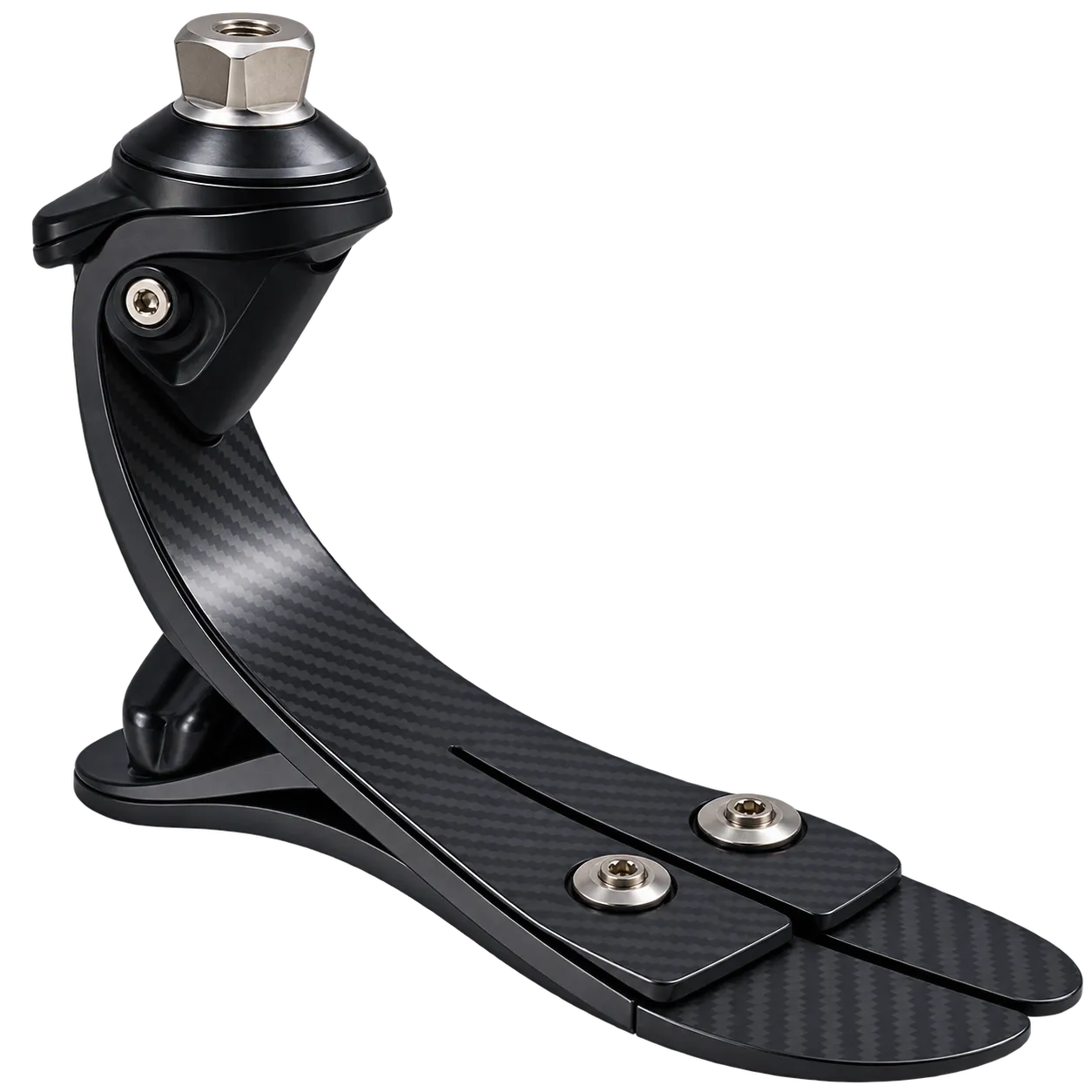
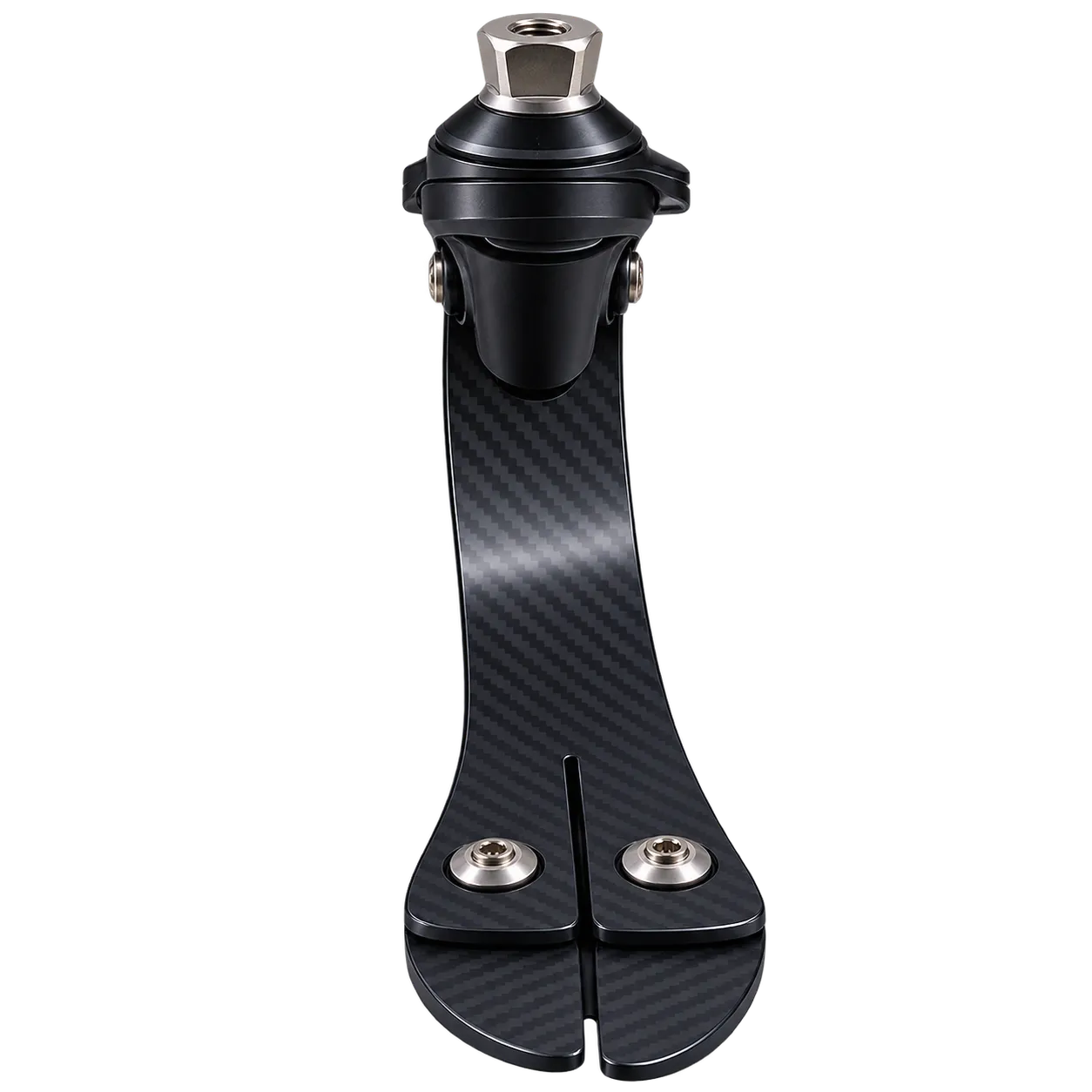
Prosthetic centres and limb-fitting services fitting adults up to 146 kg are the main setting, provided their ordering and goods-in steps check the full code. The 22 to 30 cm size range includes larger adult feet, and the tall strut suits users with clearance beneath the socket. The intended amputation levels are not stated, so confirm them before adding the foot to a fitting protocol.
Services that stock both BY-18 feet should store them apart, label shelves with the full code and pick against the prescription. A second check at the fitting room door catches anything missed.
At fitting, confirm the user's weight against 146 kg and check that the adapter and components above the foot carry the same rating. Record the code, batch, size and side in the notes.
Charitable limb programmes and export buyers should ask for packing lists that show the full code for every unit, so receiving clinics can check the prefix on arrival.
Where a service uses an electronic stock system, set up the 1CFH-BY-18 and 1CFL-BY-18 as clearly distinct items, with the ankle height and weight rating in the description. Scanning or keying the full code at goods-in and at issue gives a second check. Review any near-miss where the wrong foot was picked, and adjust storage or labelling to stop it happening again.
The foot is not suited to users below 70 kg or above 146 kg, users above K3, children, or users without clearance for a tall strut. The conformity documentation those procurement routes require is issued by the manufacturer and provided by the seller.