


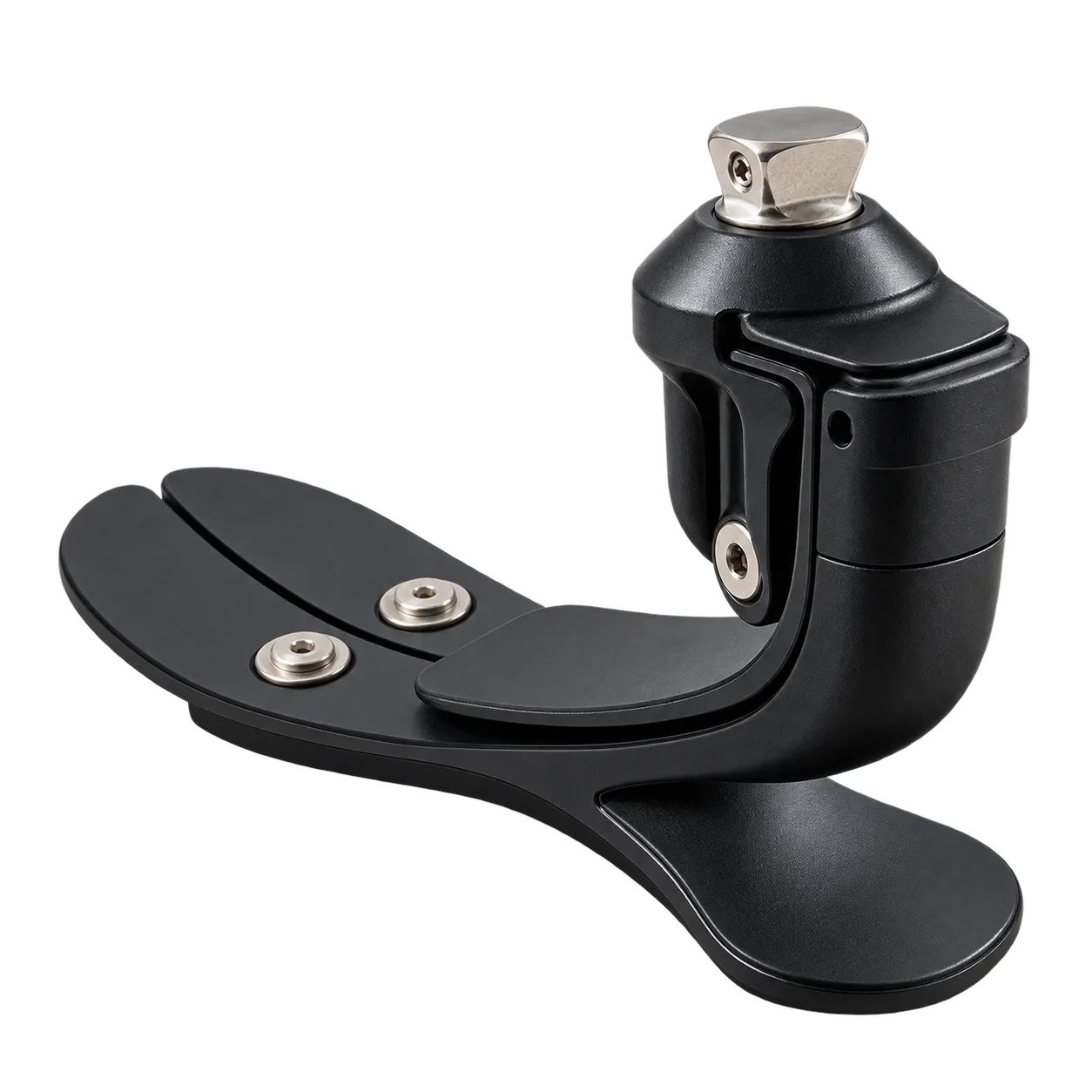
Prosthetic centres and limb-fitting services that repair components in-house are the main users. The 70 to 146 kg rating and K1 to K4 range cover a broad adult caseload, and the bolted construction suits a service with the tools and training to inspect and re-torque fixings. The intended amputation levels are not stated, so confirm them before adding the foot to a fitting protocol.
Services where downtime is costly benefit most. A user without a working limb misses work, appointments and independence, and a repair that swaps a part locally is quicker than waiting for a whole new foot, provided the spare is in stock.
Rehabilitation units fitting active users at K3 and K4 can use it where the user's clearance allows a high ankle. Recording torque values, plate condition and the date of each check builds a maintenance history for the foot. That history also shows when a part is wearing faster than expected.
Charitable limb programmes working far from a supplier can hold a small stock of spares alongside the feet, if the manufacturer sells them, to keep users walking between deliveries. Export buyers should confirm the spare parts list, torque values, sidedness, the full size list and foot shell supply before placing a multi-size order.
The foot is not suited to users below 70 kg or above 146 kg, to children, to users without clearance for a high ankle, or to anyone needing a hydraulic or powered ankle. The conformity documentation those procurement routes require is issued by the manufacturer and provided by the seller.