
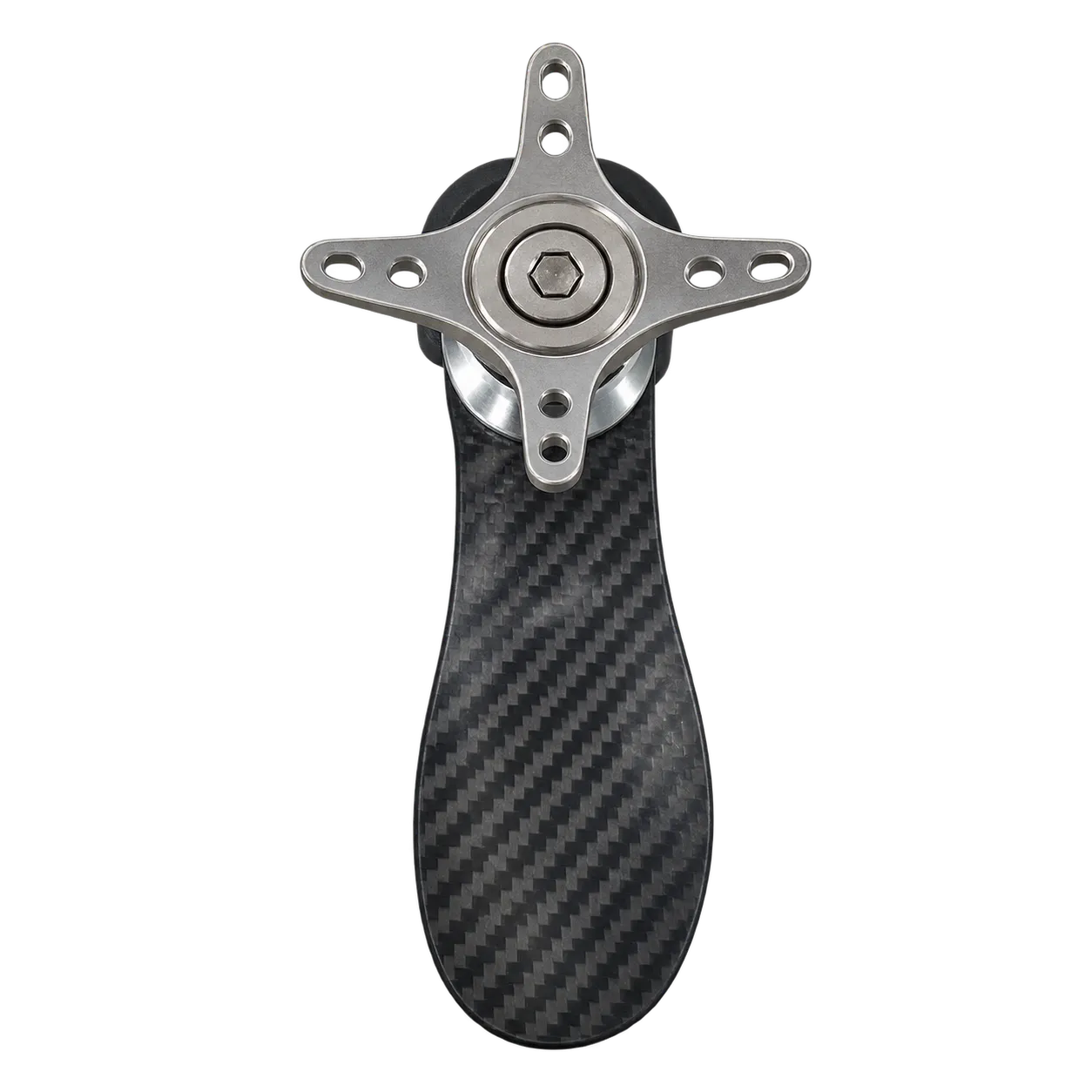


Prosthetic centres and limb-fitting services with firm goods-in and records procedures are the right setting. The 70 to 125 kg rating and K1 to K3 band describe a broad group of adults walking at home and in the community, and the high ankle suits users with clearance beneath the socket. The intended amputation levels are not stated, so confirm them before adding the foot to a fitting protocol.
Stores teams should check the full model code against the order at goods-in, since the figures on the box may match those of another model. Record the batch and any serial number in the same step, and hold the foot until the paperwork agrees.
At fitting, the prosthetist records the code, batch, size and side in the user's notes, with the date of fitting. That entry links the user to the delivery if a query or recall arises later.
Charitable limb programmes and export buyers moving stock across borders should ask for the declaration of conformity, the marking details and a packing list that shows the code for every unit. Customs, importers and receiving clinics can then match each foot to its papers.
Services audited on medical device traceability can use the foot as a test of their own records. Pick one fitted foot at random and follow it from the user's notes back through the delivery note, invoice and order to the declaration of conformity. If any link is missing, fix the procedure before the next order arrives, since the same gap would apply to every component the service fits.
The foot is not suited to users below 70 kg or above 125 kg, users above K3, children, or users without clearance for a high ankle. The conformity documentation those procurement routes require is issued by the manufacturer and provided by the seller.