

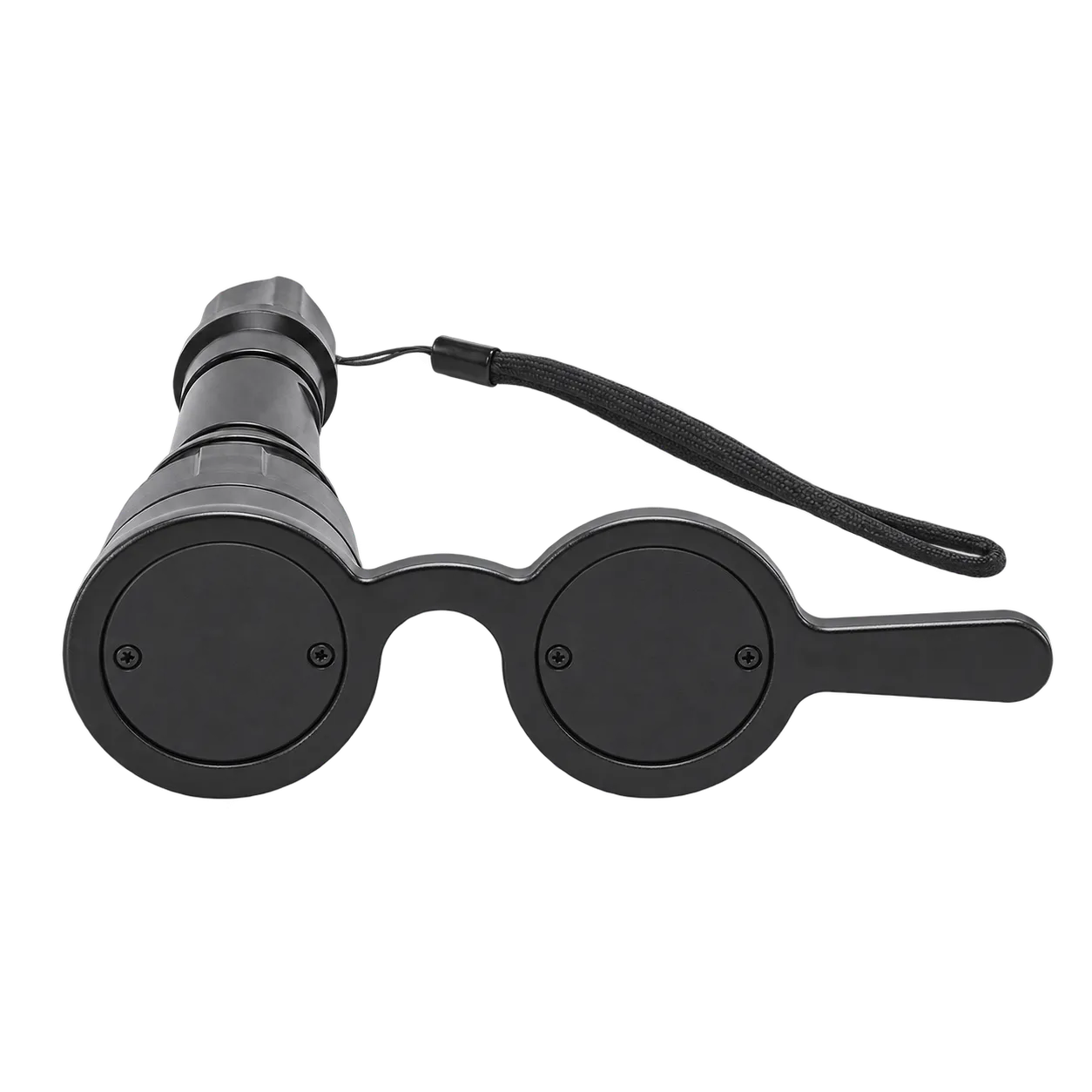
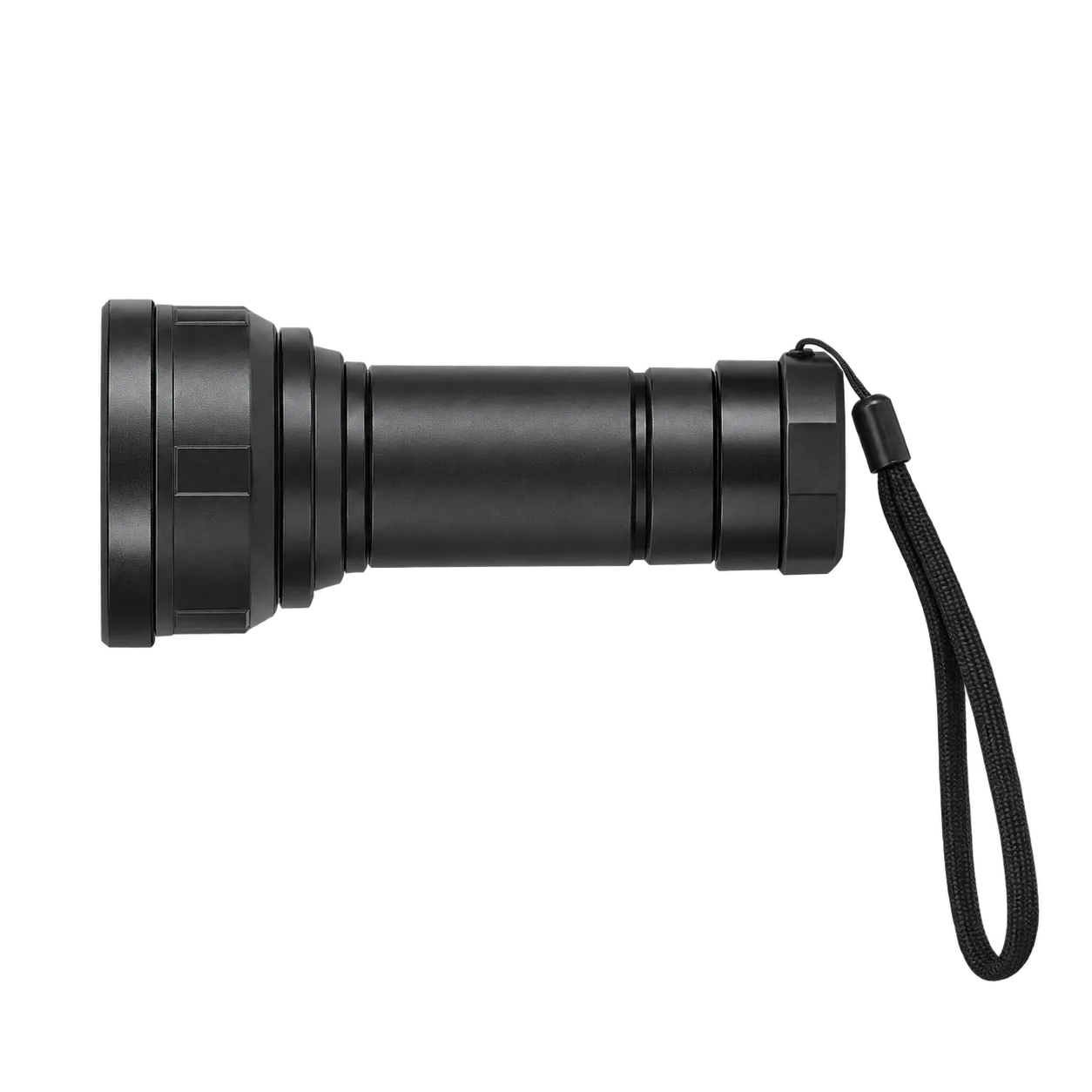
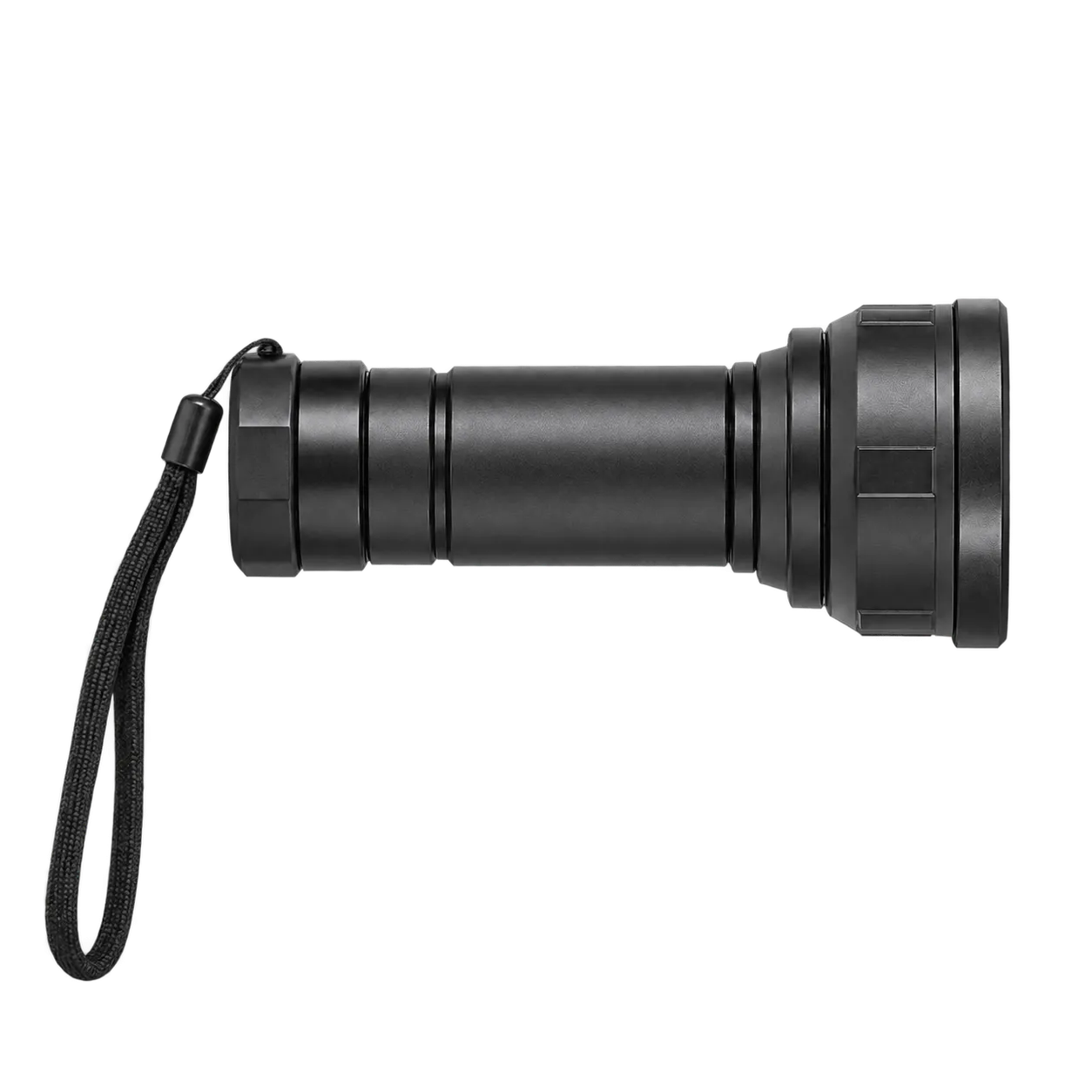
Orthoptic departments use the Worth four-dot test routinely in children and adults with strabismus, amblyopia or double vision. The torch format lets the test be done at near and then repeated at distance in the same room, giving a fuller picture of fusion and suppression.
Paediatric clinics can use the test once a child can count to four and describe colours. The handheld viewer is held briefly in front of the eyes, which suits children who will not wear goggles for long.
Assessment before and after strabismus surgery often includes a Worth test, since the result helps show whether fusion is possible and whether it has changed after surgery.
Primary care optometry can use the WT-01 when investigating double vision, suspected suppression or a manifest deviation found on cover testing.
Neuro-ophthalmology and eye casualty services can use the test in patients with new diplopia, alongside cover tests and ocular motility assessment.
Teaching clinics can use the kit to show students how each response is produced, working through fusion, suppression and diplopia in turn.
Moving the torch gradually from near to distance can also show where fusion breaks down, which helps estimate the size of a suppression area.
Domiciliary orthoptic services can carry the boxed kit to homes and schools, since the torch needs no mains supply and the viewer is small.
The WT-01 is less suited to clinics needing the light arrangement, filter data or power source confirmed before purchase. Any declaration of conformity is issued by the manufacturer and provided by the seller.