

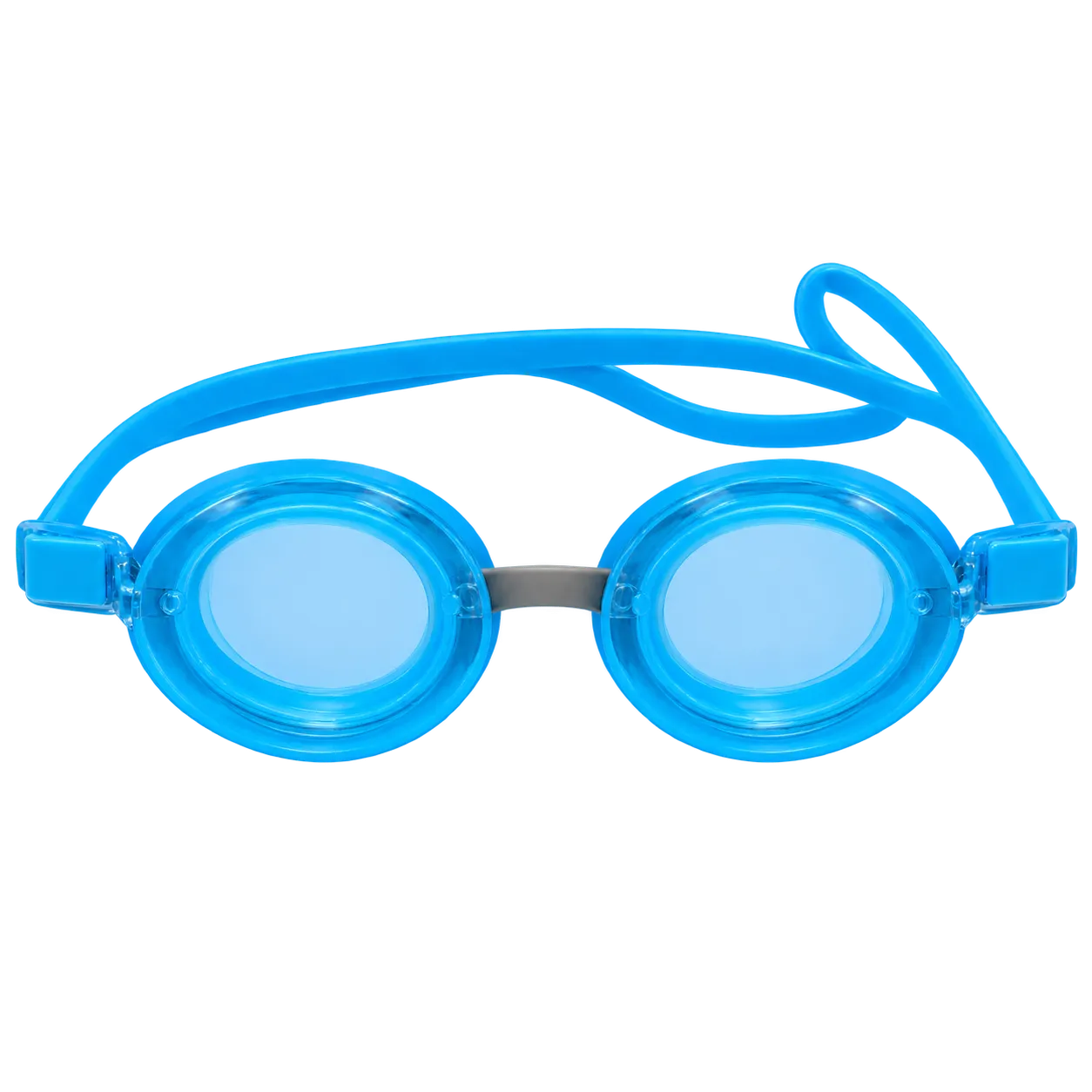
Paediatric refraction is the whole point. Children cannot be refracted in a phoropter, and an adult trial frame will neither centre on their eyes nor stay on their face, so a purpose-made frame is not a preference but a requirement.
Orthoptic clinics in hospital eye services see children continuously, and a full size range means the right frame is always to hand rather than approximated.
School and community screening benefits from fixed sizes and quick selection, since a screening session refracts many children against the clock.
Cycloplegic refraction keeps a child in the chair longer than a routine test, which is exactly when a frame that slides becomes the limiting factor.
Amblyopia management involves repeated visits and repeated refractions, so a frame a child tolerates makes each appointment shorter.
Community practices seeing NHS-funded sight tests for under-16s need paediatric provision, and a boxed range covers it without buying individual frames.
Very young children and infants may measure below 50 mm, and we confirm the range against your youngest patients.
Complex prescriptions needing four elements at once are limited by three cells, and an adjustable adult frame may be needed alongside for older children.