
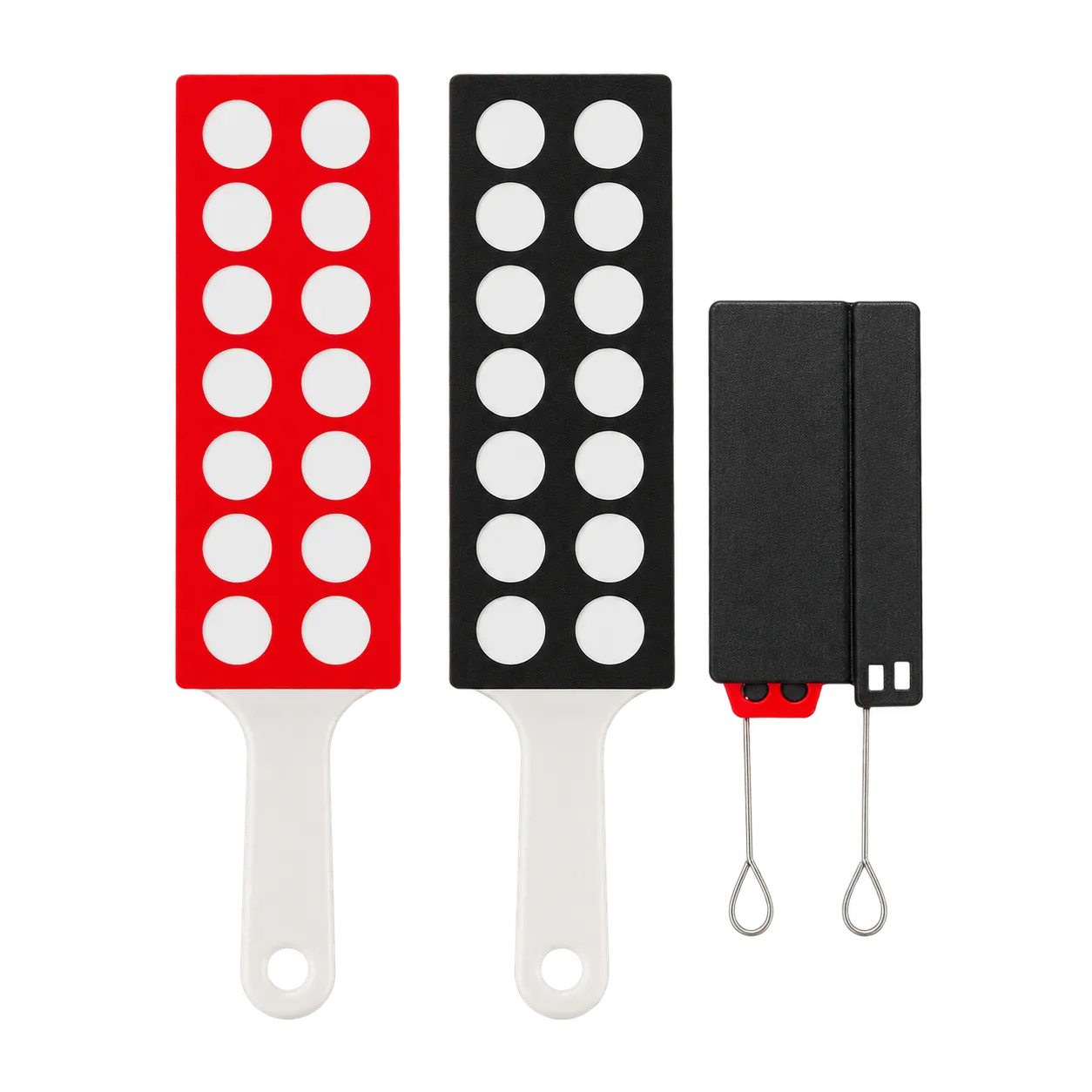
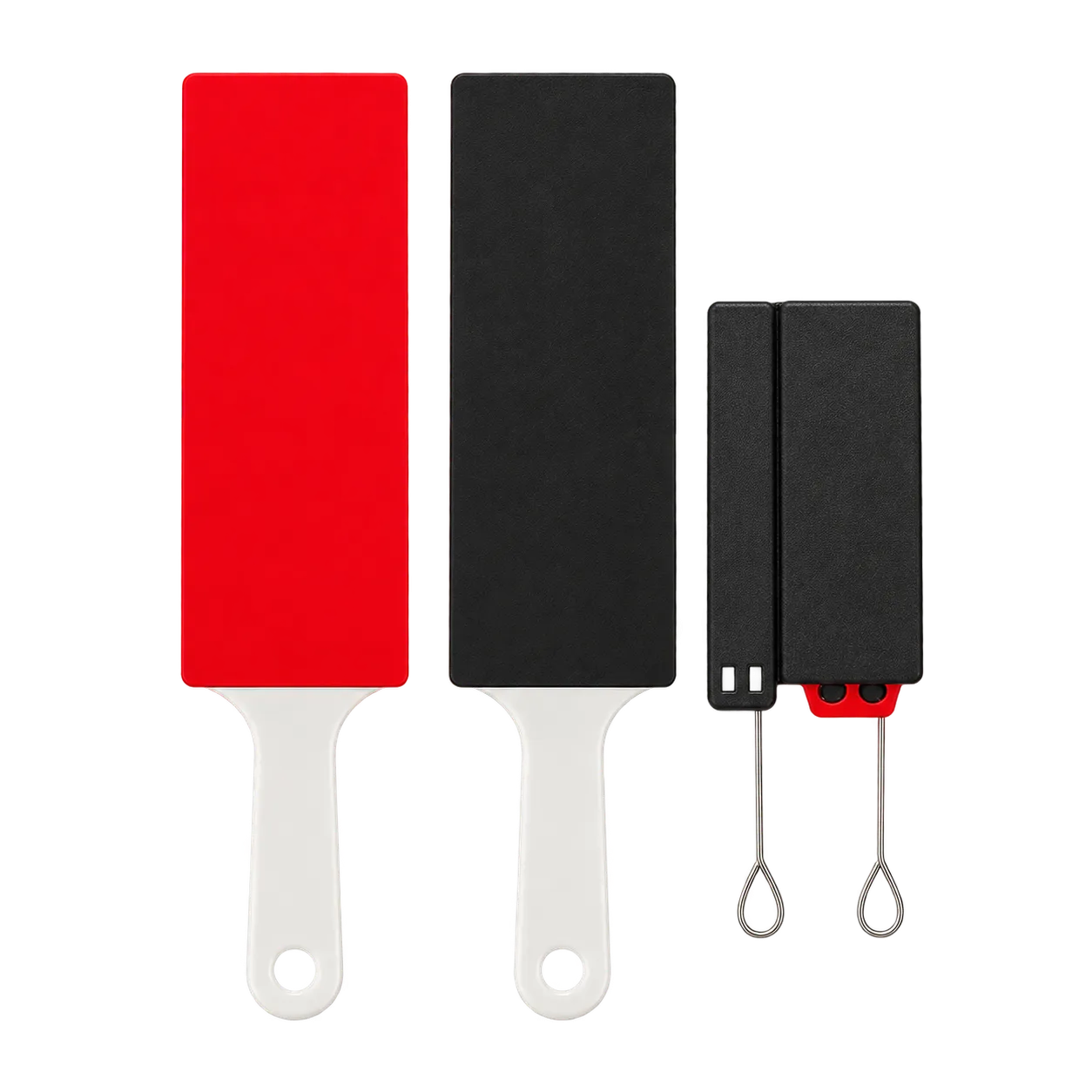
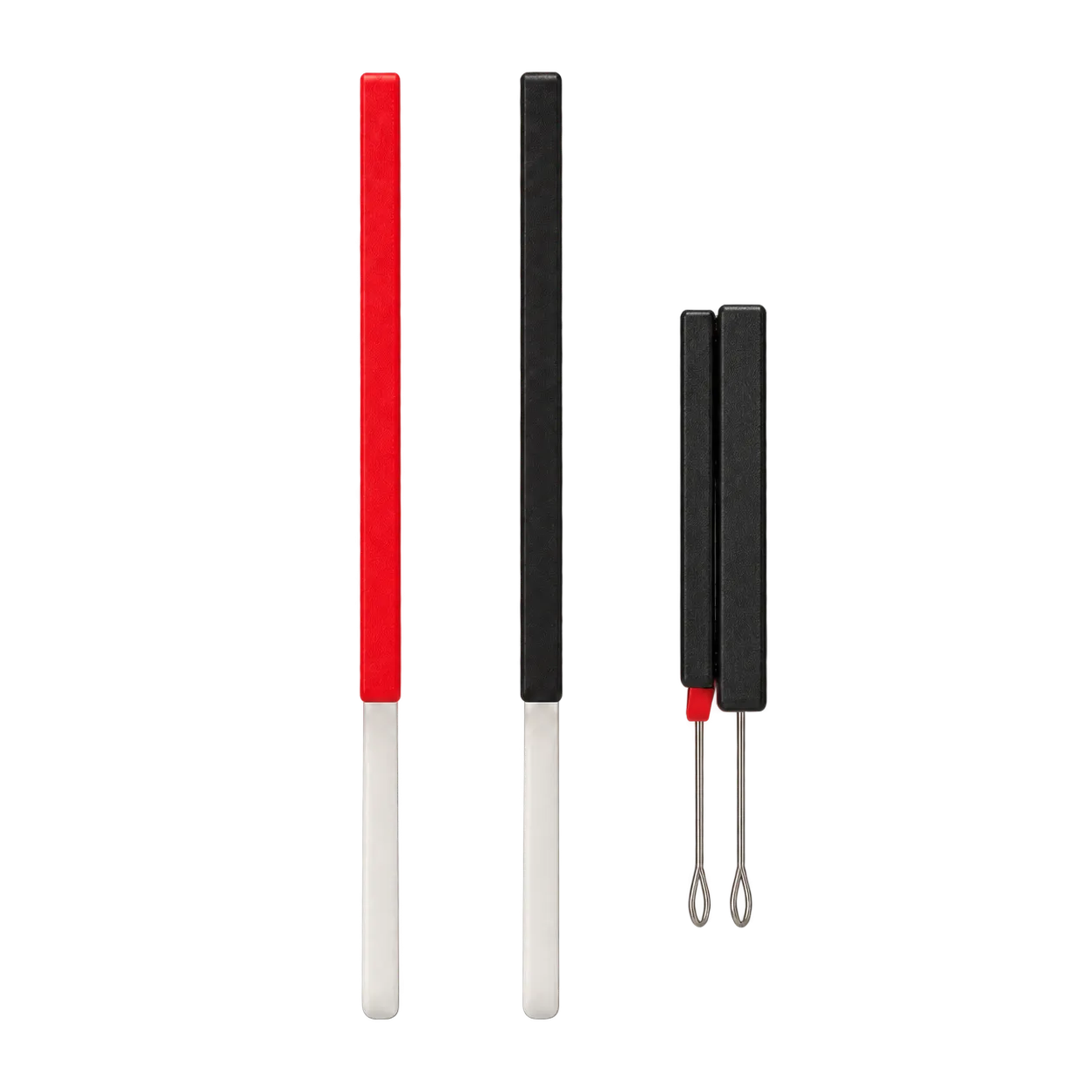
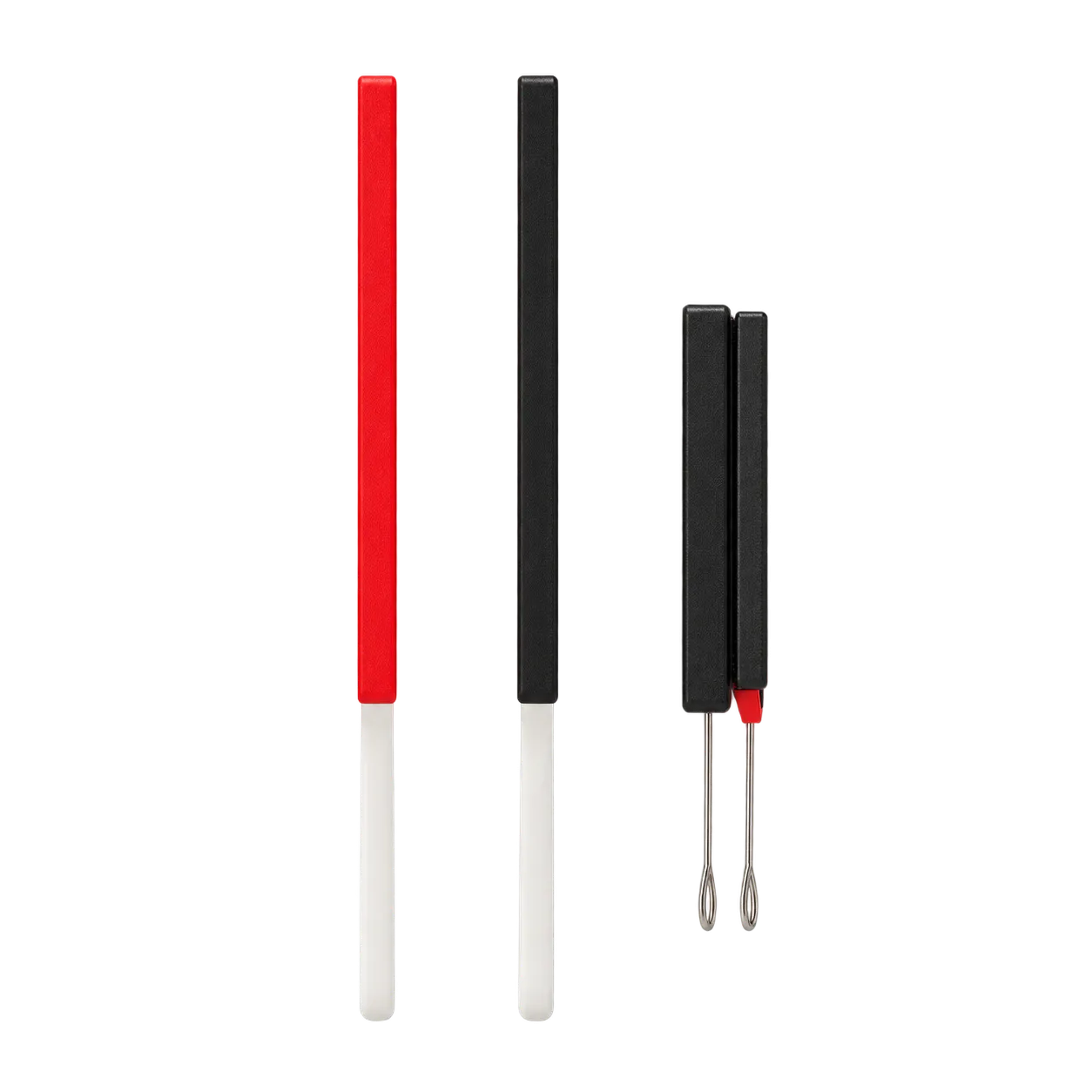
Preschool and paediatric eye clinics are the natural home for this set. Young children rarely tolerate a trial frame, and a bar held briefly in front of the eye while the child watches a target lets the practitioner neutralise each meridian quickly. Under cycloplegia, the half-dioptre steps cover the low hyperopia typical of this age in few moves, which keeps the examination within a short attention span.
Nursery and school screening programmes that include refraction can carry both bars in their leather case between sites. The compact kit suits outreach where space and time are limited.
Hospital eye services and orthoptic clinics use racks to refract children with strabismus or suspected amblyopia, where an accurate cycloplegic result guides glasses and occlusion decisions. The bars reach neutral quickly, and a ±0.25 D lens from a trial set refines the result where a quarter-dioptre answer matters.
Special-needs services use racks with children and adults who will not accept anything placed on the face, since the bar never touches the patient.
Teaching clinics can use the set to show students how quickly a reflex approaches neutral in half steps, and why a final quarter-dioptre check is still needed.
The set is less suited to children with high hyperopia, high myopia or aphakia, who need powers in the gaps or beyond 12.00 D, and to practitioners who want quarter steps built into the bars. Institutional buyers commonly ask for evidence of conformity. The conformity documentation those procurement routes require is issued by the manufacturer and provided by the seller.